



Growing a tiny seed teaches kids patience, responsibility, resilience, the value of daily effort, how to handle failure, the beauty of slow progress, respect for nature, cause and effect, nurturing living things, and the joy of seeing hard work pay off. These aren't lessons you can teach from a textbook: they're earned one watering can at a time.
Here at Tierney Family Farms, we've watched countless little hands press seeds into soil and witnessed the magic that unfolds over the following weeks. It's not just about growing a plant. It's about growing a kid.
Let's dig into each of these life lessons and how you can bring them to life in your own backyard, windowsill, or kitchen counter.
Lesson 1: Patience Isn't Just Waiting: It's Trusting
Kids live in a world of instant everything. Cartoons stream immediately. Snacks appear on demand. But a seed? A seed takes its sweet time.
When your child plants a bean or sunflower seed, nothing visible happens for days. They'll check. They'll poke the soil. They'll ask you seventeen times if it's growing yet.
This is patience in action: learning that some of the best things in life don't show up overnight. The sprout will come. But only if they keep believing it will.
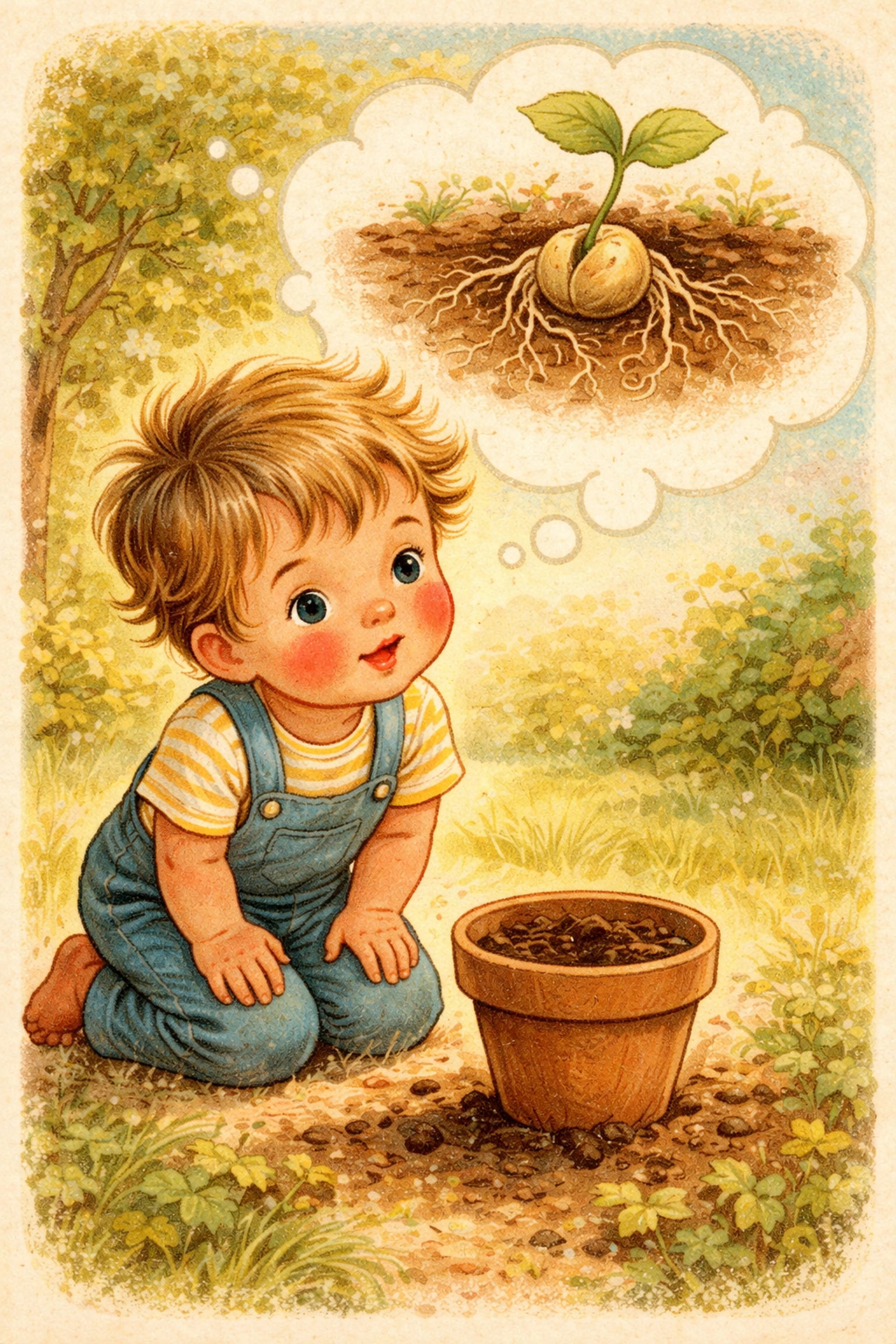
Try this: Have your child draw what they think is happening underground while they wait. Roots stretching, seed coats cracking open. It turns invisible progress into something real.
Lesson 2: Responsibility Has Real Consequences
A stuffed animal doesn't wilt if you forget to hug it. A seed does.
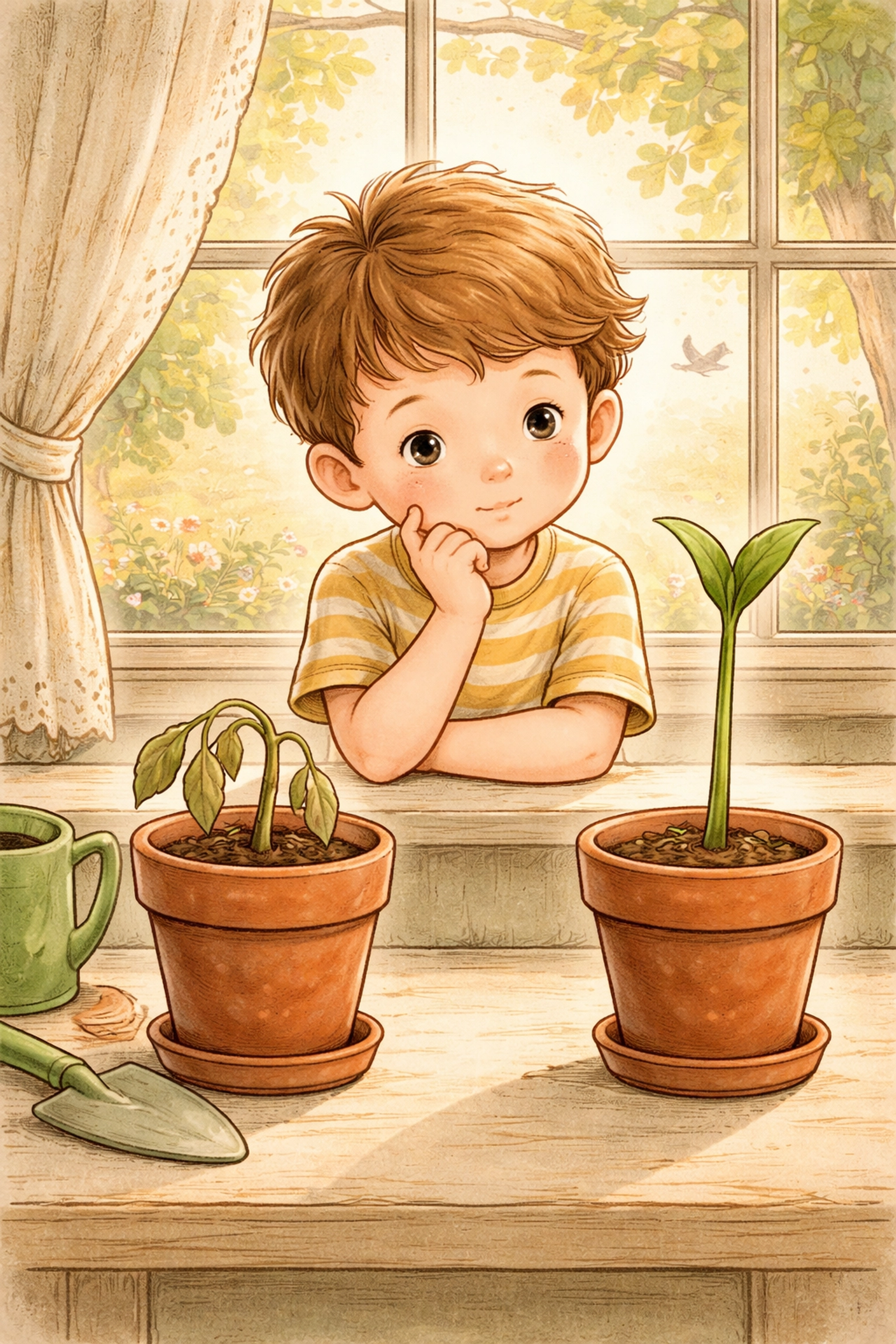
When kids take ownership of watering their plant, they learn that living things depend on consistent care. Miss a few days? The leaves droop. Show up every morning? The stem stands tall.
This is one of the gentlest ways to teach kids that their actions (or inactions) matter.
Try this: Create a simple watering chart with stickers. Let them track their own consistency and see the connection between care and results.
Lesson 3: Failure Is Part of the Process
Not every seed sprouts. Some rot. Some get eaten by birds. Some just never wake up.
And that's okay.
When a child's first planting attempt fails, they get a safe, low-stakes opportunity to feel disappointment: and then try again. This builds resilience. It teaches them that failure isn't the end of the story. It's just the first draft.
Try this: Plant several seeds at once and talk openly about how not all of them will make it. Celebrate the ones that do, and gently discuss what might have happened to the others.
Lesson 4: Small Efforts Add Up to Big Results
A single watering doesn't grow a tomato. Neither does two or three. But dozens of small, daily efforts? That's what turns a speck into a sprawling plant loaded with fruit.
Kids learn that consistency beats intensity. Showing up matters more than showing off.
Try this: Take a photo of the plant every week and line them up at the end of the season. Let your child see the compound effect of their small daily actions.
Lesson 5: Growth Happens at Different Speeds
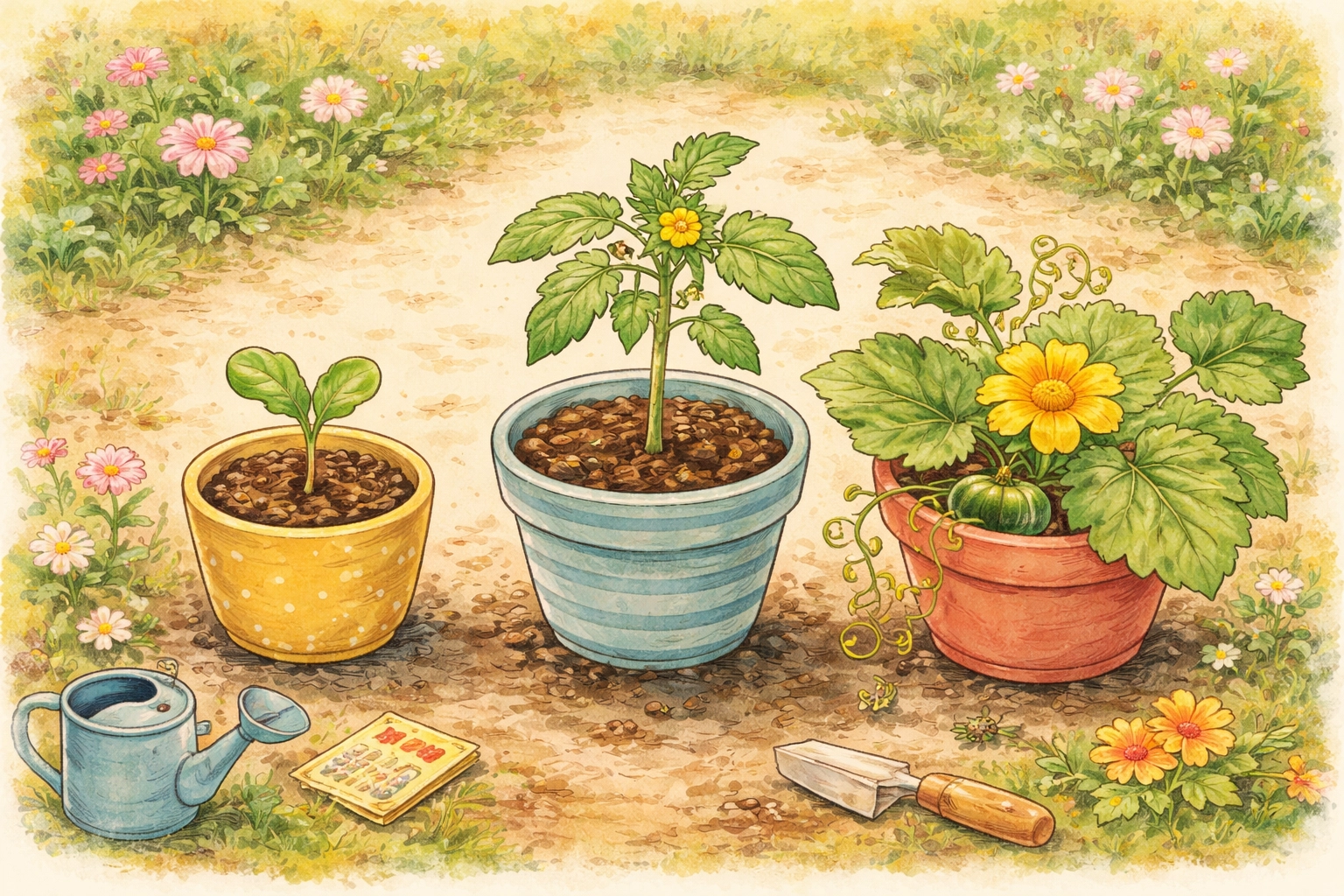
Plant three different seeds: radishes, tomatoes, and pumpkins: and watch what happens.
The radish rockets up in days. The tomato takes its time. The pumpkin sprawls slowly but produces something enormous.
This is a powerful visual metaphor for kids: everyone grows at their own pace. Just because your friend learned to read faster doesn't mean you won't write better stories someday.
Try this: Use a simple chart to track the growth rates of different plants. Talk about how "slow" doesn't mean "less" and "fast" doesn't mean "best."
Lesson 6: Nature Follows Rules (Even When We Don't Understand Them)
Seeds need water, sunlight, and soil. Skip one, and things go sideways.
Kids start to see that the natural world operates on logic: cause and effect. If I do this, that happens. It's early scientific thinking wrapped in dirt and wonder.
Try this: Run a mini experiment. Plant two seeds: give one everything it needs, and deprive the other of light. Let your child predict and observe the outcome.
Lesson 7: Nurturing Something Else Builds Empathy
When a child cares for a plant, they practice putting another living thing's needs ahead of their own impulses. They water the seedling before they run outside to play. They check on it before breakfast.
This is empathy in training. It's the same muscle they'll use later to care for pets, siblings, friends, and eventually their own families.
Try this: Give the plant a name. Silly as it sounds, it helps kids form an emotional connection and take their caretaking role more seriously.
Lesson 8: Hard Work Pays Off (Literally)
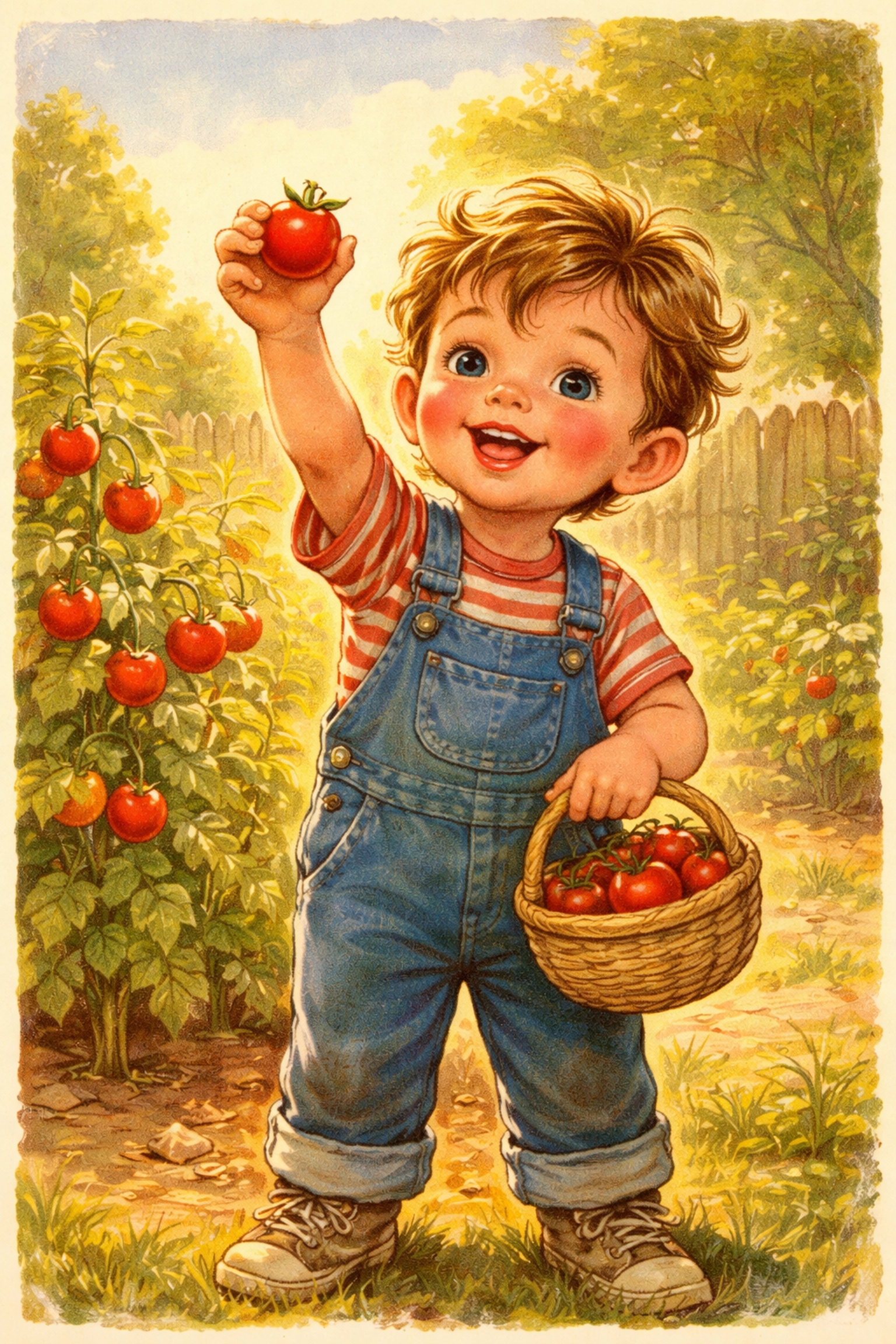
There's nothing quite like watching a child bite into a strawberry they grew themselves. Or hand you a bouquet of zinnias they planted from seed.
This is the taste of earned reward. No participation trophy. No shortcut. Just pure, sun-ripened proof that effort produces results.
Try this: Grow something edible: cherry tomatoes, snap peas, or herbs. Let them harvest and eat their work. The pride is palpable.
Lesson 9: Change Is Natural and Beautiful
A seed becomes a sprout. A sprout becomes a stem. A stem grows leaves, then flowers, then fruit, then seeds again.
Kids witness transformation in real time. They learn that change isn't scary: it's how life works. Everything has seasons. Everything evolves.
Try this: Read The Tiny Seed by Eric Carle alongside your planting project. It beautifully illustrates the full life cycle and reinforces that even the smallest, slowest seed can become something extraordinary.
Lesson 10: Joy Lives in the Simple Things
At the end of the day, gardening with kids isn't about perfect rows or Instagram-worthy harvests. It's about dirty fingernails, earthworms discovered by accident, and the genuine wonder on a child's face when that first green loop breaks through the soil.
These are the moments that stick. The ones they'll remember long after the plant is gone.
Try this: Put away the phone for planting day. Be fully present. Let the lesson be the experience itself.
Ready to Plant Your First Seed Together?
You don't need a farm. You don't need fancy equipment. A cup, some soil, a seed, and a sunny window will do just fine.
If you're looking for more hands-on family projects, check out our guide on how to make a DIY mini greenhouse out of plastic bottles for under $10 or learn how to create a worm composting bin with your children.
The seeds are small. The lessons are enormous. And it all starts with one tiny act of faith pressed gently into the dirt.
FAQ: Growing Seeds with Kids
- What is the most important lesson a child learns from a seed? Patience! In a world of instant results, waiting for a seed to sprout helps kids understand that the best things often take time and care.
- How does gardening teach responsibility? A plant needs regular water and sun to survive. Giving a child their own "special plant" to care for helps them learn that their actions have a direct and important impact.
- Can a seed teach kids about the cycle of life? Yes. Seeing a seed grow into a plant, produce its own seeds, and then start the process all over again is a beautiful way to explain how nature works and how everything is connected.
References:
- Carle, Eric. The Tiny Seed. Simon & Schuster, 1987.
- National Gardening Association: Kids Gardening Resources