



Direct Answer: The best sensory garden ideas for kids include planting textured leaves and fuzzy plants for touch, growing colorful flowers that bloom across seasons for sight, adding wind chimes and water features for sound, including aromatic herbs like mint and lavender for smell, and creating an edible garden section with cherry tomatoes and strawberries for taste. These five elements transform any outdoor space into a full sensory learning adventure.
Why Sensory Gardens Are Magic for Little Learners
Here's the thing about kids, they don't just look at the world. They grab it, sniff it, lick it (yes, even the dirt sometimes), and listen to every rustle and splash. A sensory garden meets them exactly where they are.
When children engage all five senses outdoors, something wonderful happens. They build stronger neural connections, develop better motor skills, and create lasting memories tied to real experiences. Plus, a sensory garden gives them a reason to put down the screens and get their hands dirty.
The best part? You don't need acres of land or a fancy budget. A few containers on a patio work just as well as a sprawling backyard plot. What matters is intention, choosing plants and features that invite little hands, eyes, ears, noses, and taste buds to explore.
Let's dig into five sensory garden ideas you can start this weekend.
1. The Touch Garden: Textures That Beg to Be Explored
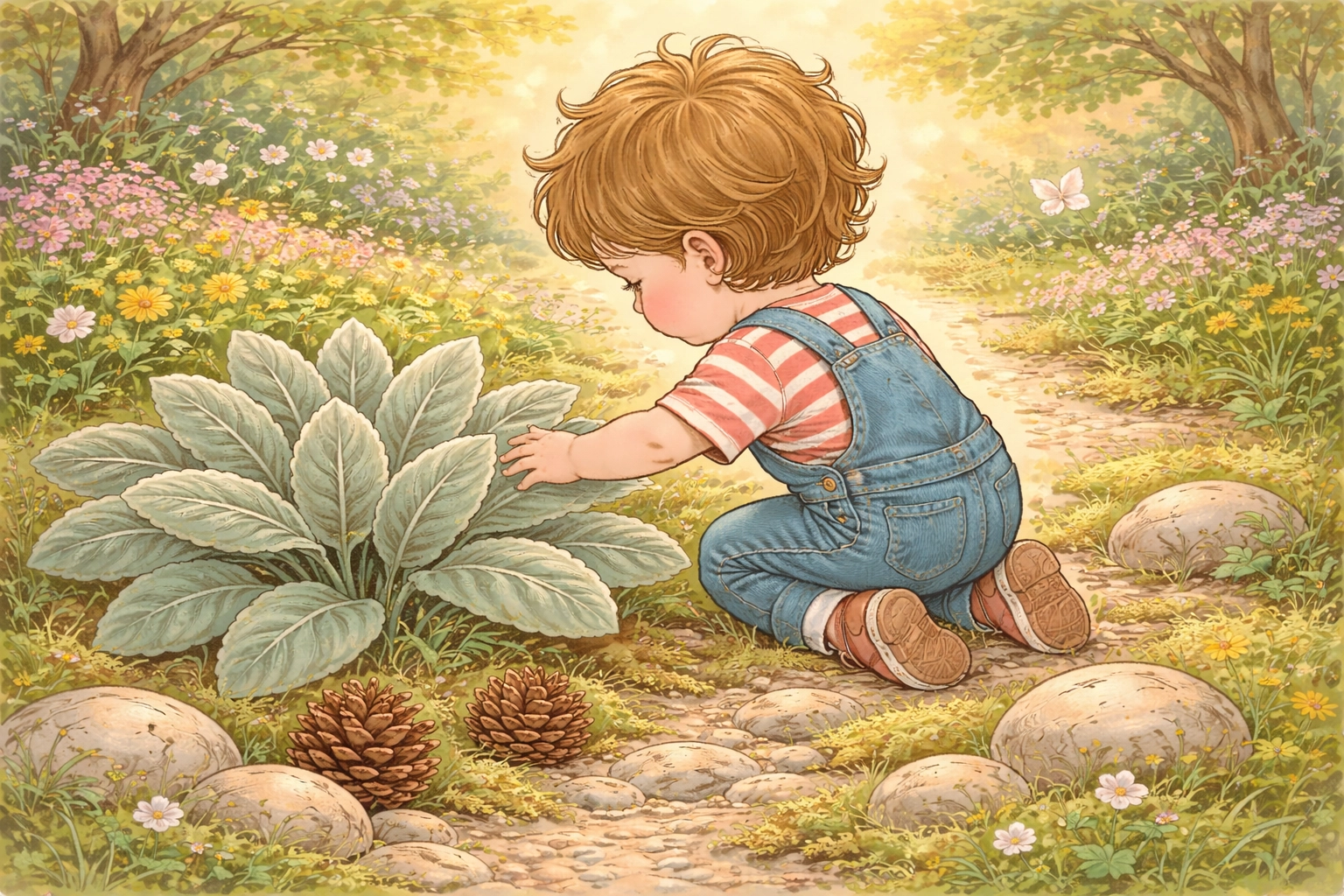
Kids learn through their fingertips. A texture garden gives them permission to touch everything, and that's the whole point.
What to plant:
- Lamb's ear – Those velvety, silver-green leaves feel like petting a bunny
- Dusty miller – Soft, fuzzy foliage that kids can't resist stroking
- Ornamental grasses – Feathery plumes that tickle palms
- Succulents – Smooth, rubbery leaves in fascinating shapes
What to add:
- Smooth river stones alongside rough bark chips
- Pinecones scattered along pathways
- A section of springy moss (kids will want to sit on it)
- Driftwood or weathered logs for natural contrast
Pro tip: Create a "texture trail" by lining a garden path with different materials, stepping stones, mulch, pea gravel, and soft grass. Walking barefoot becomes an adventure.
Ask your kids to close their eyes and guess what they're touching. You'll be surprised how quickly they learn to identify plants by feel alone.
2. The Sight Garden: Colors That Pop and Dance
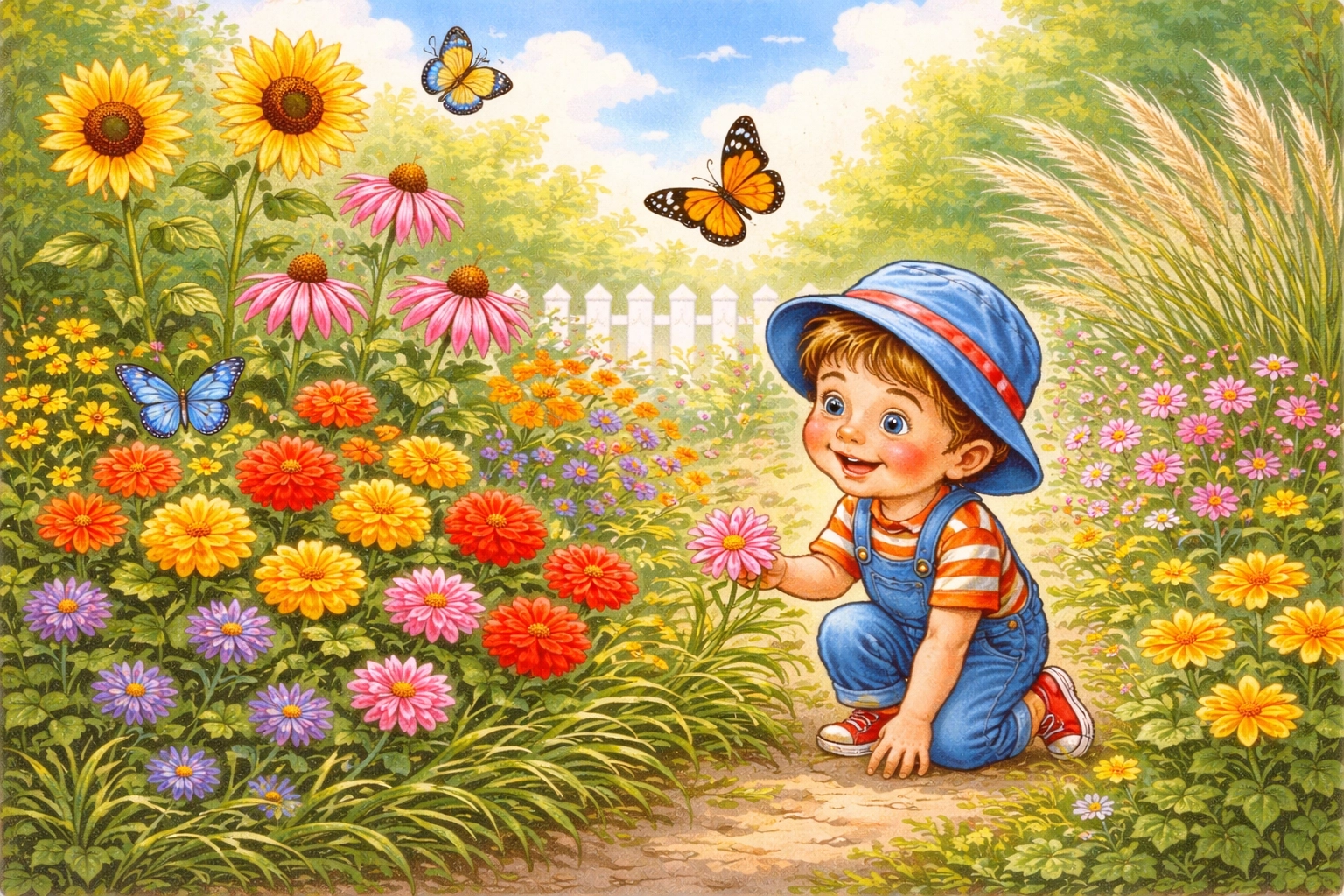
A sensory garden should be a visual feast. Think bold, saturated colors that catch young eyes and keep them looking.
What to plant:
- Marigolds and zinnias – Bright oranges, yellows, and reds that bloom all summer
- Purple coneflowers – Eye-catching purple petals with spiky orange centers
- Sunflowers – Nothing says "wow" like a flower taller than a kindergartner
- Coleus – Leaves in wild combinations of pink, purple, green, and red
What to add:
- Ornamental grasses that sway and shimmer in the breeze
- A gazing ball or colorful garden stakes
- Butterfly-attracting plants (monarchs and swallowtails add living color)
- Painted rocks or mosaic stepping stones the kids helped create
Design tip: Plant flowers in clusters of the same color rather than scattered singles. Bold groupings create more visual impact and help young children distinguish colors.
For year-round interest, choose plants that bloom at different times. Early spring bulbs give way to summer annuals, then fall mums keep the color going until frost.
3. The Sound Garden: Nature's Symphony
What does your garden sound like? Most people never think about it, but kids notice everything.
What to include:
- Wind chimes – Hang them at kid height so little hands can set them ringing
- Ornamental grasses – They rustle and whisper when the wind blows
- A small water feature – Even a solar-powered bubbler creates soothing trickling sounds
- A birdbath – Attracts songbirds that provide natural music
What to plant:
- Berry-producing shrubs that bring birds to the garden
- Seed-heavy flowers like coneflowers and black-eyed Susans (goldfinches love them)
- Bamboo or tall grasses that create gentle rattling sounds
Fun activity: After a rain, leave fallen leaves on one section of the path. The satisfying crunch underfoot is pure sensory gold for kids.
You can also DIY simple instruments, fill sealed containers with dried beans or rice and bury them partially in the garden for kids to discover and shake.
4. The Smell Garden: Scents That Spark Memories
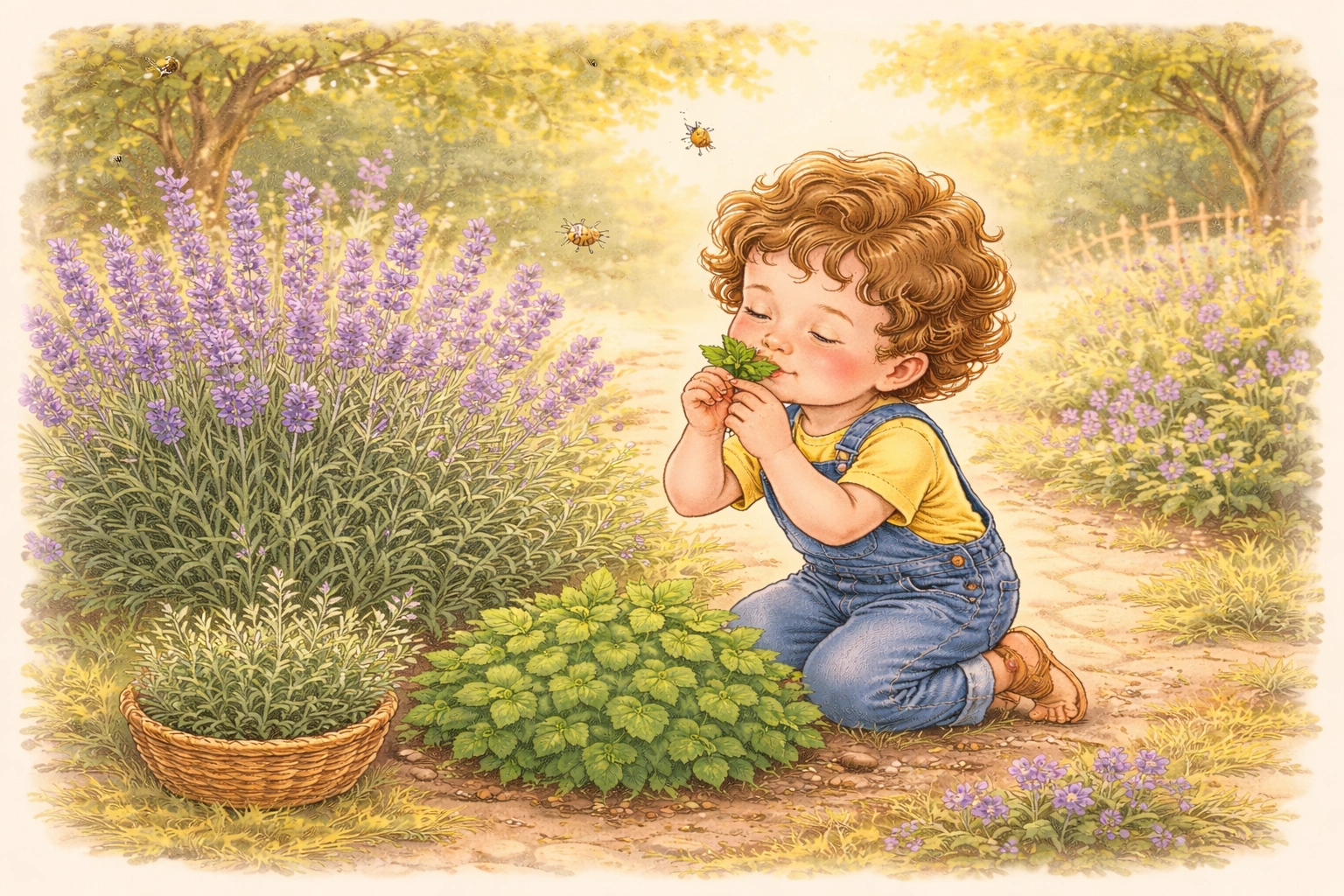
Our sense of smell connects directly to memory and emotion. The herbs and flowers your kids smell today will transport them back to childhood for the rest of their lives.
What to plant:
- Lavender – Calming, distinctive, and practically indestructible
- Mint – Plant it in a container (it spreads like wildfire otherwise)
- Rosemary – Piney and fresh, great for cooking later
- Lemon balm – Bright citrus scent that kids love to crush and sniff
- Chocolate cosmos – Yes, it actually smells like chocolate
What to add:
- Creeping thyme between stepping stones (releases scent when stepped on)
- Sweet alyssum as a border plant, honey-sweet fragrance
- A small section of pine bark mulch for that forest smell
Teaching moment: Have kids rub leaves gently between their fingers to release the oils. Create a "smell test" game where they guess herbs with their eyes closed.
The smell garden doubles as a kitchen garden. When kids grow the basil that goes into dinner, they're more likely to actually eat it.
5. The Taste Garden: Edibles They Grew Themselves
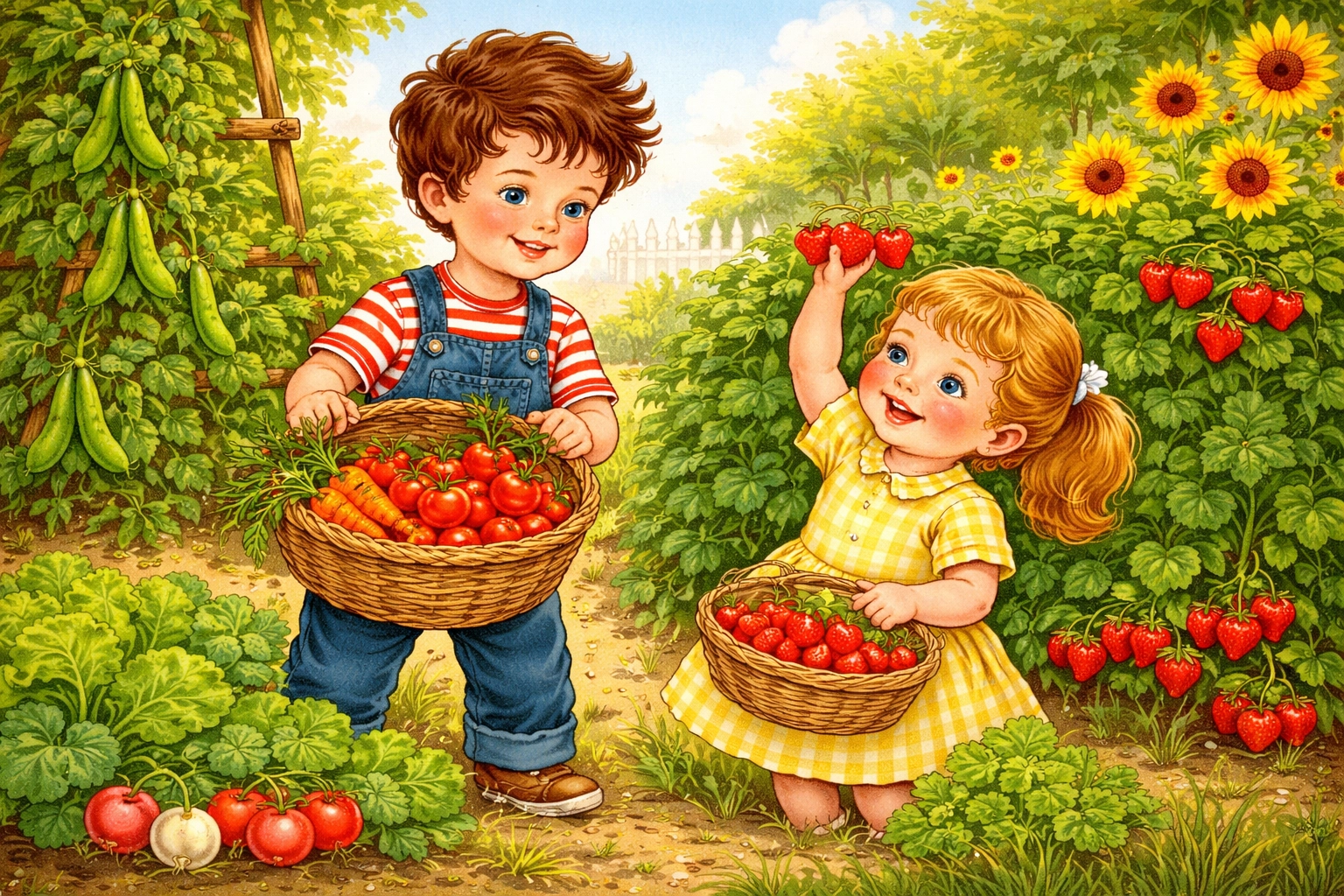
Here's where the magic really happens. When kids plant a seed, water it for weeks, and finally pop that first ripe cherry tomato in their mouth? That's a core memory being formed.
What to plant:
- Cherry tomatoes – Sweet, bite-sized, and prolific producers
- Strawberries – Nothing beats a sun-warmed strawberry straight from the plant
- Snap peas – Crunchy, sweet, and fun to pick
- Carrots – The excitement of pulling them from the soil never gets old
- Herbs – Basil, chives, and parsley for nibbling
What to add:
- Edible flowers like nasturtiums and pansies (yes, you can eat them)
- A small container of mint for making fresh lemonade
- Dwarf fruit trees if you have space: kid-height apples are incredible
Safety note: Make sure kids know the taste garden is the ONLY place they eat from. Clearly mark or fence this section so there's no confusion about what's safe to nibble.
If you're working with limited space, check out our guide on how to make a DIY kitchen scrap regrow garden for under $10 with your kids. It's a perfect starter project.
Getting Started: Keep It Simple
You don't need to build all five sensory stations at once. Start with one or two that excite your kids most, and expand from there.
Quick-start checklist:
- Pick a sunny spot (most sensory plants love full sun)
- Start with containers if you're short on space
- Let kids choose some of the plants: ownership builds engagement
- Add one non-plant element per sense (wind chimes, stones, water feature)
- Visit the garden daily, even for just five minutes
The goal isn't perfection. It's connection: to nature, to each other, and to the simple joy of growing things.
A sensory garden grows more than plants. It grows curious, confident, capable kids who understand where food comes from and how the natural world works. And honestly? It's pretty fun for the grown-ups too.
Now get out there and start planting.
FAQ: Sensory Garden Questions Parents Ask
- What are the best 'touch' plants for a sensory garden? Lamb's Ear is a favorite because it's soft and fuzzy like a bunny's ear. Succulents and ornamental grasses also provide great textures for kids to explore.
- How can we add 'sound' to our garden? Planting tall grasses that rustle in the wind or adding a simple bamboo wind chime can create a lovely, calming soundscape for your garden.
- Are all sensory garden plants safe to taste? No, you should only taste plants that you know are edible, like herbs, berries, or certain flowers. Always supervise kids and teach them to ask before they taste!
References:
- Research on sensory garden design for children's tactile and visual development
- Horticultural therapy studies on multi-sensory outdoor learning environments
- Early childhood development research on sensory integration through nature play