



Kids grow strawberries in small spaces by using containers, hanging baskets, or compact raised beds. No backyard required. A sunny windowsill works.
Strawberries rank among the easiest fruits for young gardeners. The plants stay small. The fruit appears fast. The cost stays low.
This guide covers everything needed to start a strawberry project for under $10.
Why Are Strawberries Good for Kids to Grow?
Strawberries require minimal maintenance.
Water them. Remove dead leaves. Watch them grow.
The plants produce fruit within weeks of flowering. Children see results quickly. Quick results sustain interest.
Key reasons strawberries work for ages 7–14:
- Plants stay compact
- Fruit appears in the first season
- No special tools required
- Safe to handle without gloves
- Edible reward at the end
Strawberries also return year after year. They are perennials. One planting leads to multiple harvests across seasons.
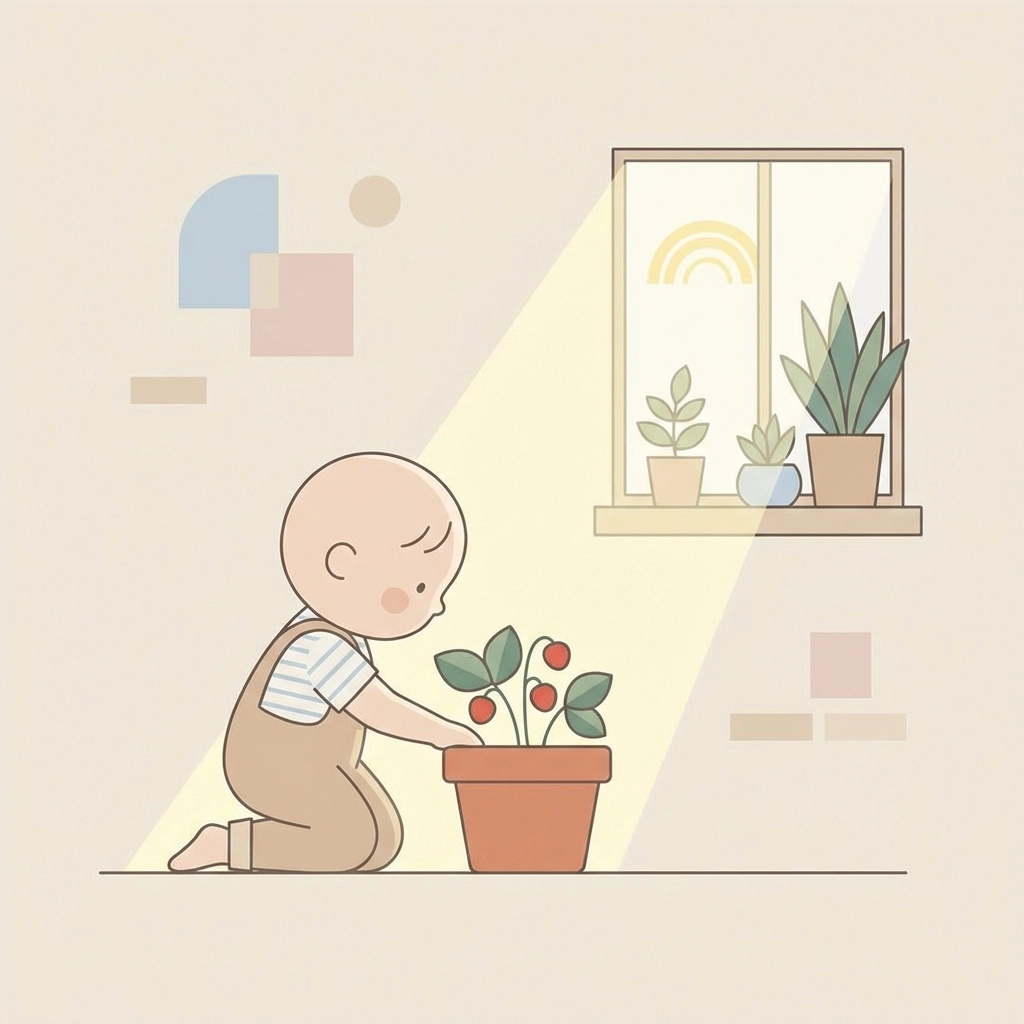
What Containers Work Best for Small-Space Strawberries?
Any container with drainage holes works.
Best options under $10:
- Plastic pots (6–12 inches wide)
- Recycled yogurt containers with holes punched in the bottom
- Hanging baskets from discount stores
- Repurposed buckets
- Windowsill planters
Strawberry roots stay shallow. Deep containers are unnecessary. A depth of 6–8 inches provides enough room.
Hanging baskets save floor space. They also keep fruit away from pests.
What Supplies Are Needed?
The full supply list stays simple and affordable.
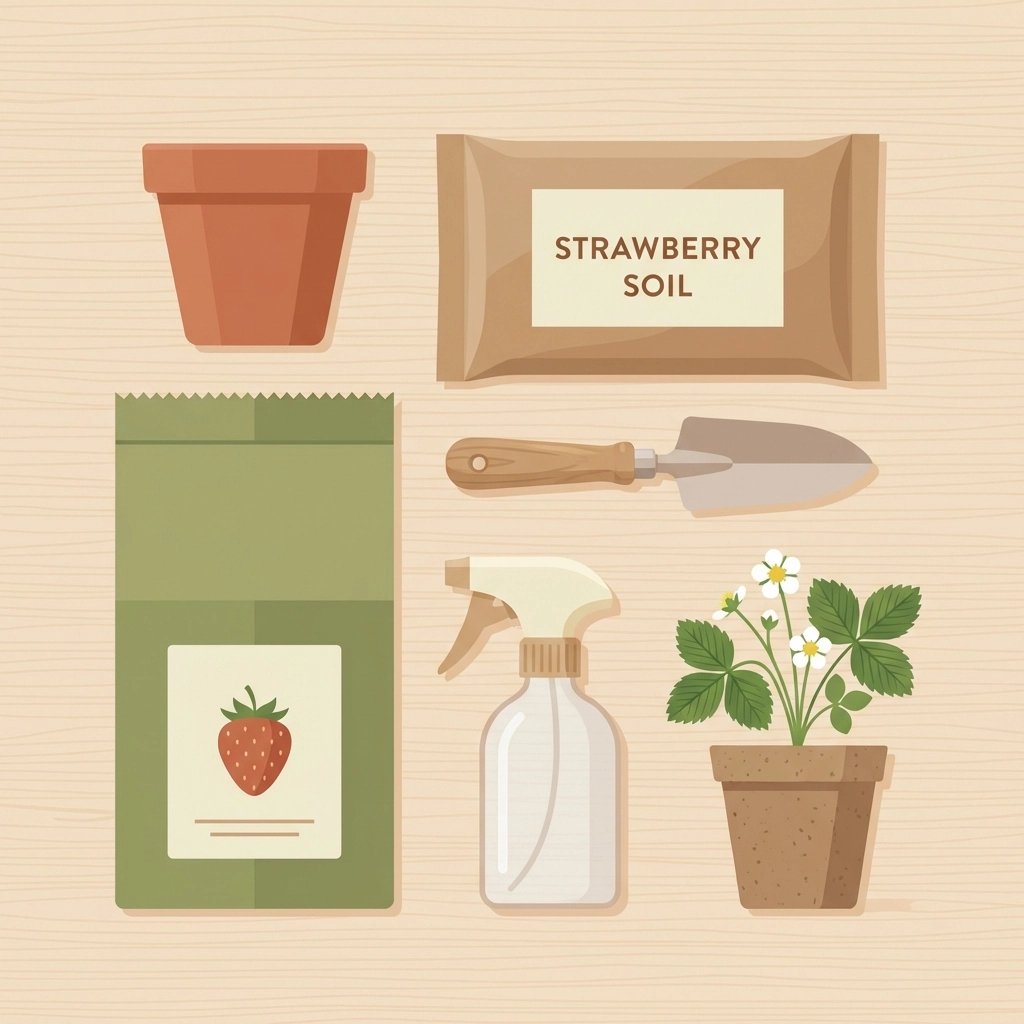
Materials:
- Container with drainage holes
- Potting soil (avoid garden soil)
- Strawberry plant or seeds
- Watering can or spray bottle
- Small trowel or spoon
Estimated cost breakdown:
| Item | Approximate Cost |
|---|---|
| Plastic pot | $1–$3 |
| Potting soil (small bag) | $3–$5 |
| Strawberry starter plant | $2–$4 |
| Total | $6–$10 |
Seeds cost less than starter plants. Starter plants produce fruit faster.
How Much Sun Do Strawberries Need?
Strawberries need 8 or more hours of direct sunlight daily.
South-facing windows provide the best indoor light. East or west-facing windows work with reduced yield.
Outdoor placement on a balcony, patio, or porch works well. The container stays portable. Move it to follow the sun.
Low light produces fewer berries. The plant survives but underperforms.
What Type of Soil Do Strawberries Prefer?
Strawberries thrive in well-drained soil with a pH between 5.5 and 6.8.
Standard potting mix from any garden center meets these requirements.
Avoid using dirt from the yard. Garden soil compacts in containers. It drains poorly. It may contain pests.
Adding a handful of compost improves growth. Compost is optional but beneficial.
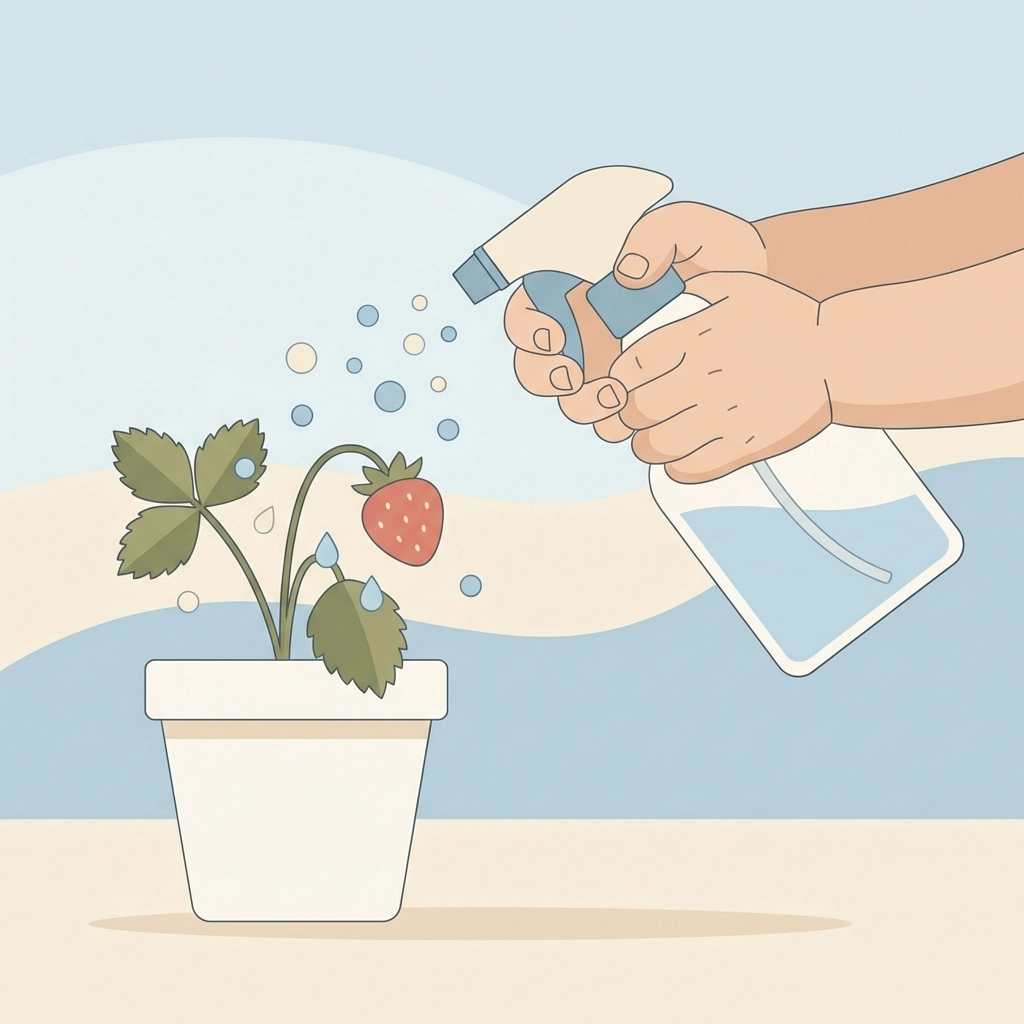
How Often Should Kids Water Strawberry Plants?
Water every 2–3 days under normal conditions.
Water daily during hot weather or if the container sits in direct sun for extended periods.
Signs of underwatering:
- Wilting leaves
- Dry soil surface
- Crispy leaf edges
Signs of overwatering:
- Yellowing leaves
- Soggy soil
- Mold on soil surface
The soil should feel moist but not wet. A finger pressed one inch into the soil tests moisture level.
Can Strawberries Grow Indoors Year-Round?
Yes.
Indoor strawberries produce fruit with adequate light. A sunny windowsill works for small-scale growing.
Grow lights extend the growing season. They are not required for a basic project but help during winter months.
Alpine strawberry varieties perform best indoors. They tolerate lower light conditions. They produce smaller but flavorful berries.
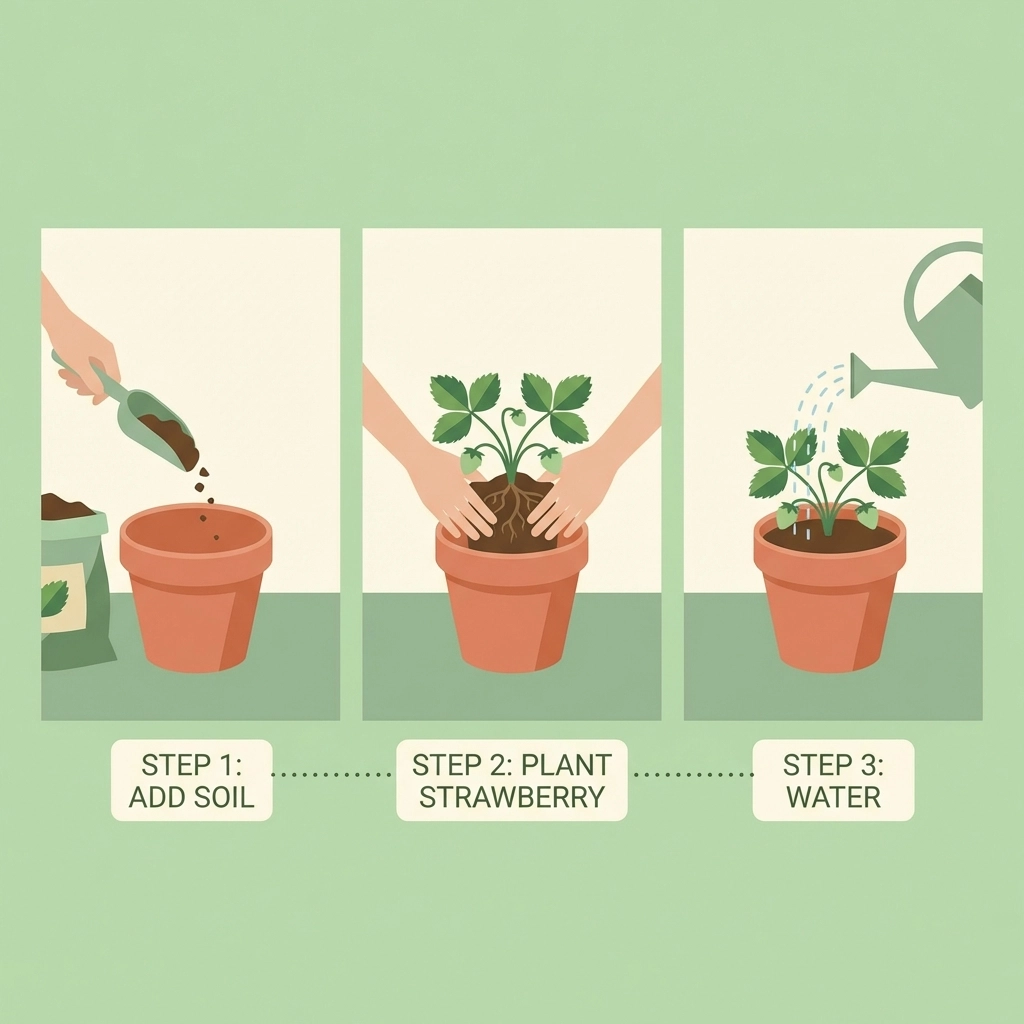
What Are the Steps to Plant Strawberries in a Container?
Follow this sequence.
Step 1: Prepare the container
- Ensure drainage holes exist
- Place a coffee filter or small rocks over holes to prevent soil loss
Step 2: Add soil
- Fill container to 1 inch below the rim
- Leave space for watering
Step 3: Plant the strawberry
- Dig a small hole in the center
- Place the plant so the crown (where stems meet roots) sits at soil level
- Do not bury the crown
- Do not expose roots above soil
Step 4: Water thoroughly
- Soak the soil until water drains from the bottom
- Let excess water drain completely
Step 5: Place in sunlight
- Position where the plant receives 8+ hours of light
How Long Until Strawberries Produce Fruit?
Starter plants produce flowers within 4–6 weeks of planting.
Fruit appears 4–6 weeks after flowering.
Seeds take longer. Germination requires 4–6 weeks. Add growing time after that.
Timeline summary:
| Starting Method | Time to First Fruit |
|---|---|
| Starter plant | 8–12 weeks |
| Seeds | 16–20 weeks |
Starter plants deliver faster gratification. Seeds cost less but require patience.
What Safety Considerations Apply?
Strawberry gardening presents minimal risks for children ages 7–14.
Safety notes:
- Wash hands after handling soil
- Wash berries before eating
- Avoid pesticides on edible plants
- Supervise use of any sharp tools
- Keep containers stable to prevent tipping
No toxic materials are involved. No power tools required. The project remains hands-on and low-risk.
How Can One Strawberry Plant Become Many?
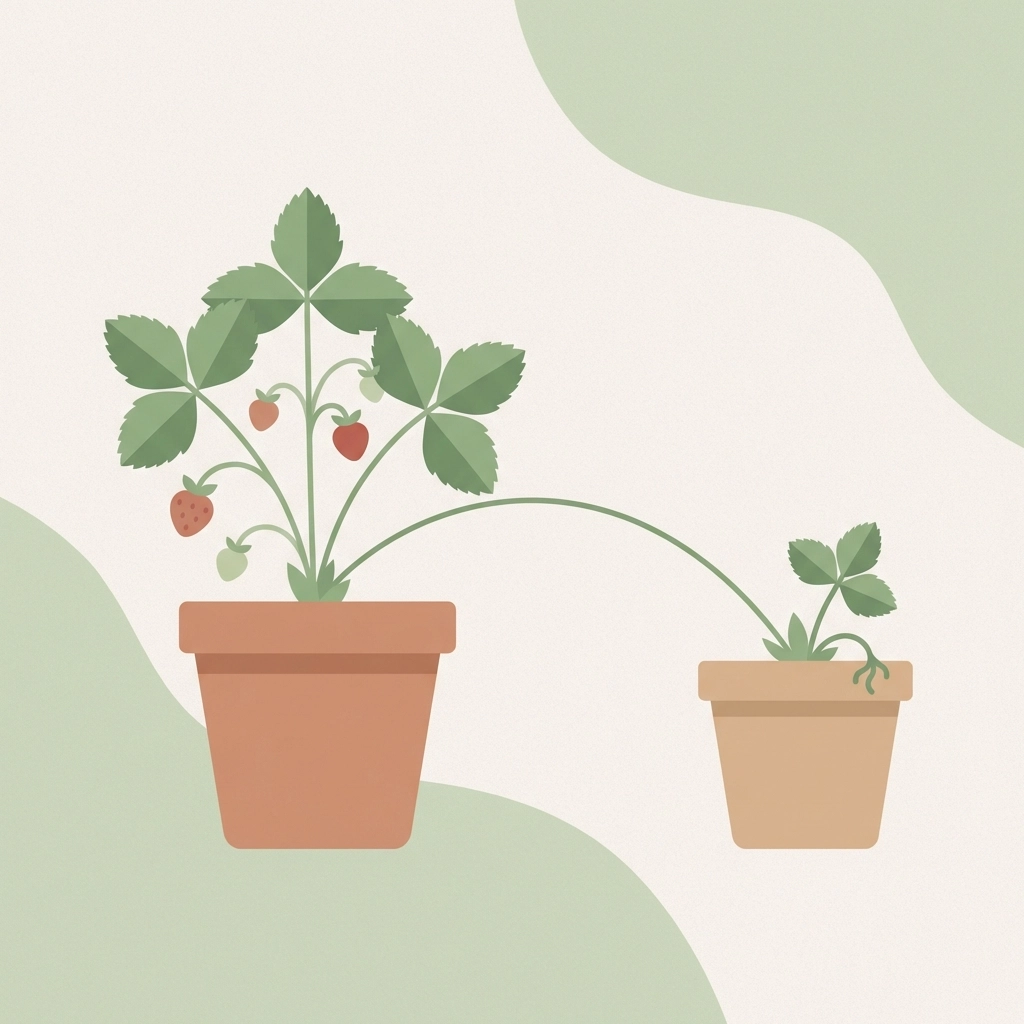
Strawberry plants produce runners.
Runners are long stems that grow outward from the main plant. Small plantlets form at the end of runners.
These plantlets root in soil and become independent plants.
To propagate:
- Allow runner to touch soil in a nearby container
- Wait for roots to develop (2–3 weeks)
- Cut the runner connecting the new plant to the parent
One plant becomes two. Two become four. A small investment multiplies over time.
What Problems Might Occur?
Common issues have simple solutions.
| Problem | Cause | Solution |
|---|---|---|
| No flowers | Insufficient light | Move to sunnier location |
| Yellow leaves | Overwatering | Reduce watering frequency |
| Small berries | Crowded roots | Transplant to larger container |
| Pests (aphids) | Natural occurrence | Rinse leaves with water |
Most problems resolve with minor adjustments. Strawberries are forgiving plants.
References
- University of Minnesota Extension. "Growing Strawberries in the Home Garden."
- National Gardening Association. "Strawberry Growing Guides for Beginners."
- Cornell Cooperative Extension. "Small Fruit Production for the Home Garden."
- USDA Plant Hardiness Zone Map and Growing Recommendations.
- American Horticultural Society. "Container Gardening with Edibles."
Final Notes
Growing strawberries in small spaces teaches plant biology, responsibility, and patience.
The project costs under $10. The materials are accessible. The process is safe.
A single container on a windowsill produces real, edible fruit. Results appear within weeks.
This is gardening made simple for young hands.
Disclaimer: This content is published by Tierney Family Farms for educational purposes. Supervise children during all gardening activities.