




A backyard insect safari kit transforms any outdoor space into an exploration zone.
No travel required.
No special skills needed.
The tools fit in a small bag. The discoveries last a lifetime.
This project works for all ages. Young learners gain hands-on science experience. Older explorers refine observation techniques. Everyone develops a sharper eye for the natural world.
Building the kit is half the adventure.
What Is a Backyard Insect Safari Kit?
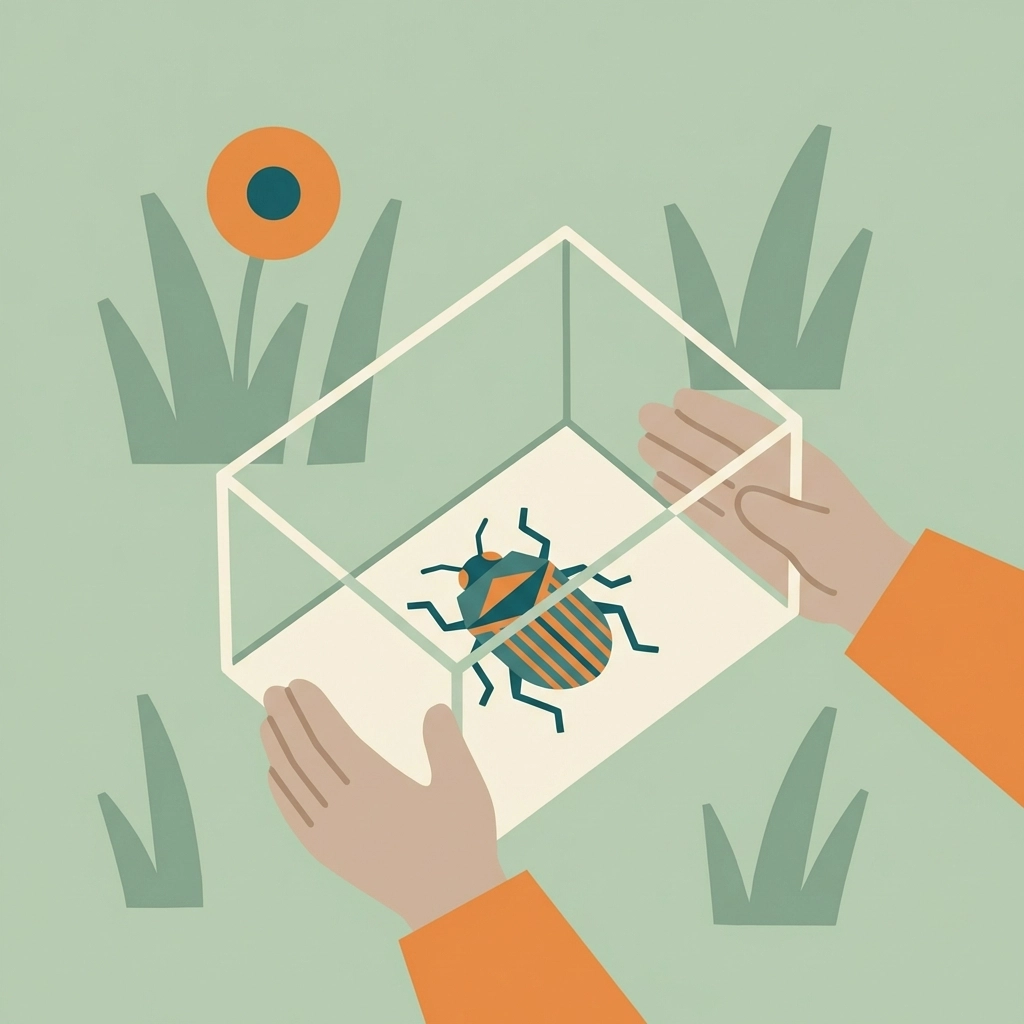
A collection of simple tools designed for catching, observing, and releasing insects safely.
The kit enables close-up study of creatures that often go unnoticed. Ants. Beetles. Moths. Spiders. Caterpillars. Each backyard hosts dozens of species.
Safari kits exist in two forms:
- Pre-made kits purchased online or at nature stores
- DIY kits assembled from household materials
The DIY approach adds a creative layer. Building tools reinforces understanding of how they work. Personalization increases engagement.
Both options produce the same result: a portable science station for outdoor discovery.
What Tools Belong in an Insect Safari Kit?
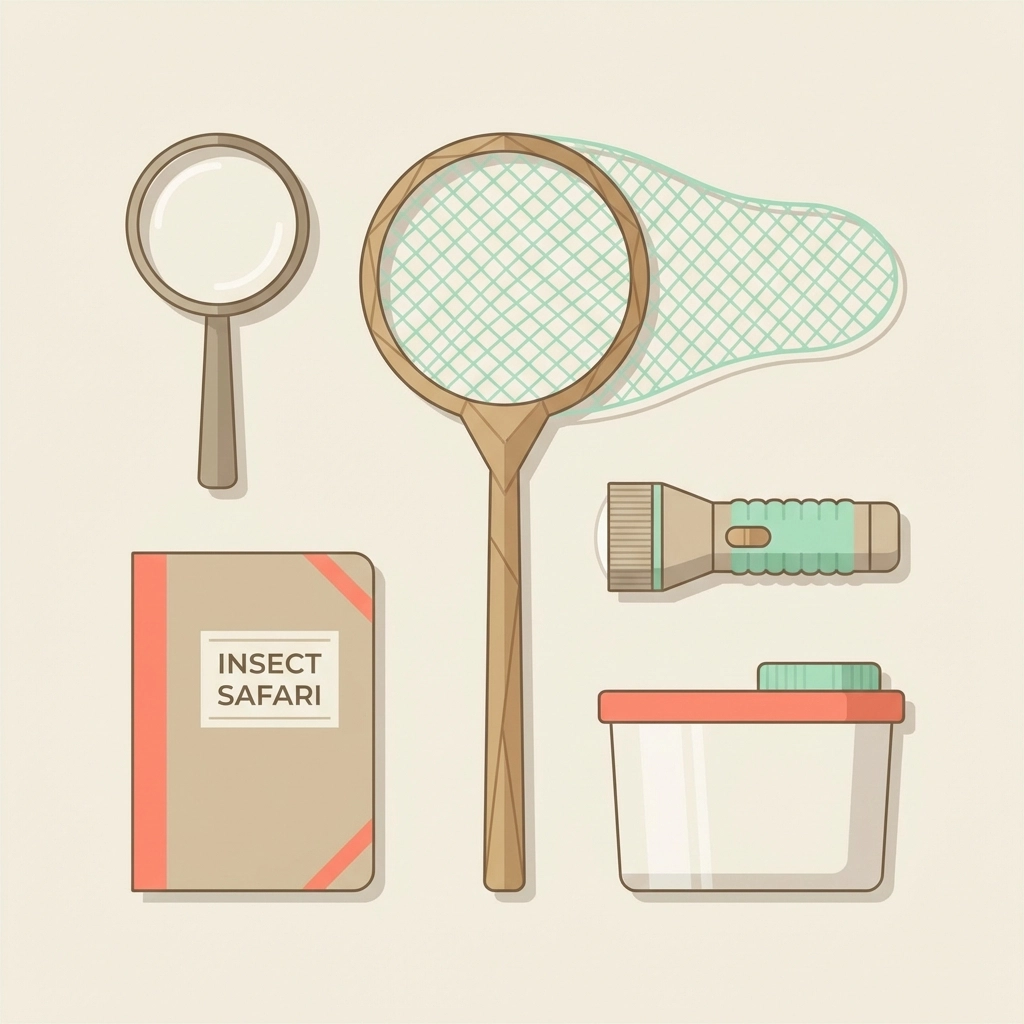
Every kit needs six core items.
Magnifying Glass or Hand Lens
The most important tool.
A magnifying glass reveals details invisible to the naked eye. Wing patterns. Leg segments. Eye structures. Antenna shapes.
Magnification between 3x and 10x works best for insect study. Higher magnification requires steadier hands and closer positioning.
Glass lenses provide clearer images than plastic. Plastic lenses scratch easily but survive drops better.
Insect Catching Container
A clear container with ventilation holes.
The container allows observation without harming the insect. Removable lids make transfer easier. Vented ends provide airflow during temporary holding.
Mason jars work. Plastic food containers work. Purpose-built bug viewers with built-in magnification work best.
Size matters. Small containers suit individual insects. Larger containers allow observation of behavior and movement patterns.
Butterfly Net
Essential for catching flying insects.
Nets extend reach. They capture without crushing. Mesh allows air through while preventing escape.
Store-bought nets feature lightweight frames and fine mesh. DIY nets use wire hangers, wooden dowels, and mesh fabric.
Net technique improves with practice. Sweep from below. Close the net opening quickly. Transfer the catch gently.
Forceps or Soft Brushes
For safe insect transfer.
Fingers can damage delicate wings and legs. Forceps with rubber tips provide grip without pressure. Soft paintbrushes guide insects into containers without contact.
These tools protect both the observer and the observed.
Flashlight
Opens up nighttime exploration.
Many insects are nocturnal. Moths. Certain beetles. Fireflies. Crickets.
A flashlight reveals activity invisible during daylight hours. Red-filtered light disturbs insects less than white light.
Headlamps free both hands for catching and observing.
Field Notebook
Records every discovery.
A notebook transforms casual observation into scientific practice. Date. Time. Location. Weather conditions. Species observed. Behavior noted.
Sketching reinforces visual memory. Written descriptions build vocabulary. Data collected over time reveals patterns.
The notebook becomes a personal field guide.
How to Build DIY Safari Kit Tools
Purchasing tools is straightforward. Building them adds educational value.
DIY Magnifying Glass
Materials needed:
- Clear plastic bottle
- Water
- Scissors
Cut a curved section from the bottle. Fill the curve with water. Surface tension creates a lens effect.
The magnification is modest. The physics lesson is significant.
DIY Butterfly Net
Materials needed:
- Wire hanger or flexible branch
- Wooden dowel or stick
- Mesh fabric or old sheer curtain
- Tape or string
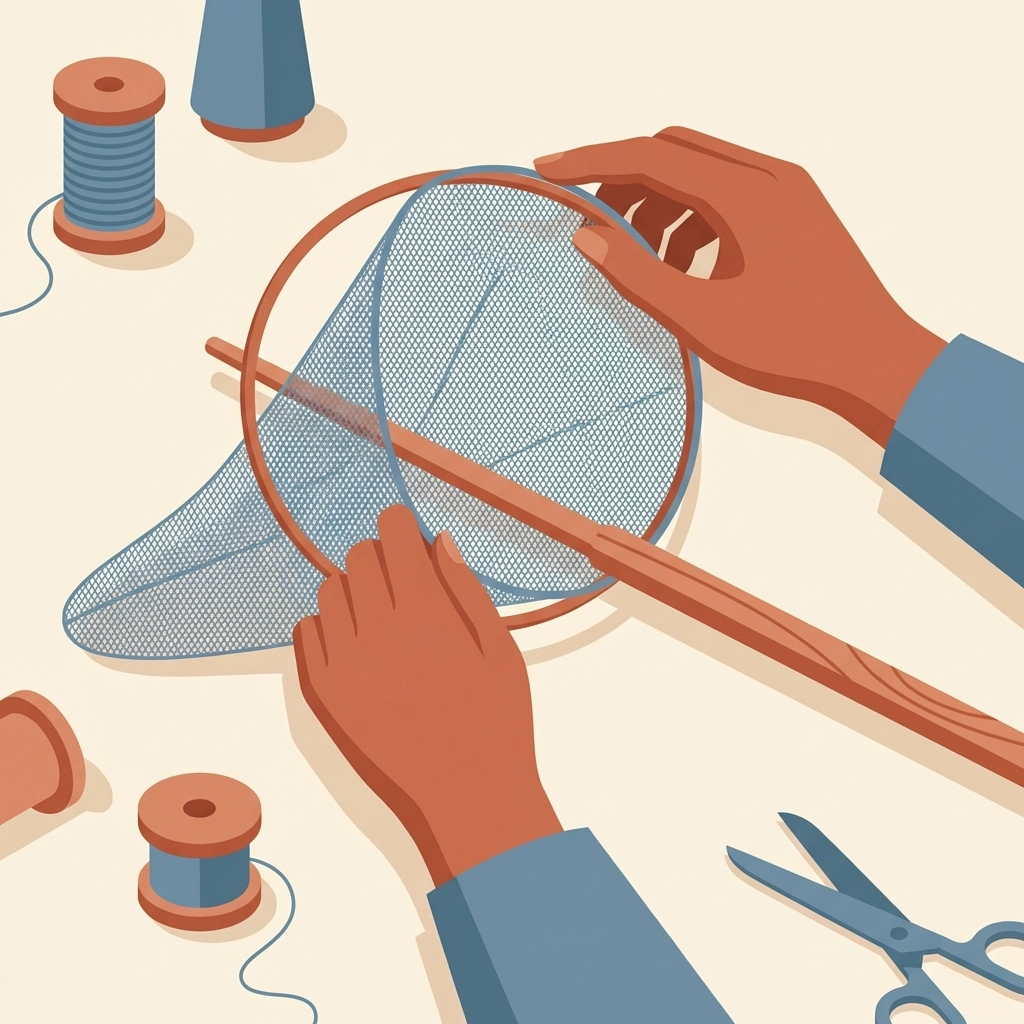
Bend the wire into a circle. Attach to the dowel handle. Sew or tape the mesh into a bag shape. Secure the bag opening around the wire frame.
Durability depends on construction quality. Reinforced seams last longer.
DIY Bug Viewer
Materials needed:
- Two clear plastic cups
- Plastic wrap
- Rubber band
- Pin or needle
Place the insect in one cup. Cover with plastic wrap secured by rubber band. Poke small air holes with the pin.
The second cup inverts over the first for added security during transport.
DIY Field Notebook
Materials needed:
- Cardboard for covers
- Paper sheets
- Hole punch
- String or binder rings
Cut cardboard to desired size. Stack paper sheets between covers. Punch holes along one edge. Thread string or insert rings.
Personalization encourages use. Decorated covers. Custom sections. Dedicated pages for different insect types.
What Optional Gear Enhances the Experience?
Beyond the core six tools, additional items expand capabilities.
- Binoculars – for observing insects on high branches or across distances
- Compass – for recording observation locations and navigating larger properties
- Measuring tape – for documenting insect sizes and habitat dimensions
- Camera or smartphone – for photo documentation
- Insect identification guide – printed or digital reference material
- Collection bags – for gathering habitat samples like leaves, bark, or soil
- Safari vest – pockets keep tools accessible
- Sun hat – protection during extended outdoor sessions
Young learners enjoy costume elements. A pith helmet made from a paper plate. A vest decorated with nature badges. These additions increase enthusiasm without affecting scientific value.
Where to Conduct a Backyard Insect Safari?
Every outdoor space contains insect life.
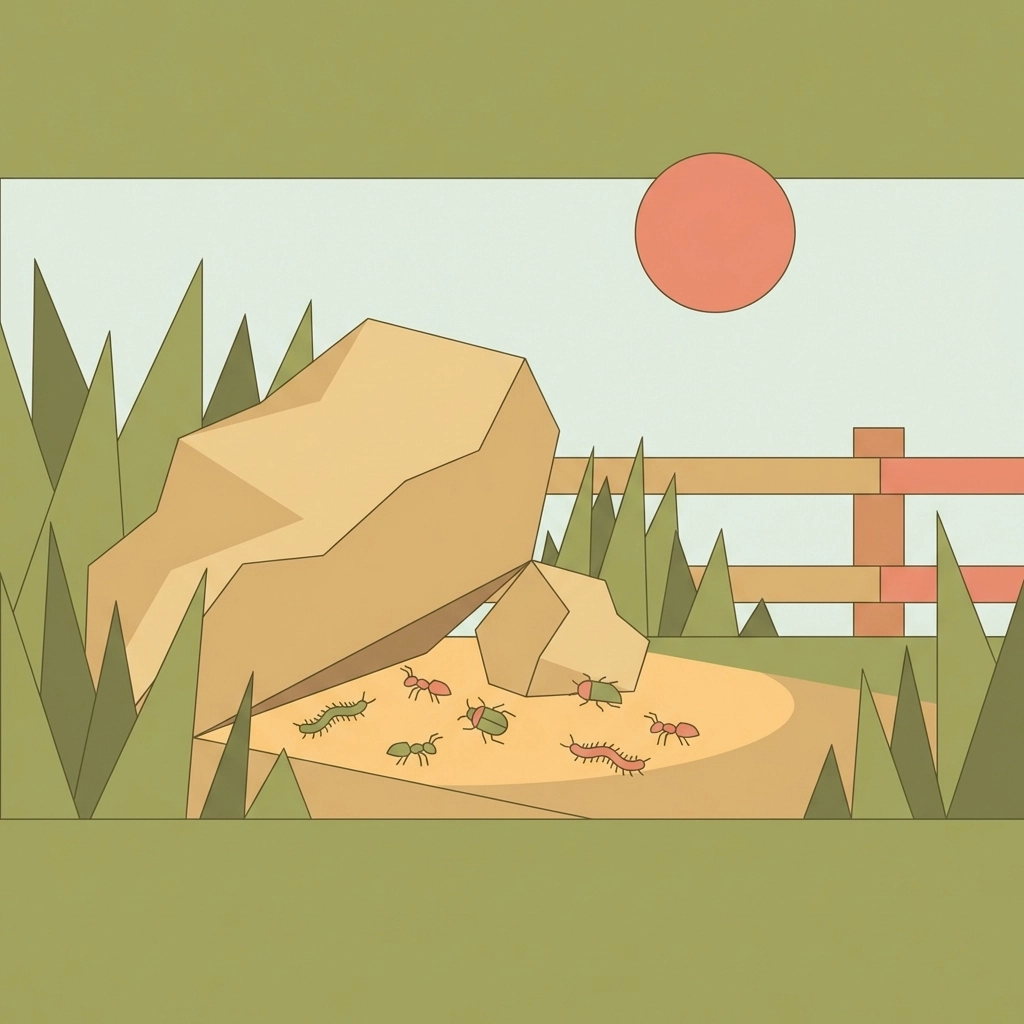
High-activity zones:
- Under rocks and logs
- Near flowering plants
- Along fence lines and walls
- Around compost areas
- In tall grass and leaf litter
- Near water sources
- Under outdoor lights at night
Different zones host different species. Rotating locations prevents repetitive findings.
Time of day affects activity. Early morning reveals dew-covered webs and sluggish insects. Midday brings pollinators to flowers. Evening activates nocturnal species.
Seasonal changes shift populations. Spring brings emergence. Summer peaks activity. Fall triggers migration and preparation. Winter reduces but does not eliminate insect presence.
What Safety Practices Apply?
Insect observation carries minimal risk when conducted properly.
For the observer:
- Avoid handling insects directly
- Learn to identify stinging species in the local area
- Wear closed-toe shoes in tall grass
- Check for ticks after ground-level exploration
- Wash hands after handling soil or decaying material
For the insects:
- Limit containment time to 15 minutes or less
- Keep containers shaded and ventilated
- Handle with tools, not fingers
- Release insects where they were found
- Avoid collecting protected or endangered species
Observation without collection remains the safest approach. Catch-and-release practices allow study while minimizing impact.
How Does This Project Support Learning?
Insect safari kits deliver multiple educational outcomes.
Scientific observation skills:
- Identifying physical characteristics
- Noting behavioral patterns
- Recording environmental conditions
- Comparing species differences
Research methodology:
- Forming questions before observation
- Documenting findings systematically
- Drawing conclusions from evidence
- Revising understanding based on new data
Environmental awareness:
- Understanding ecosystem roles
- Recognizing biodiversity indicators
- Appreciating pollinator importance
- Observing food chain relationships
Practical skills:
- Tool construction and maintenance
- Patience and focus development
- Fine motor coordination
- Outdoor navigation
The kit serves as entry point. Deeper study follows naturally.
What Comes After the First Safari?
One expedition leads to many.
Repeat visits to the same location track population changes. Different seasons reveal different species. Night safaris contrast with daytime findings.
Advanced projects emerge:
- Mapping insect habitats across a property
- Photographing and cataloging every species found
- Comparing urban and rural insect populations
- Tracking specific species over months
The backyard becomes a living laboratory.
The safari kit makes it accessible.