




What Attracts Pests to Tomato Plants?
Stressed plants attract pests.
Tomatoes under environmental stress release chemical signals. Insects detect these signals. They target the weakest plants first.
Common stress factors include:
- Inconsistent watering
- Poor air circulation
- Nutrient deficiencies
- Temperature extremes
- Overcrowding
Healthy tomatoes resist pests naturally. Prevention starts with plant health, not pesticides.
What Are the Most Common Tomato Pests?
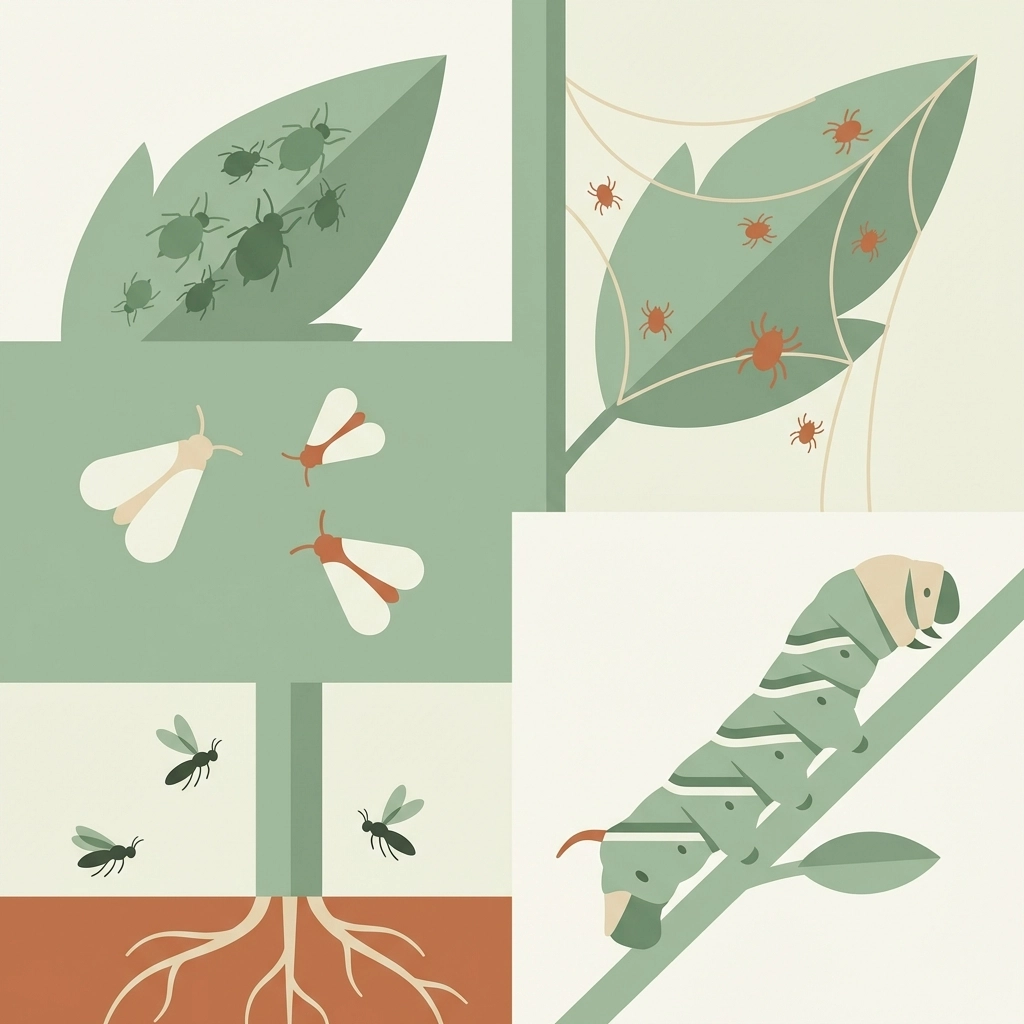
Five pests cause most tomato damage in home gardens.
Aphids cluster on new growth. Small, soft-bodied, green or black. They suck plant sap and excrete sticky honeydew.
Spider mites create fine webbing on leaf undersides. Barely visible without magnification. Leaves develop yellow stippling before dropping.
Whiteflies scatter when plants are disturbed. Tiny white moths congregate under leaves. They spread viral diseases between plants.
Tomato hornworms strip foliage overnight. Large green caterpillars with white stripes. Hard to spot despite their size due to camouflage.
Fungus gnats affect hydroponic and container systems primarily. Small black flies hover near growing medium. Larvae damage roots.
Do Hydroponic Tomatoes Get Fewer Pests?
Yes. Hydroponic systems eliminate soilborne pests entirely.
No soil means no root maggots. No cutworms. No nematodes. This removes an entire category of pest problems.
Hydroponic advantages include:
- Controlled indoor environment
- No weed competition harboring insects
- Easier monitoring of plant health
- Reduced disease transmission
The tradeoff: enclosed spaces can amplify certain pests. Aphids and whiteflies spread quickly in indoor growing rooms. Early detection matters more.
How Often Should Tomato Plants Be Checked for Pests?
Scout plants twice weekly minimum.
Morning inspections work best. Pests are less active. Easier to spot on leaves.
Check these areas:
- Undersides of leaves (spider mites, whiteflies)
- New growth tips (aphids)
- Stem joints (scale insects)
- Growing medium surface (fungus gnats)
- Fruit clusters (stink bugs, hornworms)
Yellow sticky traps provide passive monitoring. Place them at plant height. Replace every two weeks. Check traps during each inspection.
Early detection prevents infestations. A few aphids become thousands within days.
What Prevention Methods Work for Soil-Grown Tomatoes?
Sanitation prevents most pest problems in soil gardens.
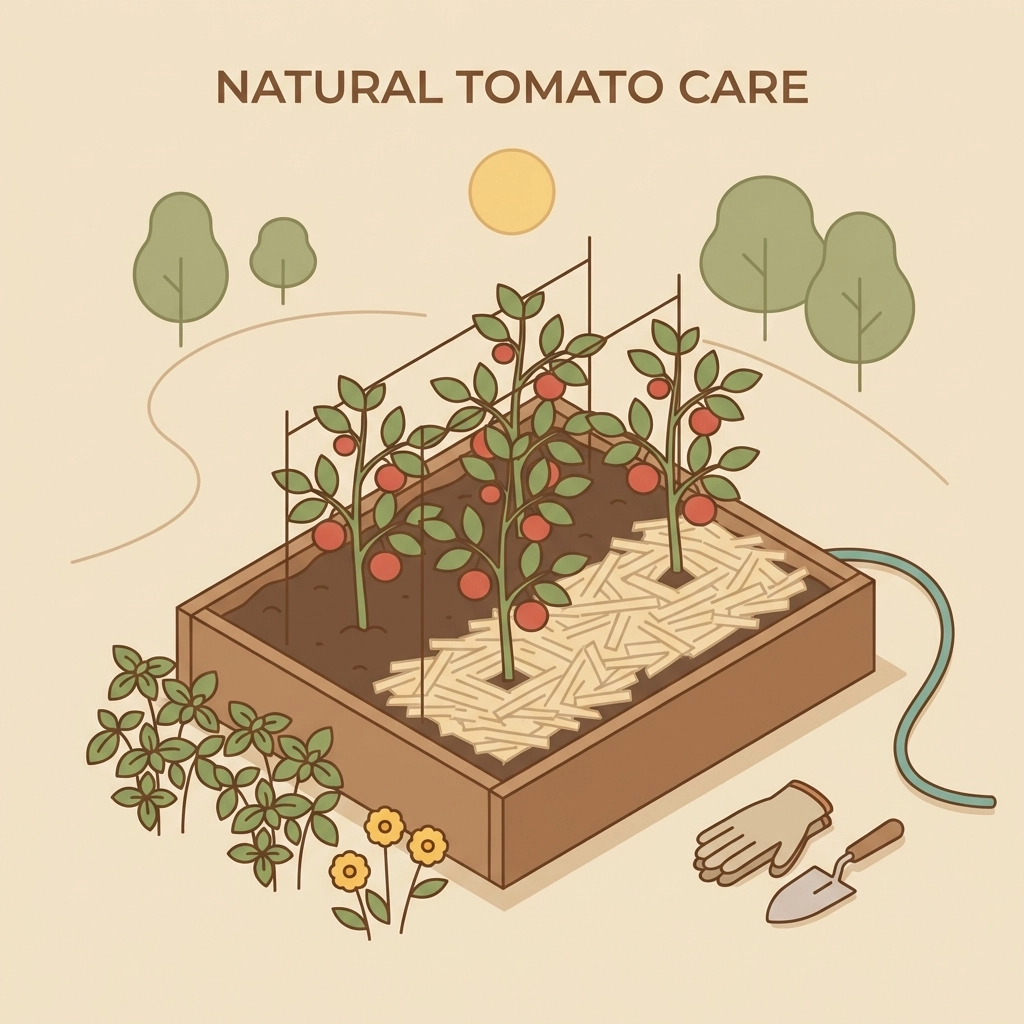
Remove dead leaves immediately. Clear fallen fruit. Pull weeds within three feet of tomato plants. Debris shelters pests and diseases.
Companion planting deters certain insects:
- Basil repels aphids and whiteflies
- Marigolds deter nematodes and whiteflies
- Nasturtiums attract aphids away from tomatoes
Crop rotation breaks pest cycles. Avoid planting tomatoes where nightshades grew the previous year. This includes peppers, eggplants, and potatoes.
Mulching with straw or wood chips creates a barrier. Reduces soil splash onto leaves. Limits fungal spore transmission.
Raised beds and containers offer additional control. Fresh potting mix each season eliminates overwintering pests.
What Prevention Methods Work for Hydroponic Tomatoes?
Environmental control prevents hydroponic pest problems.
Humidity management is critical. Keep levels below 85%. High humidity encourages fungal growth and attracts pests. Use dehumidifiers or increase air circulation.
Air filtration stops pests from entering. HEPA filters on intake vents block insect entry. Positive pressure systems push air out rather than drawing pests in.
Quarantine protocols protect established plants. New plants stay isolated for two weeks. Inspect thoroughly before introducing to the main growing area.
System cleanliness prevents pest establishment:
- Sanitize reservoirs between crops
- Disinfect growing media or replace entirely
- Clean tools with isopropyl alcohol
- Remove algae from system surfaces
Algae attracts fungus gnats. Eliminate light exposure to nutrient solution. Use opaque containers and covers.
What Are Safe, Family-Friendly Pest Treatments?
Start with physical removal. Safest option for households with children and pets.
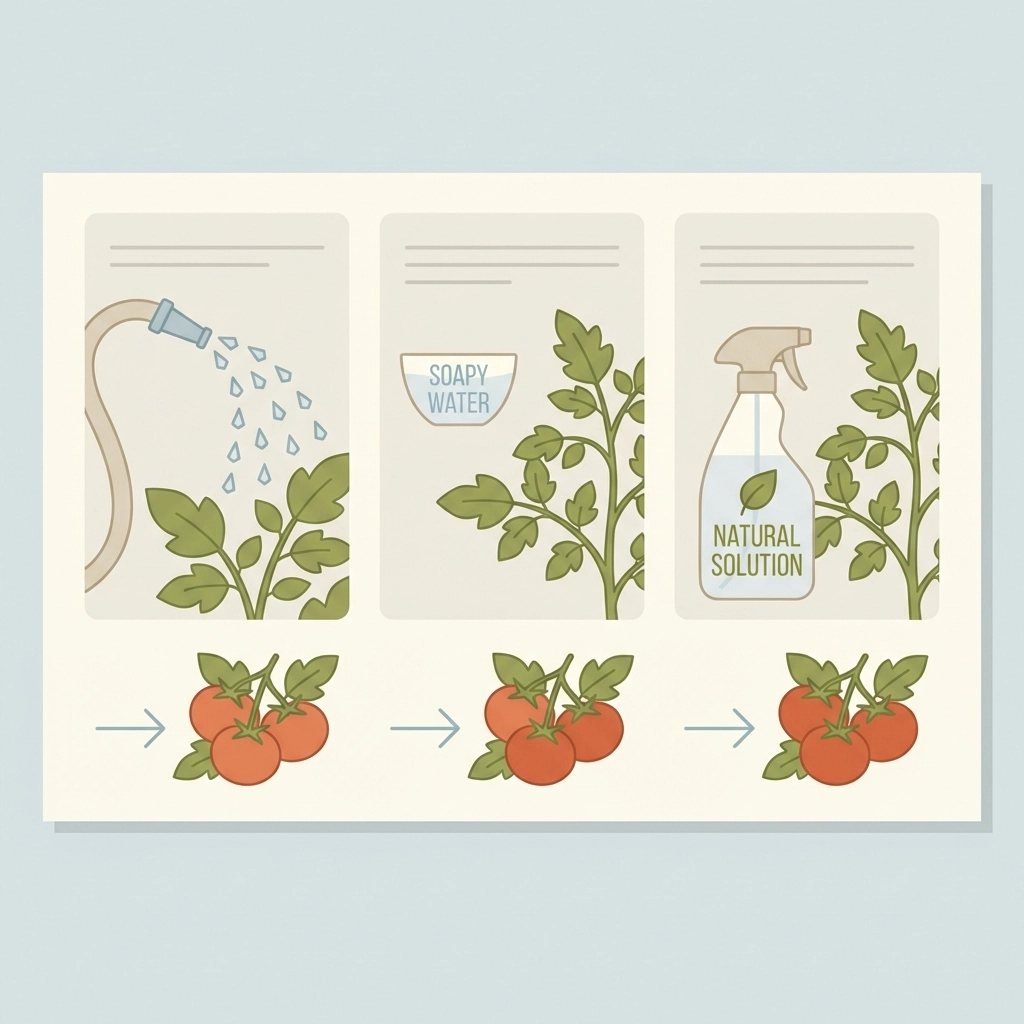
Water spray knocks off soft-bodied pests. Strong stream from garden hose. Targets aphids, spider mites, whiteflies. Repeat every three days until clear.
Hand picking removes larger pests. Hornworms drop into soapy water. Check plants at dusk when caterpillars feed actively.
Insecticidal soap kills on contact. Safe for food crops. Breaks down quickly in environment. Available at garden centers or make at home:
- 1 tablespoon pure castile soap
- 1 quart water
- Spray directly on pests
Avoid dish soap with degreasers or antibacterial agents. These damage plant tissue.
Does Neem Oil Actually Work on Tomato Pests?
Yes. Neem oil disrupts insect feeding and reproduction.
Derived from neem tree seeds. Approved for organic gardening. Works against aphids, whiteflies, spider mites, and many other pests.
Application method matters:
- Mix according to package directions
- Apply in evening to prevent leaf burn
- Coat all leaf surfaces including undersides
- Reapply every 7-14 days
- Stop use two weeks before harvest
Neem works through multiple mechanisms. Insects stop feeding. Larvae fail to develop. Adults lose reproductive ability.
Not instant. Takes several days to see results. Works better as prevention than cure for heavy infestations.
How Do Beneficial Insects Help Control Tomato Pests?
Beneficial insects eat pest insects. Natural pest control without chemicals.
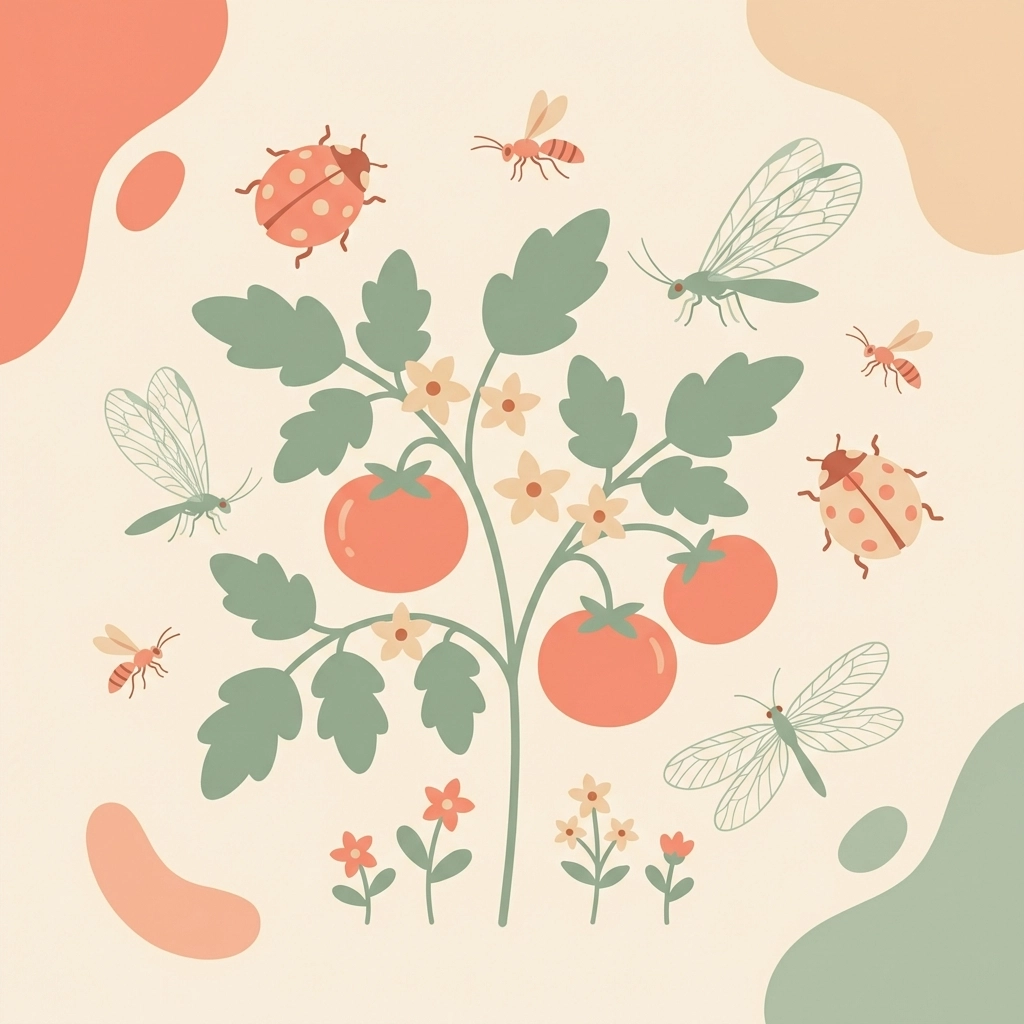
Ladybugs consume up to 50 aphids daily. Both adults and larvae are predators. Release at dusk near infested plants.
Green lacewings target aphids, mites, and whitefly eggs. Larvae are aggressive hunters. Adults feed on nectar.
Parasitic wasps lay eggs inside pest insects. Tiny, non-stinging species. Target aphids, whiteflies, and hornworms.
Creating habitat keeps beneficials present:
- Plant flowering herbs nearby
- Provide water sources
- Avoid broad-spectrum pesticides
- Tolerate small pest populations as food source
Beneficial insects work better outdoors. Indoor hydroponic systems rarely sustain beneficial populations long-term.
What Environmental Conditions Discourage Tomato Pests?
Optimal growing conditions create natural pest resistance.
Temperature: 65-85°F during day. Spider mites thrive in hot, dry conditions. Lower temperatures slow their reproduction.
Humidity: 40-70% ideal range. Too low encourages spider mites. Too high promotes fungal diseases and attracts gnats.
Air circulation: Fans prevent stagnant air. Moving air makes landing difficult for flying pests. Strengthens plant stems.
Light: Adequate light produces healthier plants. Weak, leggy growth attracts pests. Ensure 8+ hours direct sun or equivalent artificial lighting.
Stressed plants emit different volatile compounds. Pests detect these stress signals. Strong, vigorous plants escape notice.
When Should Chemical Pesticides Be Considered?
Chemical pesticides are last resort. Use only when other methods fail and infestation threatens crop loss.
If necessary, choose products labeled for edible crops. Follow all safety instructions. Observe pre-harvest intervals.
Pyrethrin is derived from chrysanthemum flowers. Breaks down quickly in sunlight. Lower toxicity than synthetic options.
Spinosad is produced by soil bacteria. Effective against caterpillars and thrips. Approved for organic use.
Keep children and pets away during application. Allow surfaces to dry completely before resuming normal activity.
Most home garden infestations respond to organic methods. Chemical intervention is rarely necessary with consistent monitoring and early action.
What Is the Single Most Important Pest Prevention Strategy?
Consistent monitoring prevents all major infestations.
Pests multiply exponentially. One aphid becomes one hundred in a week. Early detection stops this cycle.
Two minutes of inspection during watering catches problems early. Physical removal of a few pests takes seconds. Treating a full infestation takes weeks.
Prevention beats treatment every time.