



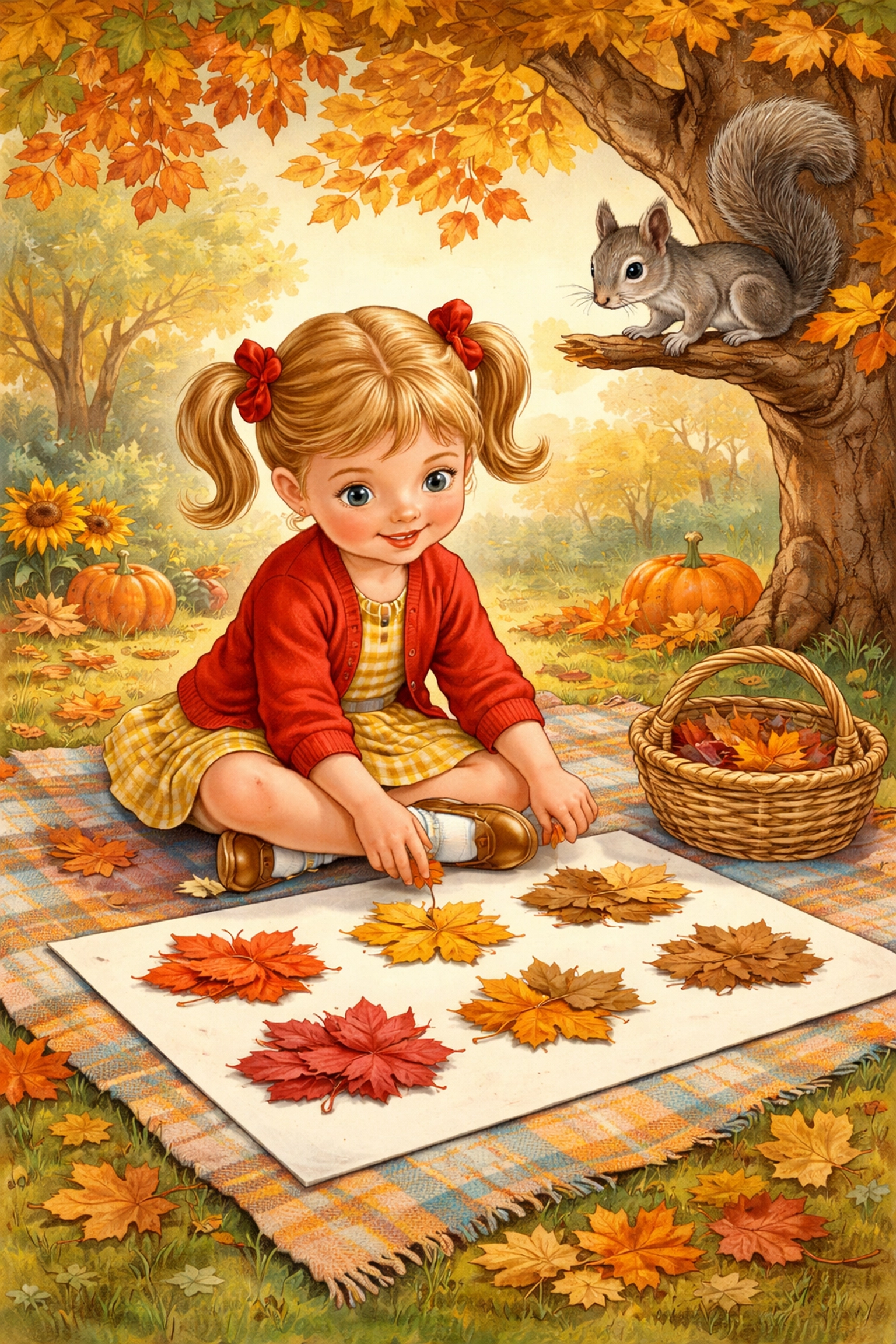
A leaf shape sort is a simple hands-on activity where kids collect different leaves and organize them into groups based on their shapes, like round, pointy, lobed, or heart-shaped. It's one of the easiest ways to get little ones observing nature closely while building early classification and critical thinking skills. You can do this activity with real leaves gathered from your yard, a park, or even with printed leaf cutouts on a rainy day.
Quick Reference Guide
| Detail | Information |
|---|---|
| Best Ages | 3–8 years old |
| Time Needed | 30–45 minutes |
| Cost | Free to $5 |
| Difficulty | Easy |
| Best Season | Fall (but works year-round) |
Materials You'll Need
Gathering supplies for a leaf shape sort is about as low-key as it gets. Here's what to grab:
- A collection of leaves (10–20 different ones work great)
- A flat sorting surface (table, tray, large piece of poster board, or even a blanket outside)
- Category labels (optional, index cards or sticky notes work well)
- A basket or bag for collecting leaves
- Magnifying glass (optional but makes it extra fun)
- Glue and paper (if you want to preserve the sorted leaves afterward)
If you're doing this indoors or can't get outside, printed leaf images work perfectly fine. Just search for free printable leaf sorting worksheets online, print them out, and have your kids cut and sort.
Why Leaf Shape Sorting Works So Well
This isn't just a craft, it's sneaky science education wrapped in a nature walk. When kids sort leaves by shape, they're practicing the same classification skills scientists use every day. They learn to observe details, notice patterns, compare and contrast, and make decisions about categories.
For younger children (ages 3–4), it's a fantastic intro to basic shapes and vocabulary. For older kids (ages 5–8), you can layer in more complexity by discussing why certain trees have certain leaf shapes or adding secondary sorting criteria like size or texture.
Plus, it gets everyone outside and moving. That's a win in my book.
Step-by-Step Instructions
Step 1: Go on a Leaf Hunt
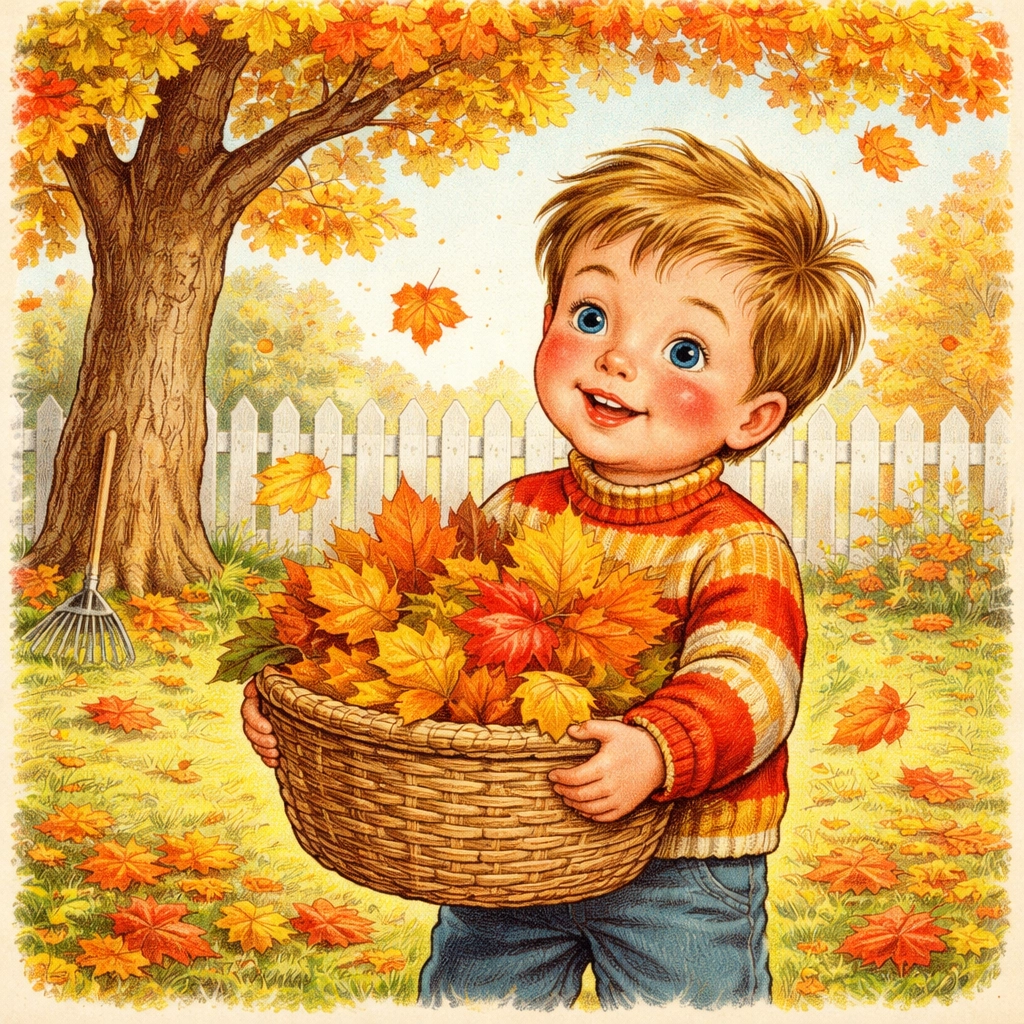
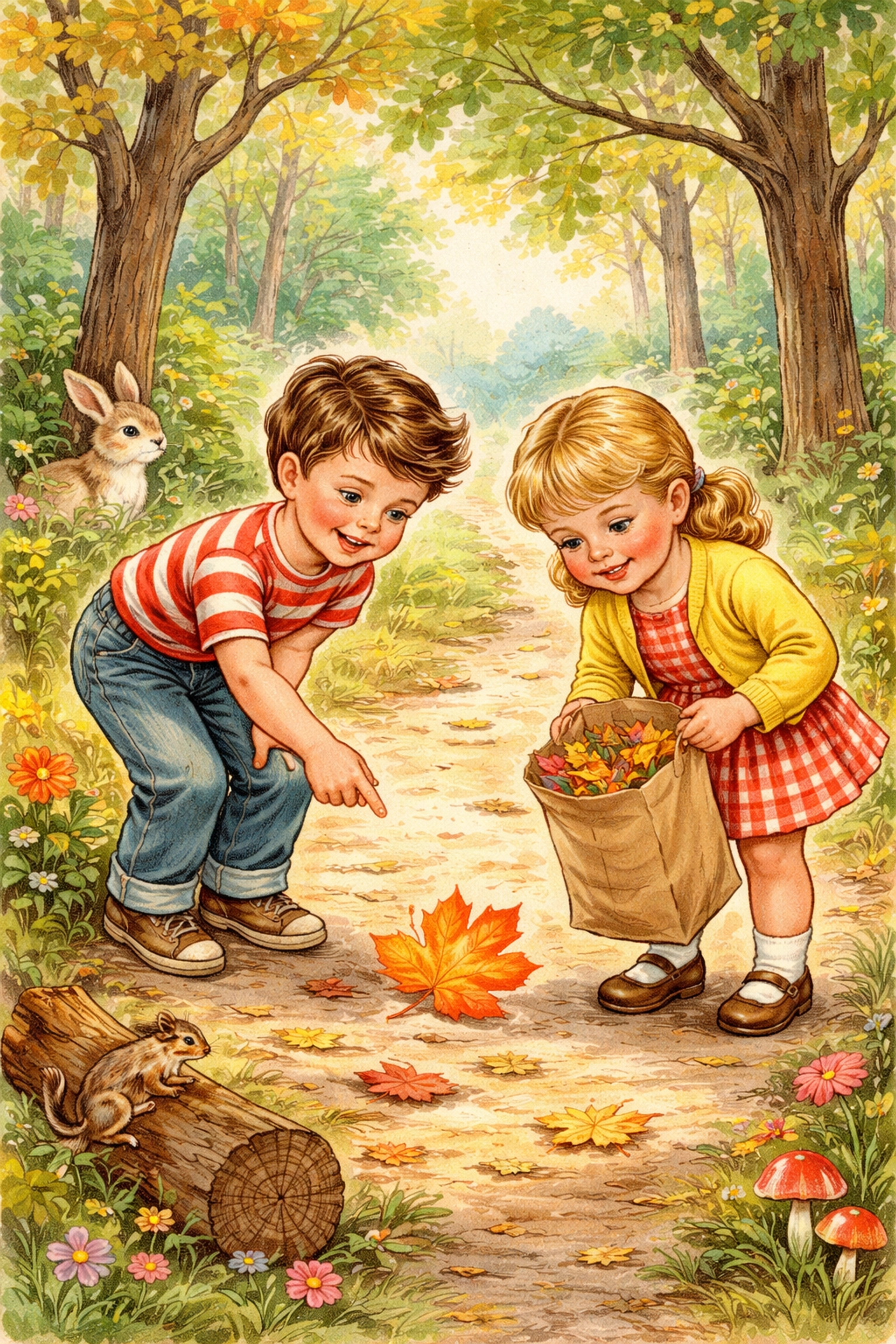
Head outside with your basket or bag and start collecting. Encourage your kids to find leaves that look different from each other. You want variety here, big leaves, small leaves, pointy ones, round ones, leaves with lots of lobes, and simple oval shapes.
Parks, backyards, nature trails, and even sidewalk trees can yield a surprising variety. Aim for at least 10–15 different leaf types if you can find them.
Pro tip: Collect a few extras of each type so kids can see that the same tree produces leaves with consistent shapes.
Step 2: Examine Your Collection
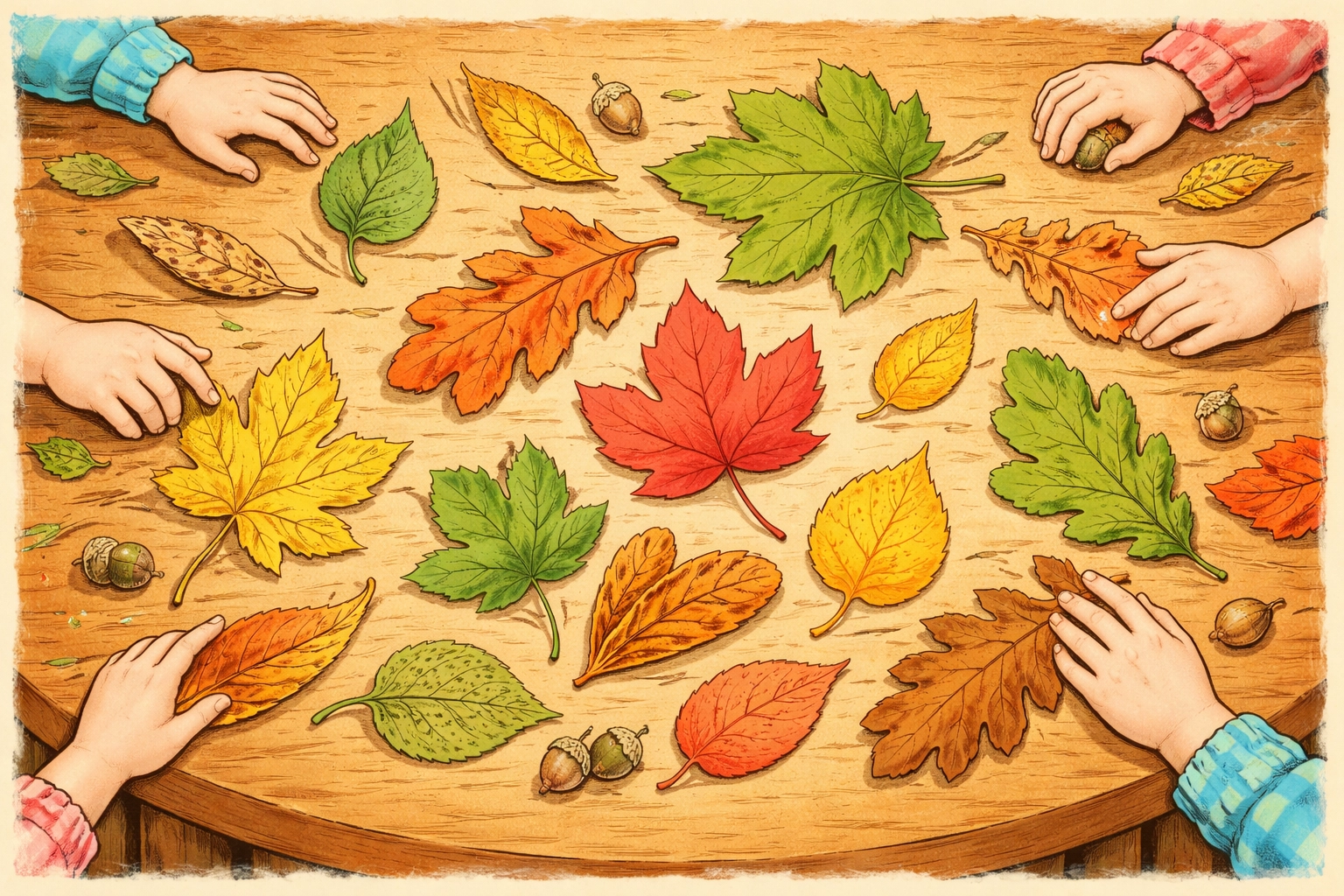
Spread all the leaves out on your sorting surface. This is where the magic happens. Ask your child some guiding questions:
- "What do you notice about these leaves?"
- "Which ones look similar to each other?"
- "What makes this leaf different from that one?"
Let them touch the leaves, flip them over, and really look closely. If you have a magnifying glass, now's the time to break it out.
Step 3: Create Your Sorting Categories
There are several ways to sort leaves by shape. Here are some category ideas that work well:
Simple categories (best for ages 3–5):
- Round leaves
- Pointy leaves
- Long and skinny leaves
More detailed categories (best for ages 5–8):
- Heart-shaped
- Oval or elliptical
- Lobed (like oak or maple leaves)
- Needle-shaped
- Fan-shaped
- Compound leaves (multiple leaflets on one stem)
You can write category names on index cards or sticky notes, or just designate areas on your table for each group.
Step 4: Sort the Leaves
Now let your child take the lead. Have them pick up each leaf, decide which category it belongs in, and place it in the correct pile or area.
This is where classification skills really develop. Some leaves might seem like they could fit in more than one category: and that's great! It opens up conversation about how scientists sometimes have to make judgment calls too.
If a leaf doesn't seem to fit anywhere, create a "mystery" pile and come back to it at the end.
Step 5: Review and Discuss
Once all the leaves are sorted, step back and look at the groups together. Ask questions like:
- "Which group has the most leaves?"
- "Did any leaves surprise you?"
- "Why do you think some trees have pointy leaves and others have round ones?"
For older kids, this is a good time to introduce the idea that leaf shape helps trees survive in their environment. Needles help evergreens conserve water in winter. Big broad leaves help tropical plants soak up lots of sunlight.
Step 6: Preserve Your Work (Optional)
If you want to keep your sorted leaves, you have a few options:
- Glue them down onto labeled poster board sections
- Press them between wax paper in heavy books
- Take photos of each sorted group before the leaves dry out
This creates a nice nature journal entry or display piece for the fridge.
Variations to Try
Texture Sort: After sorting by shape, re-sort by texture: smooth, fuzzy, waxy, rough.
Size Sort: Organize leaves from smallest to largest within each shape category.
Color Sort: In autumn, sort by color first, then by shape within each color group.
Scavenger Hunt Version: Create a checklist of leaf shapes to find before you head outside.
Indoor Version: Use printed leaf worksheets where kids cut out leaf pictures and glue them into the correct shape categories.
Tips for a Successful Leaf Sort
- Keep it short for little ones. Toddlers and preschoolers may only stay engaged for 15–20 minutes, and that's perfectly fine.
- Let them lead. Resist the urge to correct every sorting decision. The process matters more than perfection.
- Use what you have. You don't need to live near a forest. Urban trees, houseplants, and even weeds offer leaf variety.
- Make it seasonal. Fall is the classic time for this activity, but spring and summer work too: you just won't get the colorful leaf variety.
- Combine with other activities. Pair your leaf sort with a nature walk or follow it up with leaf rubbings for an extended learning session.
For more hands-on projects like this one, check out our kids crafts collection.
Frequently Asked Questions
What age is best for a leaf shape sort activity?
Kids as young as 3 can participate with simple categories like "round" and "pointy." Children ages 5–8 can handle more detailed sorting with categories like lobed, compound, or heart-shaped leaves.
Can I do a leaf shape sort without going outside?
Absolutely. Printed leaf worksheets work well for indoor sorting. Just print, cut out the leaf images, and have kids glue them into labeled categories on paper.
How many leaves do I need for a good sorting activity?
Aim for 10–20 leaves with at least 4–5 different shapes represented. Fewer leaves may not give kids enough variety to sort meaningfully.
What's the educational value of sorting leaves?
Leaf sorting builds observation skills, classification abilities, and critical thinking. It also introduces basic botanical concepts and scientific vocabulary in a hands-on way.
When is the best time of year to do a leaf sort?
Fall offers the most variety and colorful options, but this activity works in any season. Spring and summer provide fresh green leaves, while winter may require using evergreen needles or printed images.
How do I preserve leaves after sorting?
Press leaves between wax paper inside heavy books for 1–2 weeks, glue them to poster board, or laminate them. Taking photos is the easiest preservation method.
What if my child puts a leaf in the "wrong" category?
Ask them to explain their thinking. Sometimes kids notice details adults miss. The goal is building observation skills, not achieving a perfect sort.
Can I combine leaf shape sorting with other activities?
Yes! Leaf rubbings, nature journals, texture sorts, and size comparisons all pair nicely with shape sorting for extended learning sessions.
References:
- Research on classification skills and problem-solving development
- Leaf sorting activity guidelines for early childhood education
- Hands-on learning benefits for understanding leaf characteristics