



How do seeds grow into plants? Seeds grow into plants through a process called germination, where water, oxygen, and the right temperature wake up a dormant seed and trigger it to sprout roots and shoots. Different plants have unique germination styles: some push their seed leaves above ground while others keep them buried below!
Pretty amazing, right? That tiny seed in your hand contains everything a plant needs to get started. Let's dig into the science of how it all works: and discover why not all seeds play by the same rules.
What's Actually Inside a Seed?
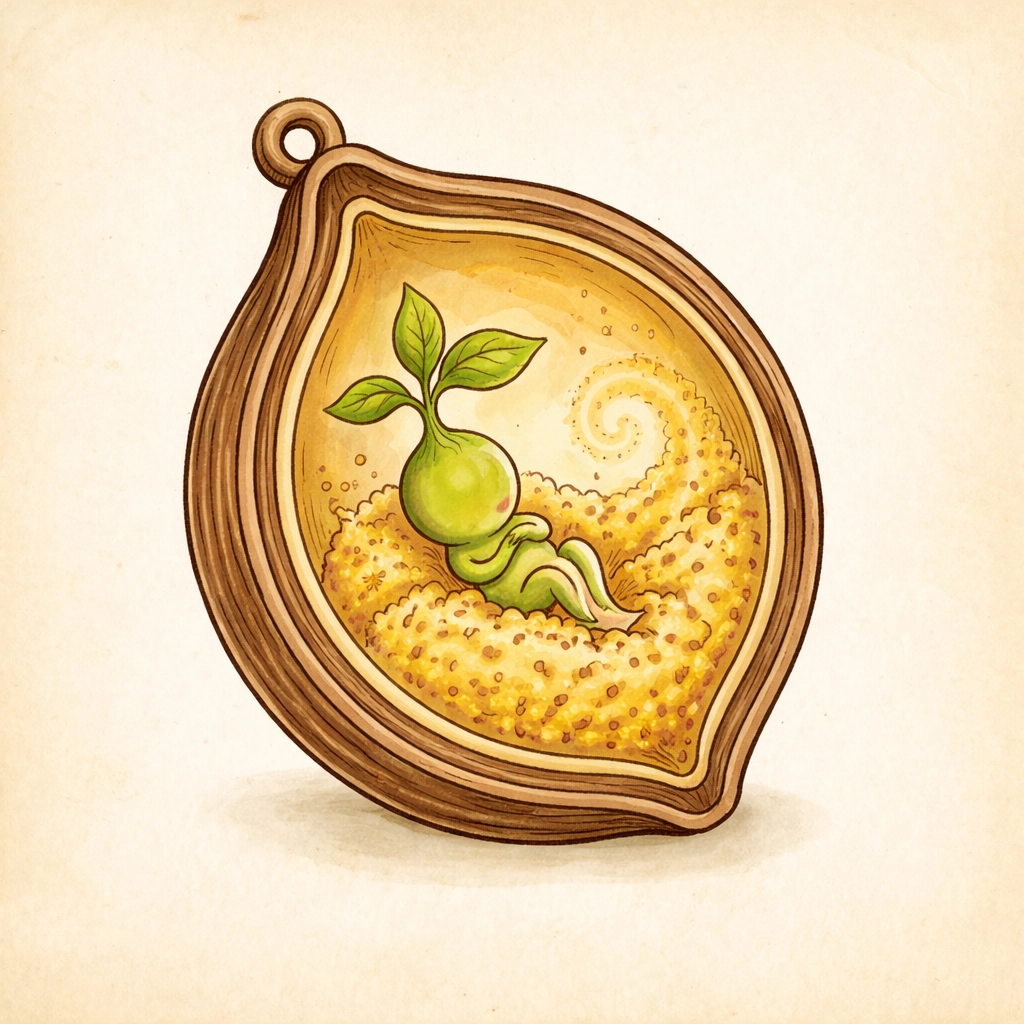
Before we talk about growing, let's peek inside that little package. Every seed contains three main parts:
- The embryo – This is the baby plant, complete with a tiny root (called the radicle) and a tiny shoot (called the plumule)
- Stored food – Packed around the embryo like a lunchbox, this provides energy until the plant can make its own food through photosynthesis
- The seed coat – A protective outer shell that keeps everything safe until conditions are just right
Think of a seed like a tiny astronaut in a space capsule. It's got everything it needs to survive the journey: it's just waiting for the signal to launch.
The Three Magic Ingredients Every Seed Needs
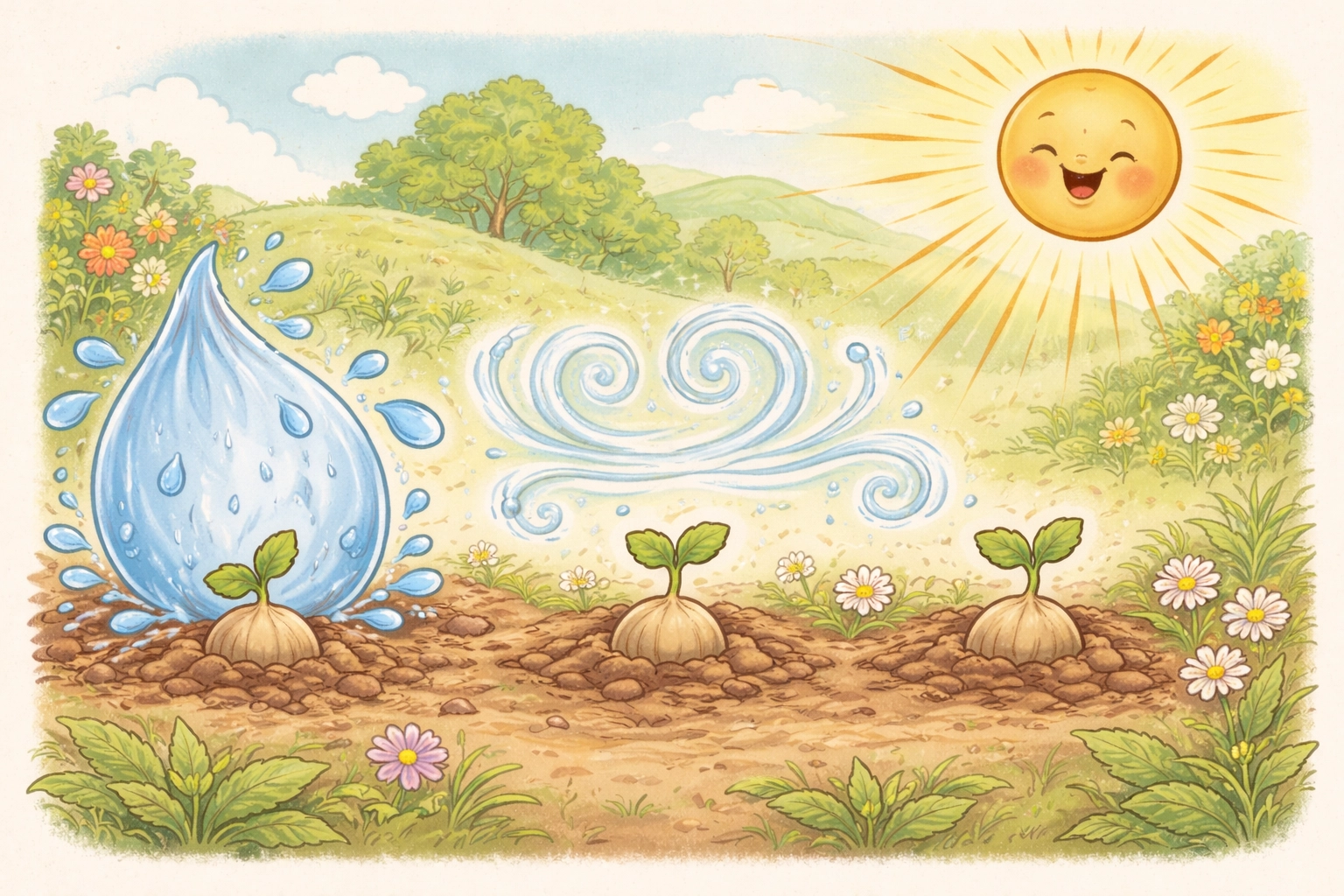
All seeds: whether they grow into towering sunflowers or little lettuce plants: need the same three things to wake up and start growing:
1. Water (The Wake-Up Call)
Water is the trigger that starts everything. When a seed absorbs water, something called imbibition happens. The seed swells up, the coat softens, and suddenly all those dormant chemical processes inside start firing.
It's like pouring water on a dried sponge: everything expands and comes back to life.
2. Oxygen (The Energy Source)
Seeds need oxygen for cellular respiration. This is the process where stored food (carbohydrates) gets converted into energy. Without oxygen, the seed can't power all the growth that's about to happen.
This is why waterlogged soil can actually drown seeds: too much water means not enough air pockets for oxygen.
3. Temperature (The Alarm Clock)
Temperature tells the seed when it's safe to grow. Each plant species has its own preferred temperature range that activates the enzymes needed for germination.
- Too cold? The chemical reactions slow to a crawl.
- Too hot? The enzymes can actually get destroyed.
- Just right? Growth mode activated!
This is why we plant cool-season crops like peas in early spring and warm-season crops like tomatoes after the last frost.
The Secret Fourth Ingredient: Light (Sometimes)
Here's where it gets interesting: some seeds need light to germinate, while others prefer darkness!
Light-loving seeds (like lettuce and some herbs) contain special light-detecting proteins. When they sense light, it signals that they're close to the soil surface where growing conditions are good.
Darkness-loving seeds (like onions and pansies) germinate best when buried. Light actually inhibits their growth.
Most common garden vegetables don't care much either way, but knowing which seeds are picky can save you a lot of "why won't these sprout?" frustration.
What Happens During Germination (Step by Step)
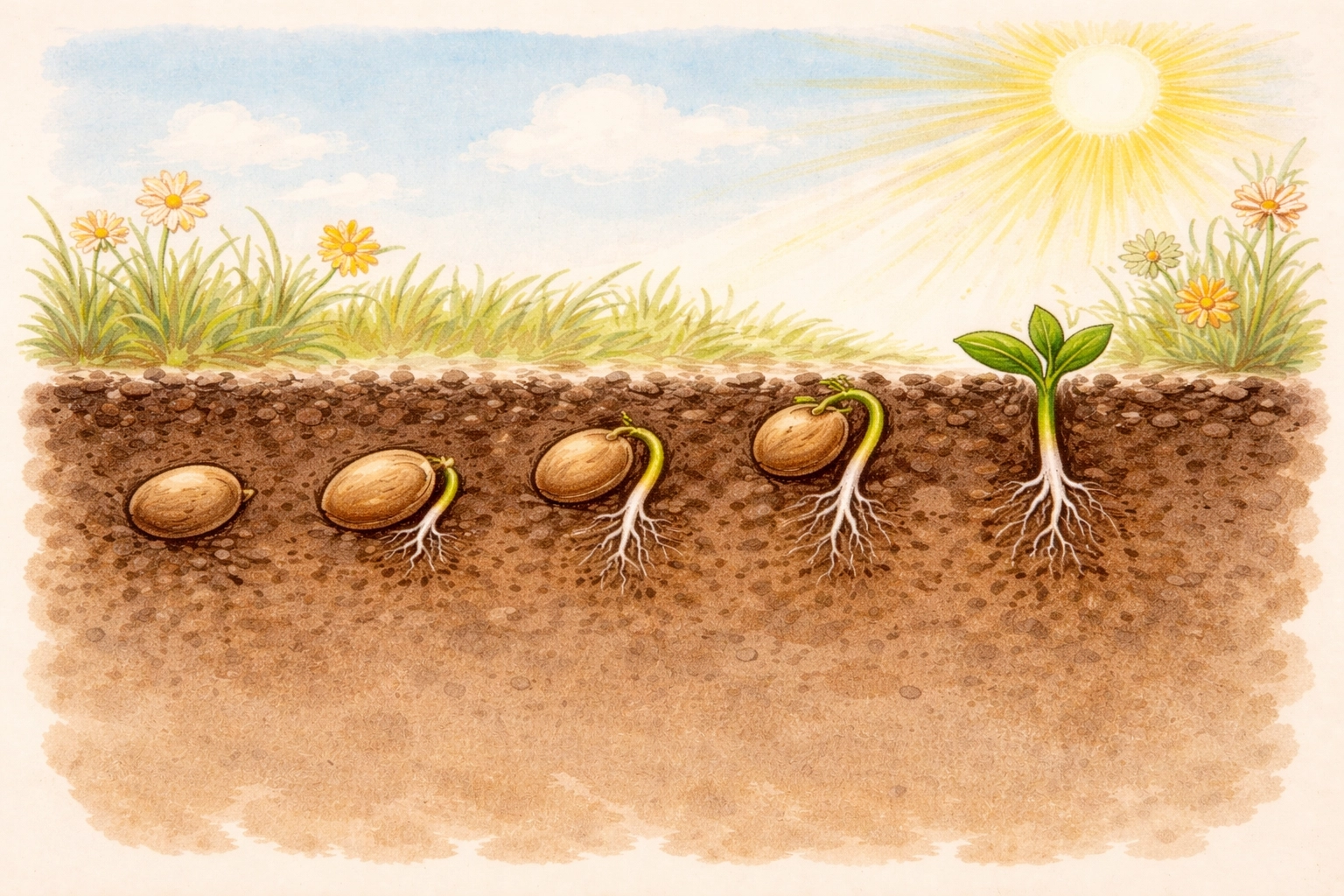
Once a seed has water, oxygen, and the right temperature, here's the sequence of events:
Phase 1: Imbibition
The seed rapidly absorbs water. The coat swells and cracks. Everything inside starts to hydrate.
Phase 2: The Lag Phase
This is the "getting ready" phase. The seed's metabolism kicks into gear. Stored starches break down into simple sugars. Proteins start being manufactured. It looks like nothing is happening on the outside, but inside it's a flurry of activity.
Phase 3: Radicle Emergence
The baby root (radicle) pushes out first. It grows downward thanks to gravitropism: the root can actually sense gravity and follows it down into the soil to anchor the plant and find water.
Phase 4: Shoot Emergence
The shoot (plumule) pushes upward toward light. It breaks through the soil surface and unfurls its first leaves.
Phase 5: Photosynthesis Begins
Once leaves are exposed to sunlight, the plant can finally make its own food. The lunchbox is empty, but now the plant has learned to cook for itself!
Two Different Germination Styles
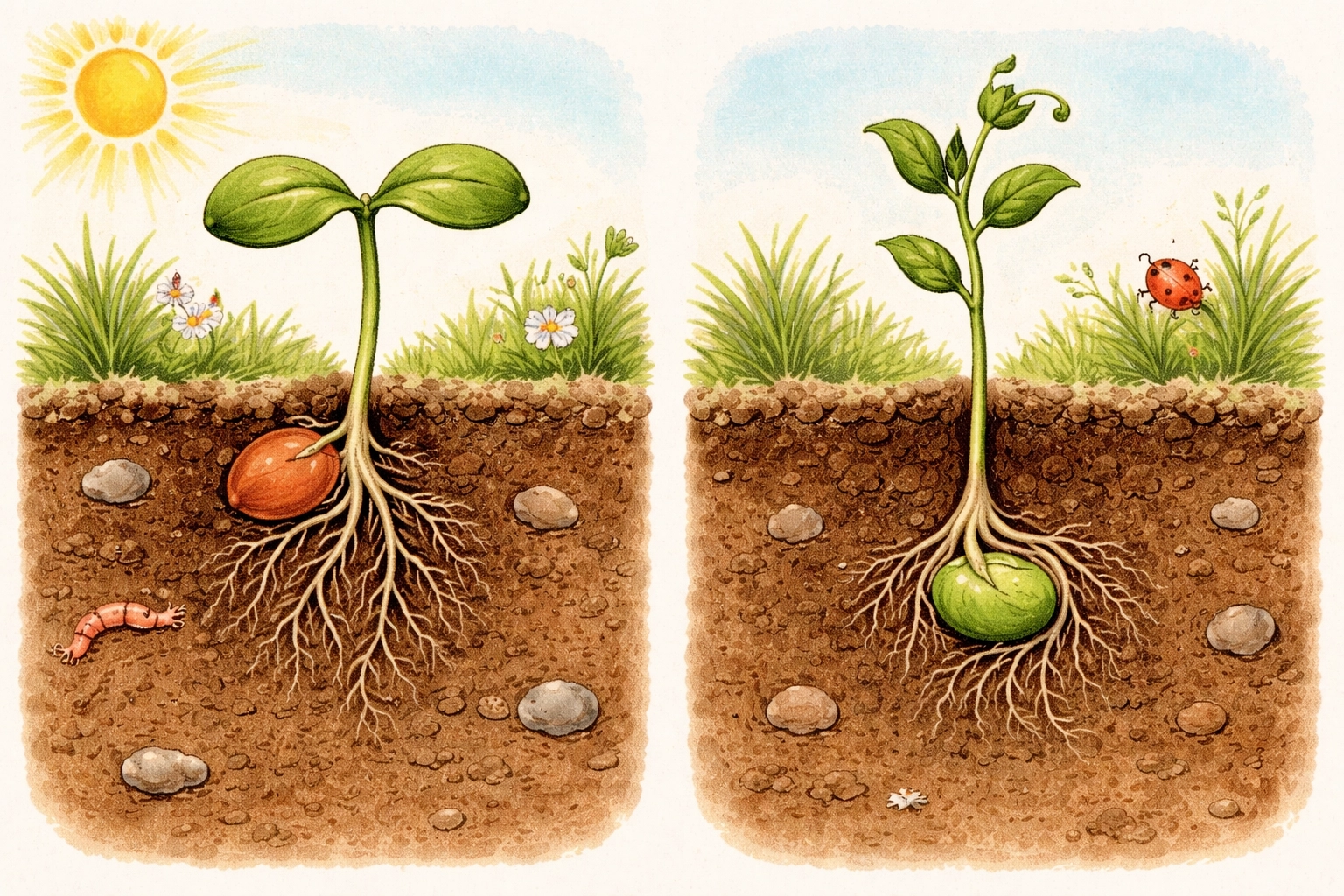
Not all seeds emerge the same way. Plants have evolved two main strategies:
Epigeal Germination (Above-Ground Cotyledons)
In this style, the stem grows upward and actually pulls the cotyledons (seed leaves) above the soil surface. These cotyledons turn green and start photosynthesizing right away.
Plants that do this: Beans, sunflowers, squash, cucumbers
You'll recognize epigeal germination when you see those first rounded leaves pop up: they look different from the "true leaves" that come later.
Hypogeal Germination (Below-Ground Cotyledons)
Here, the cotyledons stay underground. Only the shoot emerges, and the true leaves are the first thing you see above soil.
Plants that do this: Peas, corn, oats, wheat
The cotyledons remain buried, feeding the growing plant from below until the root system is established enough to take over.
Why Some Seeds Are Extra Stubborn
Ever planted seeds that just refused to sprout? Some seeds have built-in obstacles that prevent easy germination. This is actually a survival strategy: it keeps seeds from sprouting at the wrong time.
Hard Seed Coats
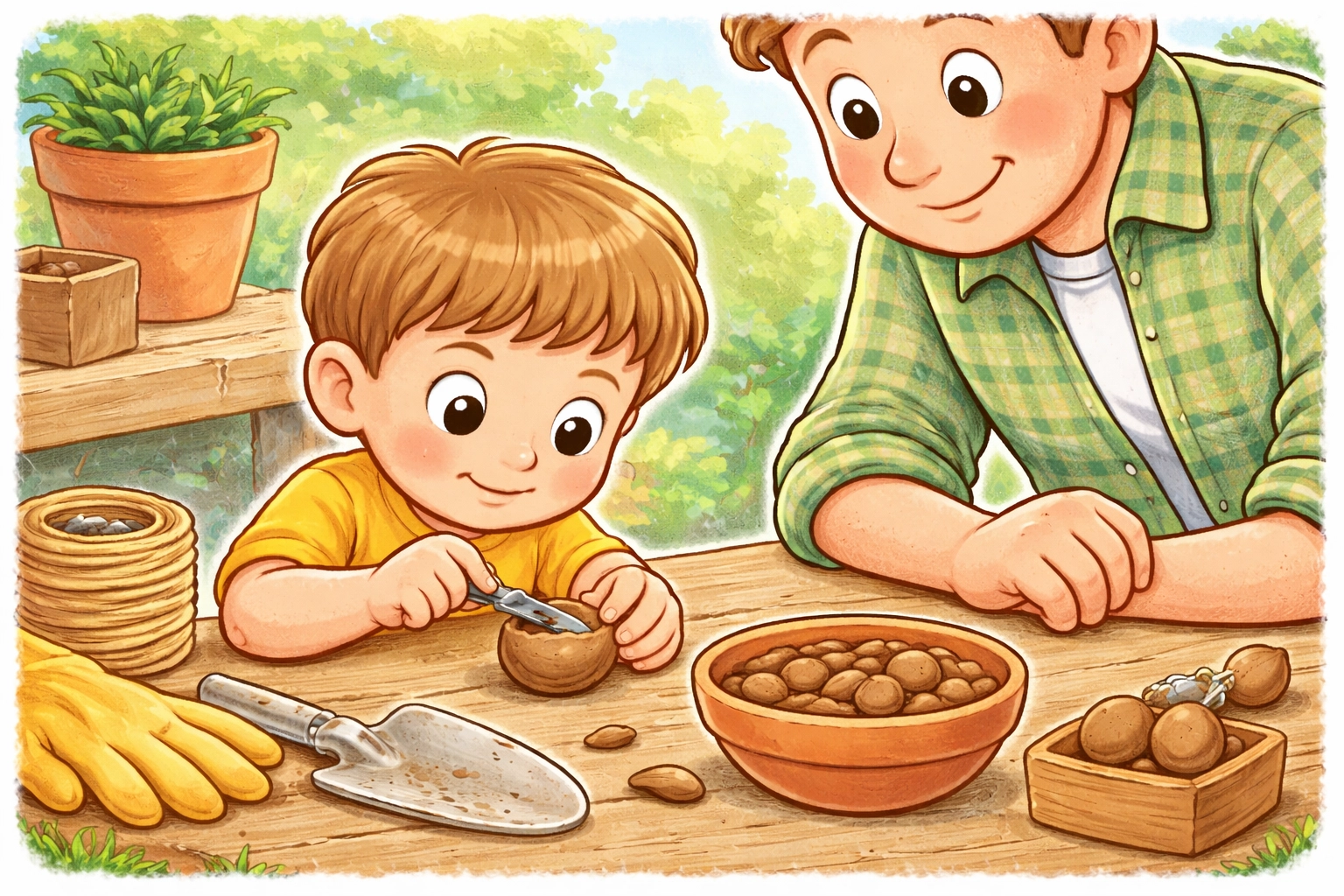
Seeds like morning glories, sweet peas, and nasturtiums have tough outer shells that water can't easily penetrate. In nature, these coats break down over time through freeze-thaw cycles or passing through an animal's digestive system.
The gardener's trick: Scarification! You can nick the seed coat with a file, sandpaper, or even nail clippers to let water in. Or soak stubborn seeds overnight before planting.
Chemical Inhibitors
Some seeds contain chemicals that prevent germination until they've been washed away by enough rainfall (signaling it's a good wet season for growing).
The gardener's trick: Soaking or rinsing seeds multiple times can help remove these inhibitors.
Cold Requirements (Stratification)
Certain seeds: especially those from temperate climates: won't germinate until they've experienced a cold period. This prevents them from sprouting in a warm autumn spell only to be killed by winter.
The gardener's trick: Pop seeds in a damp paper towel inside the refrigerator for a few weeks before planting.
Fun Seed Science to Try With Your Kids
Understanding germination isn't just book knowledge: it's something you can actually watch happen!
The Baggie Experiment: Place a few bean seeds in a damp paper towel inside a plastic bag. Tape it to a sunny window. You'll see the root emerge first, then the shoot: all in plain sight.
The Upside-Down Test: Plant a seed sideways or upside down and watch what happens. The root will still grow down and the shoot will still grow up, proving gravitropism in action!
Temperature Comparison: Plant identical seeds in two pots: keep one warm and one cool. Track which germinates faster and document the difference.
The Takeaway
Seeds are tiny miracles of engineering. They contain everything needed to start a new plant: stored food, a protective coat, and an embryo just waiting for the right conditions.
Once water, oxygen, and temperature align, the germination sequence begins: roots reach down, shoots reach up, and a new plant enters the world.
Different plants have evolved different strategies: some lift their seed leaves to the sun while others keep them buried. Some sprout easily while others need help breaking through their tough shells.
Understanding this science helps you become a better gardener. You'll know why some seeds need soaking, why temperature matters, and why patience is sometimes the most important ingredient of all.
Now grab some seeds and go watch the magic happen!
FAQ
- How long does it take for a seed to germinate? It varies! Some seeds, like radishes, can sprout in just 3–5 days, while others, like peppers or parsley, might take two weeks or more.
- Do seeds need light to sprout? Most seeds actually prefer to be in the dark under a layer of soil to germinate. Once the green sprout breaks through the surface, then they need plenty of sunlight to grow.
- How much water do seeds need? The soil should be kept damp like a wrung-out sponge, but not soaking wet. Too much water can cause the seeds to rot before they ever have a chance to grow.
- How do seeds 'know' when it’s time to grow? They respond to things like warmth and moisture. When the conditions are just right, it "wakes up" the tiny plant inside the seed.
- Do all seeds look the same inside? Most seeds have three main parts: an embryo (the baby plant), a food supply, and a seed coat for protection. They might look different on the outside, but they all work in a similar way!
- Why are some seeds so much bigger than others? Big seeds (like a coconut or a bean) have a larger food supply to help the plant get started, while tiny seeds (like lettuce) rely on getting to the sunlight very quickly.
Want more hands-on garden science with your family? Check out our guide on how to build a DIY mini greenhouse out of plastic bottles for the perfect place to start your seeds!