




Direct Answer: Resilience in children develops through gardening because every seed planted teaches them that failure isn't final, patience pays off, and they have the power to nurture something from nothing. When a tomato plant wilts or a carrot comes up stubby, kids learn to problem-solve, adapt, and try again, skills that transfer directly to homework struggles, friendship hiccups, and life's bigger challenges.
Why the Garden Is the Best Character-Building Classroom
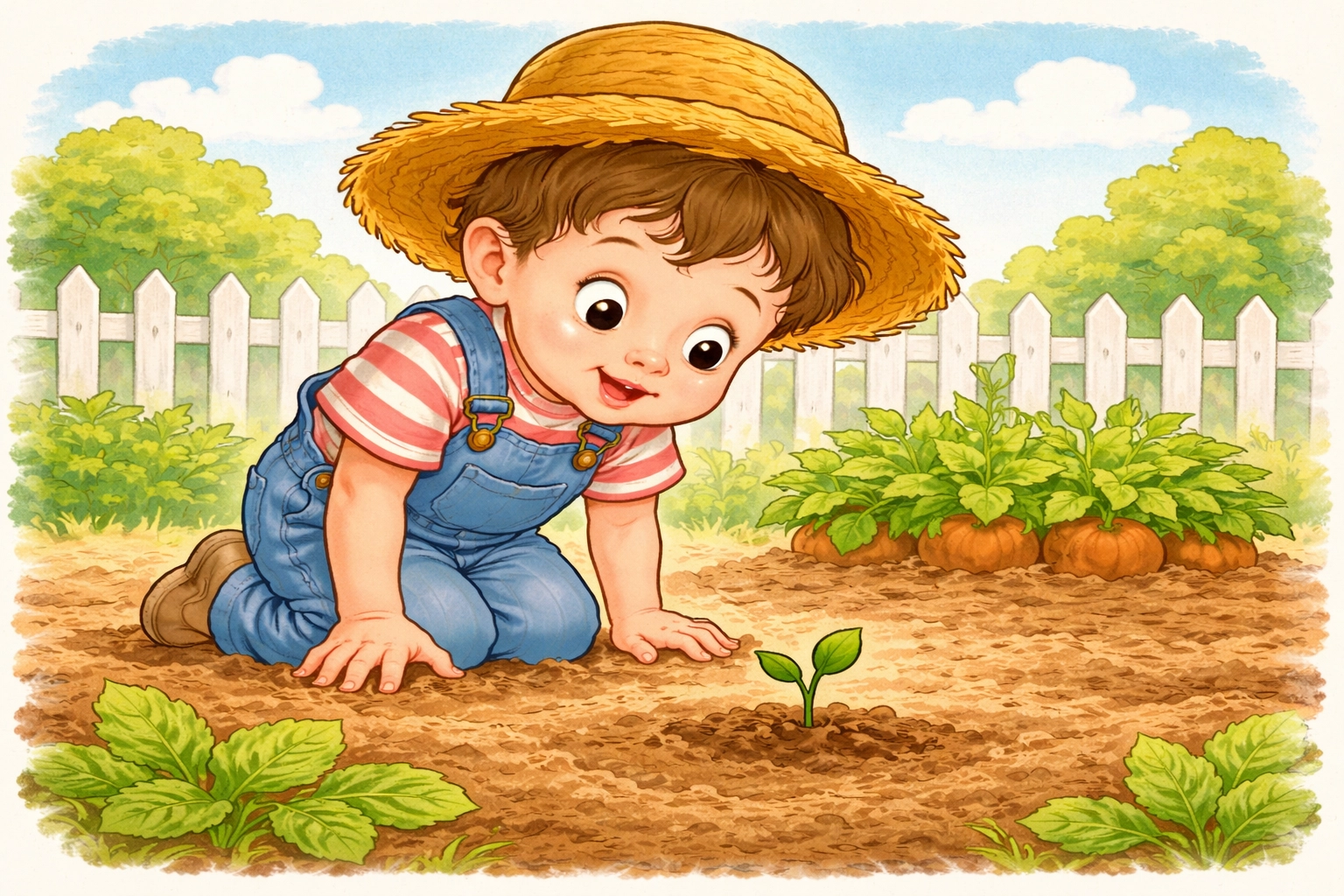
There's something almost magical about watching a child's face when their first sprout breaks through the soil. That tiny green shoot? It's not just a plant. It's proof that their effort mattered.
But here's where the real growth happens, not in the easy wins, but in the setbacks.
Gardens don't follow schedules. Bugs invade. Frost sneaks in. Seeds refuse to germinate. And in those moments of disappointment, children have a choice: give up or dig deeper (pun absolutely intended).
Research consistently shows that farm and garden environments foster healthy child development precisely because they're unpredictable. Kids in these settings learn to communicate openly about challenges, lean on family and community support, and adapt when things don't go as planned.
That's resilience. And you can grow it right in your backyard.
The Five Stages of Garden Resilience (A Character Arc)
Think of your child's gardening journey like a storybook character arc. Every great character faces obstacles, learns lessons, and emerges stronger. Here's how it plays out in the garden:
Stage 1: The Hopeful Beginning
Every garden starts with excitement. Your child picks out seeds, imagines enormous pumpkins, dreams of salads made entirely from their own lettuce. This enthusiasm is precious, protect it, but don't over-promise.
What to do: Let them choose at least one "easy win" crop (radishes, beans, or sunflowers) alongside something more challenging. This sets up both quick gratification and longer-term learning.
Stage 2: The Waiting Game
Nothing tests a child's patience like waiting for seeds to sprout. Days pass. The soil looks the same. Doubt creeps in.
What to do: Create a simple observation journal. Each day, they check the soil, note changes (even if it's "still nothing"), and draw what they see. This teaches them that progress isn't always visible, but it's happening underground.
Stage 3: The First Setback
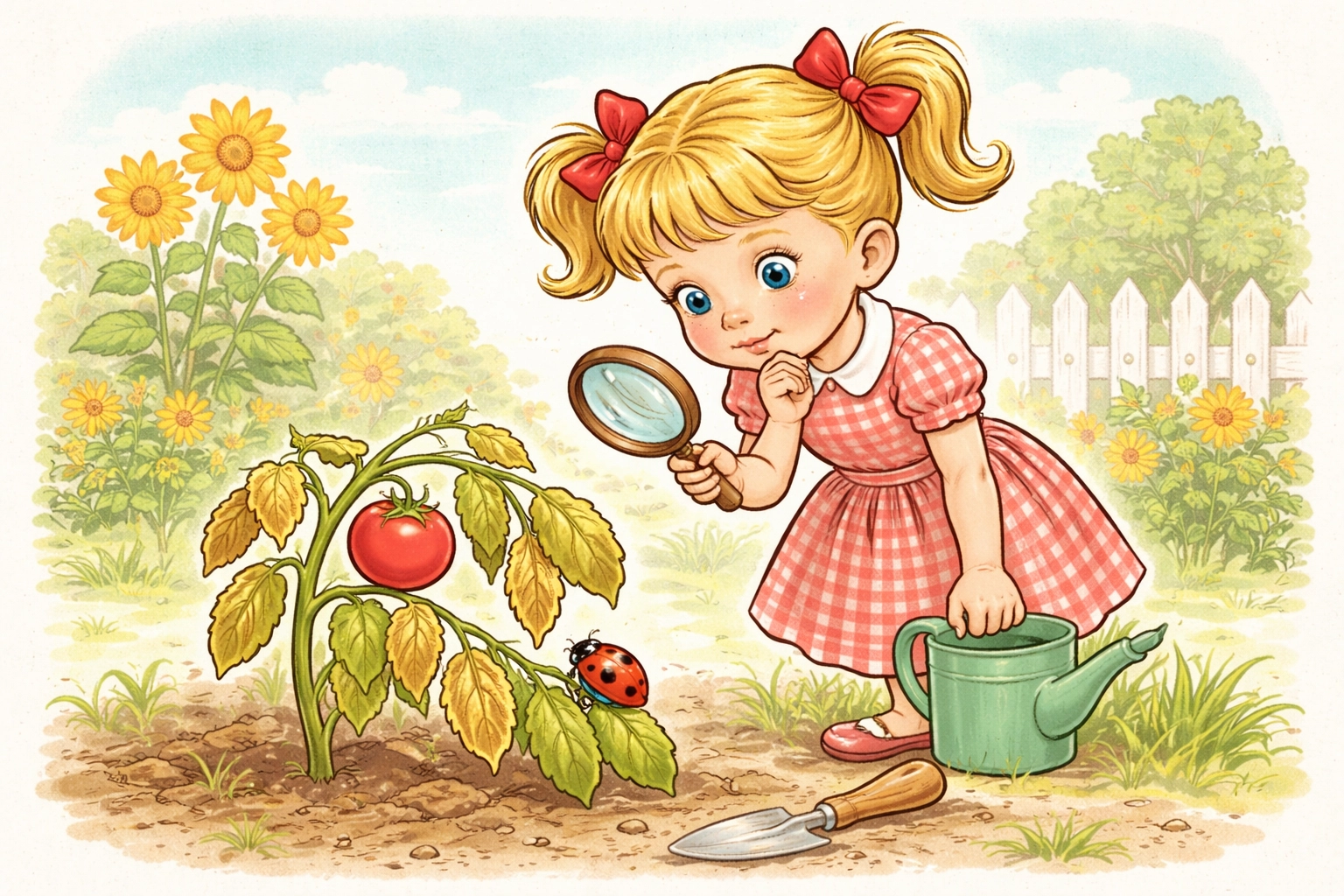
Here's where character really forms. Maybe aphids attack. Maybe the dog digs up a row. Maybe they forgot to water for a week during a heat wave.
What to do: Resist the urge to fix everything for them. Instead, problem-solve together:
- "What do you think happened?"
- "What could we try differently?"
- "Should we research solutions together?"
This collaborative troubleshooting builds critical thinking and shows them that setbacks are data, not disasters.
Stage 4: The Adaptation
Armed with new knowledge, your child tries again. They move the pot to a sunnier spot. They set a watering reminder. They learn about companion planting to deter pests.
This stage is gold. They're not just gardening anymore, they're developing a growth mindset in real-time.
Stage 5: The Harvest (Whatever It Looks Like)
Maybe the tomatoes are small. Maybe only three carrots survived. Maybe the sunflower is a bit lopsided.
It doesn't matter. What matters is that they stuck with it. They experienced the full cycle, hope, patience, failure, adaptation, and reward.
What to do: Celebrate the harvest with intention. Cook a meal together using their produce, no matter how humble. Take photos. Let them share their story with family members.
Practical Activities That Build Resilient Young Gardeners
Knowing the stages is helpful, but what do you actually do with your kids? Here are hands-on activities designed to strengthen that resilience muscle:
The "Experiment Garden" Plot
Dedicate a small section of your garden (even a few containers work) to pure experimentation. This is where "failures" are expected and welcomed.
Try this:
- Plant the same seeds in different conditions (shade vs. sun, different soil types)
- Let your child make predictions and track results
- Discuss why some thrived and others didn't, without judgment
When failure is built into the design, it loses its sting.

The Setback Story Jar
Keep a mason jar near your gardening supplies. Every time something goes wrong, write it on a slip of paper and drop it in. At the end of the season, read through them together.
You'll be amazed at how many "disasters" you both forgot about, and how many led to unexpected discoveries.
The Generational Interview
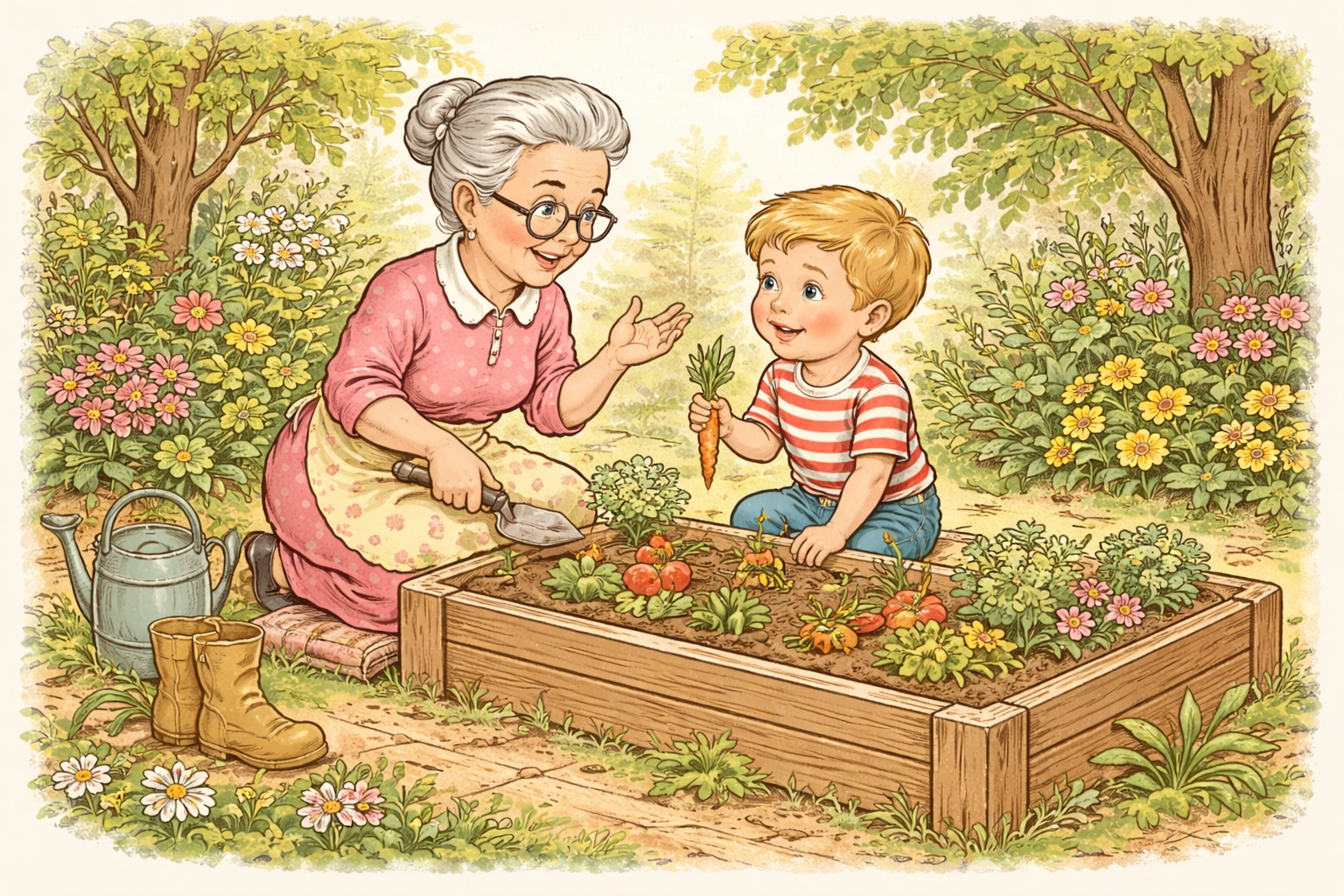
If grandparents or older family members are available, have your child interview them about garden failures they've experienced. What went wrong? How did they handle it? What did they learn?
This connects resilience to family history and shows kids that everyone, even the grown-ups they admire, faces setbacks.
Regrow Projects for Quick Rebounds
When something fails in the main garden, pivot to a quick regrow project. Kitchen scraps like green onion bottoms, lettuce stumps, or celery bases can sprout new growth in just days. It's a fast reminder that there's always another chance.
For a full guide on this, check out our post on how to make a DIY kitchen scrap regrow garden for under $10 with your kids.
The Language of Resilience: What to Say (and What to Avoid)
How you talk about garden setbacks shapes how your child internalizes them. Here's a quick guide:
Instead of: "Oh no, your plant died!"
Try: "Hmm, something happened here. What do you notice?"
Instead of: "Don't worry, we'll just buy a new one."
Try: "That's frustrating. What do you want to try next?"
Instead of: "You should have watered it more."
Try: "What do you think it needed that it didn't get?"
The goal is curiosity over criticism, problem-solving over blame.
Why This Matters Beyond the Garden
The resilience your child builds between the rows of beans and tomatoes doesn't stay there. It travels with them.
When they bomb a spelling test, they'll remember that their first batch of seeds didn't sprout either: and they tried again.
When a friendship gets rocky, they'll recall how they problem-solved when pests attacked their squash.
When life throws something genuinely hard at them (and it will), they'll have a deep, experiential understanding that setbacks aren't endings. They're just part of the growing season.
Farm families have understood this for generations. The unpredictability of agriculture: the weather, the markets, the pests: creates natural resilience training. Open communication, community support, and adaptive thinking aren't luxuries in farming communities; they're survival skills.
You don't need a hundred acres to pass this wisdom along. A single potted tomato plant on an apartment balcony can teach the same lessons.
Your Next Step
This week, start a conversation with your child about something in your garden (or a future garden) that didn't go as planned. Ask them what they learned. Ask them what they'd try differently.
Then grab some seeds, some soil, and some patience: and watch their character grow right alongside the carrots.
Because resilience isn't taught in lectures. It's grown, one harvest at a time.
FAQ
- What does resilience look like in a child? It's the ability to keep trying even when things don't go perfectly. In the garden, that might mean trying a new way to water a plant that isn't doing well or planting a new seed after one doesn't sprout.
- How can I encourage my child to be more resilient? Praise their effort, not just the result. Instead of "Your plant is beautiful," try "I'm so proud of how you remembered to water your plant every day."
- Is gardening a good way to teach resilience? Yes, because nature is unpredictable. Sometimes it rains too much or a bug eats a leaf. Learning to deal with these small "setbacks" in the garden builds a strong foundation for handling bigger challenges in life.
References:
- Research on rural farming communities and child resilience development
- Studies on family communication and adaptive capacity in agricultural settings
- Youth development program frameworks for building resilience skills