



The quick answer: The five garden chores kids genuinely enjoy: while building strong character: are planting seeds, watering, weeding, harvesting, and creating wildlife habitats. Each task teaches patience, responsibility, persistence, and environmental stewardship in ways that feel like play rather than work.
Here's the thing about kids and chores: they don't hate work. They hate boring, meaningless tasks that feel disconnected from real life. The garden changes everything. When a child waters a tomato plant they grew from seed, they're not doing a chore: they're caring for something alive that depends on them.
Let's dig into each of these five chores and explore exactly how to make them work for your family.
1. Planting Seeds: Where Patience Takes Root
There's pure magic in watching a child push a bean seed into soft soil. Their little fingers pat the dirt down, and you can almost see the question forming: When will it grow?
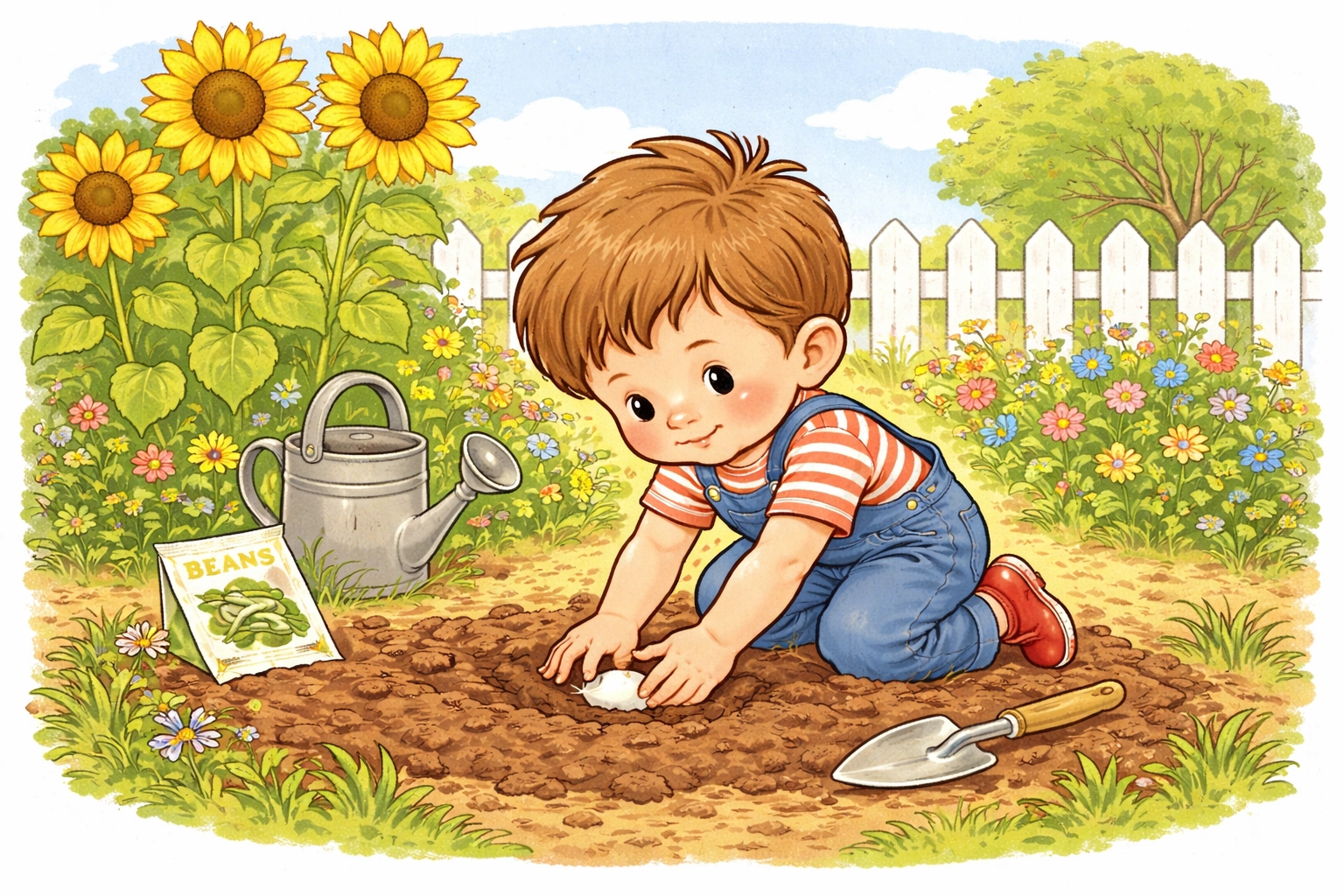
Planting teaches patience like nothing else can. Unlike a video game with instant feedback, a seed operates on its own schedule. Children learn that some things can't be rushed: and that waiting is part of the process.
How to make it work:
- Start with fast-growers. Beans, radishes, and lettuce sprout quickly enough to hold a young child's attention. Beans are especially satisfying because kids can see growth within days.
- Let them choose. Take your child to pick out seed packets. Ownership starts with choice.
- Use big seeds for little hands. Pumpkin, sunflower, and bean seeds are easy for kids ages 2-4 to handle. Save the tiny carrot seeds for older children.
- Mark the calendar together. Count out the expected sprouting days and circle the date. This builds anticipation and teaches basic planning.
The character payoff here is real. A child who plants a seed and tends it for weeks learns that effort today creates results tomorrow. That's a lesson that carries far beyond the garden.
2. Watering: Daily Responsibility in Action
Watering might seem simple, but it's actually one of the most powerful character-building chores in the garden. Why? Because it has to happen every day (or nearly every day), regardless of mood or weather or whether there's a new episode of their favorite show.
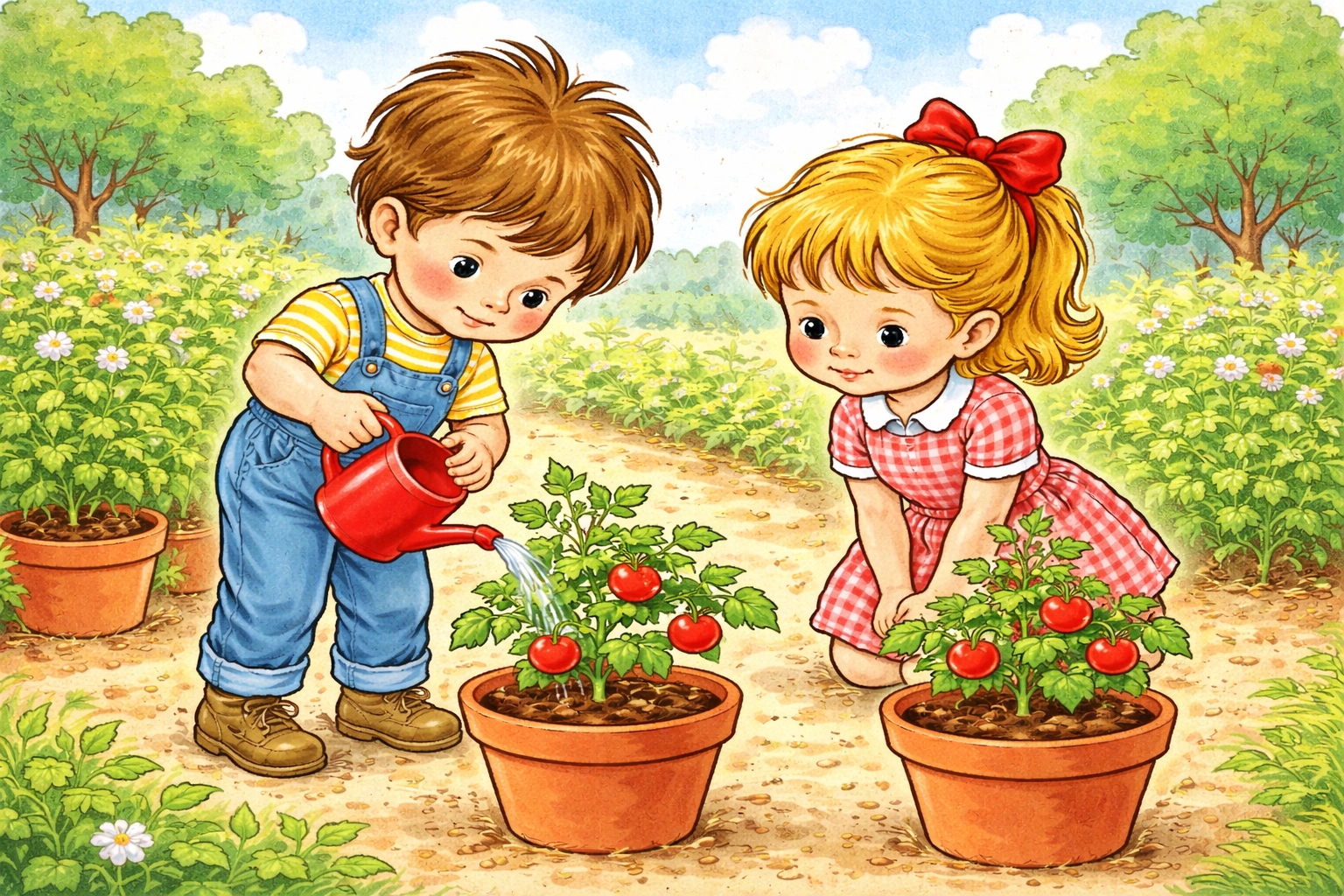
How to make it work:
- Assign specific plants. "These three tomato plants are yours to water" creates ownership. The plants become their plants.
- Get the right tools. A child-sized watering can makes all the difference. Too heavy, and the chore becomes frustrating.
- Create a routine. Morning watering after breakfast or evening watering before dinner: consistency matters more than timing.
- Teach the "finger test." Show kids how to stick their finger an inch into the soil. Dry? Time to water. This adds decision-making to the task.
What you're really teaching is dependability. Living things need care whether we feel like giving it or not. A child who keeps their garden alive through a hot summer has learned something about commitment that no lecture could ever convey.
3. Weeding: The Surprisingly Satisfying Task
Here's a confession: weeding can actually be fun. There's something deeply satisfying about clearing a messy bed and seeing clean soil around your vegetables. Kids feel this too: especially when they understand why they're doing it.
How to make it work:
- Explain the competition. Tell kids that weeds are trying to steal water and food from their plants. Suddenly, weeding becomes a rescue mission.
- Make identification a game. Teach them to recognize three or four common weeds in your garden. Knowing what to pull (and what to leave) adds a skill-building layer.
- Work together first. Weed alongside your child before sending them solo. They need to see the technique and understand the goal.
- Celebrate the pile. Let them see the heap of pulled weeds at the end. Visual evidence of their work matters.
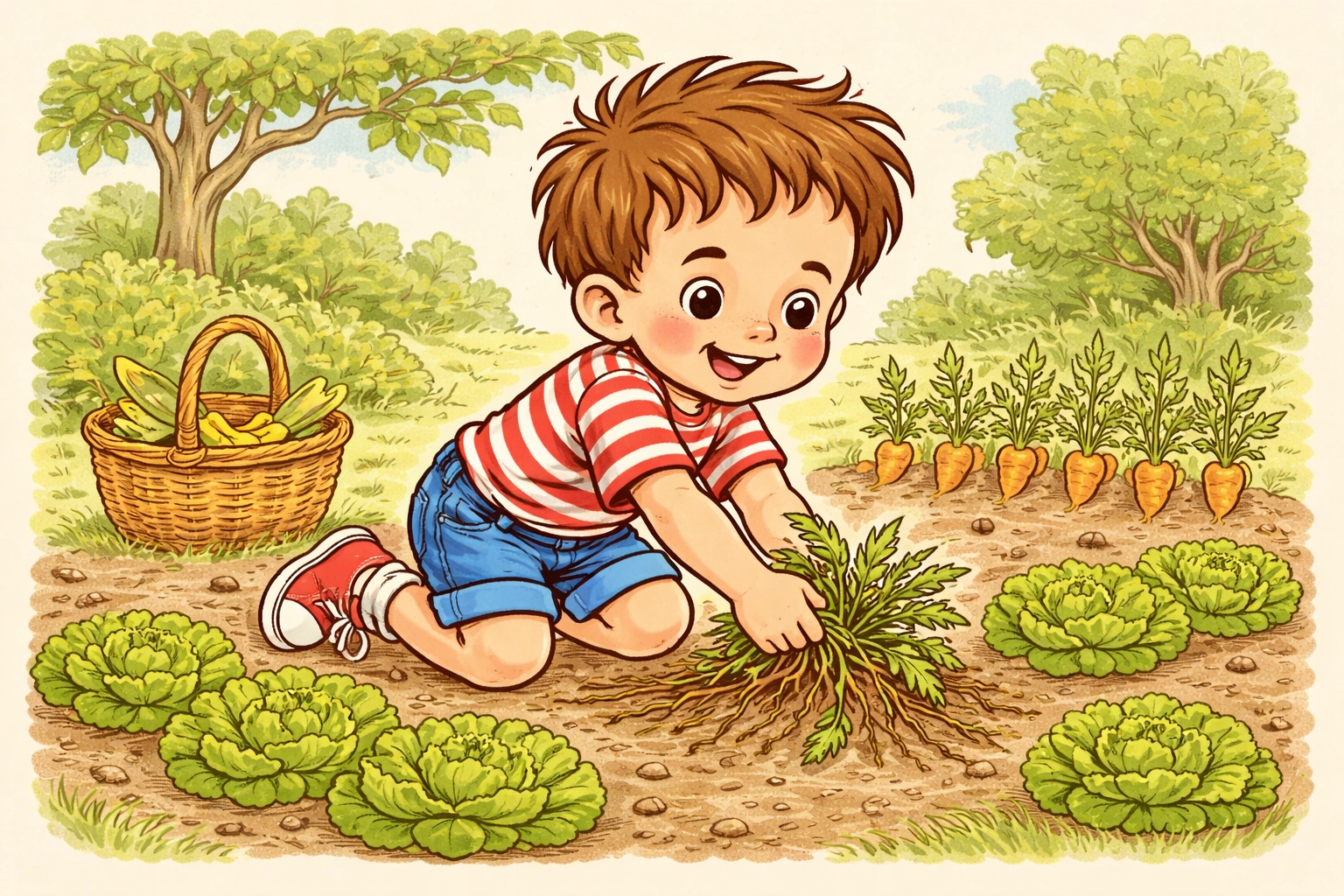
Weeding builds persistence and problem-solving. Some weeds pull easily; others need strategy. Kids learn to grip low, wiggle roots loose, and try different approaches when something doesn't work the first time.
4. Harvesting: The Ultimate Reward
If planting is the promise, harvesting is the payoff. There's nothing quite like watching a child twist a ripe tomato from the vine or pull a carrot from the earth with wide eyes.
How to make it work:
- Teach ripeness. Show kids how to check if something is ready. Red tomatoes, firm beans, leafy lettuce at the right size: these are skills.
- Use the harvest. Make salad together. Slice that cucumber for snack time. The connection between garden and table is the whole point.
- Let them share. Encourage kids to give extra produce to neighbors or family. Generosity grows naturally when there's abundance.
- Keep a harvest log. A simple notebook tracking what was picked and when builds pride and basic record-keeping skills.
The character lesson here is about delayed gratification and follow-through. They planted, watered, weeded, and waited: and now they get to enjoy the results. This is the cycle of effort and reward made tangible.
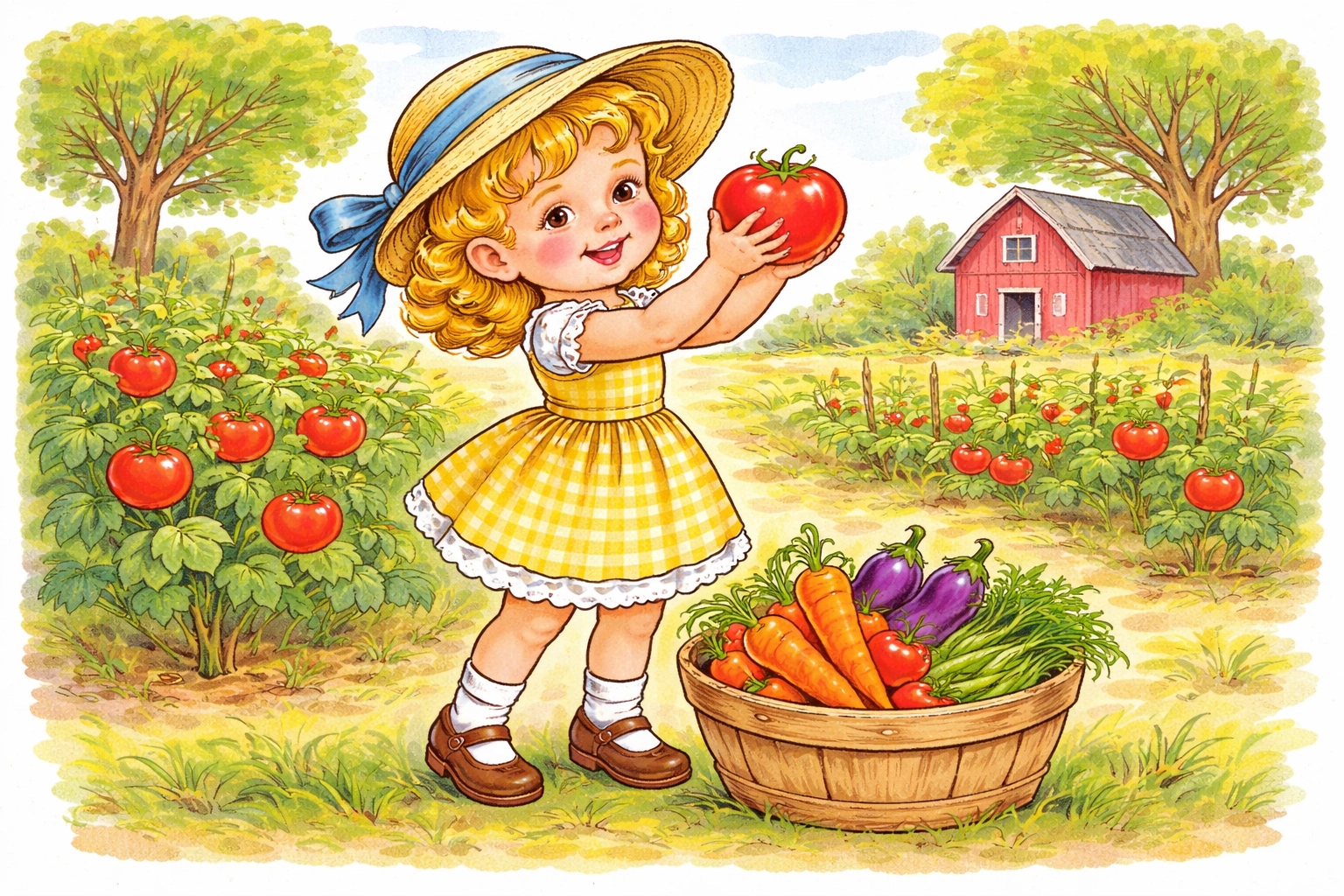
5. Creating Wildlife Habitats: Stewardship Beyond the Garden
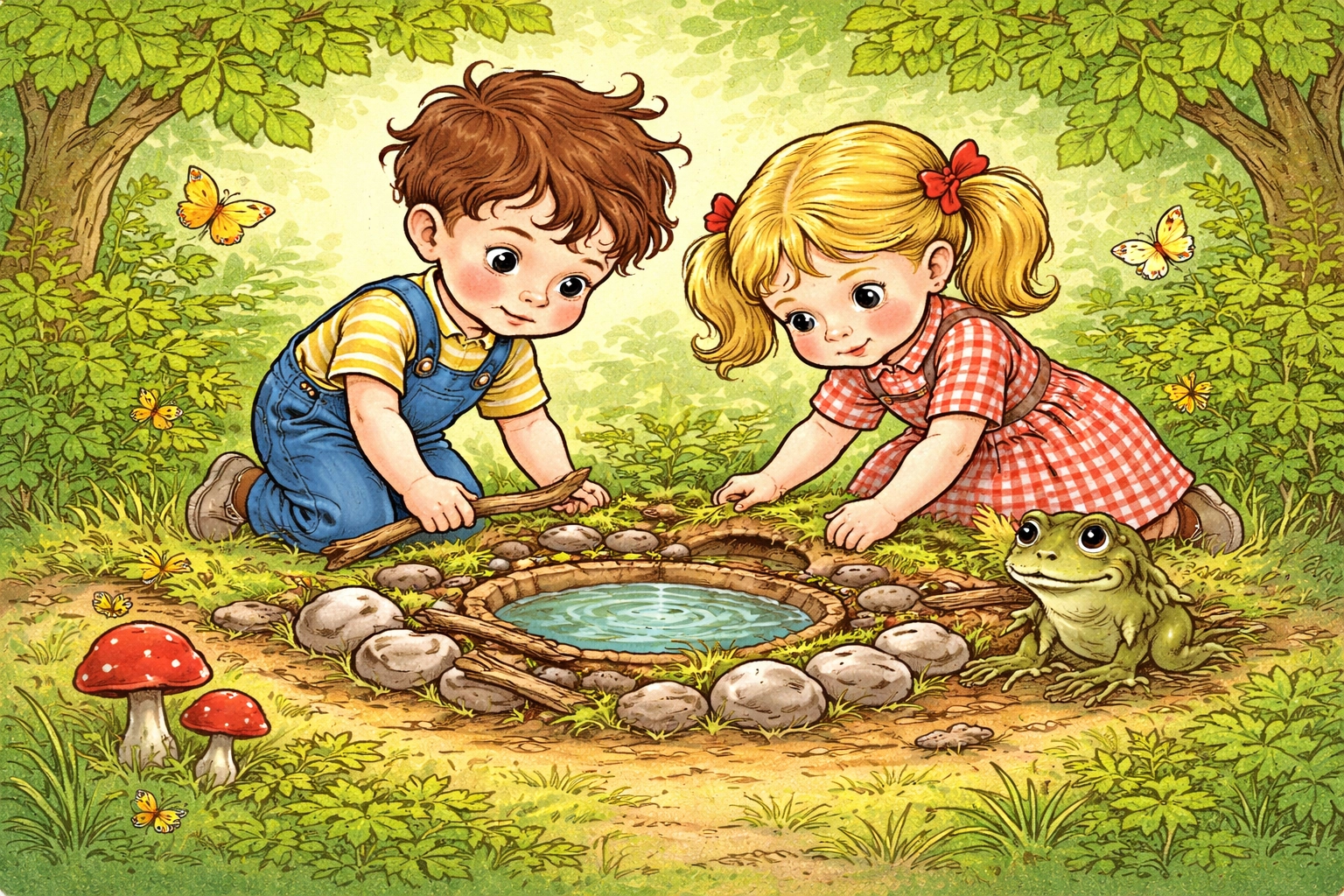
This one is special. When kids build a home for toads, a water station for pollinators, or a shelter for beneficial insects, they're learning to think beyond themselves.
How to make it work:
- Research together. What pollinators live in your area? What do they need? Let your child help find answers.
- Use natural materials. Stones, sticks, leaves, pinecones, and bamboo can create simple shelters without spending money.
- Choose a location together. Talk through why certain spots work better: shade versus sun, protected versus exposed.
- Observe and record. Keep track of what creatures visit. This turns a one-time project into ongoing learning.
Creating habitats teaches environmental stewardship and systems thinking. Kids begin to understand that the garden isn't just about their vegetables: it's a whole ecosystem where everything connects.
If your family has explored DIY worm composting, habitat creation is a natural next step. Both activities help kids see the garden as a living community.
Matching Chores to Ages
Not every chore fits every child. Here's a quick guide:
Ages 2-4:
- Planting large seeds
- Watering with help
- Pulling big weeds with supervision
Ages 5-7:
- All planting tasks
- Independent watering
- Weeding with guidance
- Harvesting ripe produce
Ages 8 and up:
- Seed starting in pots
- Complete garden bed maintenance
- Habitat design and construction
- Teaching younger siblings
The Bigger Picture
Here's what these five chores really teach:
| Chore | Character Trait |
|---|---|
| Planting | Patience, hope |
| Watering | Responsibility, consistency |
| Weeding | Persistence, problem-solving |
| Harvesting | Delayed gratification, sharing |
| Habitat creation | Stewardship, empathy |
None of this happens overnight. Character builds slowly, season by season, like the plants themselves. But every time your child picks up a watering can or kneels down to pull a stubborn weed, they're practicing something that matters.
The garden doesn't care about grades or screen time or sports performance. It just needs care: and kids who give that care consistently grow into capable, responsible people.
Getting Started This Week
Pick one chore from this list. Just one. Assign it to your child with clear expectations and the right tools. Work alongside them until they've got it, then step back and let them own it.
That's it. That's how character grows in the garden: one small responsibility at a time.
FAQ
- What is the best garden chore for a toddler? Watering! Kids love using a small watering can. It teaches them about care and the importance of regular attention to a living thing.
- How can garden chores build responsibility? Having a specific task, like "checking for pests" or "deadheading flowers," helps kids feel like they are an important part of the farm team.
- Do kids actually enjoy garden chores? Many do! If you frame it as "helping the plants grow strong" or make it into a fun activity, kids often find it very rewarding and satisfying.
References:
- University extension research on age-appropriate garden tasks for children
- Studies on gardening and child development outcomes
- Master gardener recommendations for family gardening programs