



Quick Answer: Vertical farming lets families grow food upward instead of outward: perfect for apartments, patios, or tiny backyards. The five best DIY options are rack farming with shelves, tower gardens, hanging tumbling planters, wall-mounted pocket systems, and simple trellis structures. Each can be built affordably with your kids in a single weekend.
Why Go Vertical? (And Why Your Kids Will Actually Care)
Here's the thing about growing food with limited space: you've got to think like a city squirrel. When there's no room to spread out, you climb.
Vertical farming takes that same idea and turns your walls, railings, and empty air into productive growing space. Instead of needing a sprawling backyard garden, you stack plants upward in layers: using shelves, towers, hanging containers, or wall pockets.
For families, this approach is golden. Kids can reach their own plants at eye level. You can squeeze a surprising amount of lettuce, herbs, and even strawberries into a balcony corner. And honestly? There's something magical about watching a living wall of green food grow right in your kitchen or on your tiny patio.
Let's get into the five DIY setups that actually work.
DIY Idea #1: Rack Farming with Shelves and Grow Lights
Best for: Indoor spaces, garages, basements, or apartments with no outdoor access
What you'll grow: Lettuce, microgreens, herbs, spinach, and other leafy greens
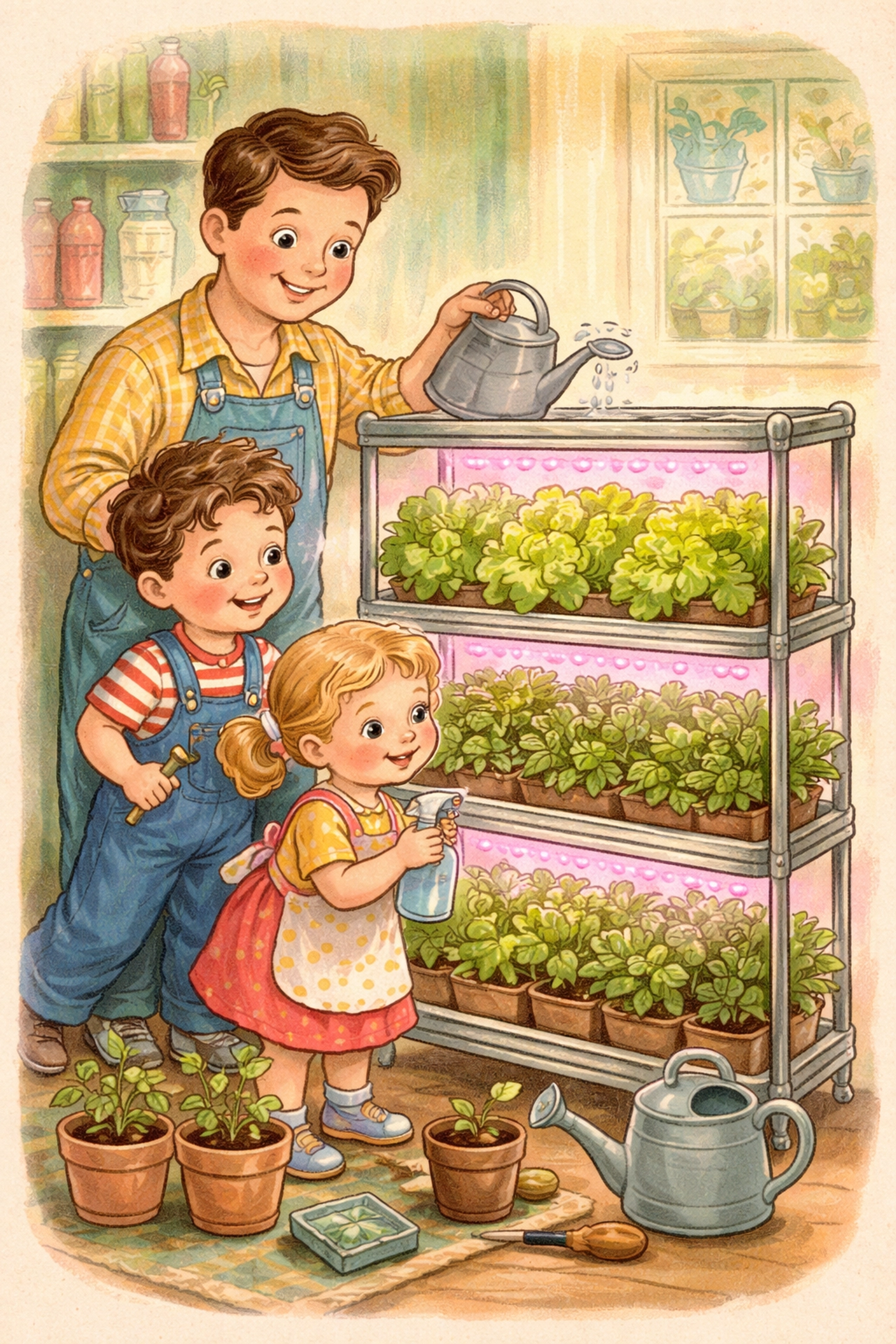
Rack farming is probably the most beginner-friendly vertical setup for families. You're essentially turning a basic metal shelving unit into a mini indoor farm.
What You Need:
- A metal wire shelving unit (any size: start with a 3-tier)
- LED grow lights (clip-on or strip lights work great)
- Shallow trays or containers
- Potting mix or a simple hydroponic setup
- Seeds (lettuce and herbs are perfect starters)
Step-by-Step Setup:
Position your shelf near an outlet. Basements, garages, or spare corners work well since you're providing artificial light anyway.
Attach grow lights to the underside of each shelf so they shine down on the tray below. LED strip lights can be stuck on with adhesive backing: let your kids help with this part.
Fill your trays with potting mix about 2 inches deep, or set up a shallow water reservoir for hydroponic growing.
Plant your seeds according to packet directions. Microgreens are ready in 7-14 days, making them perfect for impatient little farmers.
Set a timer for your lights: most leafy greens need 12-16 hours of light daily.
Family Tip: Let each kid "own" one shelf tier. They can choose what to grow and track their progress with a simple chart.
DIY Idea #2: Tower Gardens
Best for: Patios, balconies, or sunny indoor corners
What you'll grow: Strawberries, lettuce, Swiss chard, herbs, spinach, kale
Tower gardens grow plants in stacked pockets or openings around a central column. Water and nutrients flow from the top down, reaching every plant. These systems produce surprisingly high yields in about two square feet of floor space.
What You Need:
- A vertical tower planter (DIY with stacked buckets or buy a ready-made system)
- A small water pump (for hydroponic towers)
- Net pots and growing medium
- Liquid nutrients (for hydroponic) or potting soil (for soil-based towers)
- Seedlings or seeds
Step-by-Step Setup:
Build or assemble your tower. For a DIY version, drill 2-inch holes around the sides of 5-gallon buckets, then stack them. The bottom bucket holds the water reservoir.
Install a small pump in the reservoir that pushes water up through tubing to the top of the tower. Gravity does the rest.
Insert net pots with seedlings into each opening. Herbs and lettuce transplant easily.
Fill the reservoir with water and add liquid nutrients according to package directions.
Check water levels daily: towers can drink a lot, especially in warm weather.
Family Tip: This is a great project for kids interested in how plants eat. You can explain that the roots are "drinking" their food directly from the water instead of pulling it from soil.
For more on hydroponic systems sized right for families, check out our guide on how much space you need for a productive hydroponic garden.
DIY Idea #3: Hanging Tumbling Planters
Best for: Apartments, porches, or anywhere with more airspace than floor space
What you'll grow: Strawberries, cherry tomatoes, trailing herbs, bush beans

This method is pure fun. Plants grow downward from hanging containers, tumbling over the edges like a green waterfall. It works beautifully when you've got ceiling hooks, porch eaves, or strong railings but zero floor space to spare.
What You Need:
- Hanging baskets or buckets with drainage holes
- Strong hooks or brackets rated for the weight
- Quality potting mix
- Trailing plant varieties (tumbling tomatoes, strawberries, trailing rosemary)
Step-by-Step Setup:
Install sturdy hooks in your ceiling, eave, or railing. A hanging basket full of wet soil gets heavy: make sure your hardware can handle 20-30 pounds.
Line baskets with coconut coir liner or landscape fabric if there are large gaps.
Fill with potting mix and plant your seedlings near the edges so they can trail over.
Water thoroughly and check daily. Hanging planters dry out faster than ground-level containers because air circulates all around them.
Rotate occasionally so all sides get even light exposure.
Family Tip: Strawberries in hanging baskets put ripe berries right at kid-picking height. No bending, no searching: just grab and eat.
DIY Idea #4: Wall-Mounted Pocket Planter Systems
Best for: Patios, fences, balcony walls, or indoor accent walls
What you'll grow: Herbs, lettuce, small peppers, strawberries, succulents
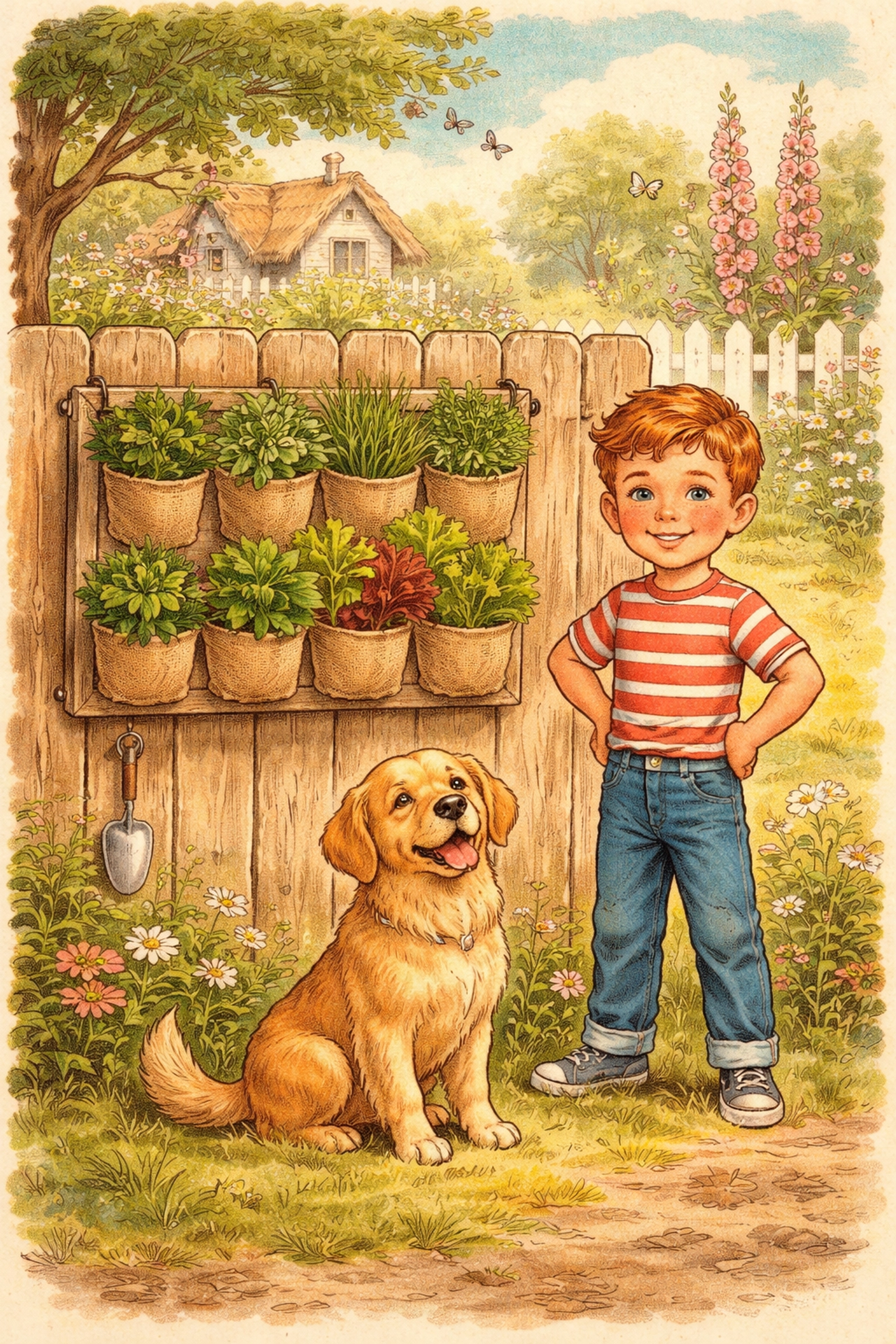
Wall pockets turn a boring fence or blank wall into productive growing space. These fabric or plastic pocket systems hang flat against a surface, with individual compartments for each plant.
What You Need:
- A wall pocket planter (fabric felt versions are affordable and widely available)
- Mounting hardware appropriate for your wall type
- Lightweight potting mix
- Small plants or seedlings
Step-by-Step Setup:
Choose your wall. South-facing outdoor walls get the most sun. Indoor walls near windows work too.
Mount the pocket system securely. Most come with grommets for screws or hooks.
Fill each pocket about three-quarters full with lightweight potting mix. Avoid heavy garden soil: it compacts and gets waterlogged.
Plant one seedling per pocket. Herbs like basil, cilantro, and parsley do wonderfully. So do small lettuce varieties.
Water from the top and let it drain down. Check moisture levels frequently since pockets dry out quickly.
Family Tip: Create a "pizza herb wall" with basil, oregano, and parsley. Kids can harvest their own toppings for homemade pizza night.
DIY Idea #5: Trellis and Support Structures
Best for: Small garden beds, raised beds, or container gardens
What you'll grow: Beans, peas, cucumbers, tomatoes, small melons

Sometimes the simplest approach wins. Many vegetables want to climb: they just need something to grab onto. A basic trellis turns a single square foot of ground space into several square feet of vertical growing area.
What You Need:
- Wooden stakes, bamboo poles, or metal posts
- Garden twine, wire, or netting
- Soft plant ties
- Climbing vegetable seeds or seedlings
Step-by-Step Setup:
Install vertical supports at the back of your garden bed or container. Sink posts at least 6-8 inches deep for stability.
Create a climbing surface by stretching wire, twine, or netting between posts. A simple A-frame or lean-to shape works great.
Plant climbers at the base. Pole beans, peas, and cucumbers are the easiest for beginners.
Guide young vines toward the trellis. Once they grab on, they'll keep climbing on their own.
Tie heavy fruits (like cucumbers or small melons) to the structure with fabric strips so they don't pull vines down.
Family Tip: Bean teepees made from bamboo poles create a secret hideout underneath. Plant scarlet runner beans for edible red flowers that attract hummingbirds.
Quick Maintenance Tips for All Vertical Gardens
No matter which system you build, keep these basics in mind:
- Water more often. Vertical gardens drain and dry faster than traditional beds. Check soil moisture daily.
- Ensure drainage. Waterlogged roots rot quickly. Every container needs holes or a way for excess water to escape.
- Watch your light. Most edibles need 6+ hours of direct sun (or 12+ hours under grow lights).
- Space for airflow. Don't cram plants too tightly. Good air circulation prevents mold and disease.
- Feed regularly. Container and hydroponic plants can't pull nutrients from surrounding soil, so supplement with liquid fertilizer every 2-4 weeks.
Ready to Build Your First Vertical Garden?
Pick one of these five ideas and start small. A single shelf with grow lights or three hanging strawberry baskets is enough to get your family hooked on growing food in tiny spaces.
Once you've got the basics down, you might want to explore our guide on building a DIY aquaponics system on a budget for an even more hands-on family project.
Happy growing!
FAQ: Vertical Gardening for Families
What are the best plants for a vertical garden? Strawberries, herbs, and leafy greens like spinach or lettuce are perfect because they don't have very deep roots and love to grow in smaller pockets.
How do I water a vertical garden without making a mess? It's best to water from the top and let the extra moisture "trickle down" to the lower levels. Using a spray bottle or a watering can with a narrow spout helps keep the water exactly where it needs to be.
Can we build a vertical garden indoors? Absolutely! You can use hanging shoe organizers or wall-mounted planters in a sunny spot like a kitchen or sunroom. It's a great way to grow fresh food even if you don't have a backyard.
References:
- Vertical farming and rack farming techniques for small spaces
- Tower gardens, hanging planters, wall pockets, and trellis systems for home growers