



Direct Answer: Gardening with your family dog helps kids learn patience, responsibility, perseverance, kindness, and teamwork through hands-on activities and simple routines. When kids include a friendly pup in the garden (safely), they stay engaged longer and connect emotionally to the work of caring for living things.
Why Garden With Your Family Dog?
Picture a cozy neighborhood with tidy gardens and white picket fences. Now imagine your family dog trotting along beside you while you water, weed, and plant. A friendly pup can make garden time feel like play: and that’s exactly why it works so well for kids.
Your dog doesn’t need to be “trained for gardening” to be part of the experience. With a few simple boundaries (like staying on paths and not digging in beds), your family can build routines together and let your kids learn big character lessons in a very normal, real-life way.
Lesson One: Patience Grows Like a Sunflower
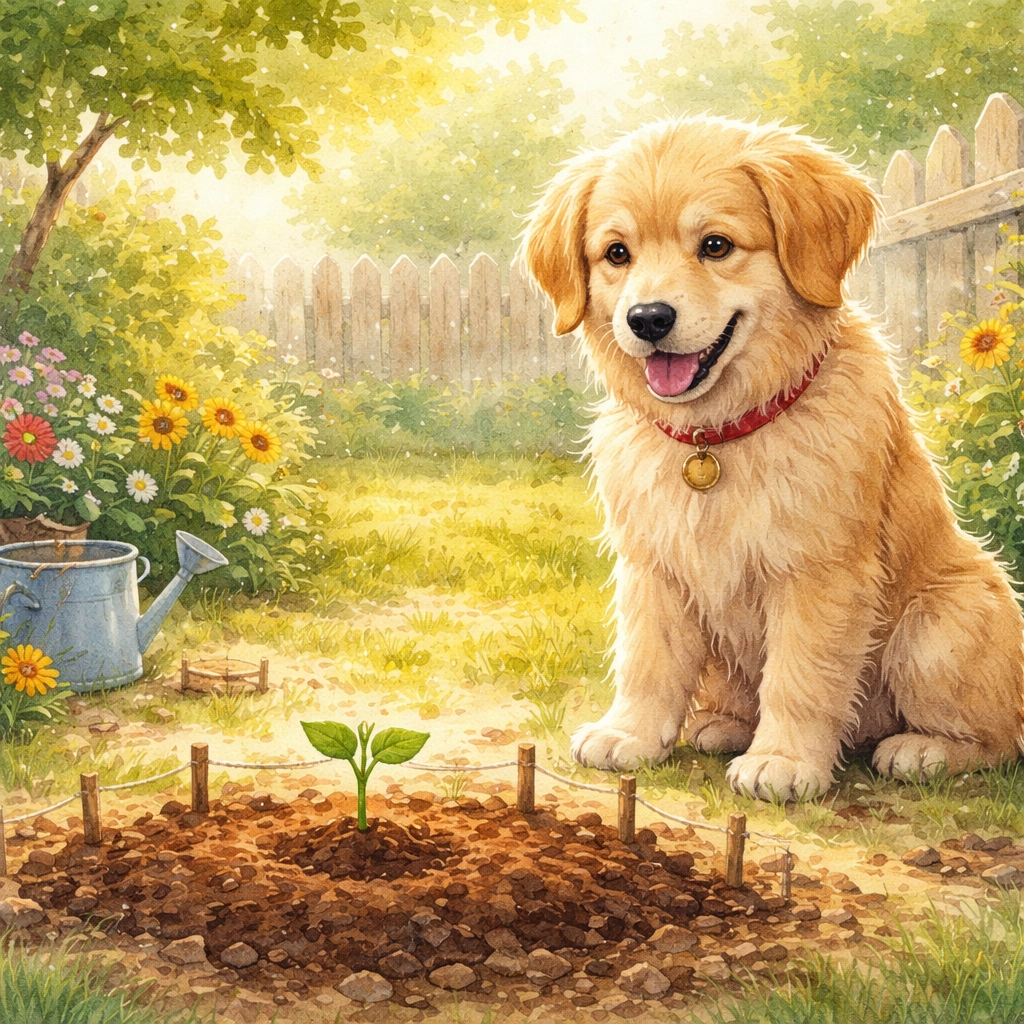
Your dog would love the sunflower right now. Your kids might too. You plant a seed, water it, and… nothing happens for a while.
"Maybe we should dig it up and check," a kid might say.
That’s your chance to teach the lesson: good things take time. The seed is working hard underground where you can’t see it.
Day after day, you check your little patch of soil together. First comes a tiny green sprout. Then leaves. Then a tall stalk. Finally, a beautiful golden sunflower that feels like a win for the whole family (including the pup supervising nearby).
Try This at Home: The Patience Experiment
Plant two types of seeds with your kids:
- Fast growers like radishes or lettuce (ready in 3-4 weeks)
- Slow growers like sunflowers or pumpkins (ready in 2-3 months)
Create a simple chart and let your children mark each day. Talk about how waiting feels hard but the reward is worth it. When those first sprouts appear, celebrate together, just like Wendell did.
Lesson Two: Responsibility Means Showing Up Every Day
One summer week, Wendell got distracted. There was a squirrel to chase. A sunny spot perfect for napping. A fascinating hole to dig in the far corner of the yard.
He forgot about his bean plants for five whole days.
When he finally remembered, his beans were droopy and sad. Their leaves were brown at the edges. Wendell felt terrible.
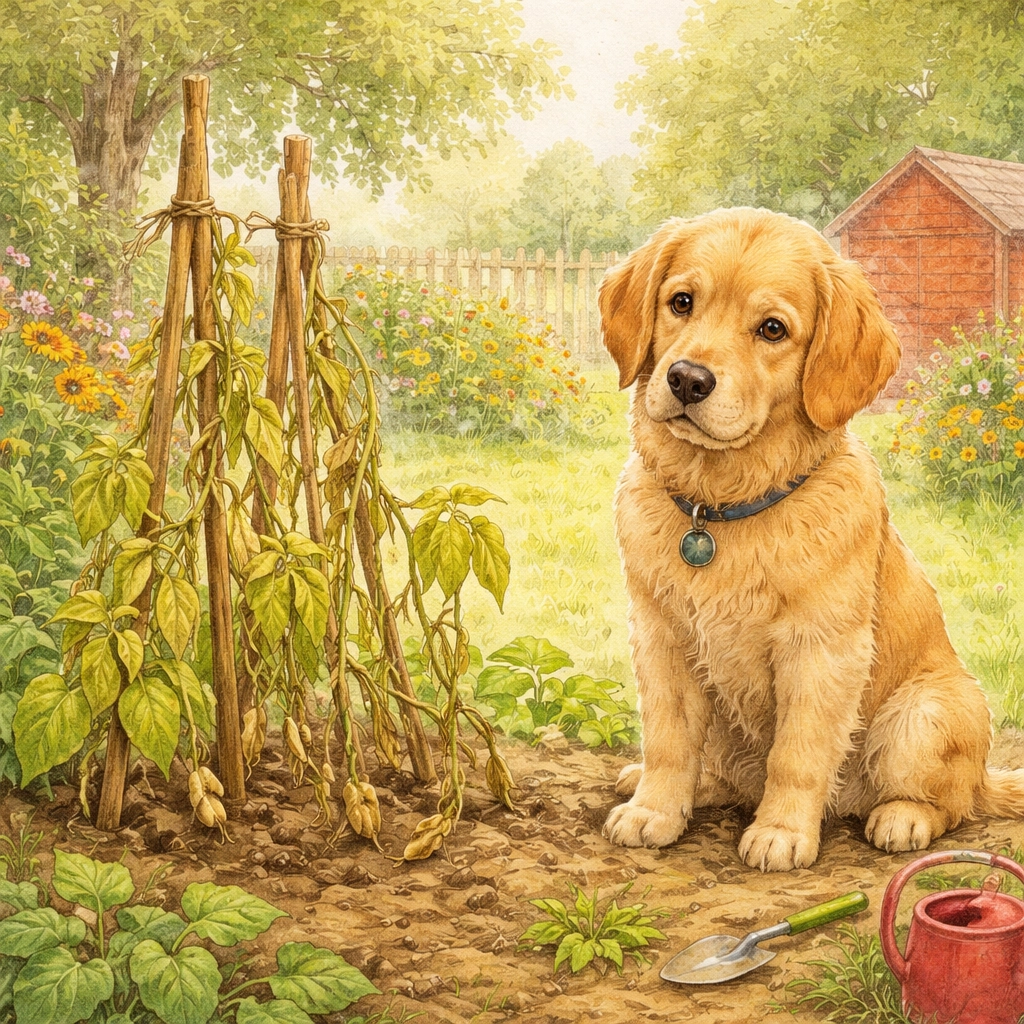
"Plants depend on us," Mrs. Bramble reminded him gently. "They can't get their own water or pull their own weeds. When we make a promise to care for something, we have to keep it, even when it's not exciting."
Wendell watered those beans every single morning after that. He talked to them. He pulled the weeds that tried to crowd them. Slowly, they perked back up and rewarded him with the crunchiest, most delicious green beans in the whole village.
Try This at Home: The Garden Care Calendar
Give your child ownership of one plant or one small section of your garden. Help them create a simple daily checklist:
- ☐ Check if soil is dry
- ☐ Water if needed
- ☐ Look for bugs or problems
- ☐ Say something nice to the plant
Yes, talking to plants counts. Studies suggest it might actually help them grow: and it definitely helps kids feel connected to their garden responsibilities.
Lesson Three: Perseverance When Things Go Wrong
The great tomato disaster of August can nearly break anyone’s spirit.
You grew the most beautiful tomato plant. It had dozens of little yellow flowers turning into green tomatoes. You were so proud.
Then came the storm.
Wind and rain battered the neighborhood all night long. In the morning, you find your tomato plant knocked completely over, its stem cracked and bent.
It’s tempting to give up. What’s the point?
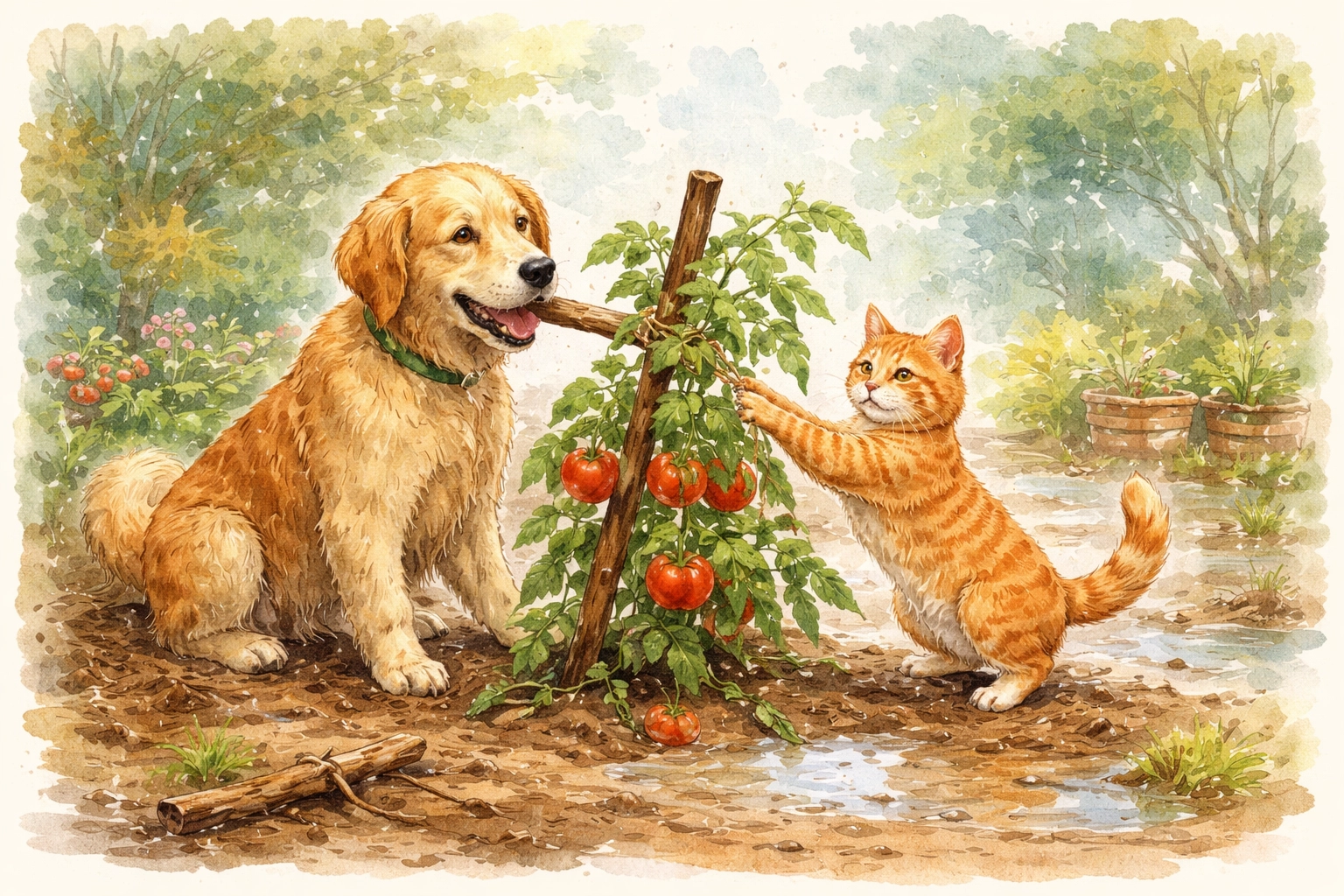
But your cat (or just your inner voice) might remind you: "Gardens teach us that setbacks aren't the end. Let's see what we can save."
Together, you gently prop up the plant with a wooden stake. You trim the damaged parts. You give it extra love and attention. And you know what? That tough little tomato plant might survive. It may produce fewer tomatoes than before, but they’ll taste extra sweet: because they represent never giving up.
Try This at Home: The Comeback Garden
When something goes wrong in your garden (and it will), resist the urge to throw it away immediately. Use it as a teaching moment:
- Assess the damage together
- Brainstorm possible solutions
- Try your best fix
- Watch and wait
- Celebrate any success, no matter how small
Even if the plant doesn't make it, you've taught your child that trying matters more than perfection.
Lesson Four: Kindness Means Sharing Your Harvest
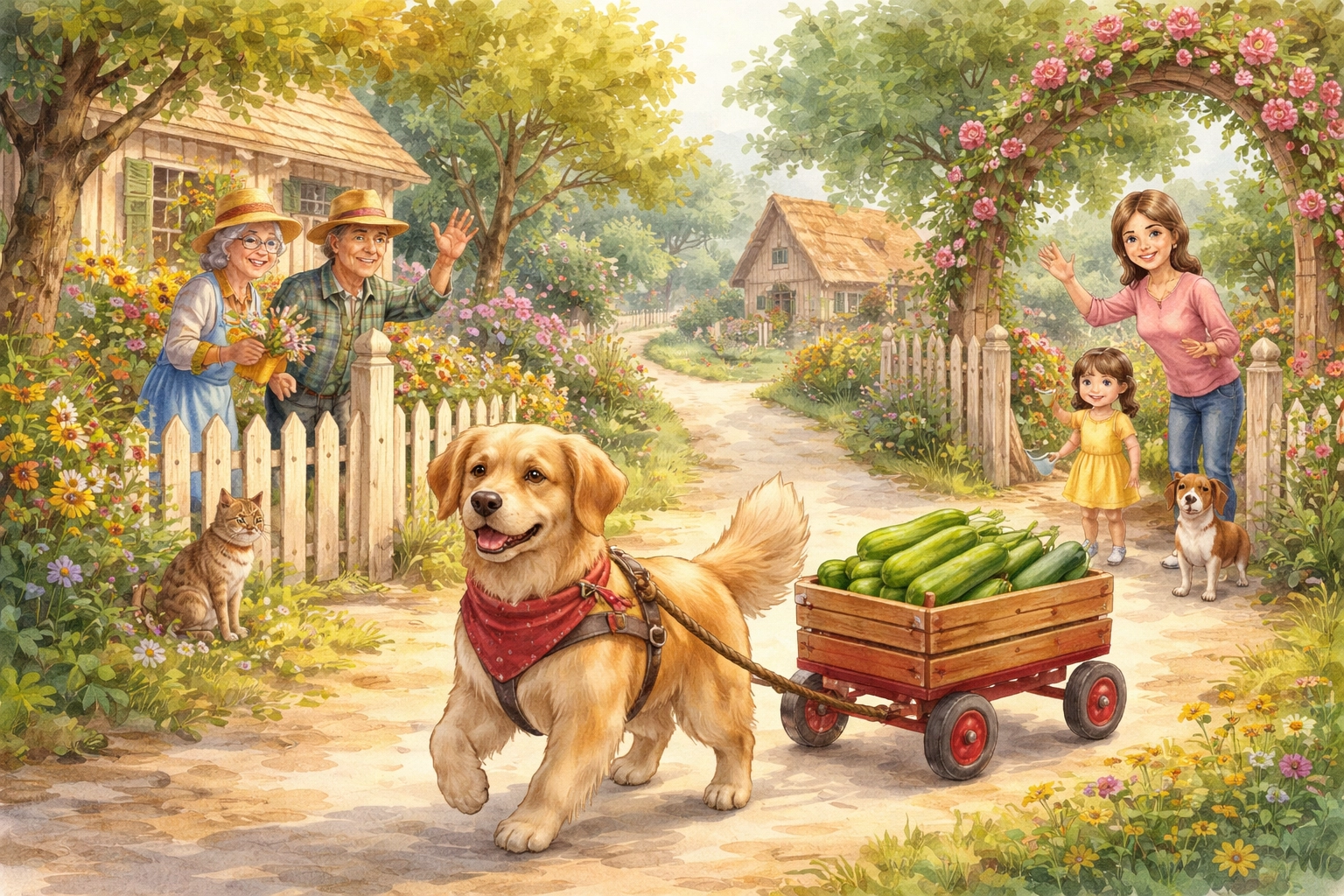
Your zucchini plants might go absolutely wild. You can end up with more zucchini than one family can eat.
At first, it’s tempting to keep it all. You worked hard, after all. You watered and weeded and waited. These are YOUR zucchinis.
But then you notice a neighbor whose garden didn’t do well that year. Or a family down the street with hungry kids. Or friends who’d love a surprise bag of homegrown food.
So you load up a little red wagon and deliver zucchini to anyone who could use some. The smiles you get back are better than any vegetable.
Try This at Home: The Sharing Harvest Box
When your garden produces more than you need:
- Decorate a box or basket with your kids
- Fill it with extra produce
- Deliver it to neighbors, friends, or a local food pantry
- Let your children hand over the gift personally
The pride on their faces when they share something they grew themselves? Priceless.
Lesson Five: Teamwork Makes the Garden Grow
The biggest lesson comes at the end of the growing season.
You realize you didn’t do any of it alone. A neighbor shared a tip. A friend helped you stake tomatoes. The bees pollinated your flowers. The worms enriched your soil. Even the rain and sun played their parts.
A garden is never a solo project. It's a community effort: just like a family.
Try This at Home: Assign Garden Roles
Give everyone in your family a garden job that plays to their strengths:
- Little ones: Watering with a small can, dropping seeds in holes
- Middle kids: Weeding, checking for pests, harvesting
- Older kids: Planning, researching, problem-solving
- Adults: Heavy digging, supervision, celebrating everyone's contributions
When harvest time comes, gather together and acknowledge each person's role. "We did this together" is one of the most powerful phrases a family can share.
Growing Character, One Garden Bed at a Time
A friendly family dog doesn’t have to be fictional to help teach real lessons. Patience, responsibility, perseverance, kindness, and teamwork: these aren't just nice ideas. They're skills your children will carry with them long after the last tomato is picked.
The garden is your classroom. The soil is your textbook. And the happy dog wagging their tail nearby? They’re cheering you on.
Now grab your trowel, gather your little ones, and get growing.
FAQ: Gardening With Kids and a Family Dog
What character lessons can kids learn from a friendly family dog in the garden? A dog can help reinforce kindness, loyalty, and the habit of helping others. When your pup “supervises” while kids water or weed, it’s an easy reminder that living things depend on us: and that we can be gentle and consistent with plants (and with siblings, too).
Is it easy for kids to relate to character lessons in the garden? Yes. The garden is a living classroom. Watching a plant grow (or struggle) helps kids understand patience and resilience in a way they can see, touch, and remember.
Can we use children’s books to help with gardening activities? Definitely. Reading a garden-themed story before heading outside is a simple way to set a positive, helpful mood for the day: then kids can “act out” the lesson by doing one small garden job.
More garden adventures for your family: