



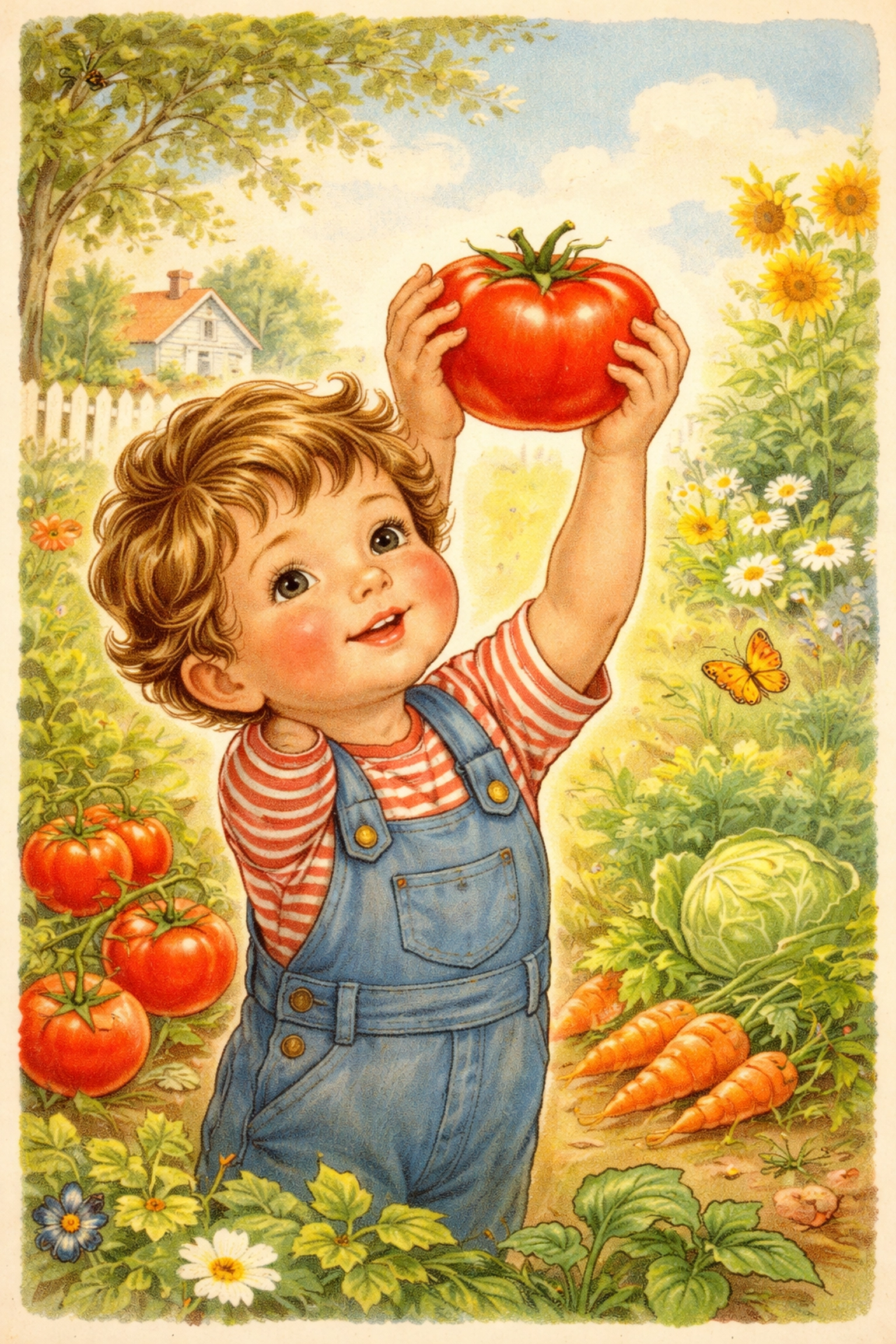
"I grew this" is a power phrase because it gives children proof of their own capability. When a child holds something they nurtured from seed to harvest, they're not just holding a tomato or a handful of lettuce: they're holding tangible evidence that their effort, patience, and care created something real. This builds what psychologists call an "internal locus of control," the belief that their actions directly shape outcomes. And that belief? It changes everything.
The Psychology Behind Three Simple Words
Think about what happens when a child says "I grew this."
They're not saying "it grew" or "the garden grew it." They're claiming ownership. They're connecting their personal effort to a real-world result. That connection is pure gold for developing minds.
Children constantly receive messages about what they can't do yet. They can't drive. They can't stay up late. They can't reach the top shelf. Their world is full of waiting and depending on grown-ups. But gardening hands them something different: a space where their choices genuinely matter.
When they water consistently, the plant thrives. When they forget, it wilts. When they harvest at the right time, they get the sweetest snap pea. This immediate, honest feedback loop teaches responsibility without lectures and builds confidence without empty praise.
Why Gardening Creates Confidence Like Nothing Else
Plenty of activities build skills in kids. Sports teach teamwork. Art encourages creativity. But gardening offers something uniquely powerful: visible, lasting proof of growth that mirrors their own.
Here's what makes it special:
It requires patience. In a world of instant everything, waiting weeks for a seed to become food teaches kids that good things take time: and that they have what it takes to wait.
It tolerates imperfection. Gardens are messy. Plants grow crooked. Bugs show up uninvited. Kids learn that imperfect doesn't mean failed, and that's a lesson many adults still struggle to accept.
It rewards consistency over talent. You don't need to be gifted to grow a radish. You just need to show up, water, and pay attention. This teaches kids that effort beats natural ability almost every time.
It ends with something to share. When a child brings a homegrown cucumber to dinner, they're contributing to the family in a real way. That feeling of being genuinely useful? It's confidence rocket fuel.
Creating "I Grew This" Moments at Home
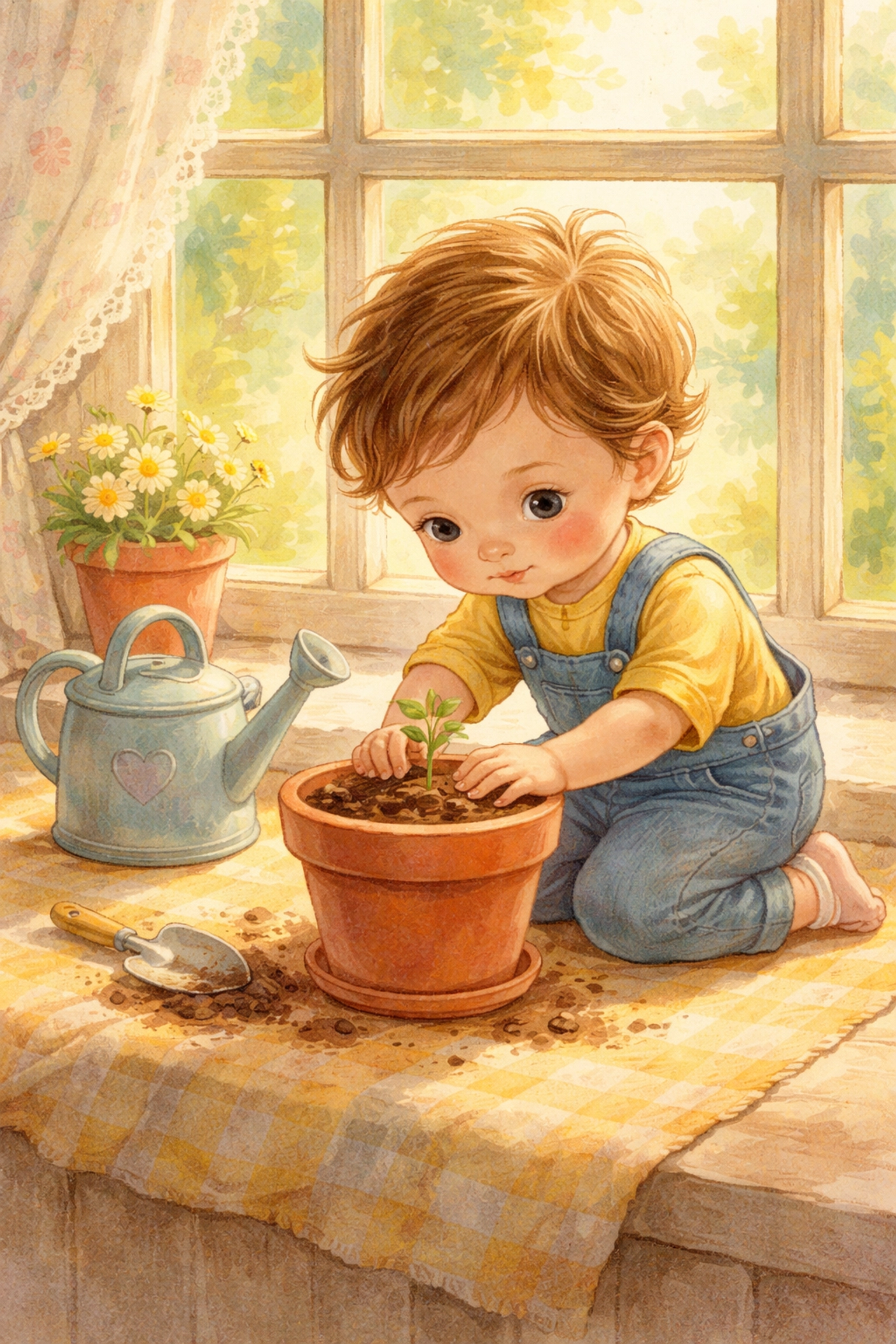
You don't need a farm to give your child this experience. You need a pot, some dirt, a few seeds, and the willingness to let them lead.
Start Ridiculously Small
Forget the elaborate raised bed for now. Give your child one container and one fast-growing plant. Radishes sprout in days. Lettuce is forgiving. Cherry tomatoes are exciting. Let them choose: ownership starts at the seed packet.
Let Them Do the Work (Really)
This is hard for parents. We want to "help" by doing the tricky parts. But every time we take over, we steal a tiny piece of their future confidence.
Let them:
- Get dirt under their fingernails
- Water too much (and learn from soggy soil)
- Pull a weed that turns out to be a seedling (whoops!)
- Figure out why the leaves look droopy
Mistakes are teachers. Your job is to stand nearby, not take over.
Document the Journey Together
Take photos weekly. Not for social media: for them. When harvest day comes, flip through those images together. Show them the tiny sprout that became the plant they're now holding. That visual timeline makes their growth undeniable.
Celebrate the Harvest Like It Matters
Because it does matter. When that first cherry tomato turns red, make a big deal. Not fake enthusiasm: real recognition.
"You did this. You planted it, you watered it, you waited, and now look what you made."
Then eat it together. Food tastes different when you grew it yourself. Kids notice.

The Ripple Effect: Confidence That Spreads
Here's what parents often don't expect: the confidence from gardening doesn't stay in the garden.
Kids who experience "I grew this" moments start applying that same thinking elsewhere:
- "I built this" (with blocks, with Legos, with recycled materials)
- "I solved this" (math problems, puzzles, conflicts with siblings)
- "I learned this" (reading, riding a bike, tying shoes)
They develop what researchers call a growth mindset: the belief that abilities can be developed through dedication and hard work. Kids with growth mindsets try harder, bounce back from failure faster, and ultimately achieve more.
One mom shared that after her daughter's first successful tomato plant, she started saying "I can figure this out" whenever she hit a hard homework problem. The garden taught her that effort leads to results, and she carried that lesson right to her desk.
Simple Activities That Build This Confidence
Looking for specific ways to create "I grew this" moments? Try these:
The Kitchen Scrap Experiment
Save the bottom of a romaine lettuce head or some green onion roots. Put them in a shallow dish of water on the windowsill. Let your child check them daily. Within a week, new growth appears: and they made it happen with literal garbage. Magic. (Want the full how-to? Check out our guide on making a DIY kitchen scrap regrow garden for under $10.)
The Seed Race
Plant three different types of fast-growing seeds at the same time. Let your child predict which will sprout first, track progress on a simple chart, and declare a winner. They're learning science while building investment in the outcome.
The "Feed the Family" Challenge
Challenge your child to grow one ingredient for a family meal. Even if it's just a handful of herbs, the pride of contributing something they grew to dinner is enormous.

What to Say (and What to Avoid)
The words we use around our kids' gardening efforts matter more than we realize.
Say this:
- "You worked hard on this."
- "Look what your effort created."
- "You stuck with it even when it was slow."
- "What do you think we should try differently next time?"
Avoid this:
- "You're such a natural!" (implies talent matters more than effort)
- "Let me fix that for you." (steals ownership)
- "It's okay, gardening is hard." (sets low expectations)
- "That's nice, honey." (dismissive, even when we don't mean it)
The goal is connecting their effort to the outcome. Every time. That's how "I grew this" becomes "I can do hard things."
The Long Game: Raising Capable Humans
Confidence isn't something we can give our children directly. We can't hand it over like a birthday present. But we can create environments where confidence grows naturally: where kids experience their own capability and start believing in it.
A garden is one of those environments. It's patient, honest, and wonderfully indifferent to excuses. Plants don't care if your child is shy or loud, athletic or bookish, struggling in school or sailing through. They only respond to care.
And when that care turns into a ripe tomato or a towering sunflower, your child gets to say three words that change how they see themselves:
"I grew this."
Those words become "I made this," "I figured this out," "I can handle this." They become the foundation of a human who believes in their own ability to affect the world.
That's not a small thing. That's everything.
FAQ
Why is "I grew this" such a powerful phrase for kids?
It gives them a sense of ownership and achievement. Knowing they cared for a living thing from a tiny seed to a full plant builds deep-seated confidence that they can do hard things.
What if my child's first gardening project fails?
That's part of the process! Encourage them to see it as an experiment. Talk about what might have happened (too much water? not enough sun?) and try again. Resilience is just as important as confidence!
How can I celebrate my child's garden success?
Let them lead the harvest and help prepare a meal using what they grew. You can also take a "victory photo" of them with their plant to show off their hard work to family and friends.
References:
- Dweck, C. S. (2006). Mindset: The New Psychology of Success. Random House.
- American Psychological Association resources on internal locus of control and child development.
- Parent testimonials on confidence-building strategies and growth mindset approaches.