



Aquaponics is a magical closed-loop system where fish waste feeds the plants, and the plants clean the water for the fish, no soil needed! It's like a tiny ecosystem in a tank, where finned friends and leafy greens work together in perfect harmony. Think of it as nature's ultimate buddy system, and it's one of the coolest science lessons you can bring into your home or classroom.
Ready to discover how this underwater garden actually works? Let's dive in!
What Exactly Is Aquaponics?
Imagine a fish tank and a garden had a baby. That baby is aquaponics!
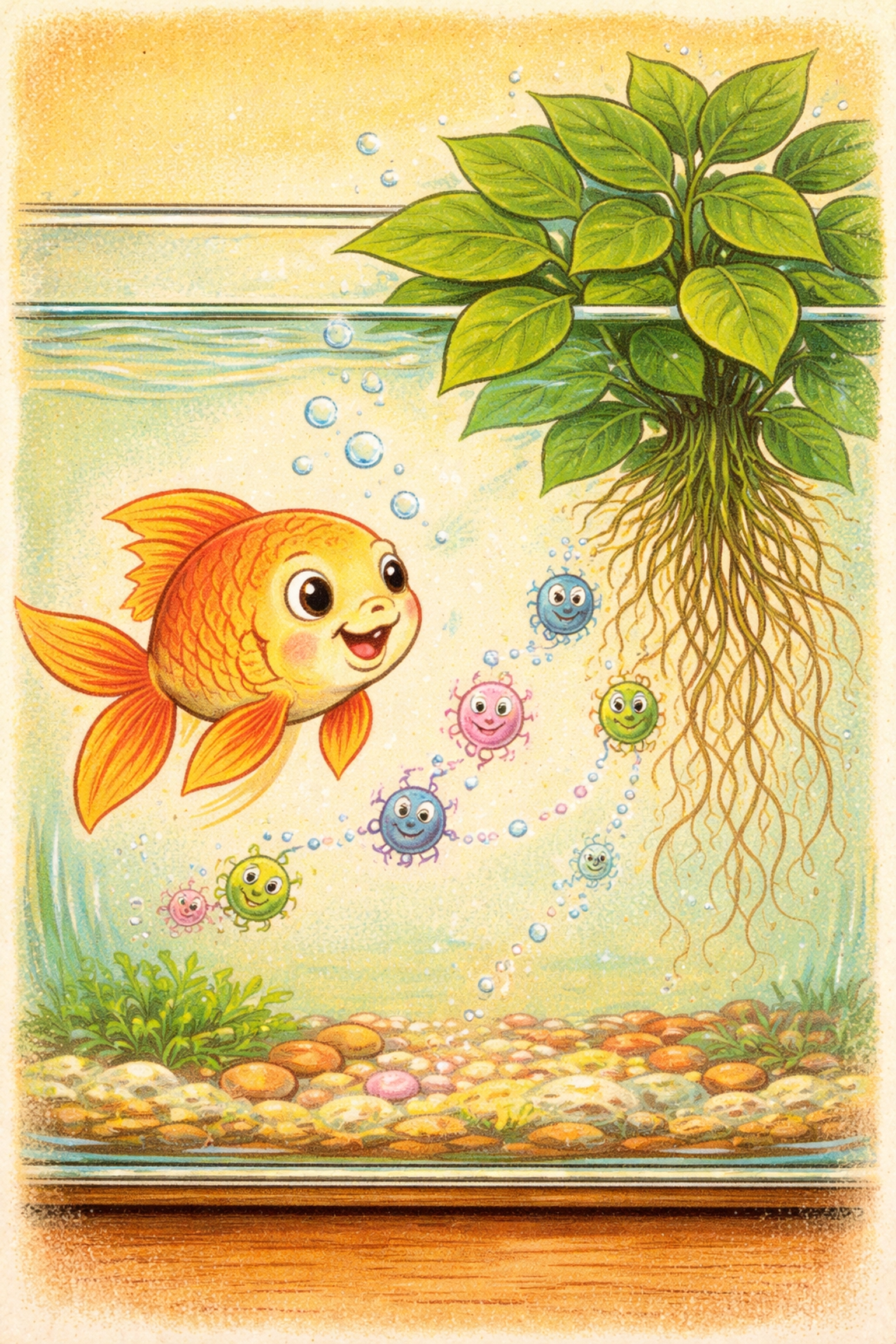
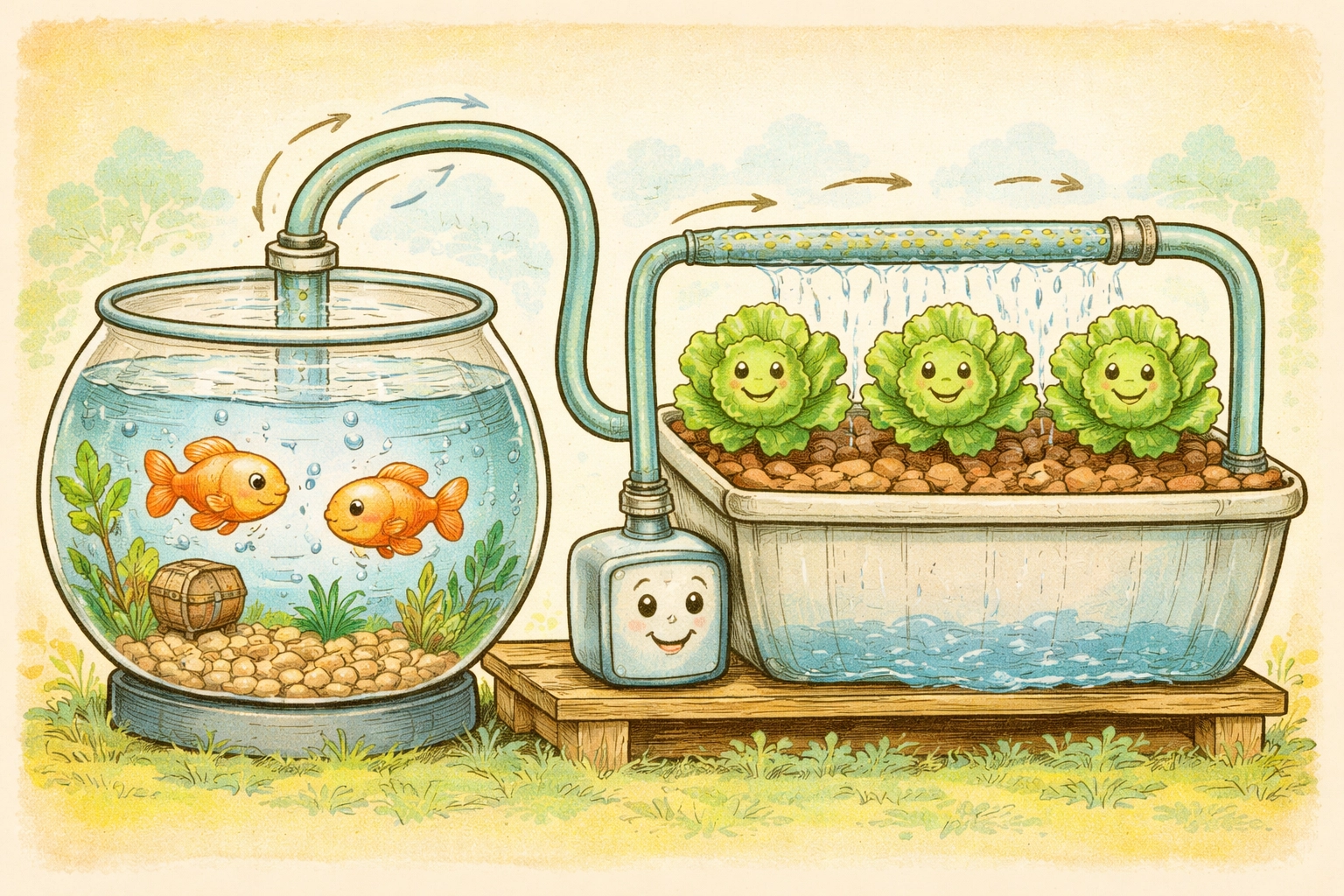
In a traditional garden, plants get their nutrients from soil. But in aquaponics, there's no dirt at all. Instead, plants float their roots in water that's been enriched by, wait for it, fish poop. Yes, really! Fish waste contains ammonia, which helpful bacteria transform into plant food. The plants gobble up those nutrients, and in return, they filter the water so it's clean and fresh for the fish.
It's a win-win-win situation: the fish get clean water, the plants get fed, and you get to watch science happen right before your eyes.
The Fish-Plant Friendship: How the Cycle Works
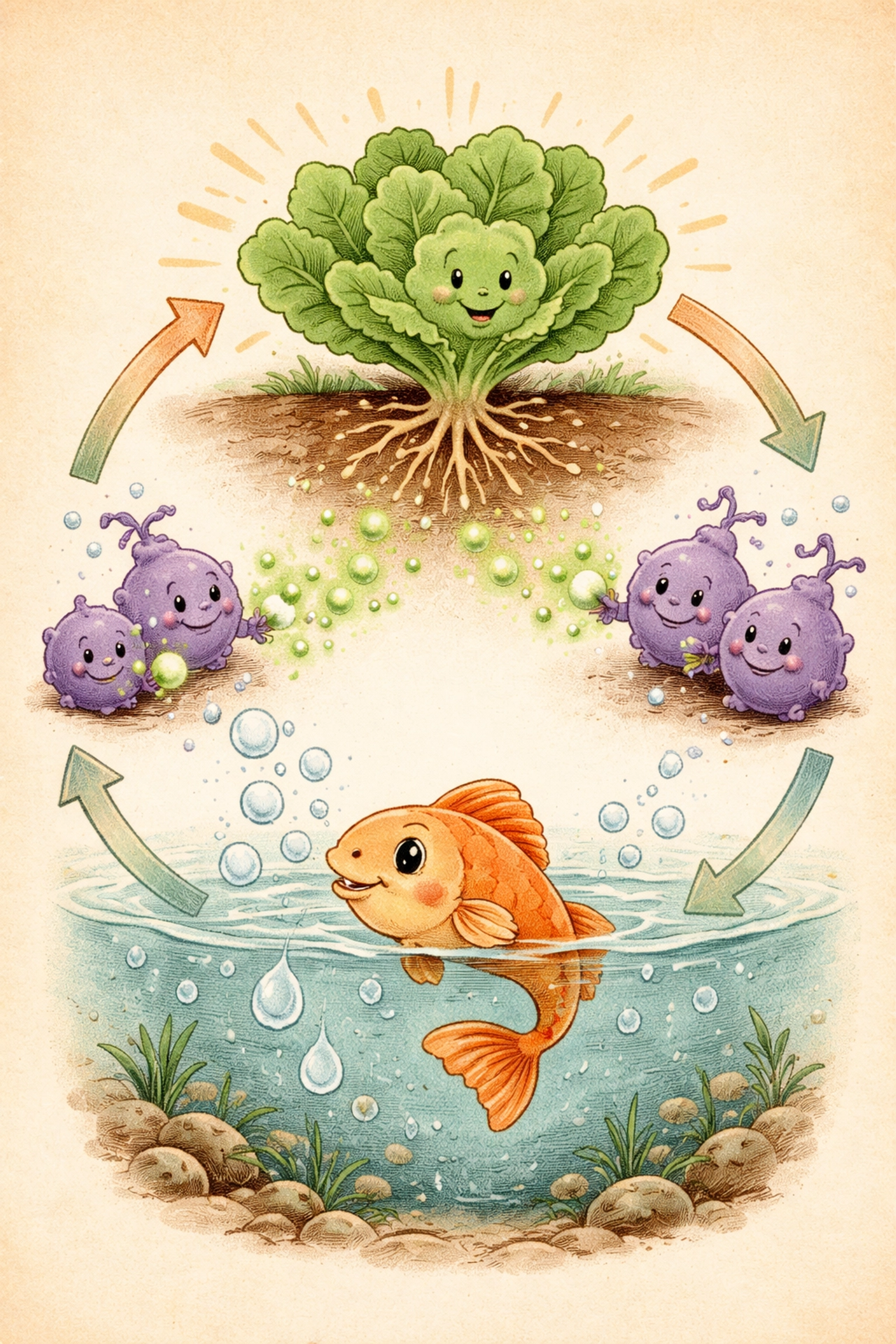
Here's the step-by-step breakdown of this fascinating loop:
Step 1: Fish Do Their Business
Fish eat food and produce waste (just like every living creature). This waste releases ammonia into the water. Too much ammonia would be harmful to the fish, but don't worry: the system has a plan.
Step 2: Bacteria to the Rescue
Tiny beneficial bacteria living in the grow bed convert that ammonia into nitrites, and then into nitrates. These bacteria are the unsung heroes of aquaponics! Kids can't see them, but without these microscopic helpers, the whole system would fall apart.
Step 3: Plants Get a Feast
Nitrates are like a gourmet meal for plants. The roots dangle in the nutrient-rich water and absorb all those goodies. Lettuce, herbs, tomatoes, and many other plants absolutely thrive in this setup.
Step 4: Clean Water Returns to the Fish
As the plants absorb the nitrates, they naturally filter and clean the water. This purified water flows back into the fish tank, and the whole cycle starts again!
This process mimics what happens in natural ecosystems like ponds and rivers: just shrunk down to fit in your living room or classroom.
The Nitrogen Cycle: Science Made Simple
The nitrogen cycle might sound like fancy science talk, but it's actually pretty simple when you break it down for kids:
- Ammonia (from fish waste) is toxic to fish in large amounts
- Nitrosomonas bacteria eat the ammonia and produce nitrites
- Nitrobacter bacteria eat the nitrites and produce nitrates
- Plants absorb the nitrates as food
- Clean water returns to the fish
You can teach kids to think of it like a relay race. The ammonia passes the baton to the bacteria, who pass it to the plants, who pass clean water back to the fish. Round and round it goes!
What's Inside an Aquaponics System?
Every aquaponics setup needs a few key parts:
Fish Tank: This is home base for your finned friends. Goldfish, tilapia, and koi are popular choices for beginners.
Grow Bed: Where the plants live! Instead of soil, you'll use grow media like clay pebbles or gravel to support the roots.
Water Pump: This keeps the water flowing between the fish tank and grow bed. Movement is essential: stagnant water won't work.
Tubing and Plumbing: Simple pipes or tubes connect everything together.
Grow Media: Clay pellets, river rocks, or expanded shale give plant roots something to grip onto while allowing water to flow freely.
If you're itching to build your own system at home, check out our guide on how to build a DIY aquaponics system on a budget for step-by-step instructions the whole family can follow.
Why Kids Love Aquaponics (And What They'll Learn)
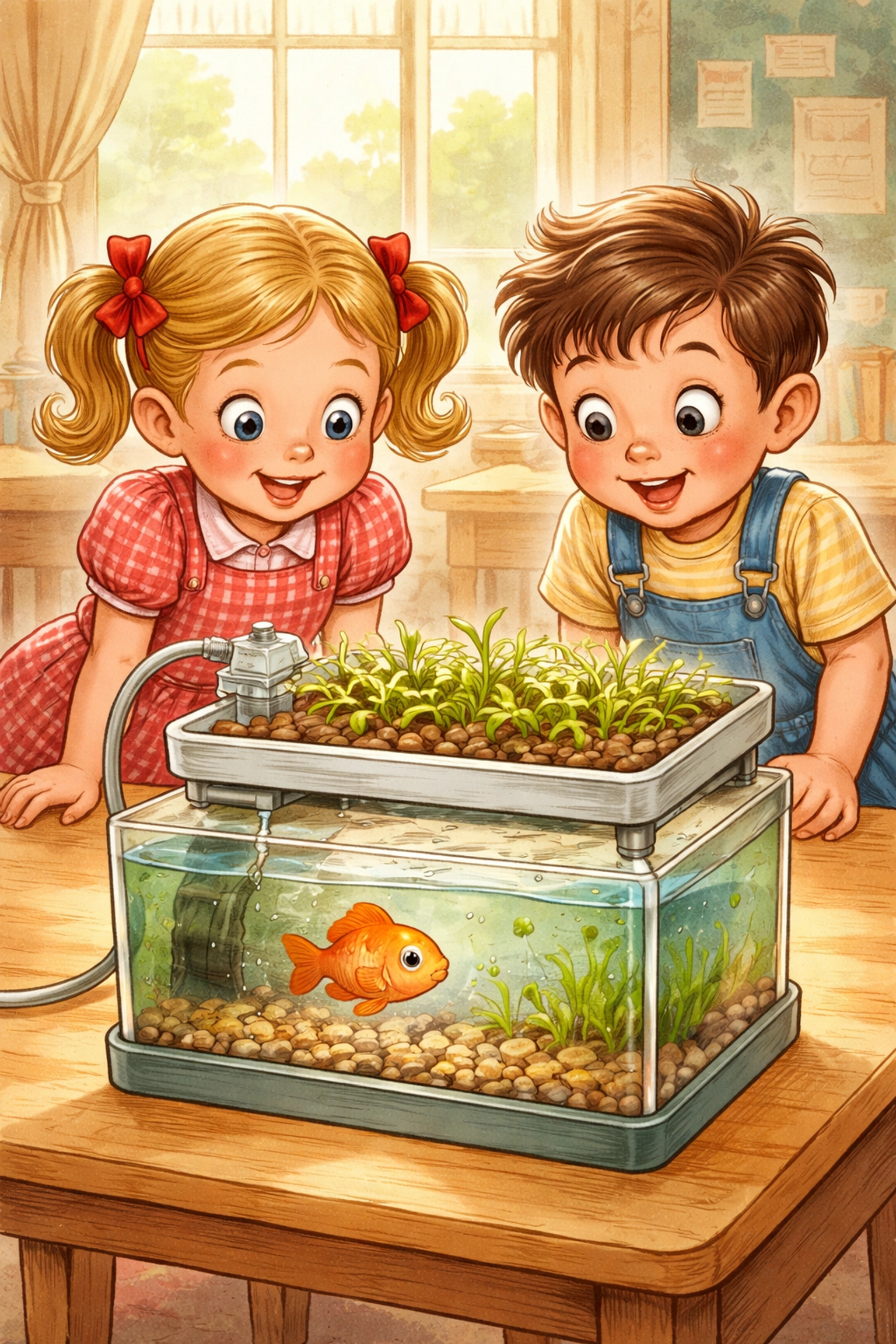
Aquaponics isn't just cool to look at: it's a powerhouse of learning opportunities disguised as fun.
Biology in Action
Kids get to observe fish behavior, watch plant roots grow, and see how living things depend on each other. It's a living science experiment that changes every day.
Understanding Ecosystems
This is symbiosis at its finest. Fish help plants. Plants help fish. Bacteria help everyone. Kids learn that nature is all about teamwork.
Math Skills
How much have the plants grown this week? How many grams of food do the fish need? Tracking measurements and feeding schedules builds practical math skills.
Responsibility and Patience
Taking care of fish and plants teaches kids that living things need consistent attention. They'll learn that good things take time: the system needs 2-4 weeks to fully cycle before adding fish!
Water Science
Testing pH levels and monitoring water temperature introduces basic chemistry concepts in a hands-on way.
Fun Aquaponics Experiments for Kids
Want to turn your aquaponics system into a science fair superstar? Try these experiments:
Growth Race: Plant the same seeds in your aquaponics system AND in regular soil. Measure and compare growth rates over several weeks. Which plants grow faster? Taller? Healthier?
Fish Food Math: Track exactly how much food your fish eat and how much waste they produce. Can kids find a connection between feeding amounts and plant growth?
Water Testing Journal: Use simple pH test strips to monitor water quality weekly. Create colorful charts showing how the levels change over time.
Root Watch: If you have a clear container, kids can observe how plant roots grow and spread through the water. It's like watching a slow-motion nature documentary!
Best Plants and Fish for Beginners
Not sure where to start? Here are some easy options:
Beginner-Friendly Plants:
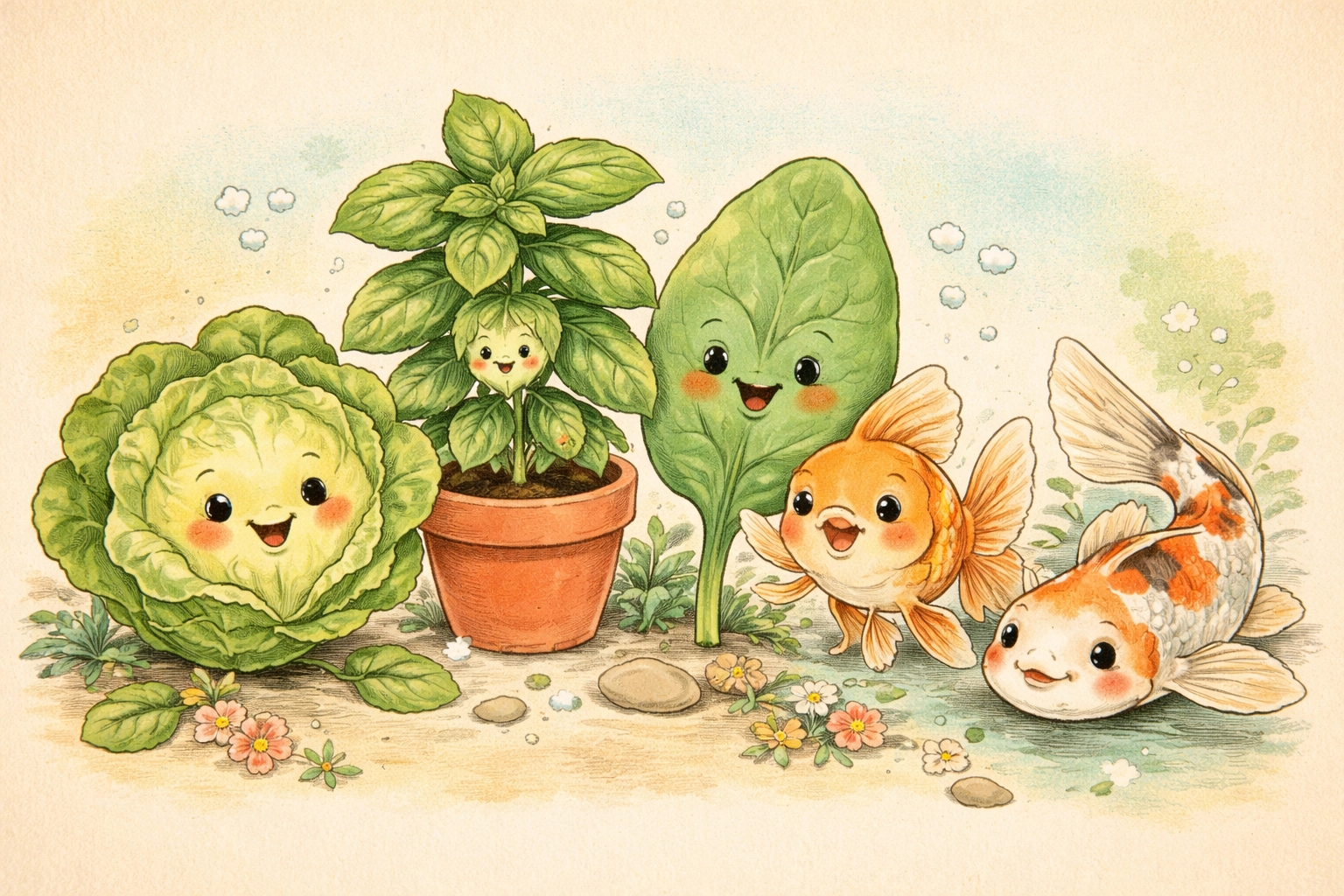
- Lettuce (grows fast and loves water)
- Basil and mint (herbs are hardy and smell amazing)
- Spinach (quick grower, great for salads)
- Watercress (practically made for aquaponics)
Beginner-Friendly Fish:
- Goldfish (affordable, hardy, and fun to watch)
- Koi (beautiful and resilient)
- Tilapia (great for larger systems, plus they're edible!)
Start small and work your way up. Even a simple desktop system can produce enough herbs for family dinners.
Tips for Aquaponics Success
Before you jump in, keep these pointers in mind:
Be patient with cycling. The bacteria need 2-4 weeks to establish before you add fish. Rushing this step can harm your fish.
Don't overfeed. Excess fish food creates excess waste, which throws off the whole balance. Feed only what your fish can eat in a few minutes.
Monitor water temperature. Most fish and plants prefer water between 65-80°F. Too hot or too cold, and things get stressed.
Start small. A simple tabletop system teaches the same science as a massive backyard setup: with way less hassle.
Involve the whole family. Assign feeding duties, plant measurement tasks, and water testing to different family members. Everyone gets to participate!
Bringing the Magic Home
Aquaponics shows kids that science isn't just something in textbooks: it's happening all around us, in every pond, stream, and backyard garden. By building their own miniature ecosystem, children learn about biology, chemistry, responsibility, and the beautiful interconnectedness of life.
Plus, there's something undeniably magical about growing crispy lettuce with the help of a tank full of happy, swimming fish.
Ready to start your aquaponics adventure? Gather your supplies, pick out some fishy friends, and watch the science unfold!
Aquaponics FAQ for Kids (Quick Answers)
- Do the fish and the plants live in the same water? Yes! In an aquaponics system, the fish water is pumped to the plants. The plants clean the water by taking out the nutrients, and then the fresh water is sent back to the fish. It’s a perfect circle!
- What kind of fish are best for a home aquaponics system? For small systems, goldfish or guppies are popular and easy to care for. In larger, professional systems, people often use tilapia.
- Is aquaponics harder than regular gardening? It has a bit more setup at the beginning, but once it's running, it’s actually very low maintenance because you don't have to water the plants or pull any weeds!
References:
- University extension aquaponics education programs
- STEM classroom aquaponics curriculum guides
- Home aquaponics system research and best practices