



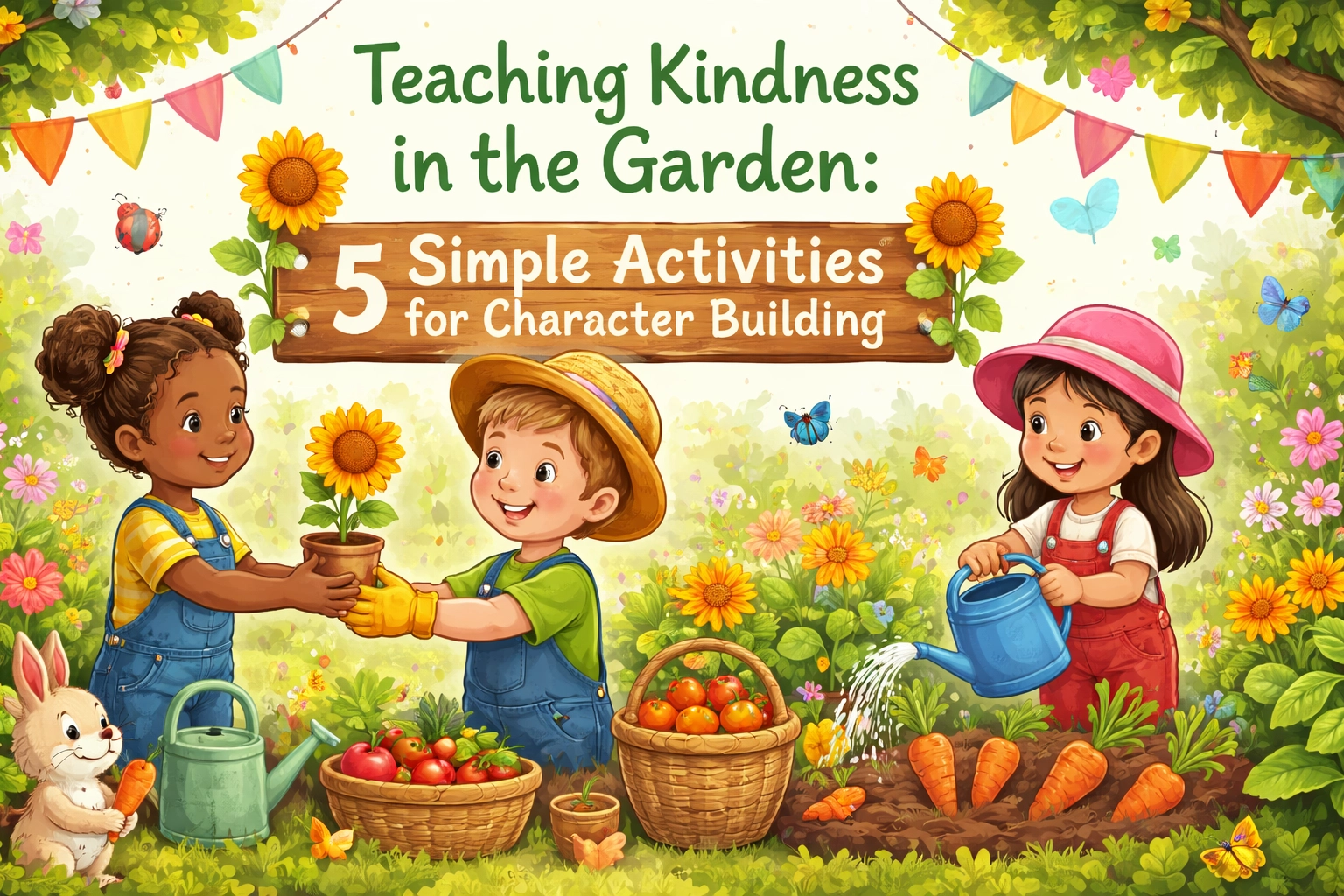
The short answer: You can teach kindness in the garden by having kids plant native flowers for pollinators, share their harvest with neighbors, save seeds to donate, organize community cleanups, and start a shared garden space. Each activity naturally builds empathy, generosity, and responsibility while getting hands dirty in the best way possible.
Gardens grow more than vegetables and flowers: they grow character. When children tend to living things, they learn patience, responsibility, and care. But with a few intentional activities, you can also use your garden to nurture kindness in ways that stick with kids for a lifetime.
Here at Tierney Family Farms, we believe that some of life's most important lessons happen between the rows of tomatoes and under the sunflower stalks. Let's dig into five simple activities that turn your garden into a kindness classroom.
Activity 1: Plant Native Flowers for Pollinators
What it teaches: Compassion for creatures who can't speak for themselves.
One of the easiest ways to introduce kindness in the garden is to plant something specifically to help others: even if those "others" have six legs and fuzzy stripes.
How to Do It
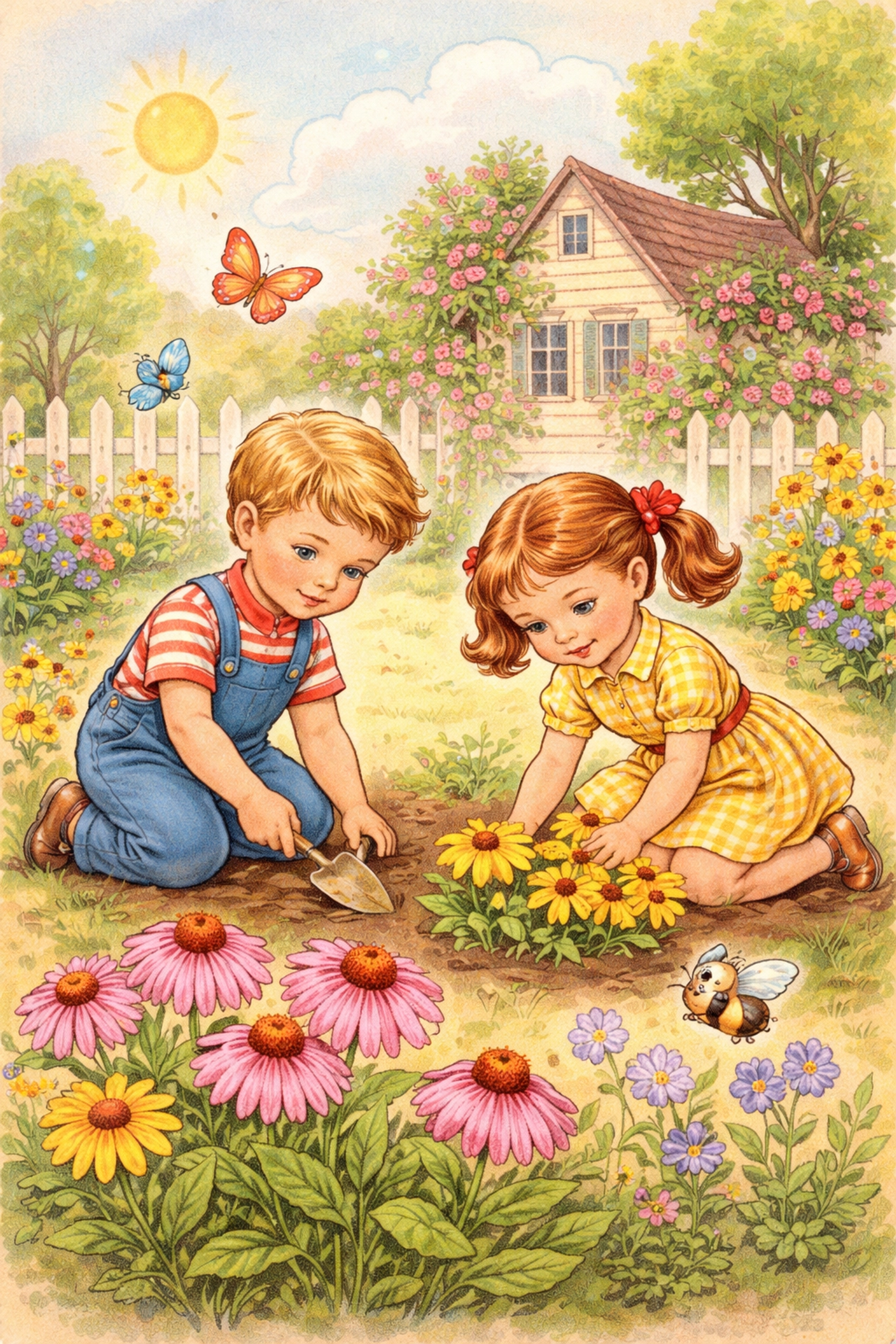
Research together. Look up which flowers are native to your area and support local bees, butterflies, and hummingbirds. Milkweed, coneflowers, and black-eyed Susans are great starting points for many regions.
Let your child choose. Give them ownership by letting them pick two or three varieties from your list.
Plant with purpose. As you dig holes and settle seedlings into the soil, talk about why pollinators matter. Explain that bees help grow the food we eat, and these flowers will give them energy and a safe place to rest.
Watch and wait. Over the weeks, observe which visitors come to your kindness garden. Keep a simple journal or drawing log of the butterflies and bees your child spots.
Why It Works
Children learn that their actions have real impact on living things they may never meet. That's the seed of empathy: understanding that kindness extends beyond our immediate circle.
Activity 2: Share Your Harvest with Neighbors or a Food Bank
What it teaches: Generosity and awareness of others' needs.
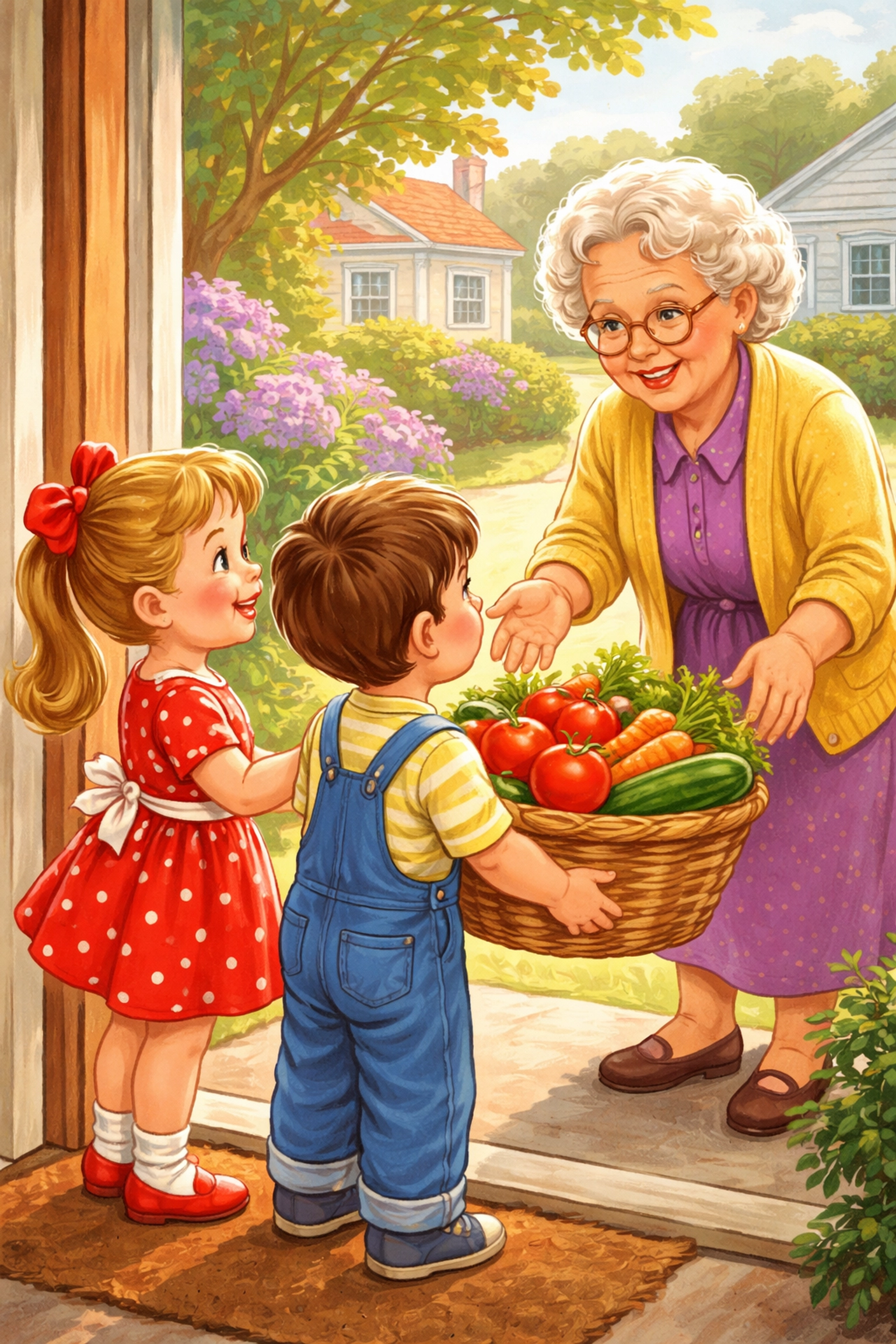
When your zucchini goes wild (and it will), you've got a golden opportunity to teach kids about sharing abundance.
How to Do It
Plan a "giving row." At planting time, designate one row or section of your garden specifically for donation. Let your child help choose what to grow: beans, tomatoes, and squash are usually welcome at food banks.
Harvest together. When produce is ready, have your child pick it, wash it, and pack it into bags or baskets.
Deliver in person. If possible, bring your child along when you drop off vegetables at a local food pantry, community fridge, or neighbor's doorstep. The face-to-face connection makes the act of giving tangible.
Talk about it. Ask questions like, "How do you think Mrs. Garcia will feel when she sees these tomatoes?" or "Why do you think some families might need extra vegetables?"
Why It Works
Kids often don't realize that not everyone has easy access to fresh food. This activity opens their eyes without lecturing: they simply experience the joy of giving something they grew themselves.
Activity 3: Collect and Save Seeds to "Plant It Forward"
What it teaches: Sustainability and the power of small gifts.
At the end of the season, instead of tossing spent flower heads or overripe tomatoes, show your child how to save seeds and pass them along to others.
How to Do It
Choose easy seeds. Marigolds, sunflowers, beans, and tomatoes are beginner-friendly for seed saving.
Harvest and dry. Let your child scoop seeds from the plant, spread them on a paper towel, and leave them to dry for a week or two.
Package with care. Fold dried seeds into small paper envelopes. Let your child decorate the packets and write the plant name on each one.
Find a home for them. Donate seed packets to a school garden program, community garden, or simply hand them to friends and family with a note that says, "Plant it forward!"
Why It Works
This activity teaches kids that generosity doesn't require money. Something as small as a handful of seeds can help someone else start their own garden: and that's a powerful lesson in the ripple effect of kindness.
Activity 4: Organize a Neighborhood Garden Cleanup Day
What it teaches: Service leadership and environmental responsibility.
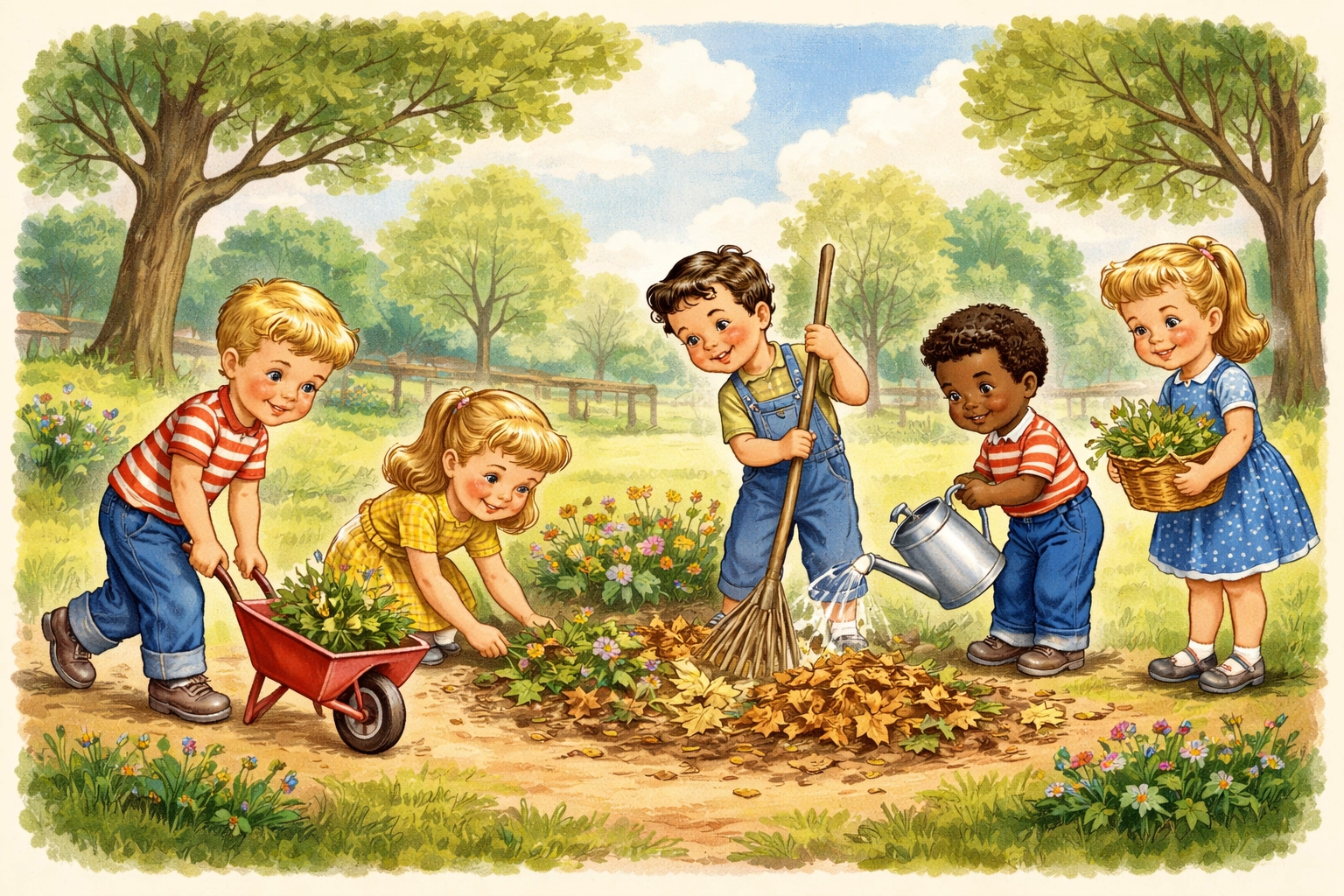
Sometimes kindness means rolling up your sleeves and helping with work that isn't glamorous. A neighborhood cleanup gives kids the chance to serve their community in a hands-on way.
How to Do It
Pick a spot. Choose a neglected community garden bed, a shared green space, or even a neighbor's yard (with permission, of course).
Make a plan. With your child, list the tasks: pulling weeds, trimming overgrown plants, picking up litter, or spreading mulch.
Invite friends. Make it a social event by asking other families to join. Kids are more likely to embrace service when friends are involved.
Celebrate the work. After cleanup, take before-and-after photos. Let your child see the visible difference their effort made.
Why It Works
Children learn that taking care of shared spaces is everyone's job: not just someone else's. They also experience the satisfaction of improving something for others without expecting anything in return.
Activity 5: Start a Community or School Garden Plot
What it teaches: Collaboration, inclusivity, and the joy of working together.
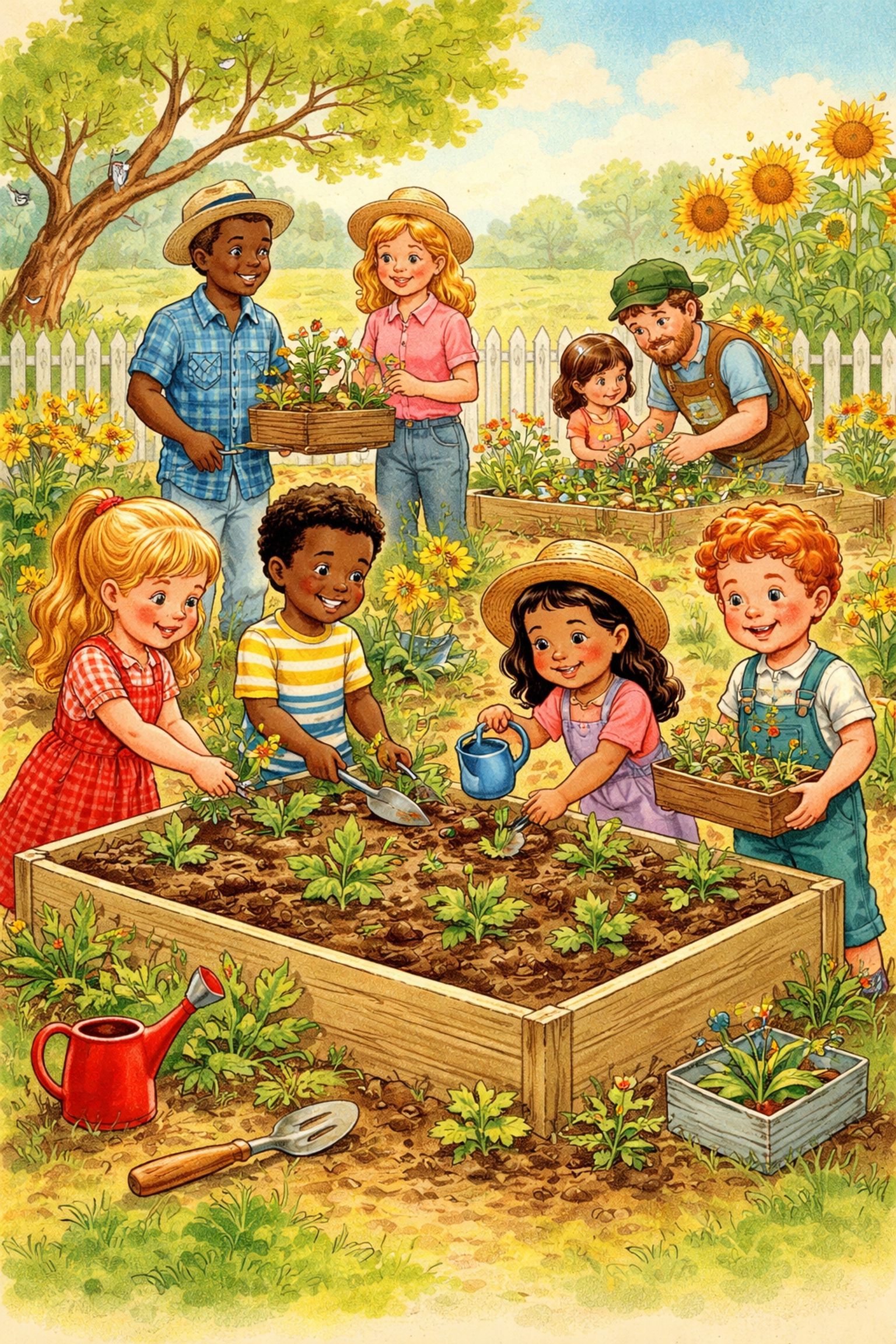
This one takes a bit more effort upfront, but the payoff in character-building is enormous. A shared garden space teaches kids that kindness and hard work go hand-in-hand.
How to Do It
Find your space. Talk to your school, church, or neighborhood association about available land. Even a few raised beds in a corner of a parking lot can become a community garden.
Rally helpers. Involve your child in recruiting other families. Let them hand out flyers or talk to classmates about the project.
Assign roles. Give each family or child a specific responsibility: watering on certain days, weeding a section, or harvesting when produce is ready.
Share the bounty. Decide as a group how to divide the harvest. Some gardens donate everything; others split produce among participants.
Why It Works
Working alongside others toward a common goal teaches kids that kindness often means showing up, doing your part, and trusting others to do theirs. It's a living lesson in community and cooperation.
Final Thoughts: Growing Kindness One Seed at a Time
The garden is already a classroom for patience and responsibility. By adding these five activities, you transform it into a place where kindness takes root and grows alongside your carrots and cucumbers.
You don't need a perfect garden or fancy supplies. You just need a willingness to slow down, talk about why we care for others, and let your child experience the rewards of generosity firsthand.
Start with one activity this season. Watch what happens. Then try another.
Before long, you won't just be growing vegetables: you'll be growing a kinder kid.
Looking for more hands-on family garden projects? Check out our guide on how to create a DIY worm composting bin with children or learn how to make a kitchen scrap regrow garden for under $10.
FAQ: Teaching Kindness in the Garden
- How can we share our garden harvest with neighbors? Kids can help put together "garden gift baskets" with a few extra tomatoes or a bunch of herbs. Adding a hand-drawn note makes it a wonderful act of kindness.
- Why is it important to teach kindness in the garden? The garden teaches kids that everything is connected. Caring for the earth, the bugs, and the plants naturally leads to a more caring and kind attitude toward people, too.
- What is an easy kindness project for a busy family? Simply planting a few extra flowers that pollinators love is a great way to show kindness to the environment. It’s a small act that has a big, positive impact on the world around you.
References
- National Wildlife Federation: Benefits of Native Plants for Pollinators
- American Community Gardening Association: Starting a Community Garden
- USDA: Seed Saving Basics for Home Gardeners