



Quick Answer: Teaching kids food security at home gives them lifelong skills to make healthy choices, understand where food comes from, and feel confident feeding themselves: no matter what life throws at them. It breaks cycles of poor nutrition, builds independence, and turns abstract concepts into hands-on learning that actually sticks.
Food security isn't just about having enough to eat today. It's about understanding how to grow, prepare, store, and access nutritious food for the long haul. When you teach these skills early, you're not just filling bellies: you're building capable, resourceful humans.
What Does "Food Security" Actually Mean for Families?
Food security means having reliable access to enough affordable, nutritious food to live a healthy life. For kids, it also means understanding the how and why behind the food on their plates.
Here's what food-secure kids learn to do:
- Identify nutritious foods and understand why they matter
- Grow simple edibles indoors or outdoors
- Prepare basic meals with minimal supervision
- Reduce food waste through smart storage and planning
- Problem-solve when ingredients are limited
When children grasp these concepts, they're not just helping out at dinner: they're building a foundation that research shows leads to better concentration in school, higher attendance rates, and fewer behavioral problems.
Why Start Teaching Food Security Young?
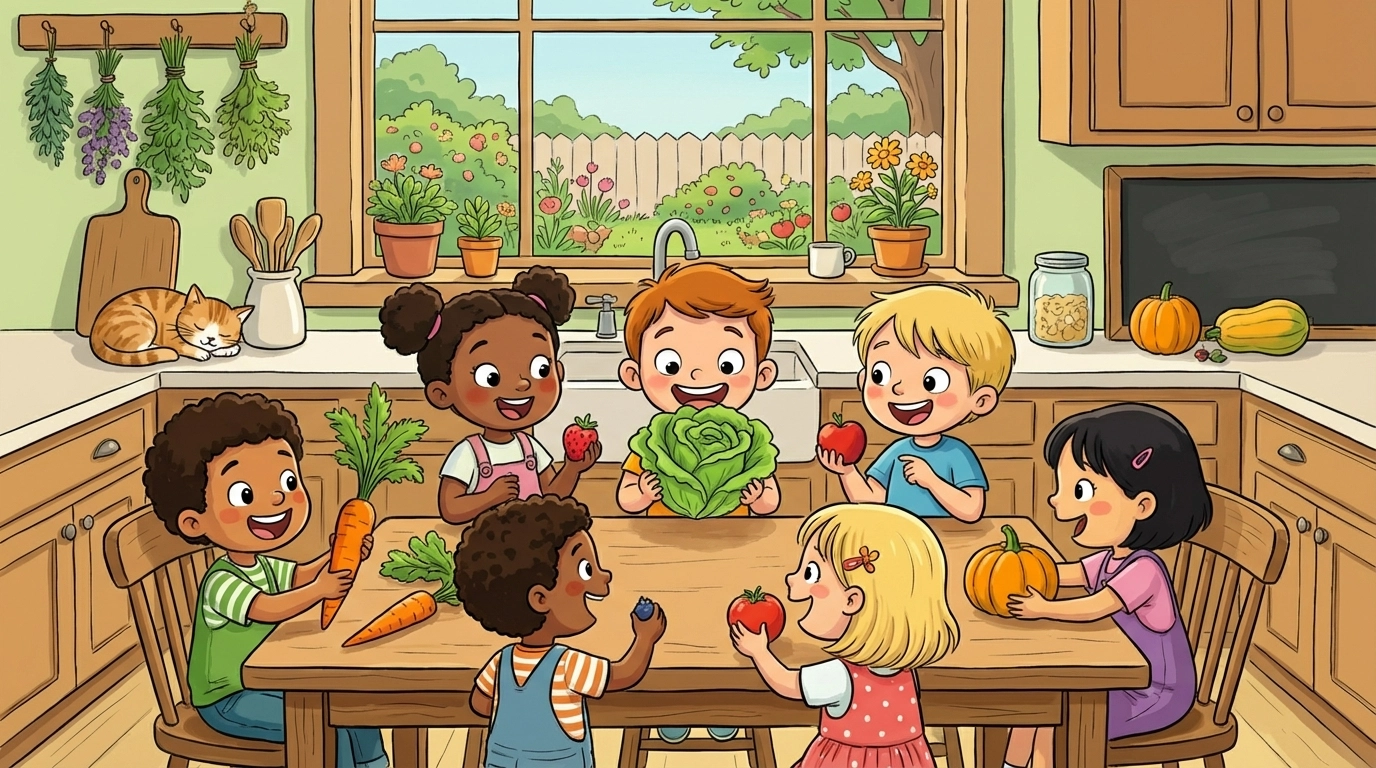
Kids are sponges. The earlier they learn where food comes from and how to work with it, the more natural these skills become.
Benefits You'll See Right Away
- Better eaters: Children who help grow fruits and vegetables are more likely to eat more produce and actually try new things.
- More confidence: Completing food-related tasks: from planting seeds to flipping pancakes: builds real self-esteem.
- Budget-friendly habits: Kids who learn to cook healthy meals on a budget carry that knowledge into adulthood.
- Reduced anxiety: Understanding that food can be grown, preserved, and prepared at home gives kids a sense of control and calm.
Long-Term Payoff
Food education creates informed decision-makers who can navigate food choices independently throughout their lives, regardless of economic circumstances. That's powerful stuff.
What Are Easy Ways to Teach Food Security at Home?
You don't need a farm or a fancy kitchen. Here are practical, budget-friendly projects to get started.
1. Start a Windowsill Herb Garden
Age Range: 4–12 years
Estimated Cost: $0–$10 (using upcycled containers and seeds)
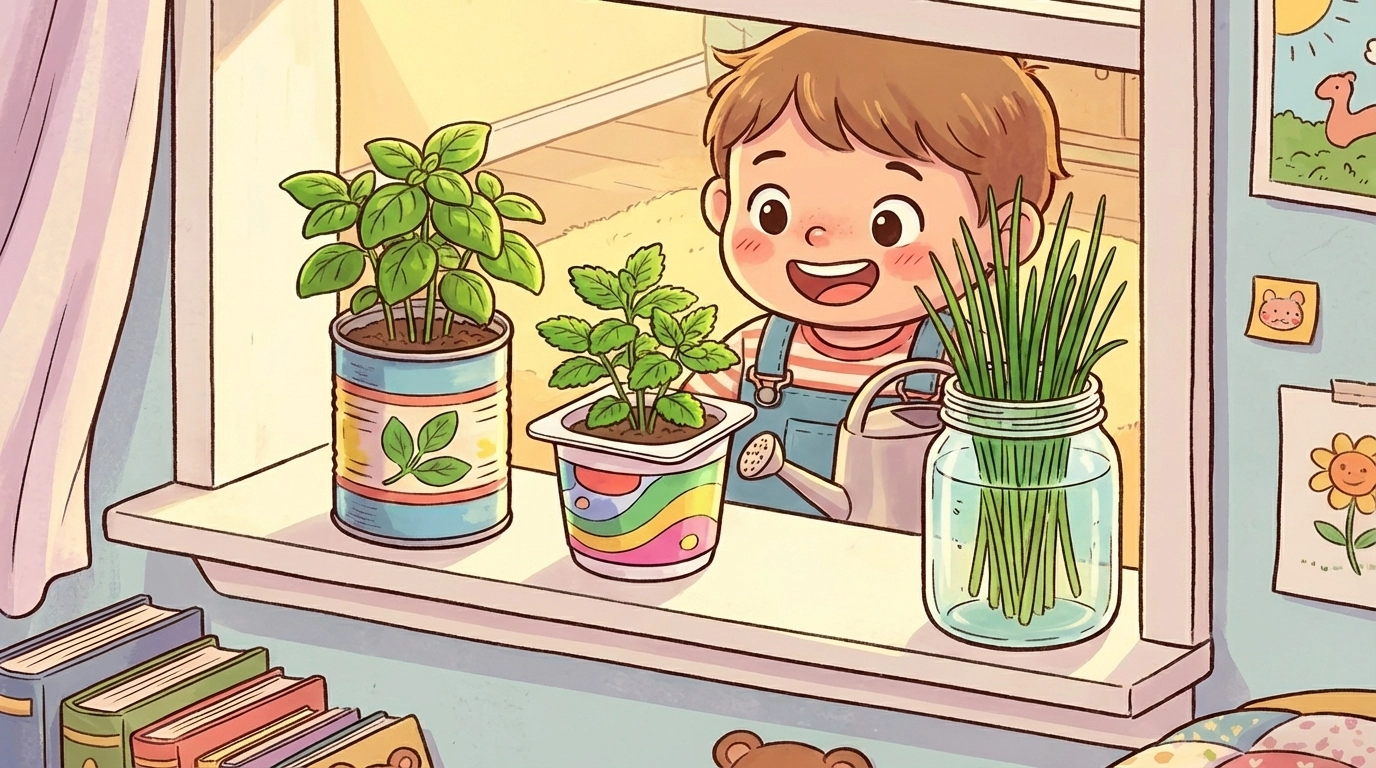
Herbs are forgiving, fast-growing, and useful in the kitchen. Let kids pick their favorites: basil, mint, and chives are great starters.
How to do it:
- Find small containers (yogurt cups, mason jars, or tin cans work great)
- Poke drainage holes in the bottom
- Fill with potting soil and plant 2–3 seeds per container
- Place on a sunny windowsill and water when soil feels dry
- Harvest leaves once plants are 4–6 inches tall
Learning moment: Talk about how growing even a small amount of food at home means less trips to the store and fresher flavors.
2. Create a "Pantry Scavenger Hunt"
Age Range: 5–10 years
Estimated Cost: $0
This quick activity teaches kids to identify what's already available and sparks creativity.
How to do it:
- Give kids a checklist: find a grain, a protein, a vegetable, and a fruit in your pantry or fridge
- Challenge them to come up with a simple meal using those four items
- Help them prepare it together
Learning moment: This shows kids that meals don't require a recipe or a grocery run: just a little creativity and what's on hand.
3. Grow Microgreens in a Week
Age Range: 6–14 years
Estimated Cost: $5–$15 (seeds and a shallow tray)
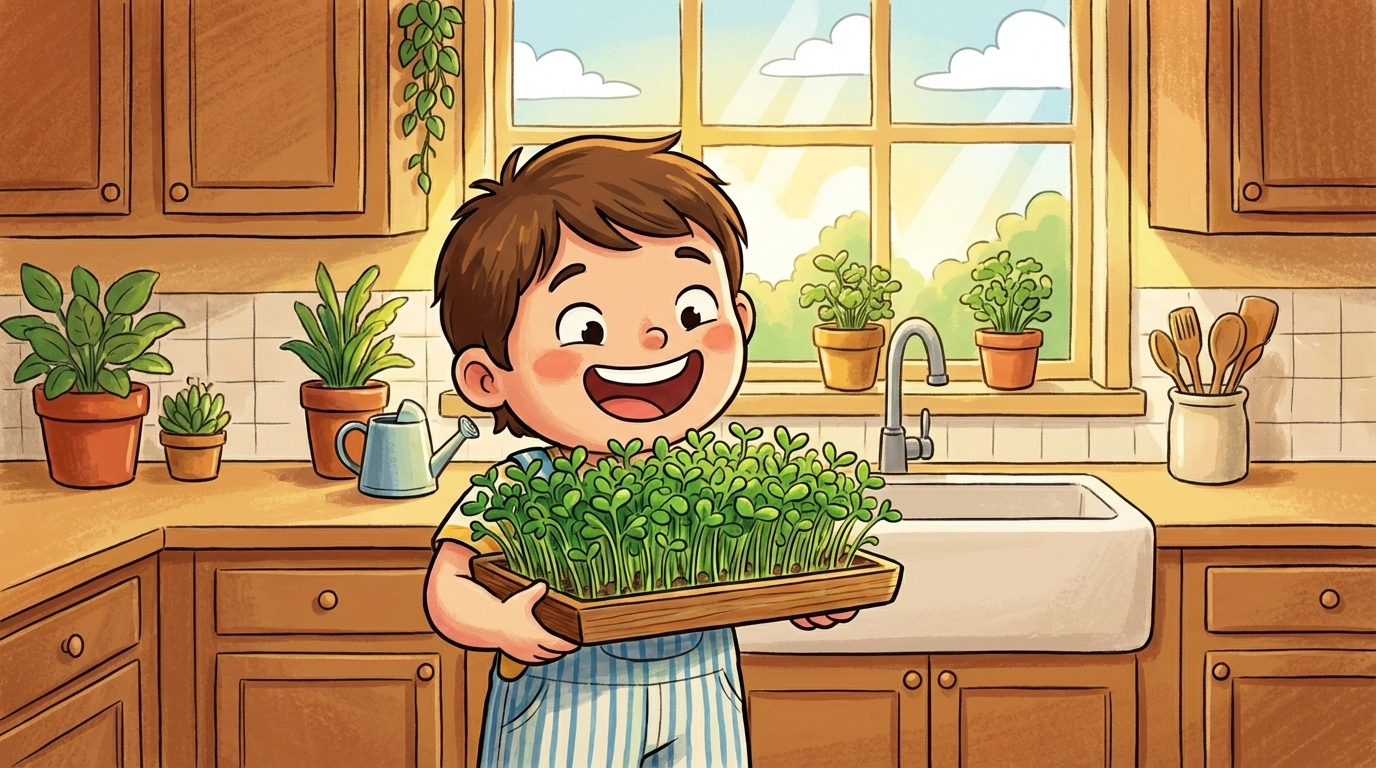
Microgreens are tiny, nutrient-packed greens that grow fast: perfect for impatient gardeners.
How to do it:
- Spread a thin layer of potting soil in a shallow container
- Scatter microgreen seeds (sunflower, radish, or pea shoots are easy)
- Mist with water and cover loosely with plastic wrap for 2 days
- Uncover, place in indirect light, and mist daily
- Harvest in 7–10 days when greens are 2–3 inches tall
Learning moment: Discuss how microgreens are a form of "fast food" that's actually healthy: and how growing food indoors means fresh greens even in winter.
4. Plan a "What If?" Meal Together
Age Range: 7–14 years
Estimated Cost: $0
This is a thinking exercise that builds problem-solving skills around food.
How to do it:
- Pose a scenario: "What if the grocery store was closed for a week? What would we eat?"
- Have kids inventory the pantry, fridge, and freezer
- Together, plan 3–5 meals using only what you have
- Bonus: Actually cook one of those meals
Learning moment: This teaches resourcefulness without fear. Kids learn that "food security" isn't about hoarding: it's about knowing how to adapt.
5. Build a Simple Compost Jar
Age Range: 5–12 years
Estimated Cost: $0–$5 (using a jar or container you already have)
Composting closes the loop on food waste and shows kids that scraps have value.
How to do it:
- Find a large jar or small container with a lid
- Add a layer of shredded paper or dry leaves
- Add fruit and vegetable scraps (no meat or dairy)
- Alternate layers of scraps and paper
- Stir weekly and watch decomposition happen
Learning moment: Explain that compost feeds the soil, which grows the food, which feeds us. It's a cycle: and we're part of it.
How Do You Make Food Security Lessons Stick?
The secret is consistency and connection. Weave food lessons into everyday life instead of treating them as one-off projects.
Tips That Work
- Let kids lead: Give them ownership of one plant, one meal per week, or one pantry shelf.
- Talk about "why": Explain that learning these skills means they'll always know how to take care of themselves.
- Celebrate small wins: First sprout? First meal they cooked alone? Make it a big deal.
- Connect to real life: When you see news about food prices or weather affecting crops, use it as a conversation starter.
What If We're on a Tight Budget?
Food security education is actually perfect for tight budgets: it's literally about doing more with less.
Budget-Friendly Ideas
- Save seeds from tomatoes, peppers, or squash you already buy
- Upcycle containers instead of buying pots
- Use kitchen scraps to regrow green onions, lettuce, and celery
- Cook "clean out the fridge" meals as a weekly challenge
- Trade seeds or starts with neighbors or friends
Teaching kids to cook healthy meals on a limited budget shows them what a nutritious meal looks like in real, achievable terms: not as some fancy, expensive ideal.
Why Does This Matter More Than Ever?
We live in a world where supply chains get disrupted, grocery prices fluctuate, and not everyone has equal access to fresh food. Teaching kids food security isn't about doom and gloom: it's about empowerment.
When kids understand how to grow a tomato, stretch a bag of rice, or turn leftovers into a new meal, they carry that knowledge forever. They become adults who don't panic when things get hard. They become parents who pass these skills to their own kids.
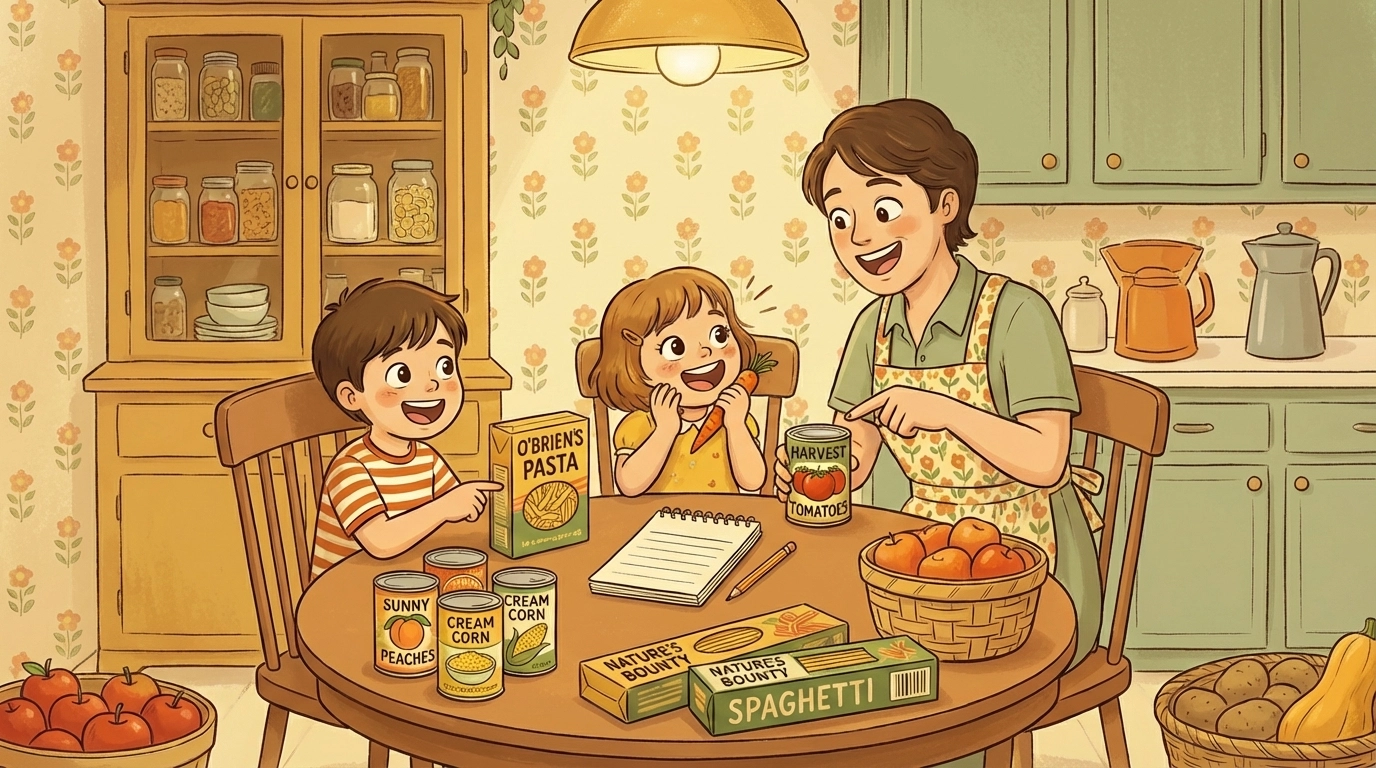
That's generational change. And it starts at your kitchen table.
Quick Recap: Why Teach Kids Food Security at Home?
- Builds lifelong healthy eating habits
- Develops confidence, problem-solving, and independence
- Works on any budget (often $0)
- Reduces food waste and teaches sustainability
- Prepares kids for real-world challenges
- Creates quality family time with purpose
Ready to dig in? Start small: one herb pot, one "What If?" conversation, one meal cooked together. Your future food-secure kids will thank you.
FAQ: Food Security for Kids (Simple Answers)
- How do I explain 'food security' to a toddler? You can say it’s like making sure everyone has a "full tummy" with healthy, yummy food that helps them grow strong.
- What is the first step a family can take toward food security? Start a small "food garden"—even just one pot of tomatoes. It helps kids see that they can be part of the solution to keeping everyone fed.
- Does growing our own food really help other people? Yes! When we grow our own food, there is more food available in the stores for others. Plus, you can share your extra harvest with people who might need it.
References:
- Research on childhood nutrition education and academic performance
- Studies on budget-friendly cooking education for families
- Research on children's produce consumption when involved in growing food