



The short answer: Making a pinecone bird feeder is one of the easiest DIY bird feeder for kids projects out there. Simply tie string around a pinecone, coat it generously with peanut butter (or a nut-free alternative), roll it in birdseed, and hang it outside. The whole craft takes about 10 minutes, works for kids of all ages, and doubles as a hands-on lesson in wildlife care and family sustainability projects.
Now let's get into the fun details so you and your little ones can invite some feathered friends to your backyard!
Why Pinecone Bird Feeders Make the Perfect Family Project
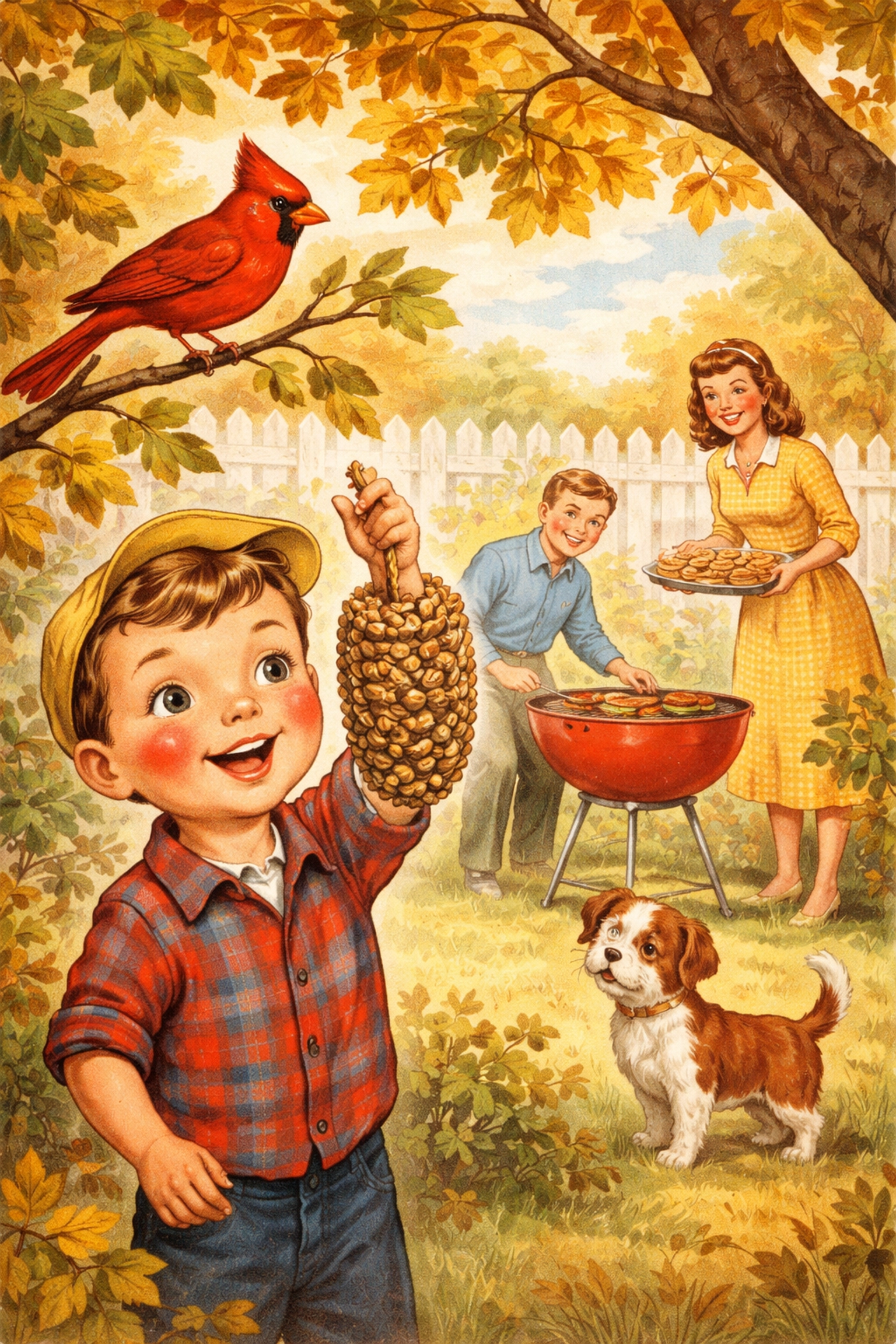
There's something magical about watching a cardinal or chickadee land on something your child made with their own two hands. Pinecone bird feeders aren't just crafts, they're tiny acts of kindness toward nature that kids can see, touch, and take pride in.
Here's why we love this project at Tierney Family Farms:
- It's budget-friendly. Most families already have the supplies at home.
- It teaches sustainability. You're using natural, biodegradable materials.
- It connects kids to wildlife. There's built-in motivation to observe and learn.
- It's genuinely quick. No elaborate setup, no waiting days for paint to dry.
Plus, messy hands covered in peanut butter and birdseed? That's basically a childhood rite of passage.
What You'll Need: Materials at a Glance
Before you head outside (trust me, this one's best done outdoors), gather these simple supplies:
| Material | Notes |
|---|---|
| Pinecones | Large, open ones work best. Avoid painted or scented varieties. |
| Peanut butter or sun butter | Use sun butter or soy butter for nut-free classrooms or allergies. |
| Birdseed | A basic wild bird mix is perfect. |
| String or yarn | About 8–10 inches per feeder. Twine works great too. |
| Scissors | For cutting string to size. |
| Paper plate or shallow tray | For rolling the pinecone in seed. |
| Popsicle stick or butter knife | Optional, but helpful for spreading. |
Pro tip: If you're collecting pinecones from your yard, give them a quick shake to knock out any hidden critters. Nature shares!
Step-by-Step Instructions
Step 1: Tie Your String First
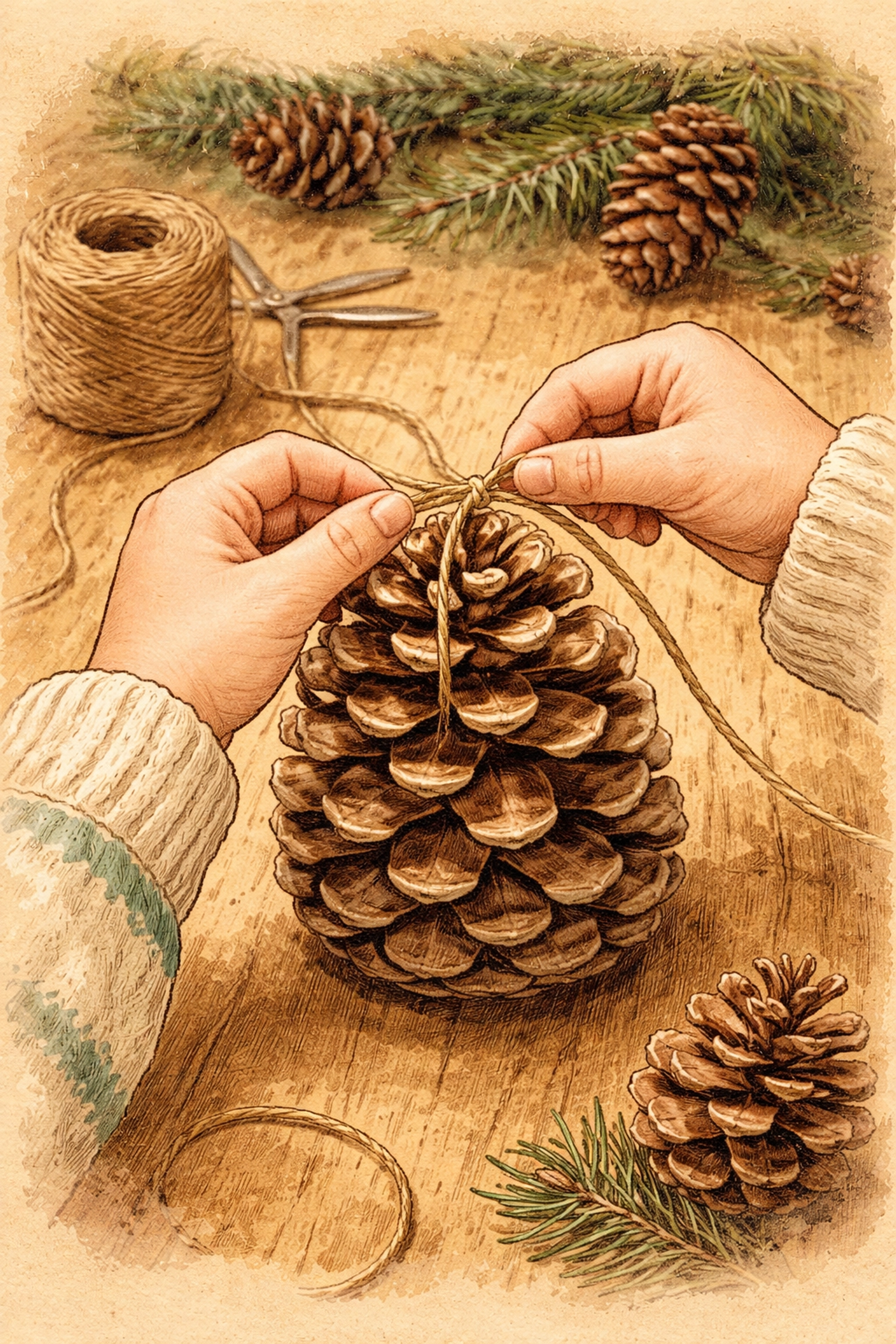
This is the step most tutorials forget to mention upfront, and it saves so much frustration. Before you touch the peanut butter, tie an 8–10 inch piece of string or yarn securely around the top of your pinecone.
Loop it between the upper scales and tie a solid knot. Leave enough length to create a hanging loop at the top.
Why do this first? Because once your pinecone is coated in sticky goodness, tying a knot becomes an exercise in patience (and napkins).
Step 2: Spread the Peanut Butter
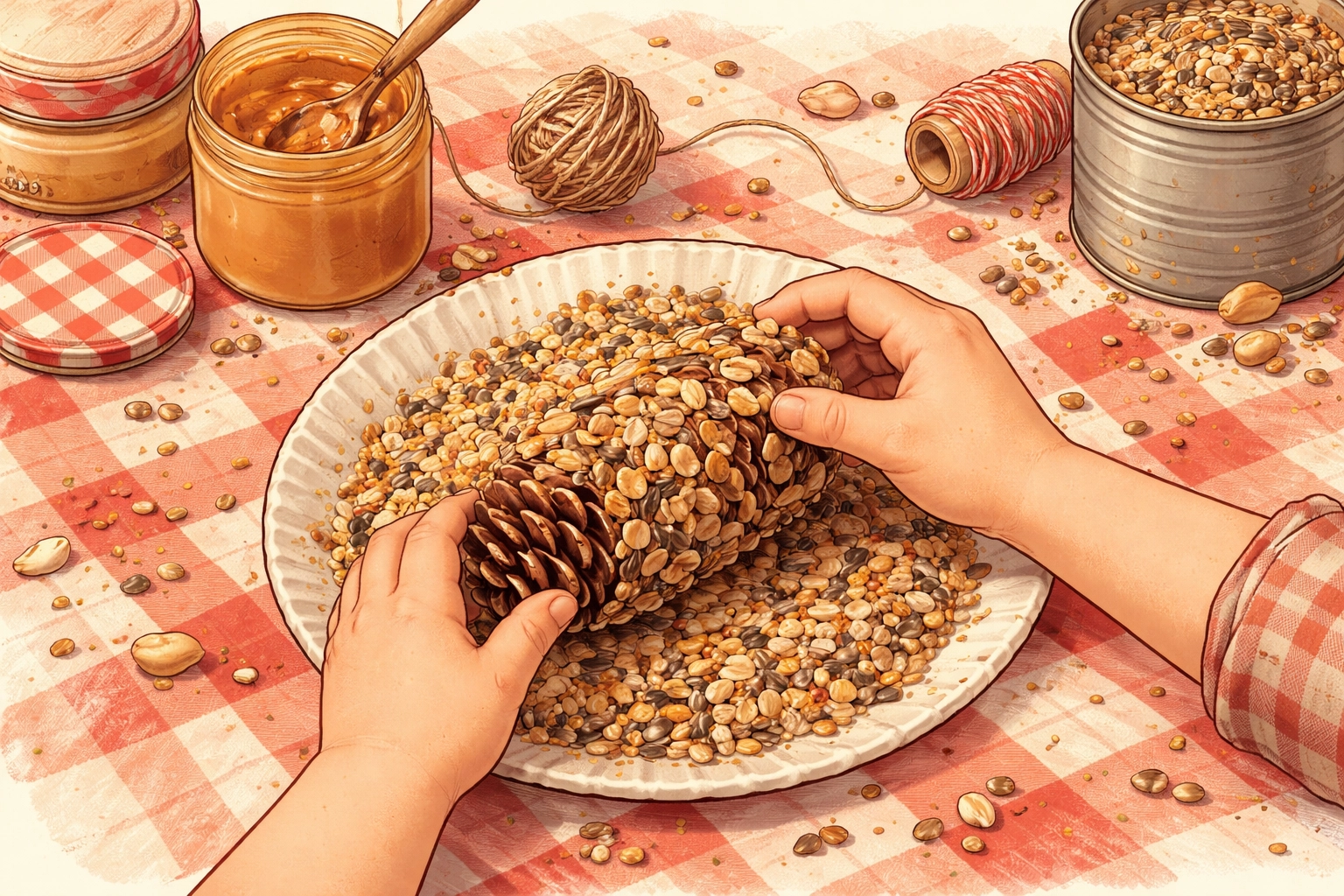
Scoop a generous dollop of peanut butter onto a paper plate. Using a popsicle stick, butter knife, or even fingers (kids' favorite method), spread the peanut butter all over the pinecone.
Work it into the crevices between the scales. The goal is full coverage, the more peanut butter, the more birdseed will stick, and the longer your feeder will last outside.
Allergy note: If you're making these for school or a group setting, sun butter or soy butter are excellent nut-free alternatives that birds enjoy just as much.
Step 3: Roll in Birdseed
Pour birdseed onto a paper plate or shallow tray. Now comes the satisfying part: roll your peanut butter-covered pinecone through the seed, pressing gently to help it stick.
Turn and roll until the entire surface is coated. Don't be shy, really pack that seed on there. Some families like to sprinkle extra seed into any bare spots by hand.
Step 4: Hang It Up and Wait
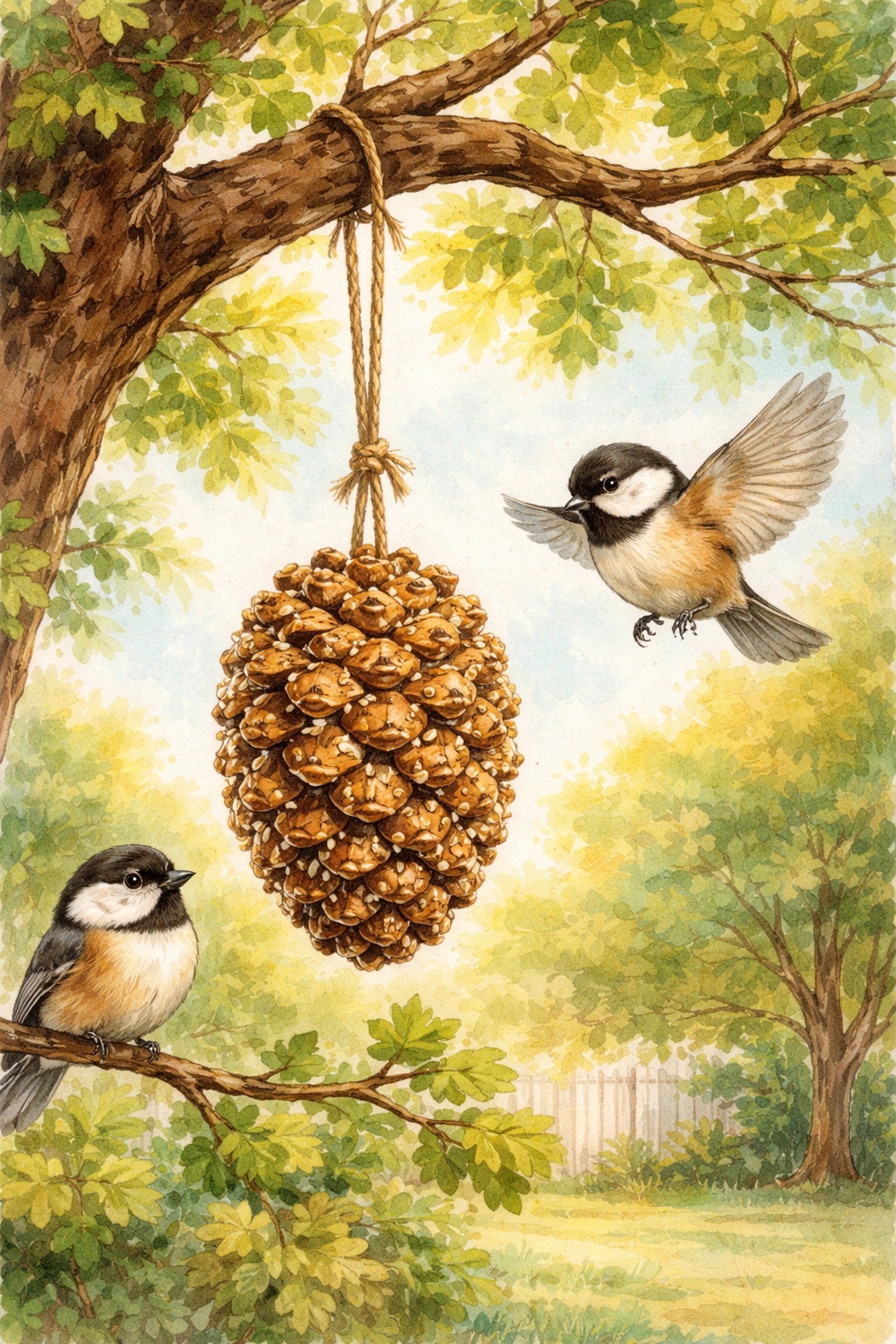
Find a sturdy tree branch in your yard, ideally somewhere you can see from a window. Tie your feeder securely and step back.
Now comes the hardest part for kids: waiting. Birds can take anywhere from a few hours to a few days to discover a new food source. But once they do? You'll have repeat visitors.
Tips for Bird Feeder Success
A few lessons we've learned the messy way:
- Avoid hot weather. Peanut butter can turn rancid in high heat. This project is best for spring, fall, or mild winter days.
- Use natural pinecones only. Skip the craft store pinecones with glitter, paint, or cinnamon scent, those aren't safe for birds.
- Choose open pinecones. Tightly closed pinecones don't have enough space between scales to hold seed well.
- Set up a bird watching station. Put a chair by the window, grab some binoculars, and keep a simple bird identification book nearby. Half the fun is figuring out who shows up for dinner.
For more hands-on outdoor projects, check out our guide on how to create a DIY worm composting bin with children, another great family sustainability project.
What Kids Learn From This Project
Beyond the craft itself, pinecone bird feeders open up real learning opportunities:
- Wildlife biology: Which birds eat seeds? What do they do in winter?
- Responsibility: Checking on the feeder and refilling it teaches care routines.
- Patience: Waiting for birds builds that ever-important delayed gratification muscle.
- Sustainability mindset: Using natural materials that decompose safely reinforces eco-friendly thinking.
You can extend the learning by keeping a simple nature journal. Have kids draw the birds they spot or tally how many visitors come each day. Science in action, no worksheet required.
Variations to Try
Once you've mastered the basic pinecone feeder, mix it up:
- Add dried fruit. Press raisins or dried cranberries into the peanut butter for extra nutrition.
- Use different seeds. Sunflower seeds attract cardinals; nyjer seed brings finches.
- Make a garland. String several small pinecone feeders together for a decorative bird buffet.
- Try different shapes. Toilet paper rolls coated the same way work in a pinch (though pinecones last longer outdoors).
Frequently Asked Questions
How long does a pinecone bird feeder last outside?
Most pinecone feeders last 1–2 weeks depending on weather, bird traffic, and how much peanut butter and seed you used. Check weekly and make new ones as needed.
Can I use something other than peanut butter?
Absolutely. Sun butter, soy butter, and even softened coconut oil mixed with a bit of flour work well. Lard or suet are traditional options too, especially in colder months.
What birds will visit my pinecone feeder?
Common visitors include chickadees, nuthatches, titmice, sparrows, cardinals, and woodpeckers. Your local species will vary by region.
Is this craft safe for toddlers?
Yes, with supervision. Toddlers love the sensory experience of spreading and rolling. Just watch for seed-eating: birdseed isn't harmful, but it's not a snack either.
When is the best time of year to make bird feeders?
Fall and winter are ideal since natural food sources are scarcer. Spring works too, especially when birds are feeding hungry nestlings. Avoid peak summer heat.
Can I make these for a classroom or birthday party?
Definitely. Pre-tie the strings, set up stations with plates of peanut butter and seed, and let kids assemble their own. It's a crowd-pleaser.
Do I need to bake or treat the pinecones first?
Not necessary for this project. A quick shake to remove debris is enough. Some crafters bake pinecones to kill pests, but for bird feeders, the birds don't mind a little extra protein.
Where should I hang the feeder?
Choose a branch 5–6 feet off the ground, away from spots where cats could ambush. Near a window gives you the best viewing.
Will squirrels eat the feeder?
Probably. Squirrels love an easy meal. If this bothers you, hang the feeder from a thin branch that can't support their weight: or just accept that you're feeding the whole backyard.
Happy crafting, and may your backyard be full of cheerful chirping! For more kid-friendly projects, explore our Kids Crafts category for ideas the whole family can enjoy together.