




Direct Answer: An A-Frame hydroponic system is a vertical growing structure that uses angled PVC pipes mounted on a timber frame to grow up to 168 plants in just a 6-foot by 10-foot footprint. It works by circulating nutrient-rich water through the pipes, feeding plant roots continuously while taking up minimal floor space: perfect for kitchens, garages, or small indoor areas.
If you've ever wished you could grow fresh lettuce, herbs, and greens year-round but thought you didn't have the room, an A-Frame hydroponic system might be exactly what your family needs. This clever design takes vertical farming to a practical level that even beginners can tackle as a weekend project.
What Exactly Is an A-Frame Hydroponic System?
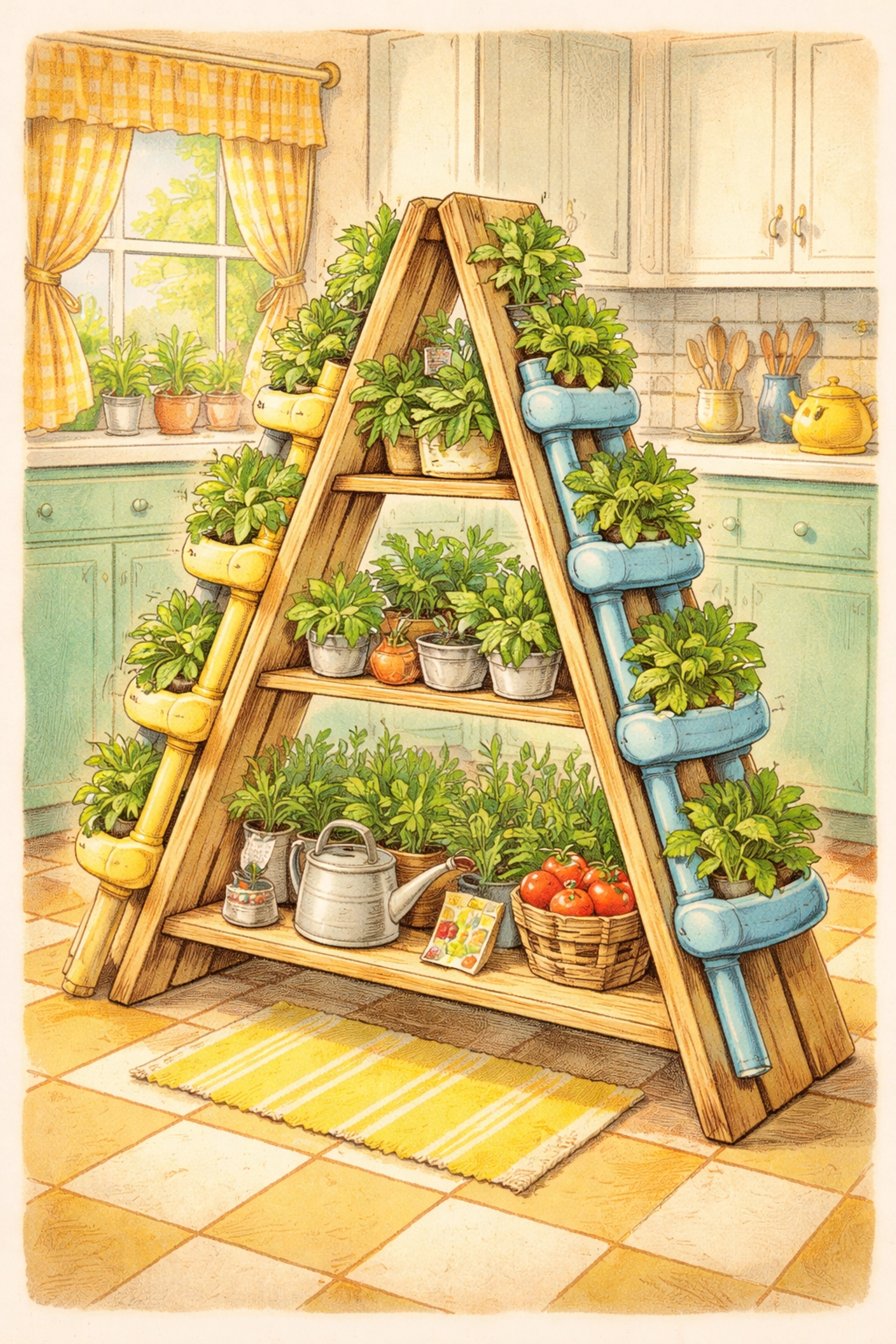
An A-Frame hydroponic system gets its name from its shape: two angled panels leaning against each other like the letter "A." Instead of soil, plants grow in net pots inserted into holes drilled along PVC pipes. Nutrient-rich water flows through these pipes, bathing the roots and delivering everything the plants need to thrive.
The beauty of this design is its space efficiency. By growing vertically on both sides of the frame, you're essentially doubling your growing area without taking up more floor space. A well-designed A-Frame measuring just 6 feet by 10 feet can accommodate up to 168 plants: that's a lot of salad greens!
Why Families Love the A-Frame Design
Traditional gardens spread out horizontally, gobbling up precious square footage. The A-Frame flips that concept on its side (literally). Here's why it works so well for home growers:
Compact Footprint: The triangular shape means most of the growing happens above the ground, not across it. You can tuck an A-Frame into a corner of your kitchen, a sunny hallway, or even a heated garage.
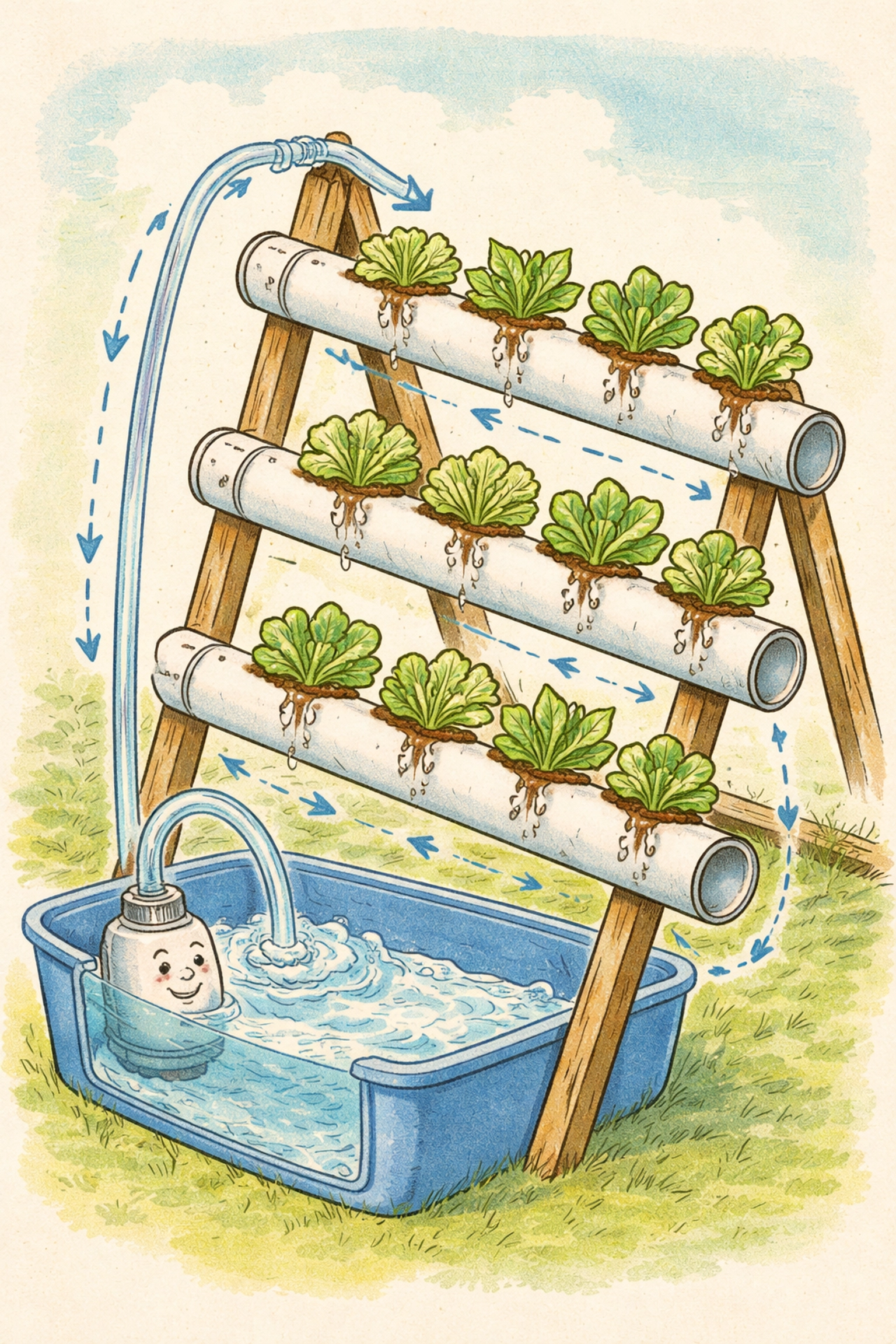
Gravity-Assisted Water Flow: Once water is pumped to the top of the frame, gravity pulls it downward through the pipes, naturally bathing every plant's roots along the way. This reduces the complexity of your plumbing and saves energy.
Easy Harvesting: Unlike tower systems where you might need a step stool, the angled design of an A-Frame puts most plants at comfortable reaching height for both adults and kids.
Year-Round Growing: With the right grow lights, your A-Frame becomes a four-season garden, producing fresh greens even in the dead of winter.
Materials You'll Need
Building an A-Frame hydroponic system requires some basic supplies. Here's what to gather before you start:
For the Frame:
- 2×4 lumber (pressure-treated or standard pine works)
- Wood screws and metal brackets for stability
- A drill and basic hand tools
For the Growing System:
- 3-inch diameter PVC pipes
- PVC end caps
- Net pots (2-inch or 3-inch diameter)
- A hole saw attachment matching your net pot size
For Water Circulation:
- A reservoir (a 20-30 gallon plastic storage bin or food-grade container)
- A submersible pump (look for 200-400 GPH capacity)
- Flexible tubing to connect the pump to your pipes
- PVC fittings, brass connectors, and plumber's tape
For Growing:
- Clay pebbles or expanded clay aggregate (also called hydroton)
- Rockwool starter cubes for seedlings
- Hydroponic nutrient solution
- pH testing kit and pH adjustment solutions (pH up and pH down)

Step-by-Step Building Guide
Step 1: Construct the Timber Frame
Cut your 2×4 lumber to create two identical rectangular frames. The size depends on your space, but a common dimension is 6 feet tall by 5 feet wide per side. Connect the two frames at the top using a ridge beam, creating that classic A-shape. Add cross braces for stability: this structure needs to support the weight of water-filled pipes and plants.
Step 2: Prepare the PVC Pipes
Measure and cut your 3-inch PVC pipes to fit horizontally across each side of your frame. Using a hole saw, drill evenly spaced holes along the top surface of each pipe. Space the holes about 6-8 inches apart to give plants room to grow without crowding each other. Cap one end of each pipe completely and drill a drainage hole near the other end.
Step 3: Mount the Pipes
Secure the PVC pipes to your timber frame using metal strapping or pipe hangers. Angle them very slightly (about 1-2 degrees) so water naturally flows toward the drainage end. Stack multiple rows on each side of the A-Frame, leaving about 12 inches of vertical space between rows for plant growth.
Step 4: Set Up the Water Circulation
Place your reservoir beneath the frame where drainage water can easily return to it. Install your submersible pump inside the reservoir and run tubing up to the top pipes on each side. The pump pushes nutrient solution up to the highest pipes, and gravity does the rest: water flows down through each pipe and drips back into the reservoir.
Step 5: Add Growing Medium and Plants
Fill your net pots with clay pebbles, nestle a rockwool cube with a seedling into each one, and insert them into the holes you drilled. Make sure the roots can reach the water flowing through the pipe.
What Can You Grow?
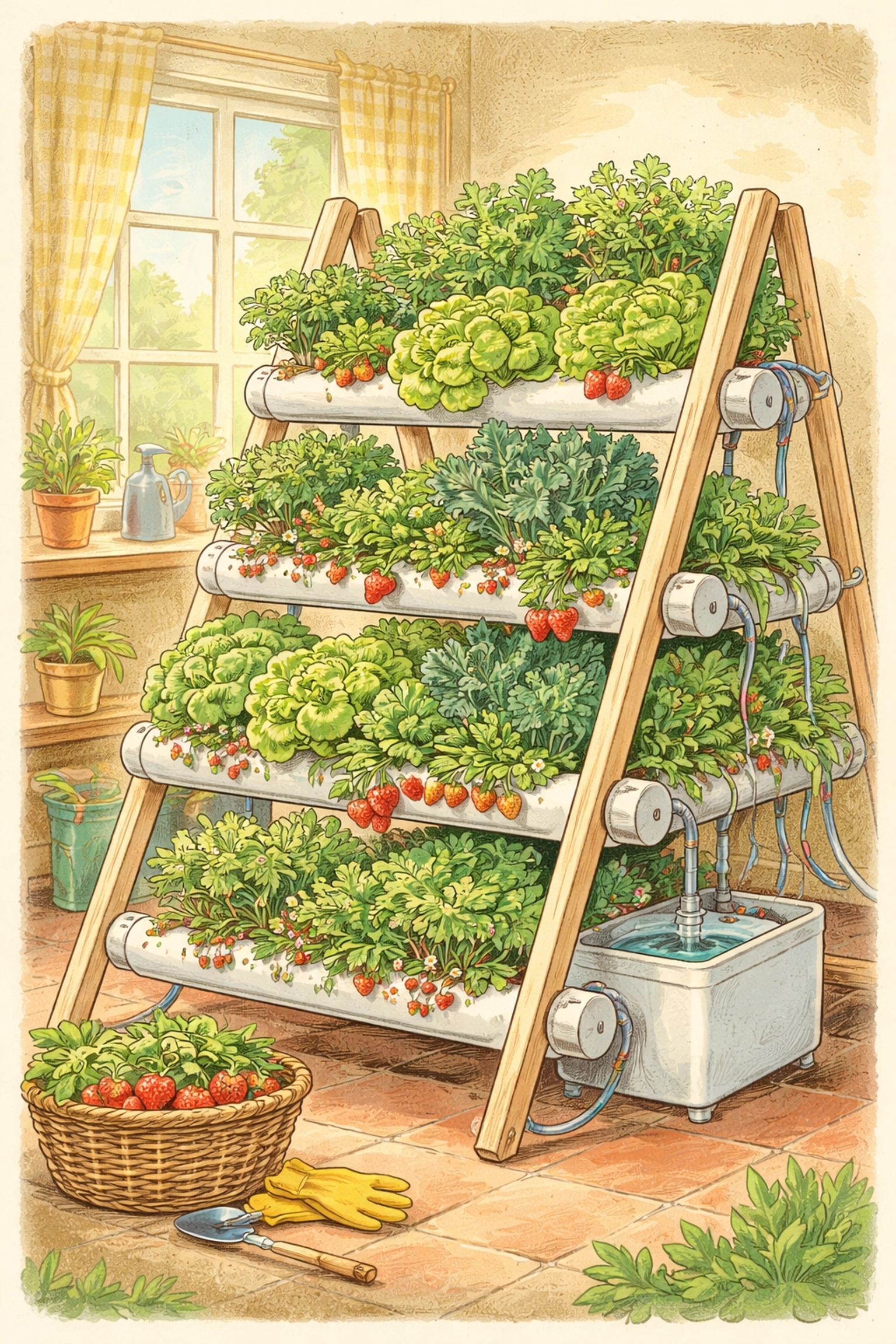
A-Frame systems excel at leafy greens and compact crops. Great options for kitchen growing include:
- Lettuce varieties (butterhead, romaine, loose-leaf)
- Fresh herbs (basil, cilantro, parsley, mint, chives)
- Spinach and arugula
- Swiss chard and kale
- Strawberries
- Compact broccoli varieties
Avoid heavy fruiting plants like tomatoes or squash: they need more root space and structural support than an A-Frame typically provides.
Budget Breakdown
| Item | Estimated Cost |
|---|---|
| 2×4 Lumber (frame) | $40–$60 |
| 3-inch PVC Pipes & Fittings | $80–$120 |
| Submersible Pump | $25–$40 |
| Reservoir Container | $15–$25 |
| Net Pots (pack of 50) | $15–$20 |
| Clay Pebbles (25 lbs) | $25–$35 |
| Rockwool Starter Cubes | $10–$15 |
| Hydroponic Nutrients | $20–$30 |
| pH Testing Kit & Adjusters | $15–$25 |
| Tubing & Miscellaneous | $20–$30 |
| Total Estimated Cost | $265–$400 |
Your actual costs may vary based on local prices and whether you have some materials on hand already. This is a one-time investment: ongoing costs are just nutrients, replacement plants, and electricity for the pump.
Maintenance Tips for Success
Check pH Daily: Hydroponic plants are picky about pH levels. Aim for 5.5–6.5 for most leafy greens. Test your reservoir water daily and adjust as needed.
Top Off the Reservoir: Water evaporates and plants drink it up. Check water levels every few days and add fresh nutrient solution as needed.
Clean Monthly: Algae and mineral buildup can clog your system. Once a month, flush the pipes with clean water and scrub the reservoir.
Inspect Roots: Healthy roots are white and vigorous. Brown, slimy roots indicate problems: usually poor oxygenation or disease.
For more hydroponic guidance, check out our post on how much space you need for a productive hydroponic garden.
Frequently Asked Questions
How much electricity does an A-Frame system use?
A small submersible pump running continuously uses roughly the same electricity as a standard aquarium: typically $3–$5 per month depending on your local rates.
Can kids help build and maintain an A-Frame system?
Absolutely! Older children can help with assembly, planting, pH testing, and harvesting. It's a fantastic hands-on STEM project that teaches biology, chemistry, and engineering concepts.
Do I need grow lights?
If your A-Frame is near a sunny window receiving 6+ hours of direct light, you may not need supplemental lighting for leafy greens. For consistent year-round production or darker spaces, full-spectrum LED grow lights are recommended.
How often do I need to change the nutrient solution?
Completely replace your reservoir water and nutrient solution every 2–3 weeks to prevent salt buildup and keep nutrient ratios balanced.
Is an A-Frame system noisy?
The submersible pump produces a quiet hum, and water trickling through pipes creates gentle ambient sound. Most families find it pleasant rather than disruptive.
References:
- DIY hydroponic system construction guides
- Vertical farming space efficiency research
- Tower garden crop suitability studies