



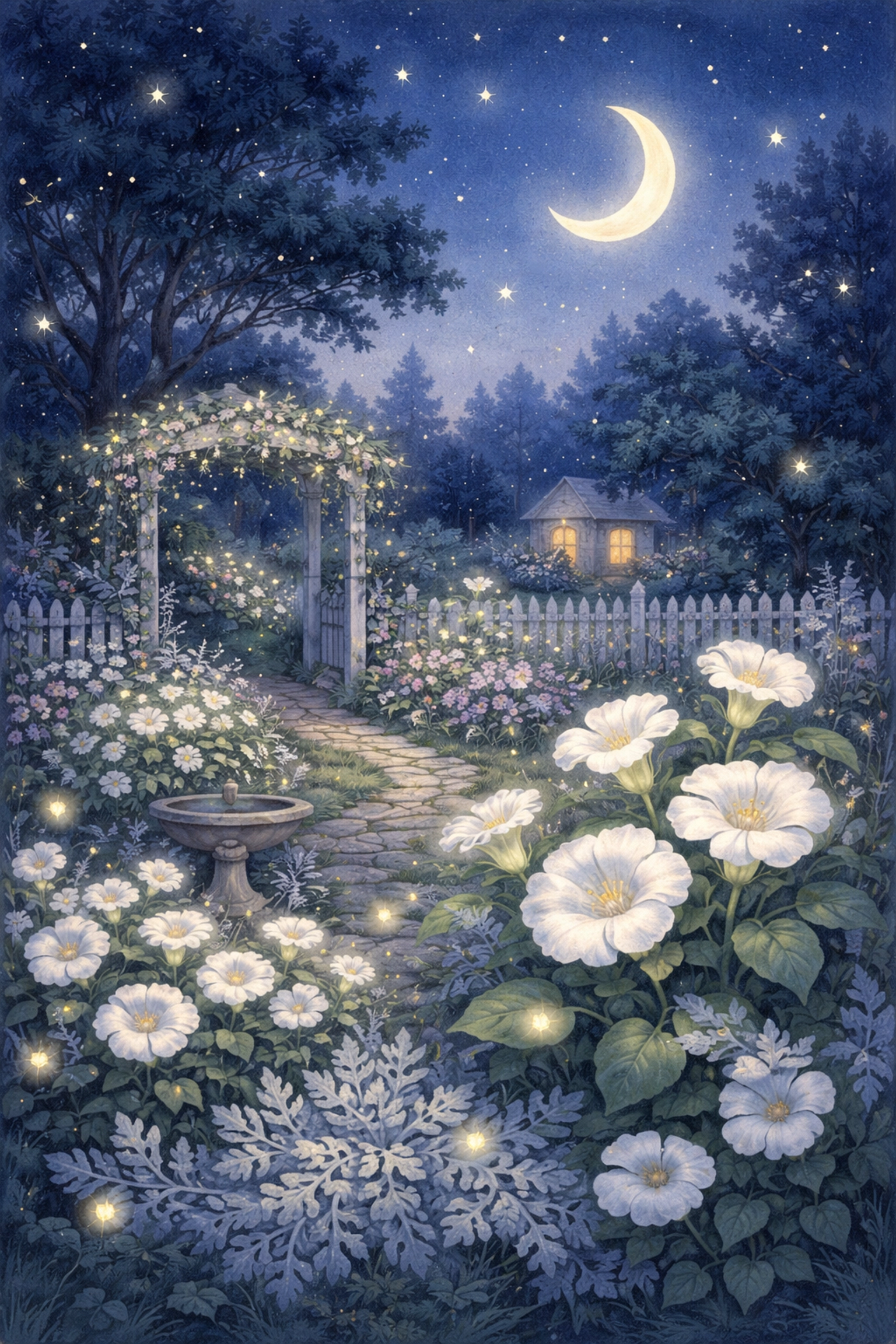
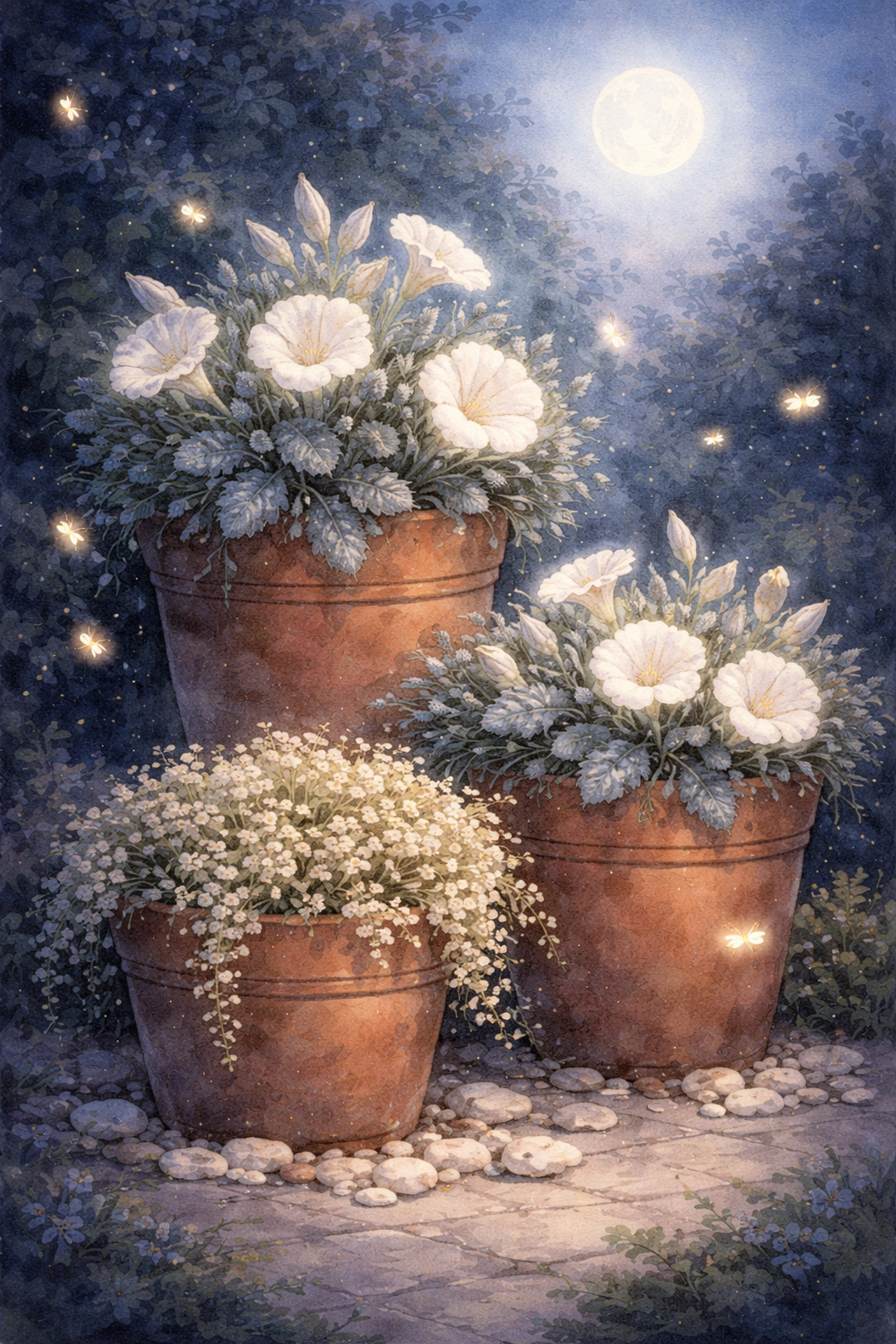
A moon garden is a magical collection of white flowers and silver-leafed plants that catch and reflect moonlight, creating a dreamy "glow" effect after dark. You don't need fancy equipment or a big budget: just a few carefully chosen plants, a small patch of dirt (or some containers), and a curious kiddo ready to watch nature put on a nighttime light show. The best part? You can set one up for under $10 and enjoy evening garden strolls all summer long.
What Exactly IS a Moon Garden?
Think of a moon garden as nature's own night-light. Instead of plugging something into the wall, you're planting flowers and foliage that naturally reflect the moon's glow. White petals act like tiny mirrors, bouncing light back at you. Silver and gray leaves shimmer and dance in even the faintest breeze. And many of these plants release their sweetest scents after sunset, turning your backyard into a full sensory experience.
For kids, this is pure magic. There's something genuinely thrilling about tiptoeing outside after dinner to watch your garden "light up" without batteries or electricity. It's science, it's nature, and it feels like a secret only your family knows about.
Why Kids Love Moon Gardens
Let's be honest: most gardening happens during the bright, hot part of the day. Moon gardens flip the script. Suddenly, gardening becomes an after-dinner adventure. Here's why little ones go wild for this project:
- It feels mysterious. White flowers glowing in the dark? That's storybook stuff right there.
- Night-blooming plants are fascinating. Some flowers actually open up as the sun goes down, which is pretty mind-blowing to watch.
- Fragrance is stronger at night. Many moon garden plants save their best smells for evening, making it a multi-sensory experience.
- It's a great excuse to stay up a little later. Need I say more?
What You'll Need (Budget: Under $10)
Here's the beauty of a moon garden: you don't need much to get started. Raid your garage, hit up the dollar store, and you're golden.
Materials:
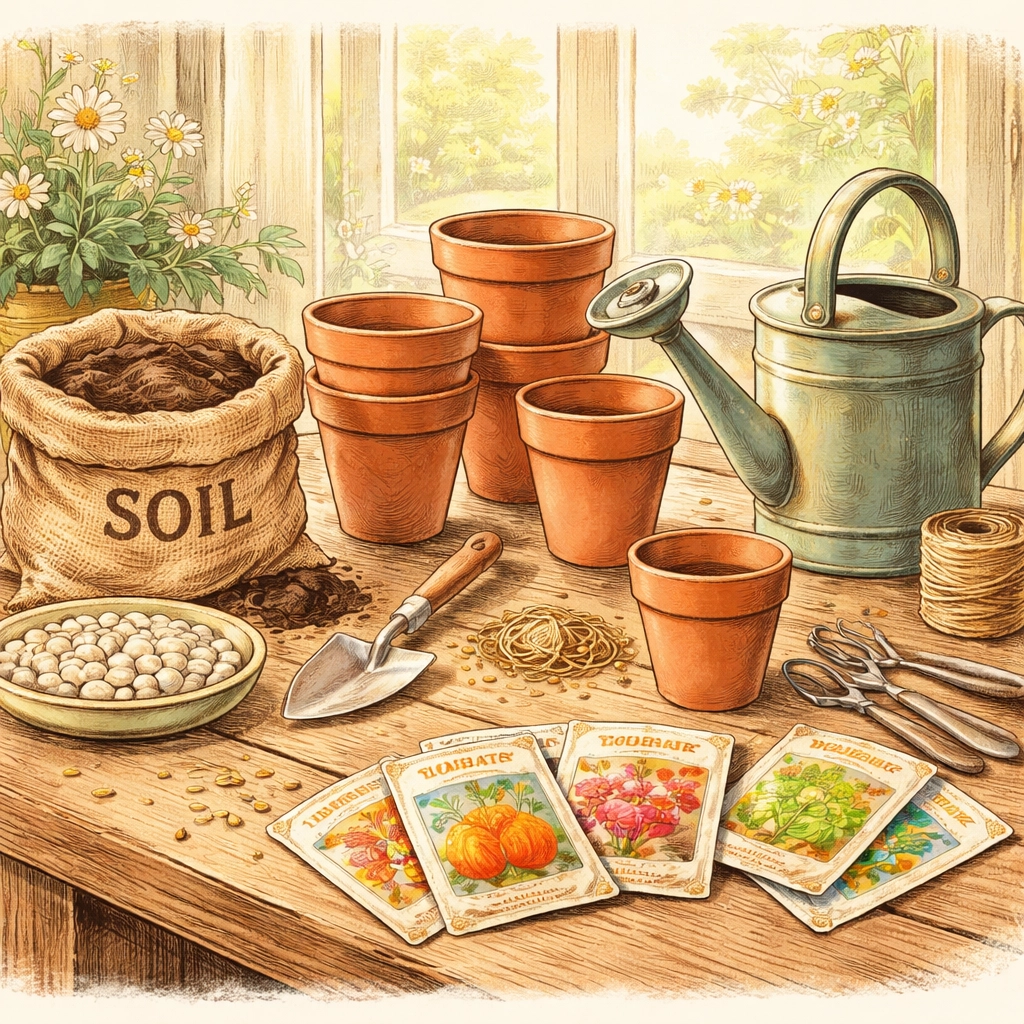
- 2-3 small pots or one medium container (thrift stores are your friend here)
- Potting soil (a small bag runs about $3-4)
- Seeds or starter plants (moonflower seeds are usually $1-2 per packet)
- A sunny-to-partial-shade spot in your yard or on a balcony
- A watering can or old milk jug
- Optional: white rocks or pebbles for decoration
Estimated Total: $6-10
If you already have pots and soil lying around, you're basically doing this for the cost of a pack of seeds and maybe a snack for the kids.
Step-by-Step: Planting Your Moon Garden
Step 1: Pick Your Spot
Moon gardens need a place where you can actually SEE the moonlight hit the plants. A spot that gets direct moonlight in the evening is ideal. This could be a corner of your backyard, a patio, or even a balcony. Avoid areas that are totally shaded by buildings or trees at night.
Step 2: Choose Your Plants
This is the fun part! You're looking for:
- White flowers – These reflect moonlight beautifully
- Silver or gray foliage – These shimmer and add texture
- Night-bloomers – Bonus points for flowers that open after dark
Kid-Friendly Moon Garden Plants:
| Plant | Why Kids Love It |
|---|---|
| Moonflower | Opens in late afternoon and blooms all night: like watching a slow-motion magic trick |
| White Petunias | Easy to grow, bright white blooms, very forgiving for beginners |
| Dusty Miller | Fuzzy silver leaves that feel like velvet |
| Lamb's Ear | Super soft, silvery leaves kids can't stop touching |
| White Alyssum | Smells like honey and spreads beautifully |
| Evening Primrose | Yellow-white blooms that pop open at dusk |
Pro Tip: Moonflowers are the superstar here. They start blooming in the afternoon and stay open through the night, so kids can actually watch them unfurl during a reasonable bedtime hour.
Step 3: Prep Your Containers
Fill your pots with potting soil, leaving about an inch of space at the top. If you're planting directly in the ground, loosen up the soil and mix in a little compost if you have it.
Step 4: Plant Your Seeds or Starters
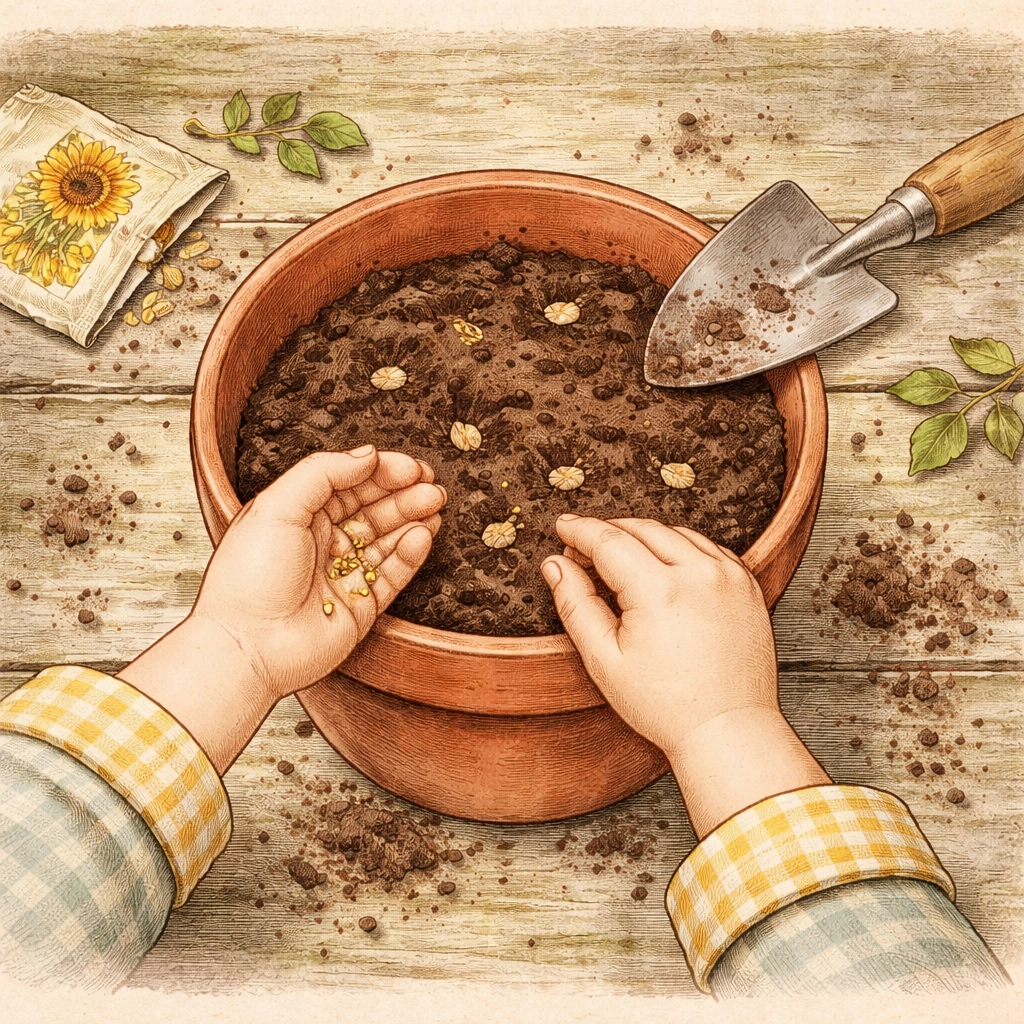
If using seeds, follow the packet instructions for depth (usually about 1/4 inch for small seeds, 1/2 inch for larger ones like moonflower). If using starter plants, dig a hole just big enough for the root ball and gently place the plant inside.
Let the kids do the digging and dropping: messy hands are happy hands.
Step 5: Water and Wait
Give everything a good drink of water. The soil should be moist but not soggy. From here on out, water when the top inch of soil feels dry.
Now comes the hard part: waiting. Moonflowers take about 2-3 weeks to sprout, and you'll see blooms in about 8-10 weeks. Use this time to build anticipation. Mark the calendar, check progress together, and talk about what's happening underground.
Step 6: Plan Your First Moon Garden Night
Once your plants are blooming, pick a clear evening to have your official "Moon Garden Party." Head outside after sunset with flashlights (for the walk over), then turn them off and let your eyes adjust. Watch how the white flowers seem to glow. Smell the air. Listen to the nighttime sounds.
This is the payoff, folks. Pure magic.
Tips for Moon Garden Success
- Plant in clusters. Grouping white flowers together makes the glow effect stronger.
- Add white rocks or pebbles. They reflect light too and make your garden pop even more.
- Include different heights. Tall moonflowers in back, medium petunias in the middle, low alyssum in front creates depth.
- Don't forget fragrance. Half the experience is the smell. White alyssum and evening primrose are wonderfully scented.
Want to Level Up? Try Firefly Petunias
Here's a wild bonus for families who want ACTUAL glow-in-the-dark plants: Firefly Petunias are a real thing. These incredible plants have been engineered with bioluminescence from mushrooms, meaning they literally emit a soft green glow at night: no moonlight required.
They're pricier than regular seeds and harder to find, but if your kids are obsessed with the idea of truly glowing plants, it's worth looking into for a future project.
Frequently Asked Questions
Do moon garden plants actually glow in the dark?
Not technically: they reflect moonlight, which creates a glowing appearance. However, Firefly Petunias do emit real bioluminescent light.
What's the best plant for beginners?
White petunias are nearly foolproof. They're hardy, bloom quickly, and produce lots of flowers all season long.
Can I grow a moon garden in containers?
Absolutely! Containers work great, especially if you don't have a yard. Just make sure they have drainage holes.
How long until my moonflowers bloom?
Expect about 8-10 weeks from seed to first bloom. Starting with a nursery transplant speeds this up.
Do I need full sun for a moon garden?
Most moon garden plants prefer full sun to partial shade (at least 6 hours of sunlight). They'll still reflect moonlight even if planted in partial shade.
Are moonflowers safe for kids and pets?
Moonflower seeds and plants are toxic if ingested. Teach kids to look but not eat, and supervise younger children around the garden.
When is the best time to plant a moon garden?
After your last frost date in spring. Moonflowers especially hate cold soil.
Can I grow a moon garden indoors?
It's tricky because you need actual moonlight for the reflection effect. A bright windowsill might work for growing the plants, but the magic really happens outside.
How do I make the glow effect stronger?
Plant in masses, add reflective white stones, and choose a spot with unobstructed moonlight.
Ready for more hands-on family projects? Check out our kids' crafts collection for endless ideas that get everyone outside and creating together!