



The short answer: Growing a Sensitive Plant (Mimosa pudica) at home is simple, just plant seeds in moist soil, place the pot in a bright window, keep the soil consistently damp, and wait about 3-4 weeks for sprouts. Once it grows, your kids can gently touch the leaves and watch them fold up like tiny green hands waving goodbye. It's pure magic for under $10!
Why Kids Go Absolutely Bonkers for This Plant
Forget fancy toys. Forget screens. Nothing, and I mean nothing, captures a child's attention quite like a plant that actually responds to their touch.
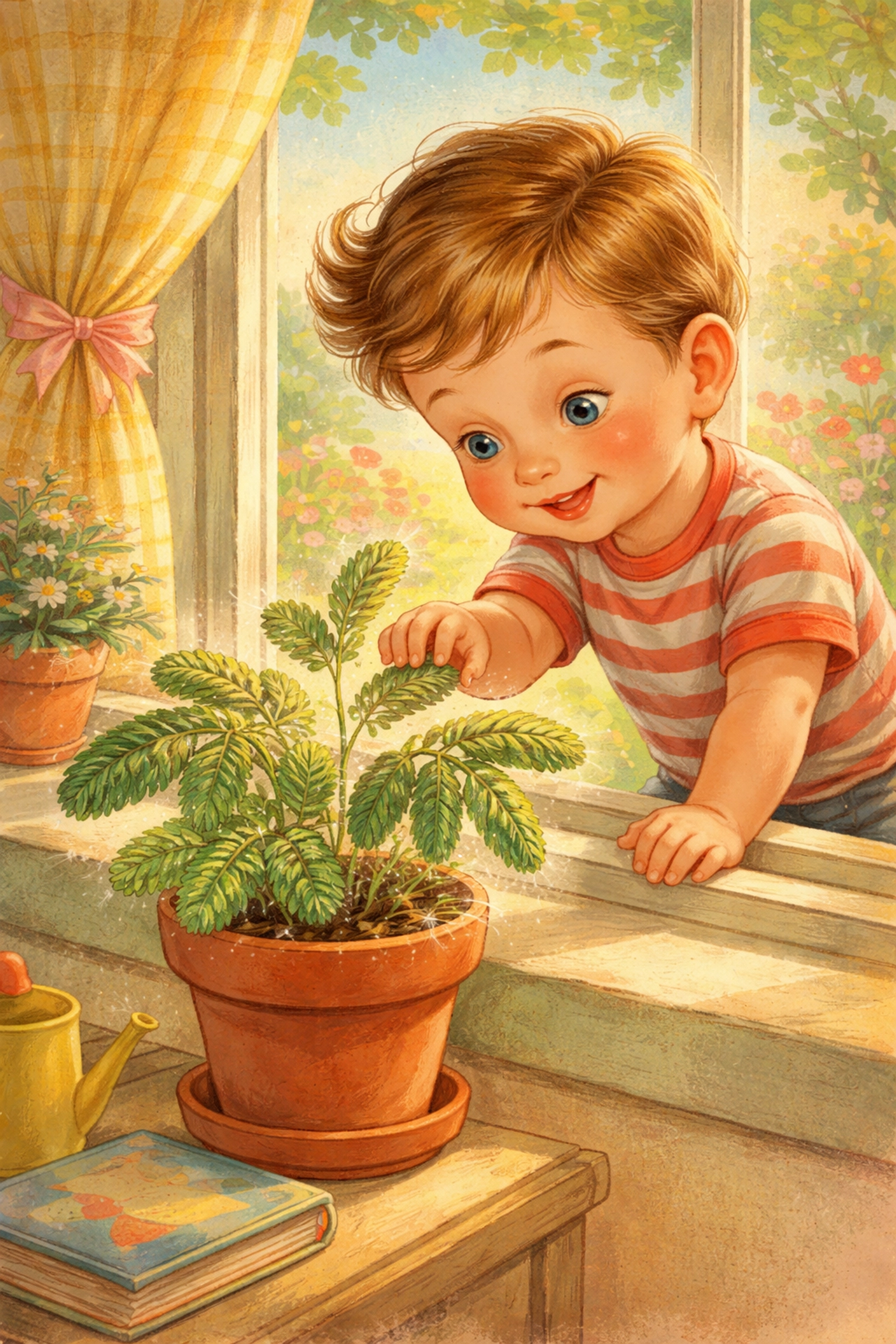
The Sensitive Plant (also called the "Touch-Me-Not" or "Shameplant") has feathery, fern-like leaves that fold inward and droop when touched, shaken, or even breathed on too hard. Within minutes, they pop right back open like nothing happened.
It's basically a living science experiment sitting on your windowsill.
Kids learn about plant responses, responsibility, and patience, all while giggling every single time those leaves do their little dance. And the best part? You can grow one from seed for pocket change.
What You'll Need (Budget: Under $10)
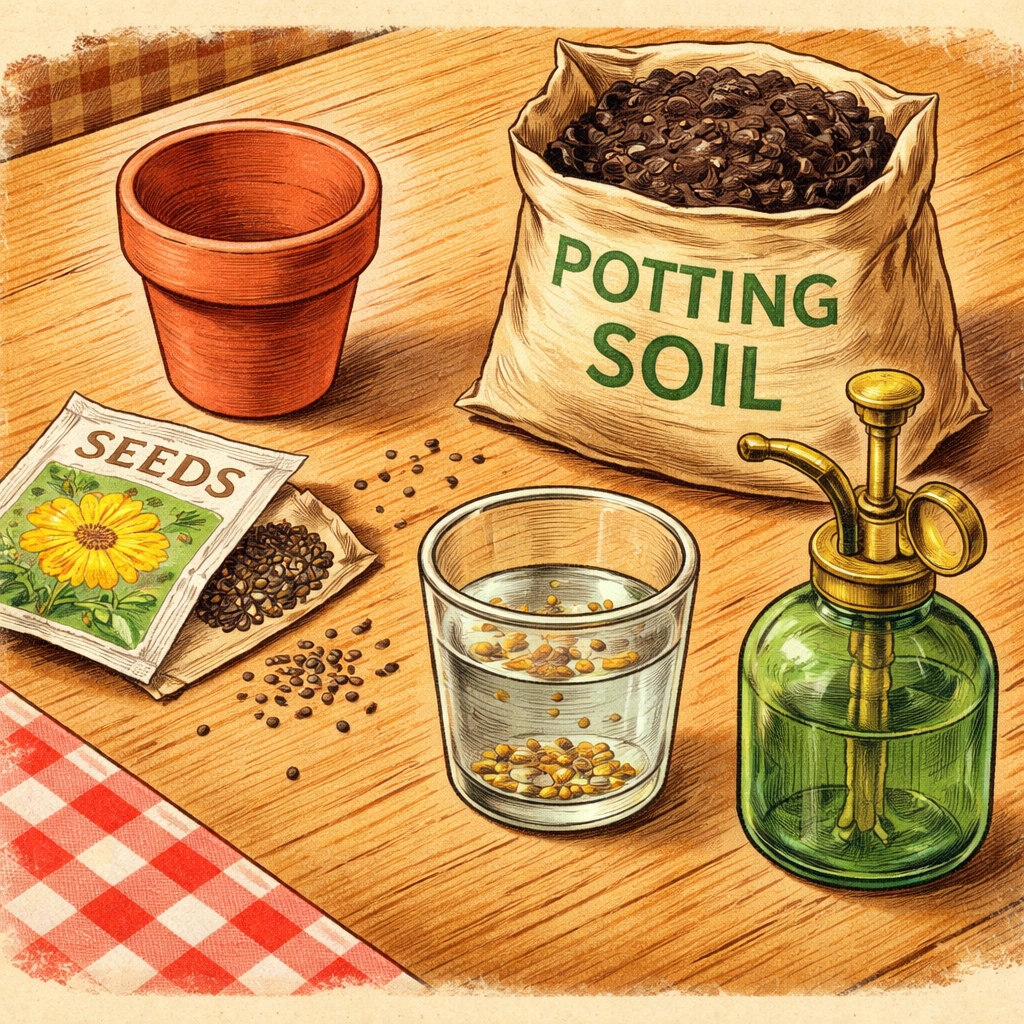
Here's your shopping list. Most of this you probably already have lying around the house:
| Item | Approximate Cost |
|---|---|
| Sensitive Plant seeds (packet of 20-50) | $2-4 |
| Small pot with drainage holes (or upcycled yogurt cup) | $0-2 |
| Potting soil (small bag or leftover from another project) | $0-3 |
| Plastic wrap or a clear plastic bag | $0 (from your kitchen) |
| Spray bottle for misting | $0-1 |
Total: Around $3-8
If you want to save even more, poke holes in the bottom of a clean yogurt container or a rinsed-out soup can. Works like a charm.
Step-by-Step: Growing Your Sensitive Plant from Seed
Step 1: Give Those Seeds a Little Spa Treatment
Sensitive Plant seeds have tough outer coats, so they appreciate a good overnight soak before planting. Drop your seeds into a cup of warm (not hot!) water and let them sit for 12-24 hours. This softens the shell and helps them sprout faster.
Pro tip: If you're impatient (no judgment here), you can gently nick the seed coat with a nail file before soaking. Just a tiny scratch does the trick.
Step 2: Prep Your Pot
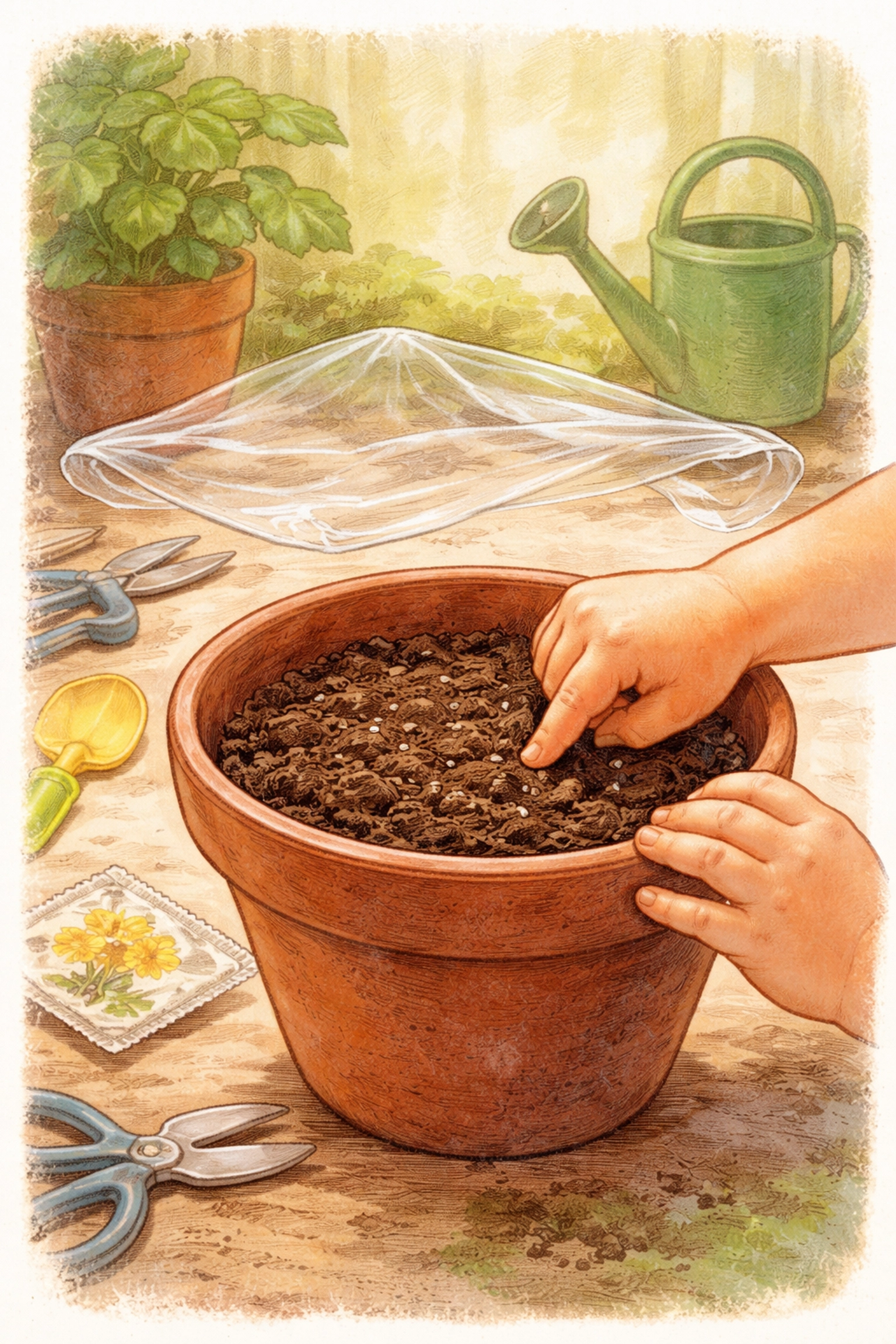
Fill your container about ¾ full with regular potting soil. Nothing fancy needed, just make sure it drains well. Give it a good spritz with your spray bottle so the soil is damp but not soggy.
Think of it like a wrung-out sponge. Moist, not dripping.
Step 3: Plant the Seeds
Place 2-3 seeds on top of the soil, then gently press them down about ¼ inch deep. Cover lightly with a thin layer of soil.
Don't bury them too deep! These little guys need to find the light.
Step 4: Create a Mini Greenhouse
Here's where it gets fun. Stretch a piece of plastic wrap over the top of your pot (or slip it into a clear plastic bag) to trap humidity. Sensitive Plants are tropical, so they love that warm, steamy environment.
Set the pot somewhere warm, the top of your refrigerator works great, or near (but not on) a heating vent.
If you've already got a DIY mini greenhouse from a plastic bottle, even better!
Step 5: Wait (the Hardest Part)
Germination takes about 21-30 days, so this is a great lesson in patience. Check daily to make sure the soil stays moist, and remove the plastic wrap for a few minutes every couple of days to let fresh air circulate.
When you see those first tiny green sprouts poking through, remove the plastic covering and move your pot to a bright window.
Step 6: Find the Perfect Sunny Spot
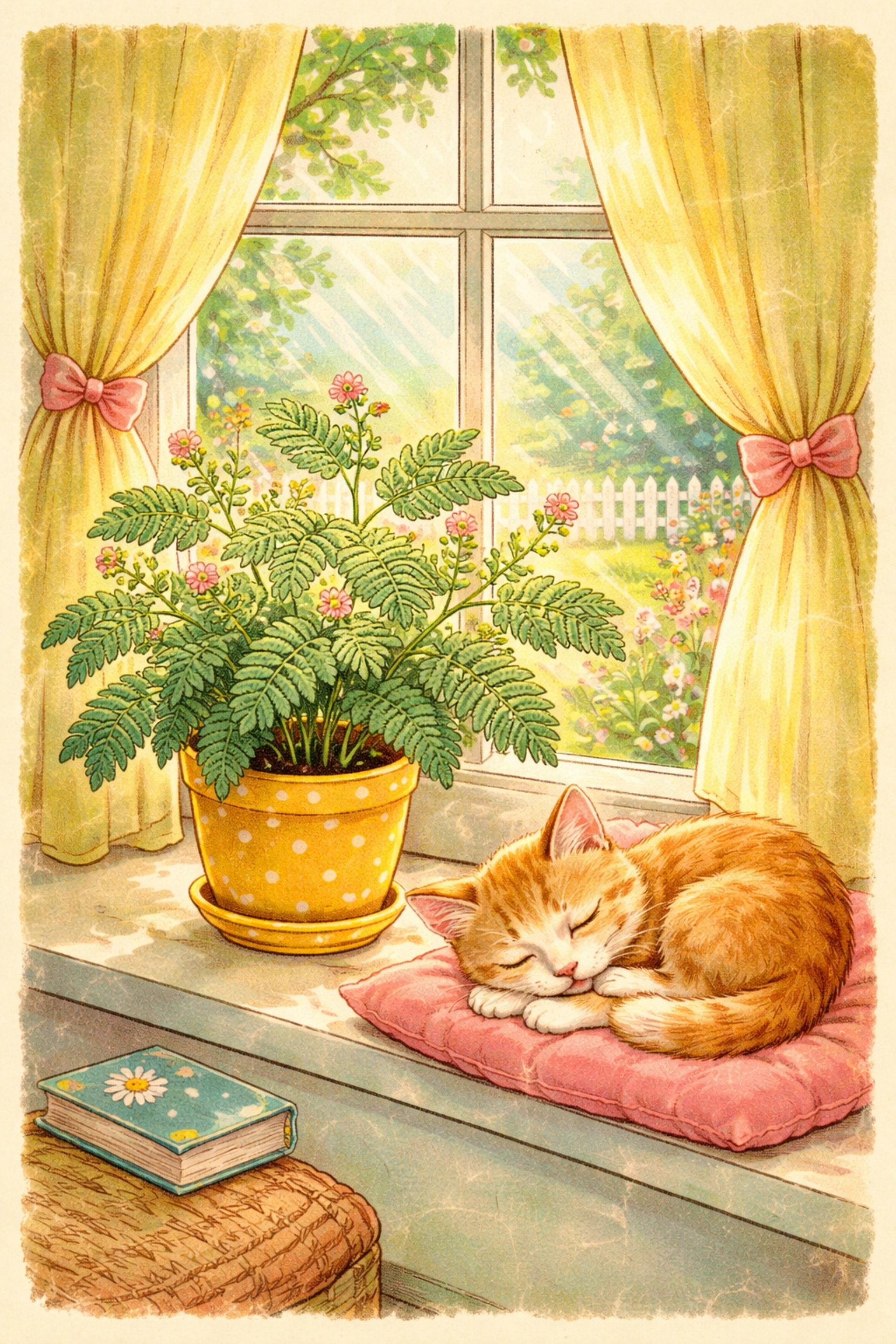
Sensitive Plants love bright, indirect light. An east or west-facing window is ideal. Too much direct, blazing sun can scorch those delicate leaves, but too little light makes the plant leggy and sad-looking.
A sunny kitchen or bathroom windowsill? Chef's kiss.
Caring for Your Sensitive Plant (The Easy Version)
Once your plant is established, here's how to keep it happy:
Water: Keep the soil consistently moist, not soggy, not bone dry. Stick your finger about an inch into the soil. If it feels dry, give it a drink. If it's still damp, wait a day.
Humidity: These tropical beauties love moisture in the air. Mist the leaves every day or two, or set the pot on a tray of pebbles with a little water underneath. The evaporation creates a humid microclimate.
Temperature: Keep your plant in a room that stays between 65-75°F. Avoid cold drafts from windows or air conditioning vents, Sensitive Plants are, well, sensitive about temperature swings.
Feeding: Go easy here. A tiny bit of diluted, balanced fertilizer once a month during spring and summer is plenty. Skip feeding in winter when growth slows down.
Pruning: If your plant gets tall and leggy, pinch back the stems to encourage bushier growth. Kids love helping with this part!
The Science Behind the Magic
So why do the leaves fold up? Great question, and one your kids will definitely ask approximately 47 times.
When you touch a Sensitive Plant, it triggers a rapid release of water from special cells at the base of each leaf. The leaves lose their "turgor pressure" (the water pressure that keeps them stiff) and collapse. It's called thigmonasty, a fancy word that basically means "movement in response to touch."
Scientists believe this defense mechanism evolved to scare off hungry insects or herbivores. Imagine being a caterpillar, settling down for a nice leaf lunch, and suddenly the whole plant collapses beneath you. You'd probably move on to something less dramatic too.
Within 15-30 minutes, the plant pumps water back into those cells and the leaves unfold good as new.
Troubleshooting Common Problems
Leaves won't close anymore: Your plant might be exhausted from too much handling. Give it a rest for a day or two. Even magic plants need a break.
Yellow or droopy leaves: Usually a sign of overwatering. Make sure your pot has drainage holes and let the soil dry out slightly between waterings.
Leggy, stretched-out stems: Not enough light. Move your plant to a brighter spot.
No sprouts after 4+ weeks: Seeds might not have been viable, or the soil may have been too cold. Try again with fresh seeds and keep them warmer during germination.
Frequently Asked Questions
Is the Sensitive Plant safe for kids and pets?
Generally, yes. However, the seeds contain small amounts of compounds that can cause mild stomach upset if eaten in large quantities. Keep seeds away from curious toddlers and pets, and teach kids that this plant is for touching, not tasting.
How long does a Sensitive Plant live?
In its natural habitat, it's a perennial. Indoors, most people treat it as an annual since it can get scraggly after a year. The good news? Seeds are cheap, and starting fresh is half the fun.
Can I grow Sensitive Plants outdoors?
Absolutely, if you live in a warm climate (zones 9-11). In cooler areas, keep it indoors or treat it as a summer patio plant and bring it inside before frost.
Why are my seeds not germinating?
They may need more warmth, more moisture, or the seed coat wasn't scarified (nicked) before planting. Try soaking and gently scratching the seeds before your next attempt.
How often should I touch the plant?
A few times a day is fine. Constant poking can stress the plant and slow its growth. Teach kids to enjoy the magic in moderation!
Do Sensitive Plants flower?
Yes! They produce fluffy pink pom-pom flowers that are absolutely adorable. You'll typically see blooms in summer if the plant is happy.
Can I propagate my Sensitive Plant?
You can try stem cuttings, but seeds are much easier and more reliable for this species.
What's the best soil for Sensitive Plants?
Any well-draining potting mix works. You can add a bit of perlite to improve drainage if your soil tends to hold too much water.
Ready to Grow Some Magic?
Growing a Sensitive Plant with your kids is one of those simple projects that punches way above its weight. For less than ten bucks and a few minutes of setup, you get weeks of excitement, daily science lessons, and a houseplant that actually does something when your little ones interact with it.
Now that's what I call a win.
Happy growing, friends! 🌱