




The Quick Answer
Managing pests in your indoor vertical garden naturally comes down to three main strategies: introducing beneficial insects that eat the bad guys, using organic sprays like neem oil or diluted soap, and setting up physical barriers like sticky traps and fine mesh. The best part? You can handle most pest problems for under $10 without reaching for harsh chemicals, and your kids can help with almost every step.
Let's dig into exactly how to keep your indoor garden thriving and pest-free the natural way.
Why Do Pests Show Up in Indoor Vertical Gardens?
Here's the thing, pests don't magically appear. They hitch rides on new plants, sneak in through open windows, or take up residence in potting soil. Indoor vertical gardens create cozy, humid environments that certain critters absolutely love.
The most common troublemakers you'll encounter include:
- Aphids – tiny green or black bugs that cluster on new growth
- Fungus gnats – annoying little flies that hover around soil
- Whiteflies – small white insects that scatter when you touch leaves
- Spider mites – nearly invisible pests that leave fine webbing
The good news? All of these can be managed without chemicals using methods that are safe for your family and your plants.
Natural Pest Control Methods That Actually Work
1. Beneficial Insects: Nature's Tiny Helpers
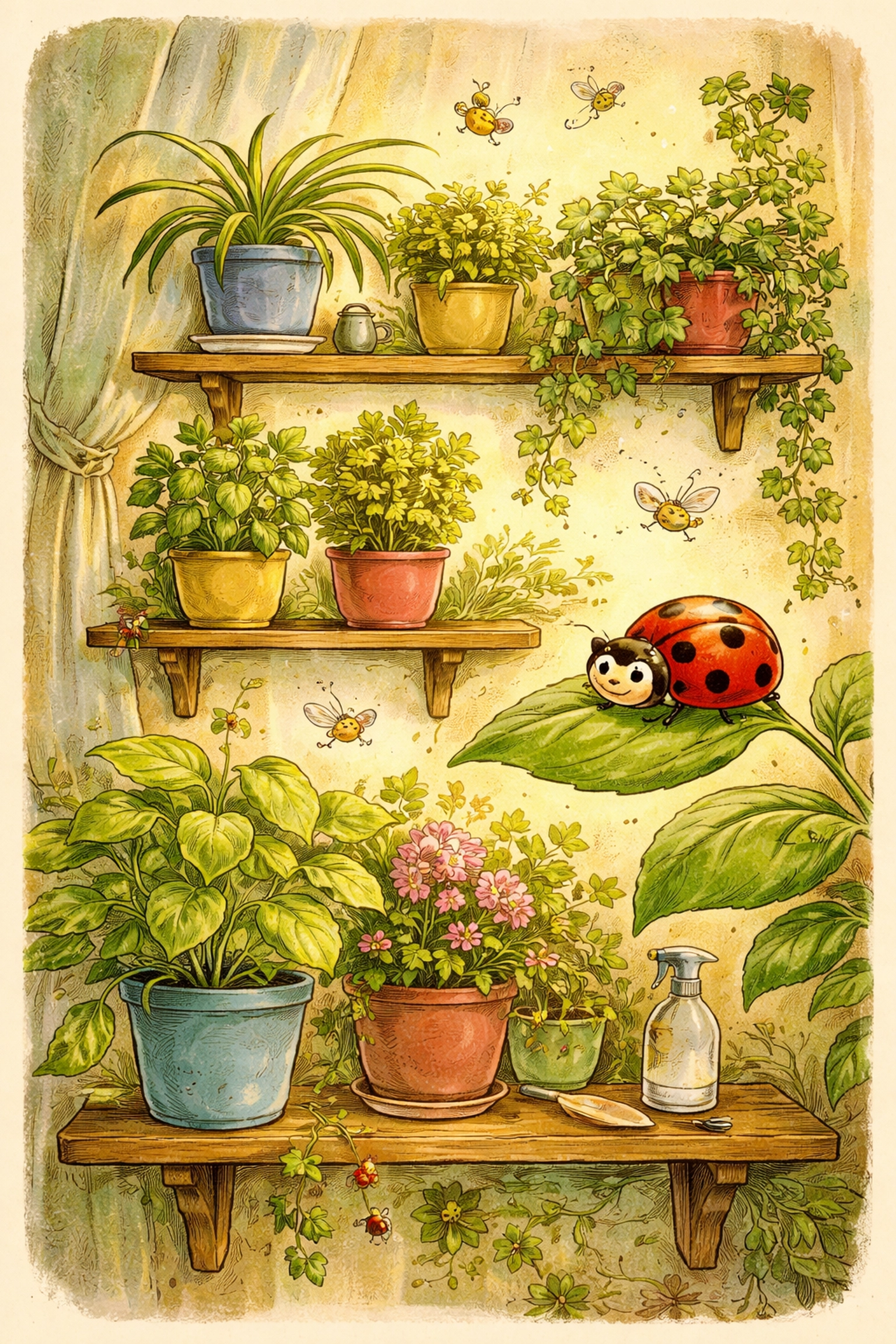
This might sound counterintuitive, but sometimes the best way to fight bugs is with other bugs. Beneficial insects prey on the pests destroying your plants.
Ladybugs are aphid-eating machines, a single ladybug can devour up to 50 aphids per day. Lacewings and their larvae are equally voracious, targeting aphids, whiteflies, and even spider mites. You can purchase these beneficial insects online and release them directly into your indoor garden.
Pro tip: Release beneficial insects in the evening when they're less likely to fly toward light sources and more likely to settle on your plants.
2. Organic Sprays and Treatments
When you need to take direct action, these natural sprays get the job done:
Neem Oil Spray
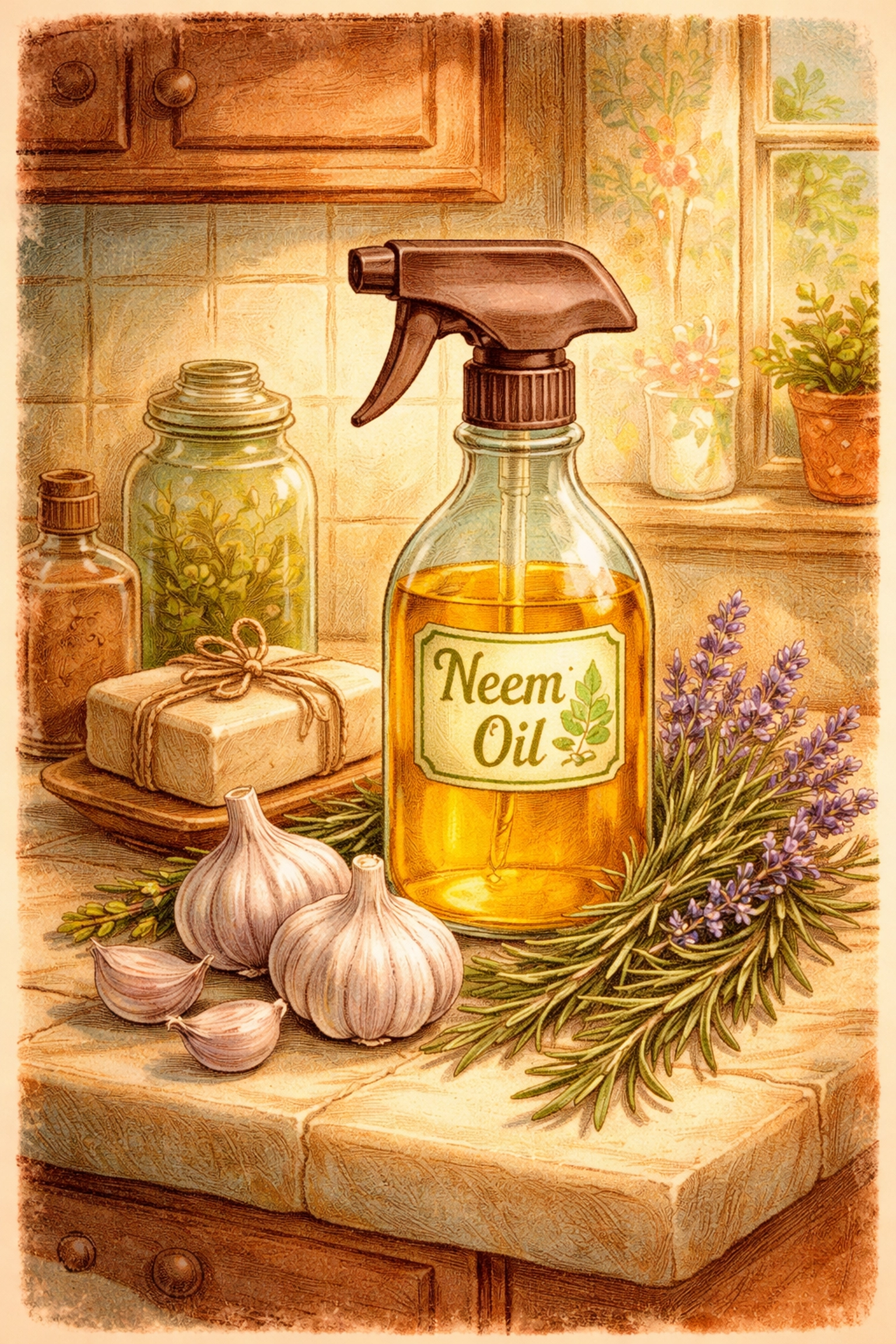
Neem oil comes from neem tree seeds and disrupts pest life cycles without harming beneficial insects when used correctly. Mix 2-4 teaspoons of certified organic neem oil concentrate with one quart of water. Spray all plant surfaces, tops of leaves, undersides, stems, and even the soil surface. Apply in the evening to avoid leaf burn.
Diluted Castile Soap Spray
A simple soap spray suffocates soft-bodied insects like aphids and whiteflies. Mix 1 tablespoon of pure Castile soap with one quart of water. Spray directly on pests and rinse plants with clean water after a few hours.
Garlic Barrier
Pests hate the smell of garlic. Blend 2-3 garlic cloves with a quart of water, strain, and spray on affected plants. This works as both a treatment and a deterrent.
3. Physical Barriers and Traps
Sometimes the simplest solutions work best.
DIY Sticky Traps
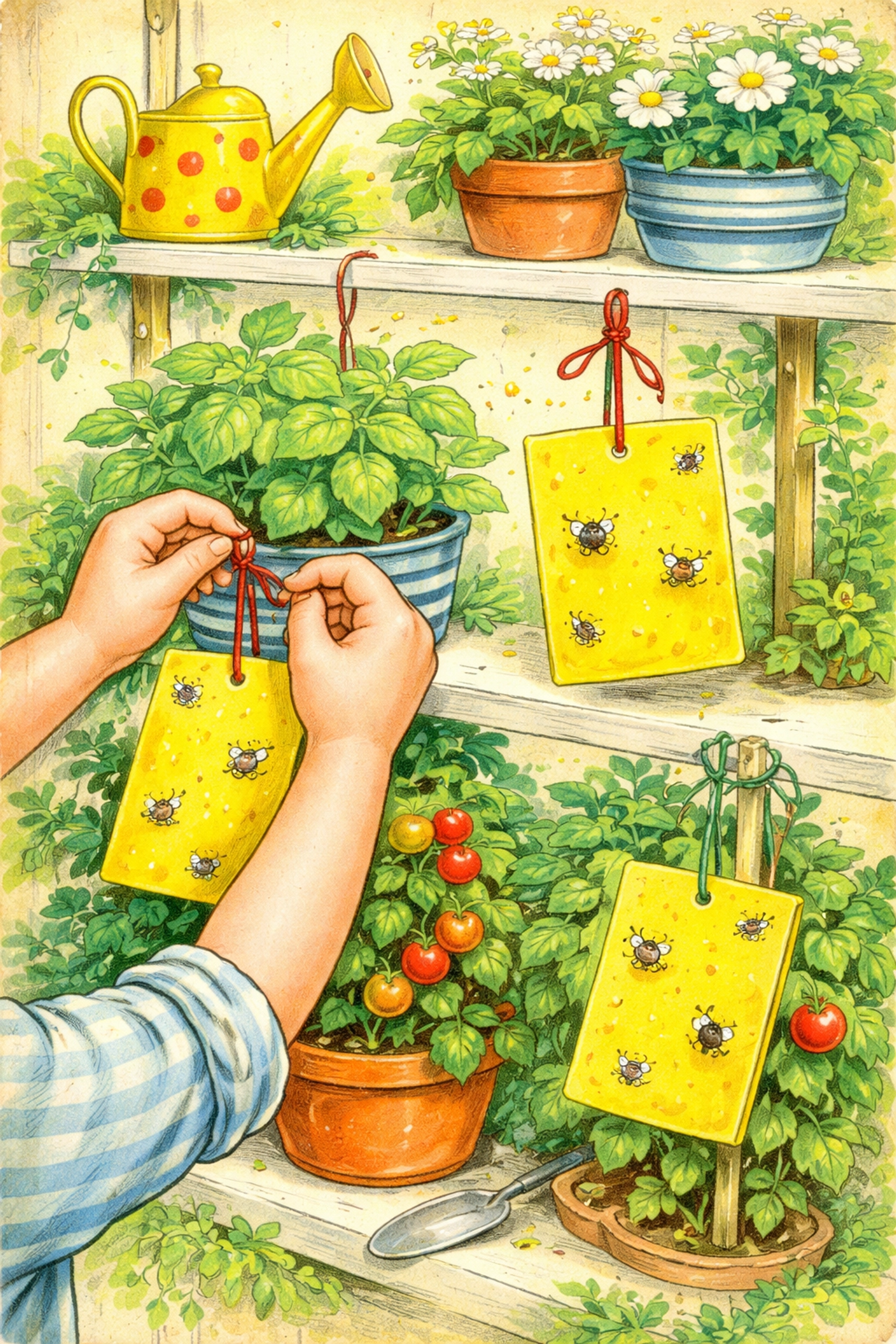
Yellow sticky traps attract and capture flying pests like fungus gnats and whiteflies. You can make your own by coating yellow cardboard or plastic with a thin layer of petroleum jelly or honey. Hang them near affected plants to monitor and reduce pest populations.
Fine Mesh Barriers
For vertical gardens near windows, fine mesh netting prevents new pests from entering while allowing air circulation.
Diatomaceous Earth
This natural powder (made from fossilized algae) creates a physical barrier that damages the exoskeletons of crawling insects. Sprinkle food-grade diatomaceous earth on soil surfaces around plant bases. Reapply after watering.
Step-by-Step: DIY Natural Pest Control for Under $10
Here's a complete system you can set up this weekend with the kids:
What You'll Need
| Item | Estimated Cost |
|---|---|
| Neem oil concentrate (2 oz) | $4.00 |
| Castile soap (travel size) | $2.00 |
| Yellow index cards (for traps) | $1.00 |
| Petroleum jelly | $1.50 |
| Spray bottle (reusable) | $1.00 |
| Total | $9.50 |
Instructions
Step 1: Inspect Your Plants (Day 1)
Before treating anything, do a thorough inspection. Check the undersides of leaves, along stems, and at soil level. Look for actual bugs, sticky residue (honeydew), yellowing leaves, or fine webbing. Identify what you're dealing with before taking action.
Step 2: Prune and Clean (Day 1)
Remove any heavily damaged leaves or stems, put them in the trash, not your compost. Clear away fallen leaves and debris from the base of plants. This removes pest hiding spots and eggs.
Step 3: Set Up Sticky Traps (Day 1)
Coat yellow index cards with petroleum jelly on both sides. Use paperclips or string to hang them at plant height throughout your vertical garden. These will capture flying pests and help you monitor the situation.
Step 4: Apply Your First Treatment (Day 2)
Mix your neem oil spray according to the recipe above. Working in the evening, spray all plant surfaces thoroughly. Don't forget the undersides of leaves where pests love to hide.
Step 5: Follow-Up Soap Spray (Day 5)
Three days later, apply diluted Castile soap spray to knock down any remaining pests. Rinse plants with clean water 2-3 hours after application.
Step 6: Monitor and Repeat (Days 6-14)
Check your sticky traps daily. If you're still catching pests, repeat the neem oil treatment on day 7 and the soap spray on day 10. Most infestations clear up within two weeks using this method.
Prevention: Keeping Pests Out for Good
Once you've handled an infestation, prevention is key:
Quarantine new plants for at least two weeks before adding them to your vertical garden. Inspect them carefully for hitchhikers.
Maintain good airflow around your plants. Stagnant, humid air invites problems.
Don't overwater. Soggy soil attracts fungus gnats and creates conditions where pests thrive.
Add companion plants like basil, rosemary, or lavender to your vertical setup. These herbs naturally repel many common pests while making your garden smell amazing.
Inspect weekly. Catching problems early, when there are just a few bugs, is infinitely easier than dealing with a full-blown infestation.
If you're looking to expand your indoor growing setup, check out our guide on how much space you need for a productive hydroponic garden for more tips on indoor growing success.
Frequently Asked Questions
Are neem oil and Castile soap safe to use around kids and pets?
Yes, both are considered safe for household use when applied as directed. However, keep kids and pets away from freshly sprayed plants until they dry, and always use food-grade or certified organic products.
How often should I check my indoor vertical garden for pests?
Weekly inspections are ideal for prevention. If you're actively treating an infestation, check daily for about two weeks.
Can I use beneficial insects in a small indoor space?
Absolutely. Ladybugs and lacewings work well indoors. Release them in the evening near affected plants. They'll stick around as long as there's food (pests) available.
What's the fastest way to get rid of fungus gnats?
Let your soil dry out between waterings: fungus gnats lay eggs in moist soil. Combine this with yellow sticky traps near the soil surface, and you'll see results within a week.
Will neem oil hurt my edible plants?
Neem oil is safe for edible plants. Just wash your produce before eating, and avoid spraying during flowering if you're growing anything that needs pollination.
How do I know if I have spider mites?
Look for fine webbing on leaves and tiny dots (the mites) moving on leaf undersides. Leaves may appear speckled or bronzed. Hold a white paper under a leaf and tap: if tiny specks fall and start moving, you've got mites.
Can I prevent pests from ever appearing?
You can minimize risk significantly with good practices, but some pests are nearly inevitable over time. The goal is early detection and quick action, not perfection.
Is diatomaceous earth safe to touch?
Food-grade diatomaceous earth is safe for skin contact but avoid inhaling the dust. Wear a simple dust mask when applying, and keep it away from your eyes.
References
- University of California Integrated Pest Management Program – Biological Control and Natural Enemies
- National Gardening Association – Companion Planting for Pest Control
- Oregon State University Extension – Organic Pest Management in Home Gardens
- USDA National Organic Program – Approved Substances for Organic Pest Control
- Cornell University Cooperative Extension – Using Neem Oil in Gardens