




Nutrient solutions in vertical gardens are carefully formulated water mixtures containing dissolved minerals that replace soil as the primary food source for your plants. Instead of roots searching through dirt for nutrients, these solutions deliver everything plants need directly to their root systems through recirculating water. The result? Faster growth, up to 90% less water usage, and plants that can thrive in spaces where traditional gardening just isn't possible.
Whether you're growing lettuce on your apartment balcony or teaching your kids about plant science in the kitchen, understanding nutrient solutions opens up a whole new world of gardening possibilities. Let's break down the science in a way that actually makes sense, and show you how to mix up your own solution for under $10.
What Exactly Is a Nutrient Solution?
Think of nutrient solution as a perfectly balanced smoothie for your plants. In traditional gardening, roots slowly absorb minerals from decomposing organic matter in soil. That process takes time and depends on countless variables like soil quality, beneficial microbes, and weather conditions.
Nutrient solutions skip all that waiting. They start as dry ionic mineral compounds that dissolve completely in water at specific concentrations. When plant roots encounter this mineral-rich water, they can absorb nutrients immediately, no middleman required.
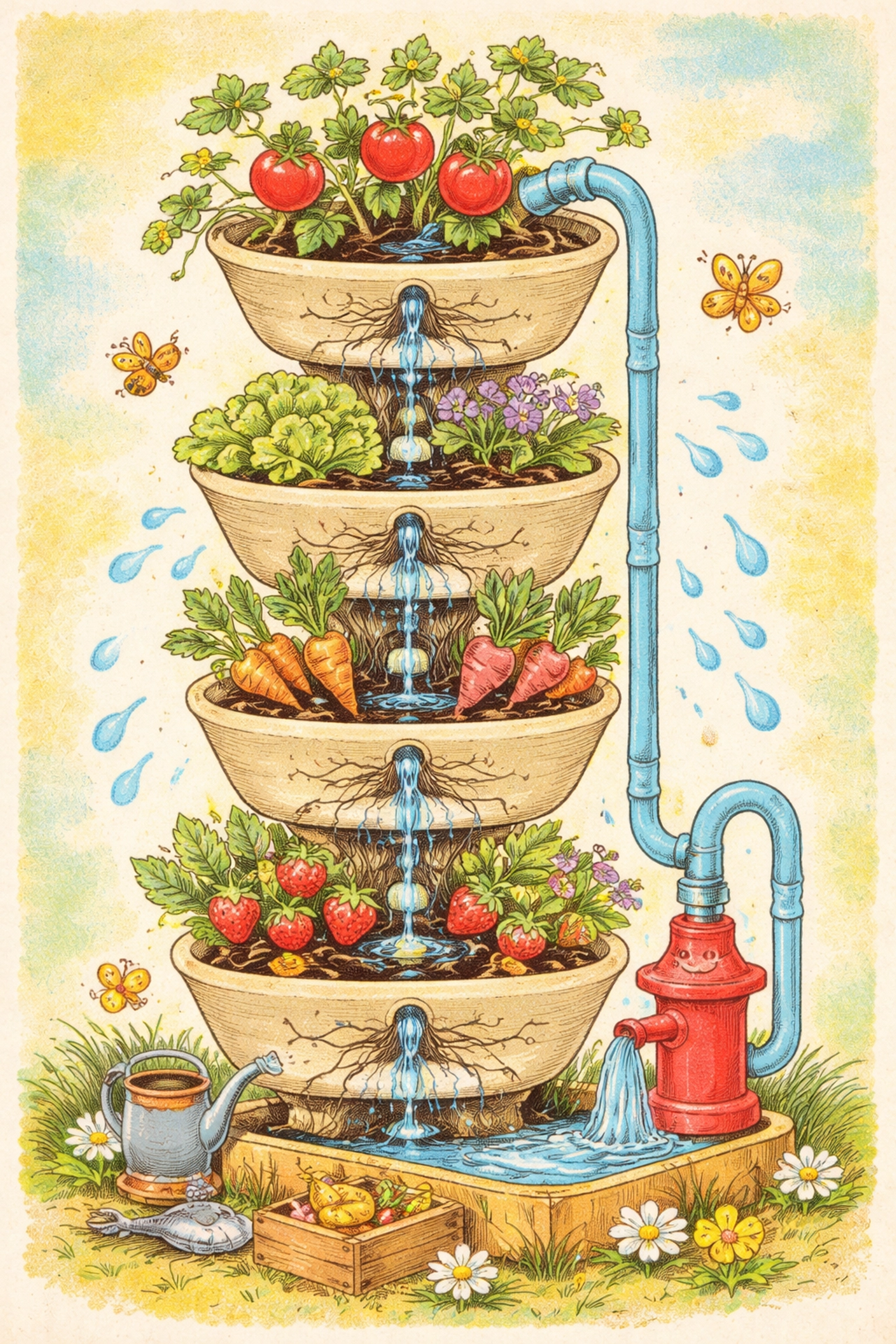
In vertical garden systems, a pump pushes the nutrient solution to the top of the structure. Gravity then pulls it downward through each tier, flowing past every plant's roots along the way. The solution collects in a reservoir at the bottom and gets pumped back up again, creating a continuous closed-loop system that wastes almost nothing.
The Essential Nutrients Your Plants Actually Need
Plants require two categories of nutrients to thrive: macronutrients (needed in larger amounts) and micronutrients (needed in tiny but critical quantities).
Macronutrients
- Nitrogen (N) – The big one for leafy growth. Without enough nitrogen, leaves turn yellow and growth stalls.
- Phosphorus (P) – Powers root development and helps plants produce flowers and fruit.
- Potassium (K) – Supports overall plant health, disease resistance, and water regulation.
- Calcium (Ca) – Builds strong cell walls and prevents problems like blossom end rot in tomatoes.
- Magnesium (Mg) – The central atom in chlorophyll molecules, without it, photosynthesis can't happen.
- Sulfur (S) – Essential for protein synthesis and enzyme function.
Micronutrients
These include boron, copper, manganese, molybdenum, and zinc. Plants need only trace amounts, but deficiencies can cause serious problems like stunted growth, leaf discoloration, and poor fruit development.
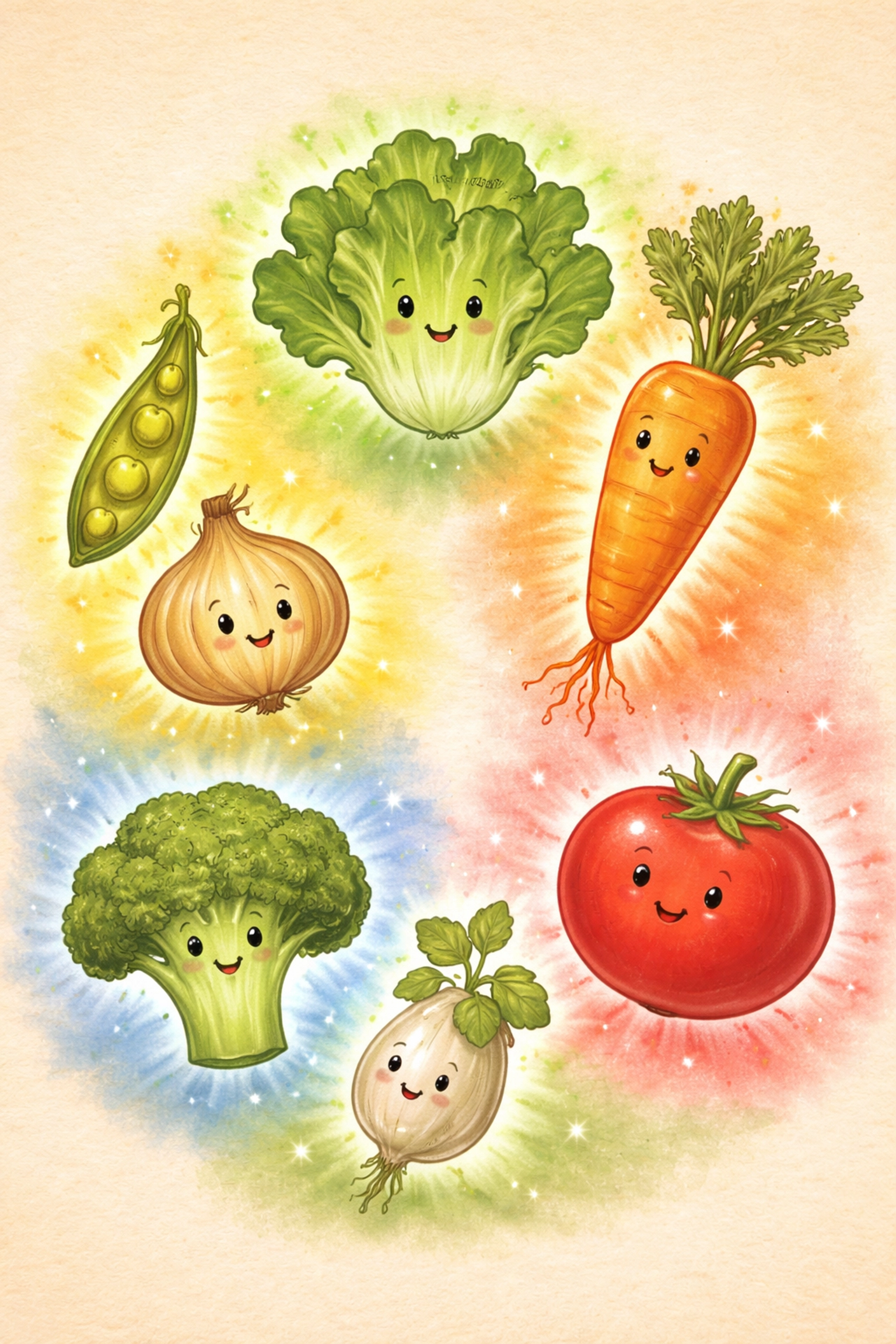
Commercial hydroponic nutrients typically come in two bottles, often labeled "A" and "B", because certain minerals react badly when concentrated together. Bottle A usually contains nitrogen, calcium, and chelated iron. Bottle B provides potassium, phosphorus, and magnesium. When diluted separately and then combined in your reservoir, they create a complete, stable solution.
DIY Nutrient Solution: A Family-Friendly Project
Here's where things get fun. You can absolutely make a simple nutrient solution at home with your kids, turning plant science into a hands-on experiment. This beginner recipe works well for leafy greens like lettuce, spinach, and herbs.
What You'll Need
| Item | Approximate Cost |
|---|---|
| Epsom salt (magnesium sulfate) – 1 lb bag | $3.00 |
| Water-soluble fertilizer (20-20-20 or similar) | $4.50 |
| pH testing strips | $2.00 |
| Gallon jug or container | Free (reuse!) |
| Measuring spoons | Already own |
| Total | $9.50 |
Step-by-Step Instructions
Step 1: Start with clean water
Fill your gallon container with water. If you're using tap water, let it sit uncovered for 24 hours to allow chlorine to dissipate. Alternatively, use filtered or distilled water.
Step 2: Add the water-soluble fertilizer
Measure 2 teaspoons of your balanced fertilizer (like a 20-20-20 formula) and stir it thoroughly into the water until completely dissolved. This provides your nitrogen, phosphorus, and potassium base.
Step 3: Add Epsom salt
Measure 1 teaspoon of Epsom salt and stir until dissolved. This supplies magnesium and sulfur, two macronutrients often missing from basic fertilizers.
Step 4: Test and adjust pH
Dip a pH test strip into your solution. You're aiming for a pH between 5.5 and 6.5. If your solution is too alkaline (above 6.5), add a few drops of white vinegar and retest. If it's too acidic (below 5.5), add a tiny pinch of baking soda.
Step 5: Label and store
Write the date on your container. Fresh nutrient solution works best within 1-2 weeks. Store in a cool, dark place away from direct sunlight.

Pro tip for families: Have your kids keep a plant journal tracking growth differences between plants fed with nutrient solution versus plain water. It's real science they can see with their own eyes!
Monitoring Your Solution: The Two Numbers That Matter
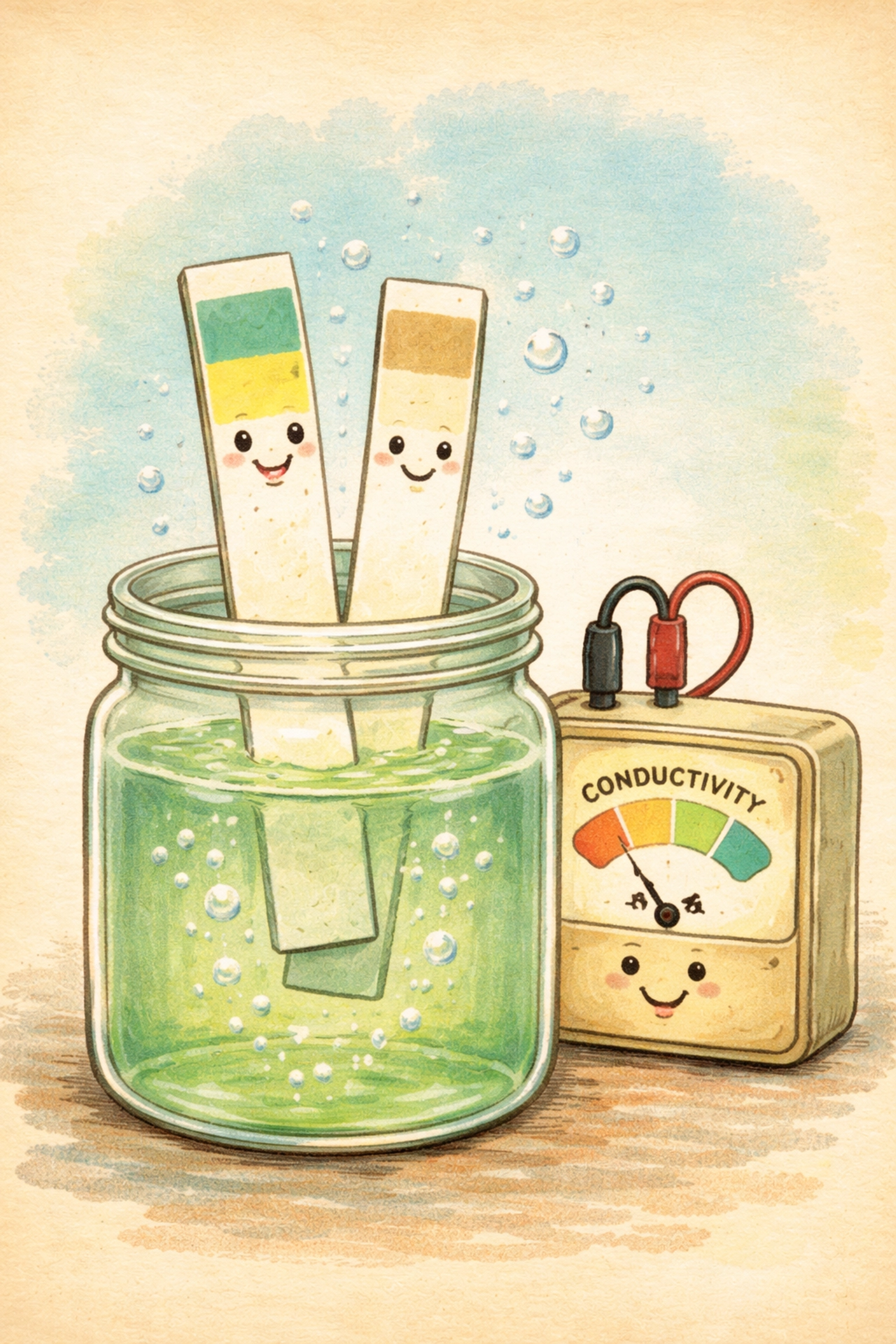
Professional vertical gardeners obsess over two measurements: pH and electrical conductivity (EC). Here's why both matter, and how to keep things simple at home.
pH Level
The pH scale runs from 0 (extremely acidic) to 14 (extremely alkaline), with 7 being neutral. Most plants absorb nutrients best when the solution pH sits between 5.5 and 6.5. Outside this range, certain nutrients become chemically "locked out," meaning plants can't absorb them even when they're present in the water.
Inexpensive pH test strips work fine for home gardens. Test your solution weekly, especially if you notice plants looking pale or unhealthy.
Electrical Conductivity (EC)
EC measures how much dissolved material is in your water, essentially telling you how concentrated your nutrients are. Higher EC means more nutrients; lower EC means a more dilute solution.
Most leafy greens prefer an EC between 1.2 and 2.0 mS/cm. Fruiting plants like tomatoes and peppers often want higher concentrations (2.0 to 3.5 mS/cm). Digital EC meters cost around $15-20 and are worth the investment if you get serious about vertical gardening.
Why Nutrient Solutions Produce Such Healthy Plants
Here's something that might surprise you: scientific studies comparing aeroponic crops grown in nutrient solutions to soil-grown crops show comparable, and sometimes superior, nutritional profiles. Aeroponically grown vegetables often contain high concentrations of antioxidants and flavonoids, resulting in excellent taste and nutritional quality.
Why? Because nutrient solutions eliminate the guesswork. Plants receive exactly what they need, when they need it, in forms they can immediately absorb. There's no waiting for organic matter to decompose, no competition with weeds, and no nutrient depletion as the growing season progresses.
For families interested in growing the healthiest possible food in limited space, vertical gardens with properly managed nutrient solutions offer remarkable possibilities. If you're curious about space requirements, check out our guide on how much space you need for a productive hydroponic garden.
Frequently Asked Questions
Can I use regular garden fertilizer for nutrient solutions?
Only if it's fully water-soluble. Most granular garden fertilizers contain insoluble components that won't dissolve properly and can clog your system.
How often should I change my nutrient solution?
For small home systems, replace the entire solution every 1-2 weeks. Larger systems with good monitoring can run longer between complete changes.
Is hydroponic produce as nutritious as soil-grown?
Research indicates that properly grown hydroponic produce can match or exceed the nutritional content of conventionally grown vegetables.
What happens if my pH is wrong?
Plants may show nutrient deficiency symptoms even though nutrients are present. Leaves might yellow, growth slows, and overall plant health suffers.
Can kids safely handle nutrient solutions?
Basic nutrient solutions made from commercial fertilizers are generally safe for supervised handling. Always wash hands afterward and avoid ingestion.
Do different plants need different nutrient concentrations?
Yes! Leafy greens prefer lighter feeding, while fruiting plants like tomatoes need stronger solutions. Research your specific crops for best results.
Why do nutrients come in separate A and B bottles?
Certain minerals precipitate out (become solid) when concentrated together. Keeping them separate until dilution ensures everything stays dissolved and available.
Can I make nutrient solution from kitchen scraps?
Compost teas can supplement but rarely provide complete, balanced nutrition. For consistent results, commercial hydroponic nutrients are more reliable.
References
- Research on vertical farming nutrient delivery systems and water usage efficiency
- Studies on aeroponic nutrient solution composition and plant performance
- Hydroponic nutrient management guidelines for pH and electrical conductivity monitoring