



The Mystery Texture Bag Game is a simple sensory activity where kids reach into an opaque bag, feel hidden objects without peeking, and try to guess what they're touching based on texture alone. It's a fantastic way to sharpen observation skills, build descriptive vocabulary, and keep little hands busy: all without screens or expensive supplies. Most families can set this up in under ten minutes using items already lying around the house.
This game works wonderfully for solo play, sibling competitions, or even as a party activity. And the best part? You likely won't need to spend a single dollar.
What You'll Need: Materials List
Here's a quick rundown of everything required to get started. Nearly all of these items can be found in your kitchen junk drawer or craft bin.
| Material | Purpose | Estimated Cost |
|---|---|---|
| Opaque bag (pillowcase, cloth tote, or paper bag) | Hides objects from view | Free – $3 |
| 5-10 household items with varied textures | Objects for guessing | Free |
| Blindfold (optional) | Extra challenge for older kids | Free – $2 |
| Paper and pencil | Recording guesses | Free |
| Small basket or bowl | Holding items before placing in bag | Free |
Total estimated cost: $0 – $5
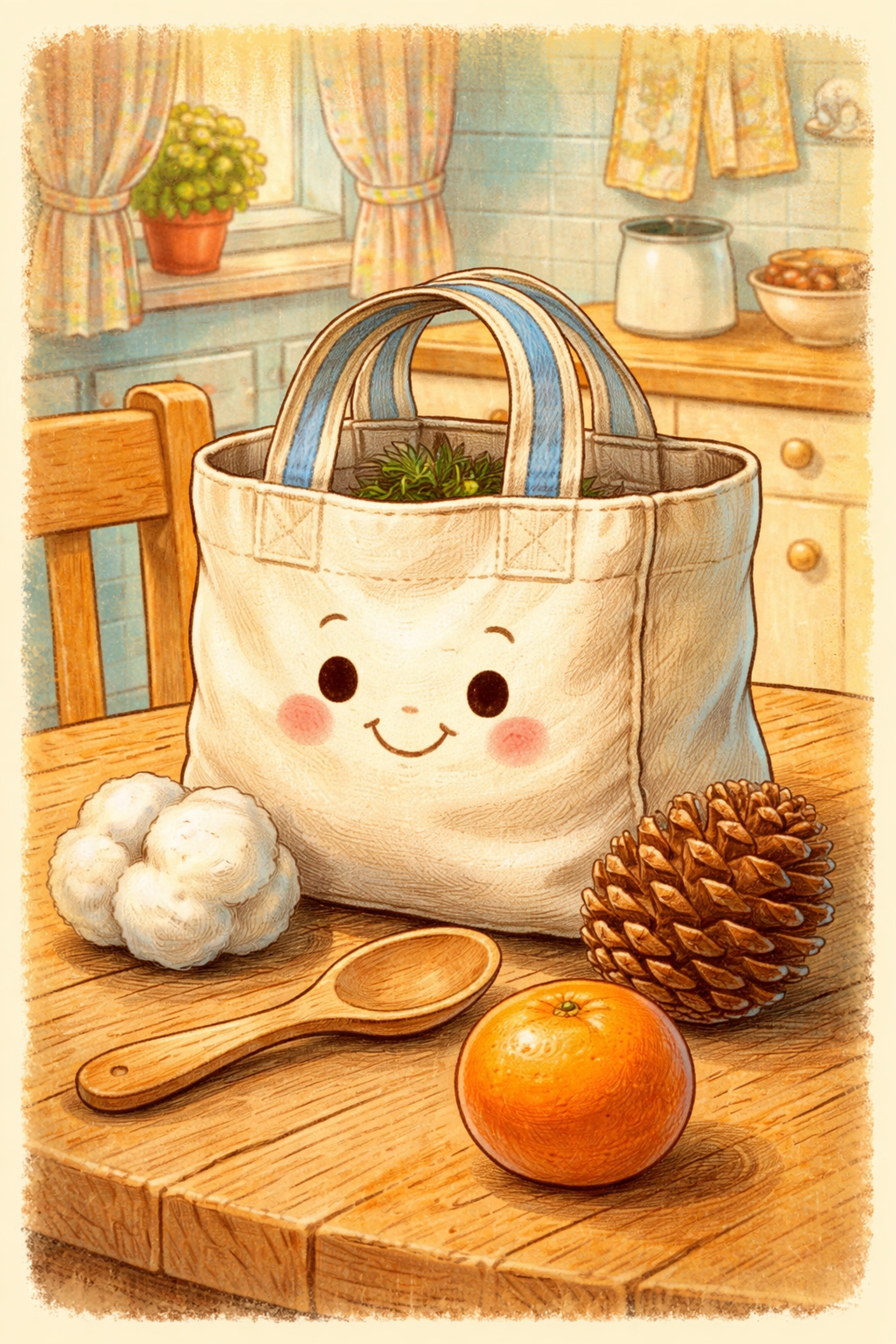
The key is choosing a bag that's completely opaque. If you can see shadows or outlines through the fabric, it tends to defeat the purpose. A standard pillowcase works great, as does a canvas tote bag or even a large brown paper grocery sack.
Best Age Ranges for the Mystery Texture Bag Game
This activity can be adapted for a surprisingly wide range of ages:
Toddlers (Ages 2-3): Keep it simple with just 2-3 very distinct objects: think a soft cotton ball versus a hard wooden block. Focus on the sensory experience rather than "winning."
Preschoolers (Ages 3-5): This tends to be the sweet spot. Kids at this age are developing their descriptive language and generally love the guessing element. Use 4-6 objects with clearly different textures.
Early Elementary (Ages 5-8): Increase the challenge by adding objects with similar textures or asking kids to identify items by shape and weight as well. You might also introduce a point system.
Older Kids (Ages 8+): Make it tricky! Use unusual objects, set time limits, or have them describe the item to a teammate who has to guess.
Time Estimate
Setup time: 5-10 minutes
Play time: 15-30 minutes (depending on number of players and objects)
Total activity time: 20-40 minutes
This makes it an ideal activity for that restless window before dinner or when you need a quick indoor solution on a rainy afternoon.
Step-by-Step Instructions
Step 1: Gather Your Mystery Objects
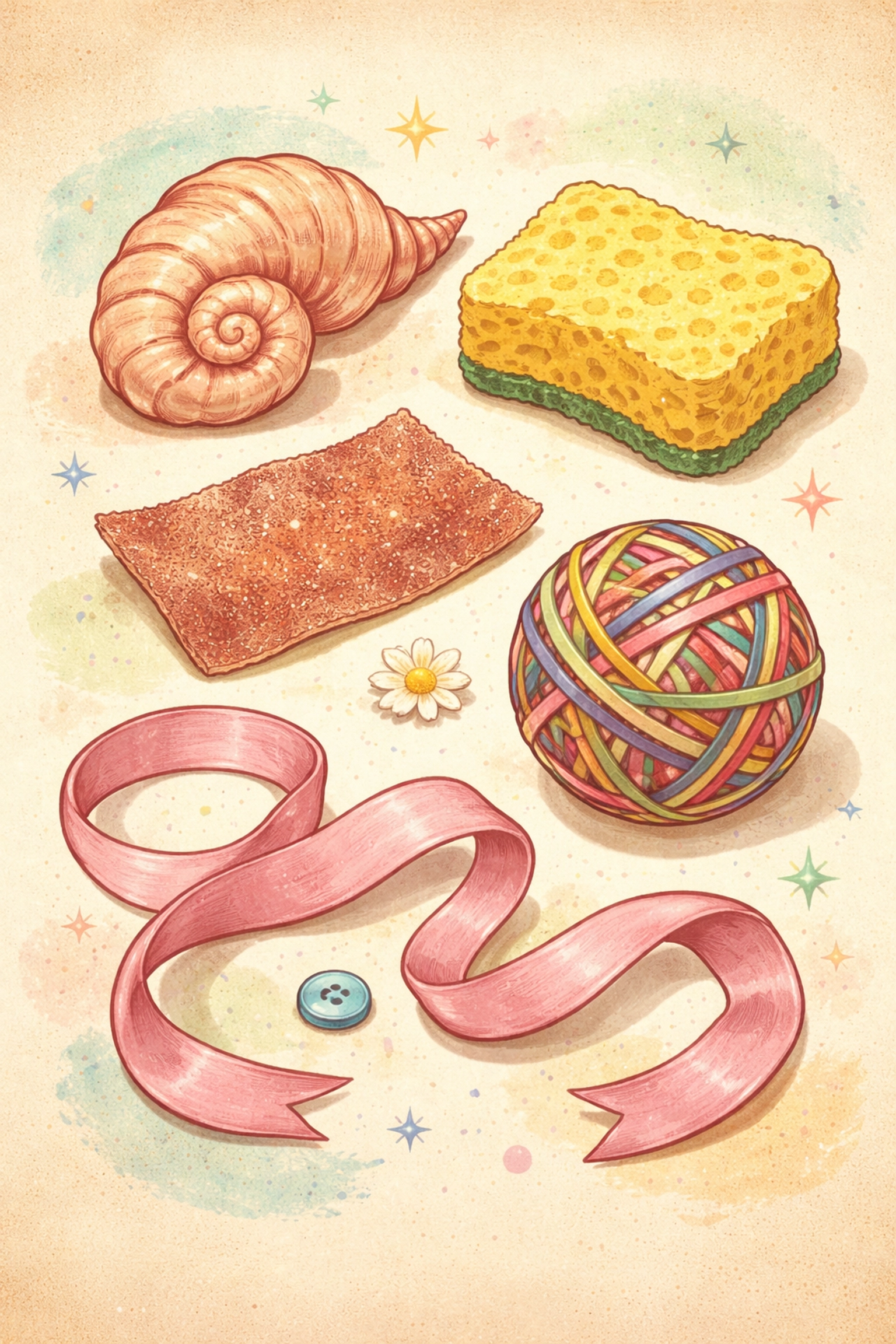
Walk around your home and collect 5-10 items with interesting textures. Aim for variety: you want some smooth, some rough, some squishy, and some hard. Here are some ideas to get you started:
- Cotton balls or pom-poms (soft, fluffy)
- A pinecone (bumpy, rough)
- A rubber band ball (bouncy, textured)
- A seashell (smooth with ridges)
- A kitchen sponge (squishy, porous)
- A wooden spoon (smooth, hard)
- An orange or lemon (dimpled, waxy)
- A piece of sandpaper (gritty)
- A silk scarf or ribbon (silky, lightweight)
- A plastic toy dinosaur (hard, detailed)
Avoid anything sharp, breakable, or potentially messy. You want curious fingers, not injured ones.
Step 2: Prepare Your Mystery Bag
Place your opaque bag on the table and do a quick light test: hold it up to a lamp or window to make sure you can't see through it. If you're using a paper bag, consider doubling it up for extra opacity.
Put your collected items in a separate basket nearby. You'll place them into the mystery bag one at a time during gameplay.
Step 3: Explain the Rules
Keep explanations age-appropriate, but here's the general idea:
"You're going to reach into this mystery bag and feel something inside. Without peeking, try to figure out what it is just by touching it. Tell me what you feel: is it soft? Hard? Bumpy? Smooth?: and then make your best guess!"
For competitive play, let everyone know that correct guesses earn a point, and the player with the most points at the end wins a prize (or just bragging rights).
Step 4: Let the Guessing Begin
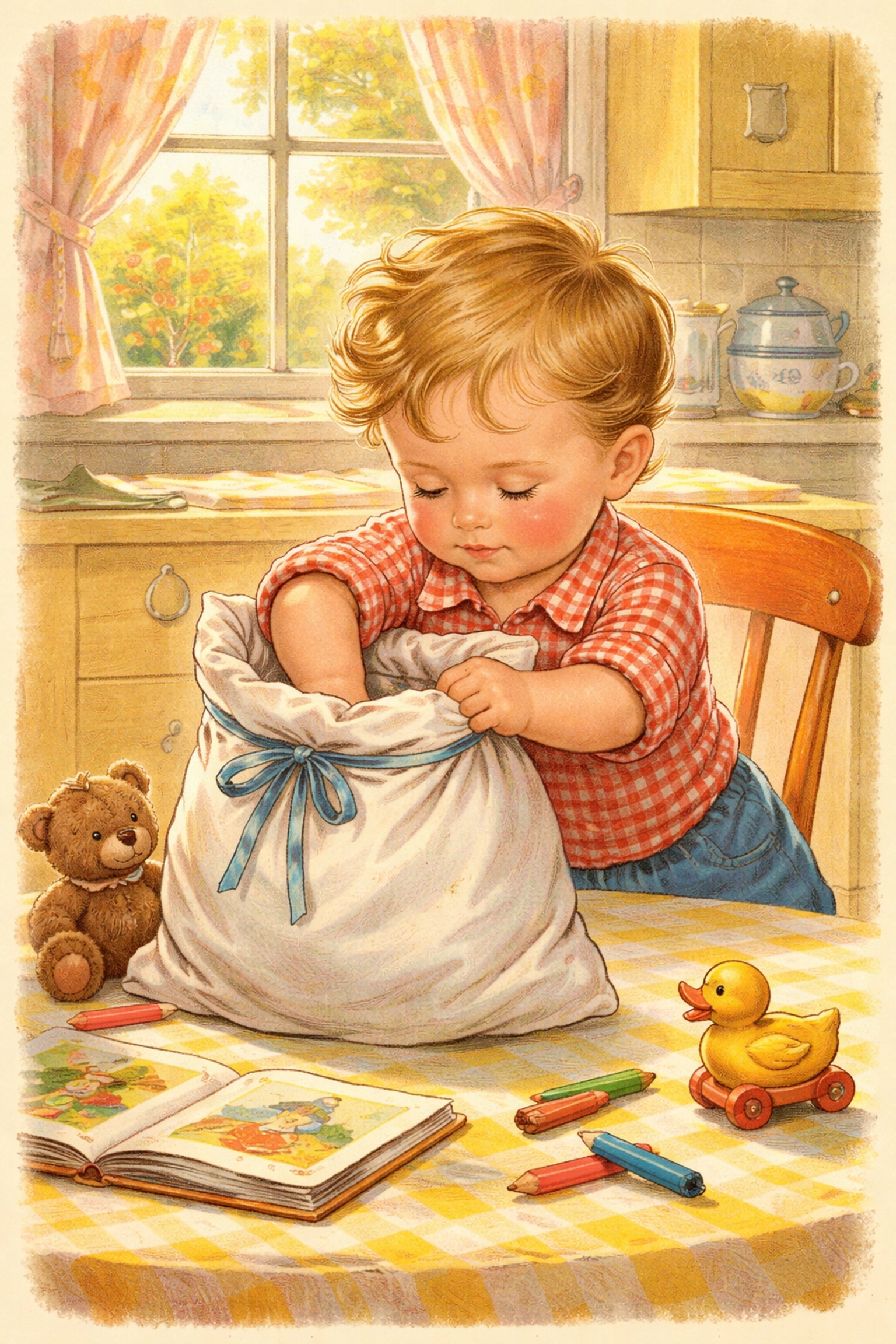
Drop the first object into the bag. Have the first player reach in, feel around, and start describing what they notice. Encourage them with prompting questions:
- "Is it heavy or light?"
- "Does it feel warm or cool?"
- "Can you feel any edges or is it round?"
- "What does the surface feel like?"
Give them about 30-60 seconds to explore before asking for their final guess. Write down their answer, then reveal the object with a little fanfare.
Step 5: Rotate Players and Objects
Remove the revealed item and place the next mystery object in the bag. Rotate to the next player and repeat the process. Continue until all objects have been identified (or until the giggles become too overwhelming to continue).
Step 6: Tally Up and Celebrate
If you're keeping score, count up correct guesses and announce a winner. But honestly, the real win here is all that vocabulary practice and sensory exploration happening along the way.
Tips for Making It Even Better
Create texture themes: Fill the bag exclusively with items from the kitchen, the backyard, or the craft bin. This narrows down possibilities while keeping things interesting.
Add a blindfold for older kids: Even though they can't see into the bag, a blindfold adds drama and helps them focus entirely on touch.
Use visual supports for younger children: For toddlers or kids who might get frustrated, lay out pictures or drawings of the possible objects. They can match what they feel to what they see.
Introduce alphabet learning: Choose objects that all start with the same letter. "Everything in the bag today starts with the letter S!"
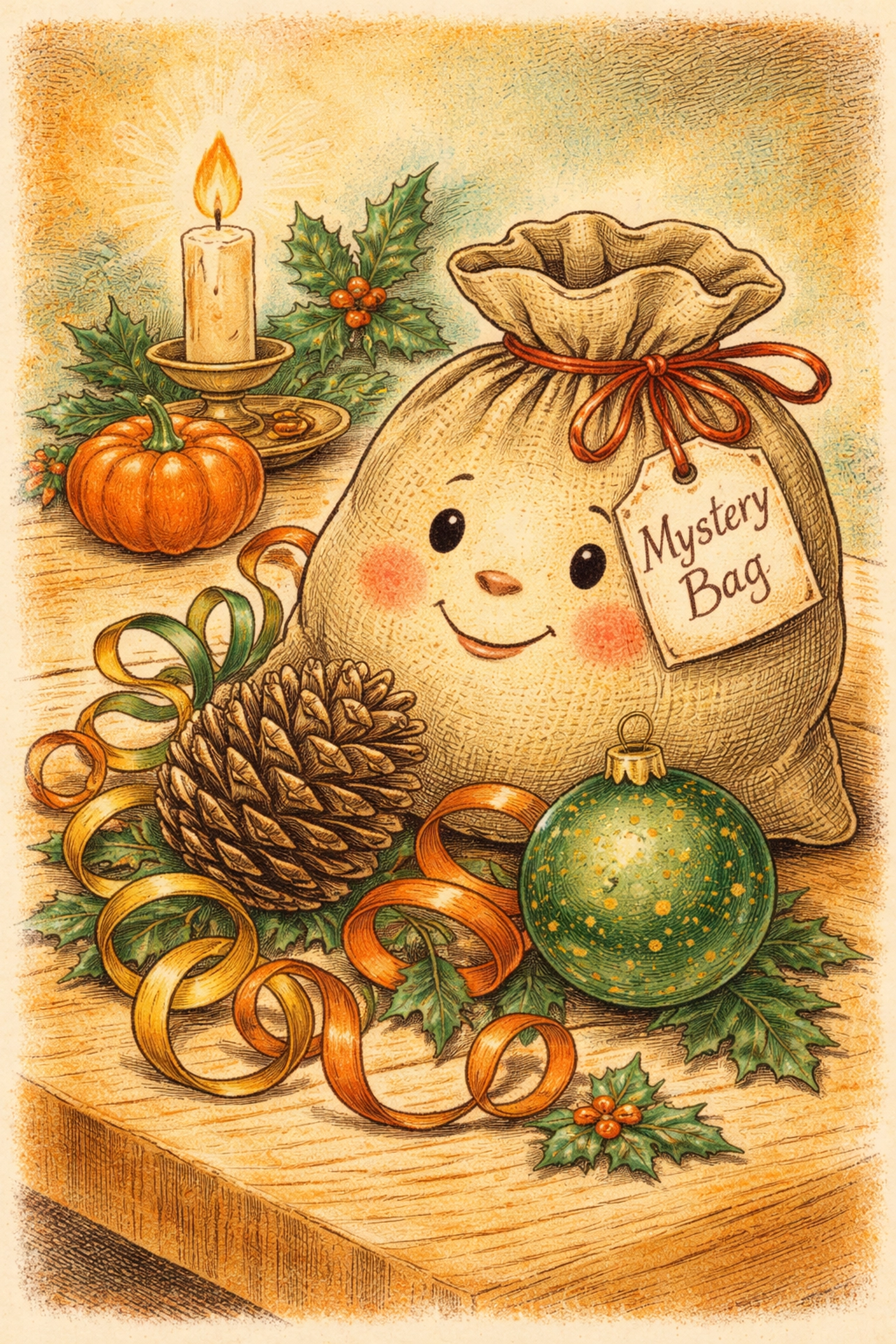
Make it seasonal: Around Halloween, use mini pumpkins, fake spider webs, and rubbery insects. During winter holidays, try ornaments, ribbon, and pinecones.
Why This Game Works So Well
Sensory play like this tends to engage multiple areas of development simultaneously. Kids are building fine motor skills as they manipulate objects, expanding vocabulary as they describe textures, and practicing critical thinking as they piece together clues. It's sneaky learning disguised as pure fun.
For more hands-on activities that keep kids engaged without breaking the bank, check out our other projects in the Kids Crafts section.
Frequently Asked Questions
What if my child peeks into the bag?
It happens! Try switching to a bag with a tighter opening, like a drawstring bag, or add a blindfold. You can also hold the bag opening snug around their wrist.
Can this game be played solo?
Definitely. Have your child close their eyes while you place an object in the bag, or set up several bags in advance and let them work through each one independently.
How many objects should I use?
For younger kids, 3-5 objects tends to work well. Older children and groups can handle 8-10 without losing interest.
What if my child gets frustrated when they guess wrong?
Emphasize that the game is about exploring and describing, not just winning. You might also provide hints or let them feel the object a second time before guessing.
Can I reuse the same objects?
Sure, but kids often memorize items quickly. Try rotating in new objects each time you play, or wait a few weeks between sessions.
Is this game appropriate for kids with sensory sensitivities?
It can be, with some adjustments. Let sensitive children see the objects first, avoid textures they find uncomfortable, and never force participation. The goal is fun, not stress.
How do I make it harder for older kids?
Use objects with subtle texture differences, set a timer, or require them to identify the object within three descriptive words.
Can this work as a party game?
Absolutely! Set up multiple bags as stations, divide kids into teams, or run it as a relay race for extra excitement.