



What Is the Draw-and-Switch Creature Game?
The Draw-and-Switch Creature Game is a collaborative drawing activity where each person draws one section of a creature without seeing what others have drawn. Players fold the paper between turns to hide their work, then unfold at the end to reveal wonderfully wacky mixed-up creatures. This simple game typically takes about 10-15 minutes per round, costs nearly nothing to play, and works well for children ages 4 and up with a little guidance.
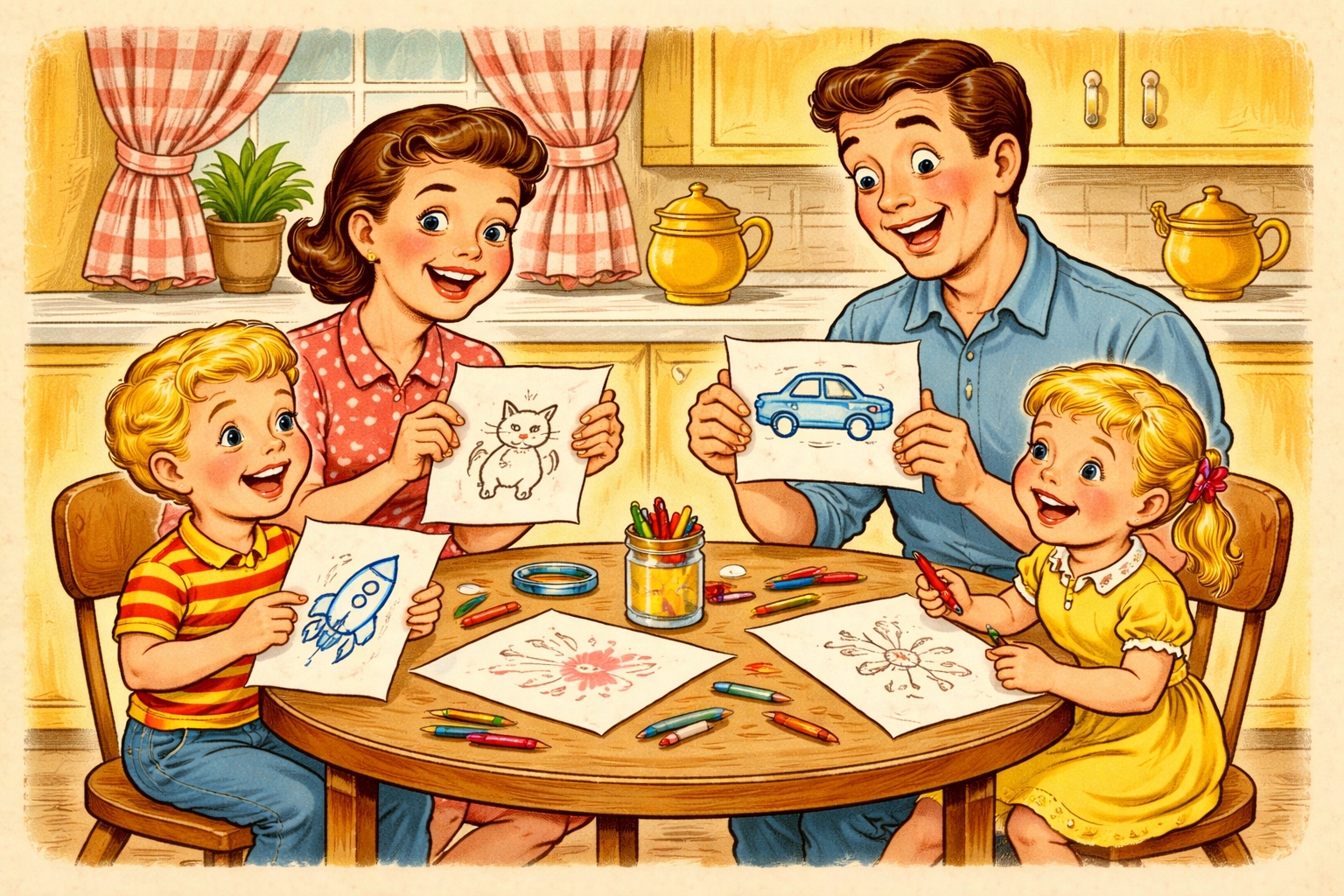
This activity has roots in a classic parlor game that artists have enjoyed for generations. The magic happens when a dragon head meets a ballerina body and octopus legs: combinations nobody would have imagined on their own. It's a fantastic way to spark creativity, encourage collaboration, and generate plenty of giggles around the kitchen table.
Why Kids (and Grown-Ups) Love This Game
There's something freeing about not being responsible for an entire drawing. Kids who might feel intimidated by a blank page often relax when they only need to contribute one section. The surprise reveal at the end keeps everyone engaged, and there's no "wrong" way to play.
This game also teaches valuable skills without feeling like a lesson. Children practice following simple instructions, taking turns, and building on others' ideas. Plus, the results are usually so silly that even the most reluctant artist wants to play another round.
Materials You'll Need
| Material | Estimated Cost | Notes |
|---|---|---|
| Plain paper | $0-$3 | Copy paper, construction paper, or scrap paper all work |
| Pencils, crayons, or markers | $0-$5 | Use whatever you have on hand |
| A flat surface | $0 | Table, clipboard, or hardcover book |
Total estimated cost: Under $5 (and likely free with supplies you already own)
Age Recommendations
| Age Range | Skill Level | Enjoyment Level | Notes |
|---|---|---|---|
| 3 and under | Needs significant help | May enjoy watching | Can scribble their section with guidance |
| 4-5 years | Beginner | High | Simple shapes work great; keep instructions basic |
| 6-8 years | Intermediate | Very high | Can add details and understand the folding concept |
| 9-12 years | Advanced | High | Often creates elaborate, detailed sections |
| Teens and adults | All levels | High | Makes a surprisingly fun party game |
Time Estimate
- Setup: 2 minutes
- Each round: 8-15 minutes (depending on detail level)
- Typical play session: 20-45 minutes (most families play 3-5 rounds)
Step-by-Step Instructions
Step 1: Prepare Your Paper
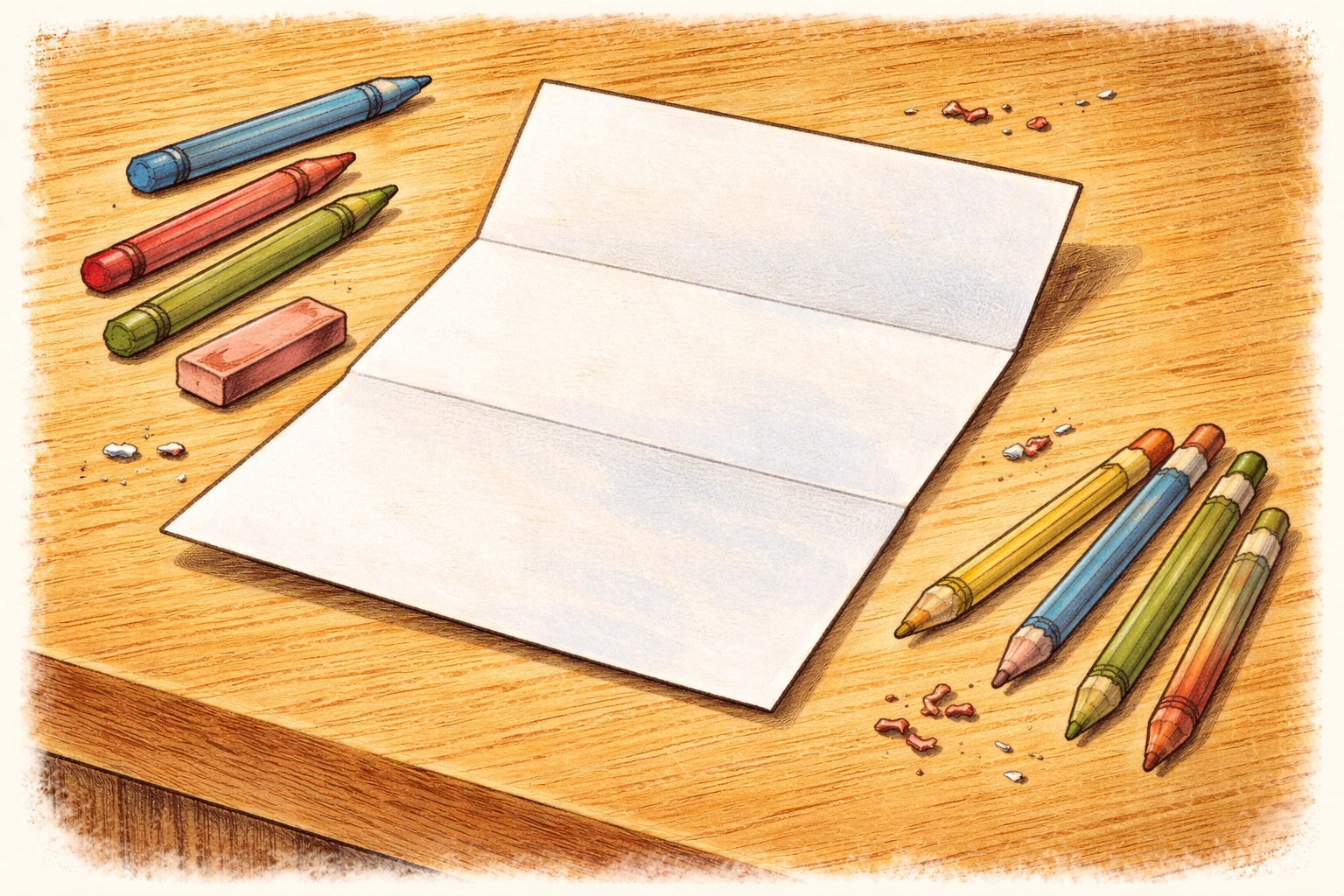
Hold a piece of paper vertically (portrait orientation). Fold it into three roughly equal horizontal sections, like you're folding a letter to put in an envelope. Crease the folds well, then unfold the paper so it lies flat again.
The fold lines will guide where each person draws their section. You can lightly mark "HEAD," "BODY," and "LEGS" in pencil if that helps younger players understand.
Step 2: Draw the Head
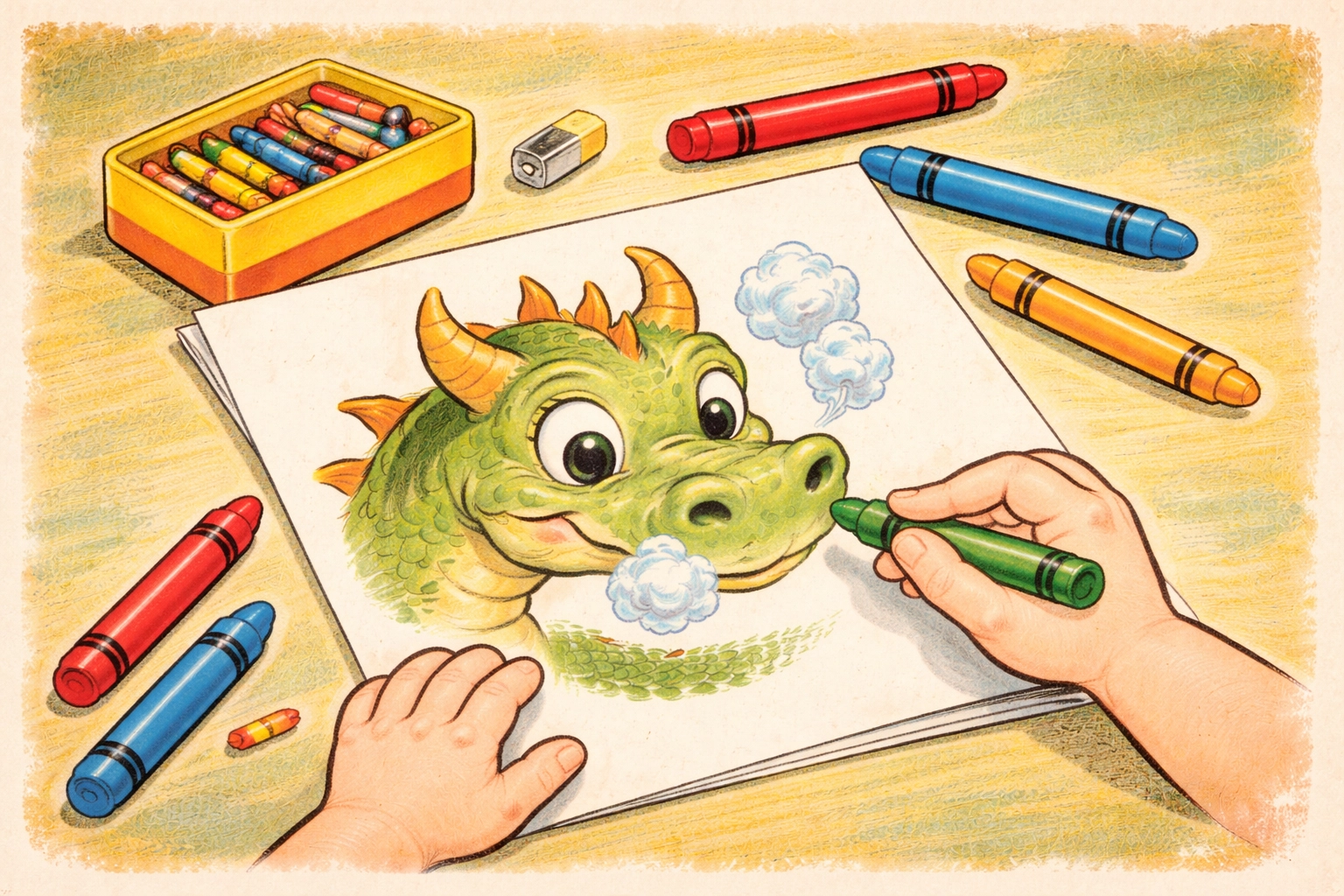
The first player draws a creature head in the top section only. This could be anything: a cat face, an alien with antennae, a fire-breathing dragon, or a fluffy cloud with eyes. Encourage creativity here.
Important: Before folding, the artist should extend two small lines just barely past the fold line where the neck would connect. These guide marks help the next player know where to start the body.
Step 3: Fold and Pass
Once the head is complete, fold the top section back so the drawing is hidden. Only those two small neck lines should peek below the fold. Pass the paper to the next player.
The folder shouldn't peek, and neither should the next artist. Keeping the mystery intact makes the final reveal much more exciting.
Step 4: Draw the Body
The second player draws a body in the middle section, connecting to those guide lines at the top. This might be a muscular superhero torso, a round penguin belly, a robot made of boxes, or a fancy ball gown.
Again, before folding, the artist extends two small guide lines past the bottom fold where the legs or tail will attach.
Step 5: Fold and Pass Again
Fold the middle section up to hide the body. Pass the paper to the third player, who should only see blank paper and two tiny guide lines.
Step 6: Draw the Legs and Tail
The final player draws legs, feet, a tail, tentacles, wheels, or whatever bottom half they imagine. They connect to those guide lines and fill the bottom section with their creation.
Chicken feet under an elegant gown? Roller skates beneath a monster body? This is where combinations get especially entertaining.
Step 7: The Big Reveal
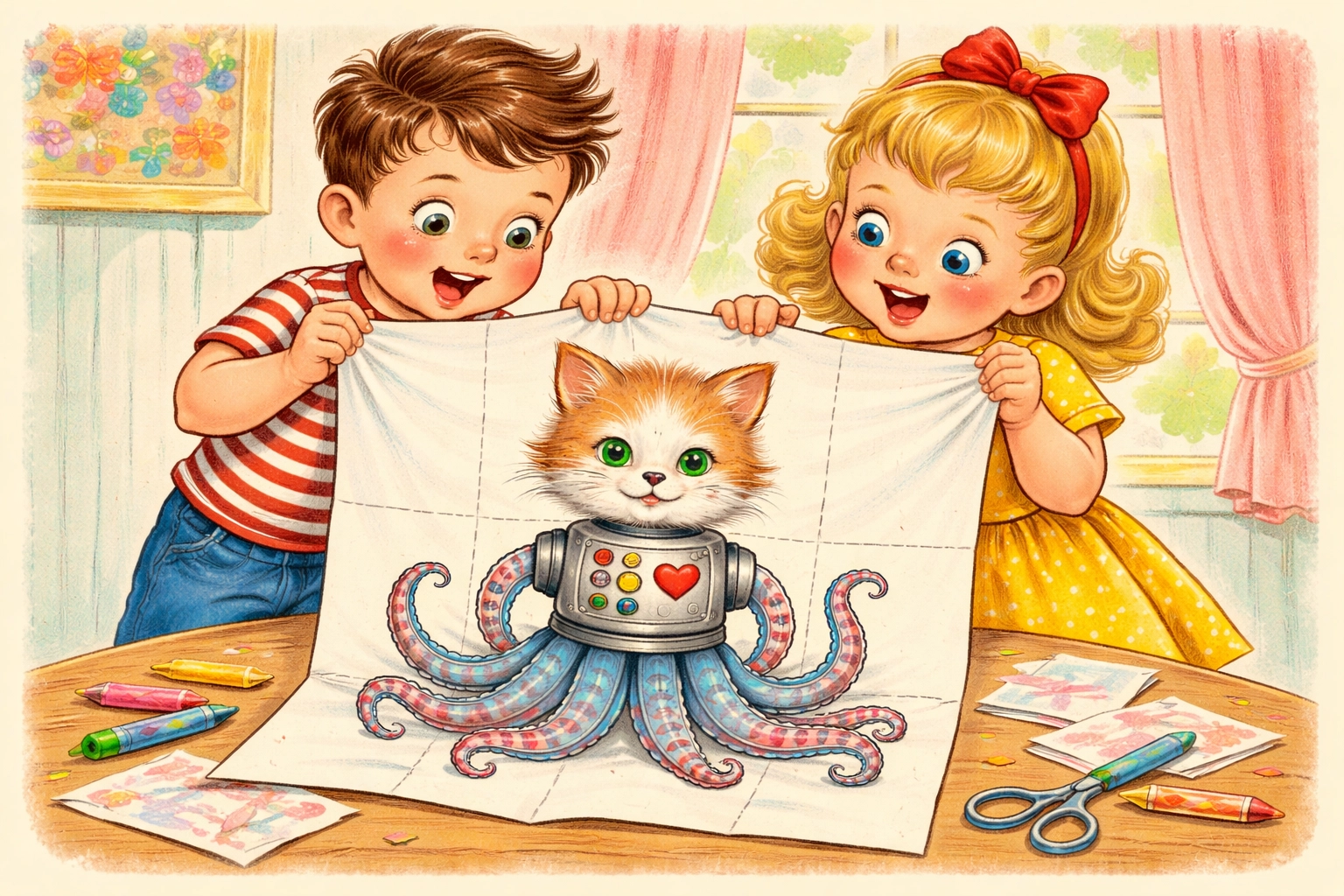
Once the final section is complete, unfold the entire paper to reveal your collaborative creature. Read the room: there will almost certainly be laughter, surprise, and immediate requests to play again.
Consider giving your creature a name. "Sir Fluffington McTentacles" or "Princess Robotpants" tend to emerge naturally from the creative chaos.
Variations to Keep Things Fresh
Speed Round: Set a timer for 60 seconds per section. Quick drawings lead to looser, often funnier results.
Theme Round: Choose a theme before starting: underwater creatures, space aliens, farm animals, or fairy tale characters. The mismatched results still surprise, but with a fun twist.
Four-Section Version: Add a fourth fold and include a "feet" section separate from legs. This works well with larger groups.
Color Matching: Each player uses the same color palette to create more visually unified (but still wonderfully weird) creatures.
Story Extension: After revealing your creature, take turns adding one sentence to create a short story about who this creature is and what adventures they might have.
Tips for Success
Start simple with young kids. A circle with two eyes counts as a perfectly good head. Elaborate detail isn't the goal: fun is.
Model enthusiasm. When grown-ups get excited about silly results, kids feel permission to be playful too.
Save your favorites. Some creatures deserve a spot on the refrigerator gallery. Date them and you'll have a sweet keepsake of family creativity.
Play with different group sizes. Two players can alternate sections (one person does head and legs, the other does body). Larger groups can pass multiple papers around simultaneously.
For more creative activities that bring families together, explore our kids crafts collection for ideas that work rain or shine.
Frequently Asked Questions
What if my child draws outside the lines or into another section?
No problem at all. The "rules" are loose guidelines, not strict boundaries. If drawings spill over, you'll still get a funny creature: possibly even funnier because of the overlap.
Can we play with just two people?
Yes. One person draws the head and legs while the other draws the body. Or take turns on alternating papers so you each experience the surprise.
What age can children start playing?
Children as young as three can participate with help. They might scribble rather than draw recognizable shapes, but they'll still enjoy being part of the game. By age four or five, most kids grasp the concept well.
Does the creature have to be an animal?
Not at all. Robots, monsters, people, aliens, and completely imaginary beings all work wonderfully. The less you define "creature," the more creative the results tend to be.
How do I explain the folding to young children?
Show them once with a demonstration round. Draw a simple head yourself, fold it, then have them watch as someone else adds a body. Seeing the reveal helps the concept click.
What if someone peeks at the hidden sections?
Gentle reminders usually help. If peeking becomes an issue, try having an adult hold the folded sections while each person draws. That said, even if someone peeks, the game remains fun.
Can this game work for a birthday party or classroom?
It works beautifully for groups. Pass multiple papers around a circle, or set up stations where kids move between tables. The activity scales well from two players to twenty or more.
How do we decide who draws which section?
Rotate positions each round so everyone gets a turn at head, body, and legs. This keeps the game fair and lets each player experience different creative challenges.
What should we do with all the creatures we create?
Start a creature gallery on a bulletin board, bind them into a book, or use them as inspiration for storytelling. Some families create ongoing adventures starring their favorite accidental characters.