




Yes, growing mushrooms indoors is safe for kids with adult supervision, but ventilation is the key ingredient. When you provide fresh air circulation and follow a few simple rules, indoor mushroom cultivation becomes a wonderful hands-on science project for the whole family. The main concern isn't the mushrooms themselves, it's the microscopic spores they release, which can irritate airways if they build up in poorly ventilated spaces.
Quick safety answer (for busy parents/teachers):
- Best place to grow: near an open window or with a fan/HVAC airflow
- Avoid: bedrooms, closets, and sealed rooms
- Harvest early: pick mushrooms before caps flatten and dump lots of spores
- Basic hygiene: wash hands and keep the grow area supervised
Think of it like baking bread: the process is perfectly safe when you follow the recipe and keep your kitchen well-aired. Mushroom growing follows the same principle. Let's walk through everything you need to know to keep your little mycologists safe and your indoor air fresh.
Is It Safe to Grow Mushrooms Indoors with Kids?
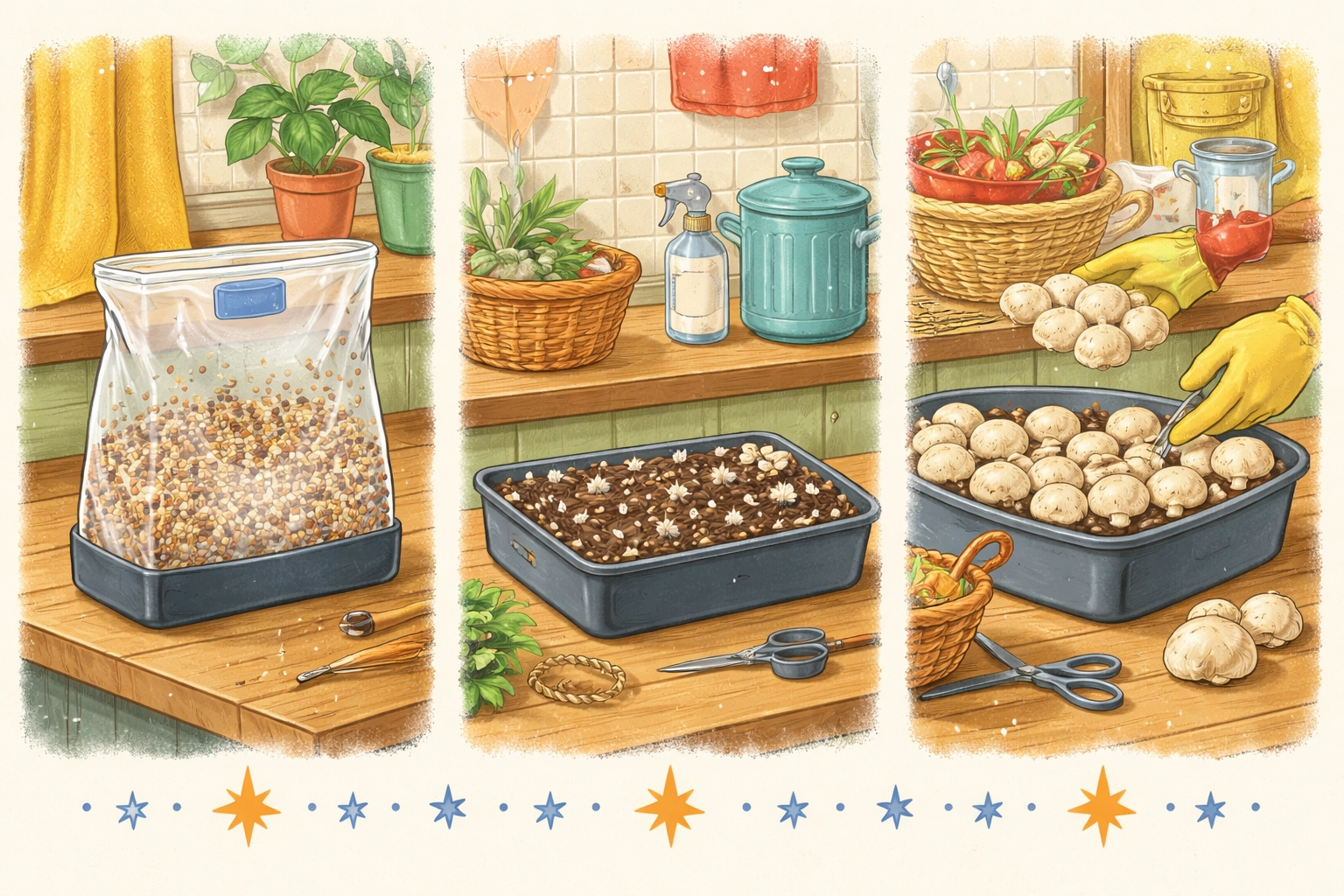
Yep—it’s generally safe to grow common edible mushrooms indoors with kids, as long as a grown-up runs the setup and you prioritize fresh airflow. The mushrooms aren’t the big issue; spores can irritate airways if you grow in a stale, closed-up room.
What Makes Indoor Mushroom Projects “Kid-Safe” in the First Place?
Here's the reassuring news: commercially available mushroom growing kits and spawn, like oyster, lion's mane, and shiitake, are specifically cultivated to be food-safe. These aren't mysterious wild fungi; they're the same species you'd find in the grocery store produce section.
The cultivation process itself involves no toxic chemicals. You're working with organic materials like straw, sawdust, or coffee grounds. The biggest "danger" in most family mushroom projects is a child getting too excited and peeking at the bucket every five minutes (which actually can introduce contaminants, but that's a lesson in patience, not safety).
When families stick to beginner-friendly edible species from reputable suppliers, the risk profile is remarkably low. The magic happens when you combine safe species with proper growing conditions.
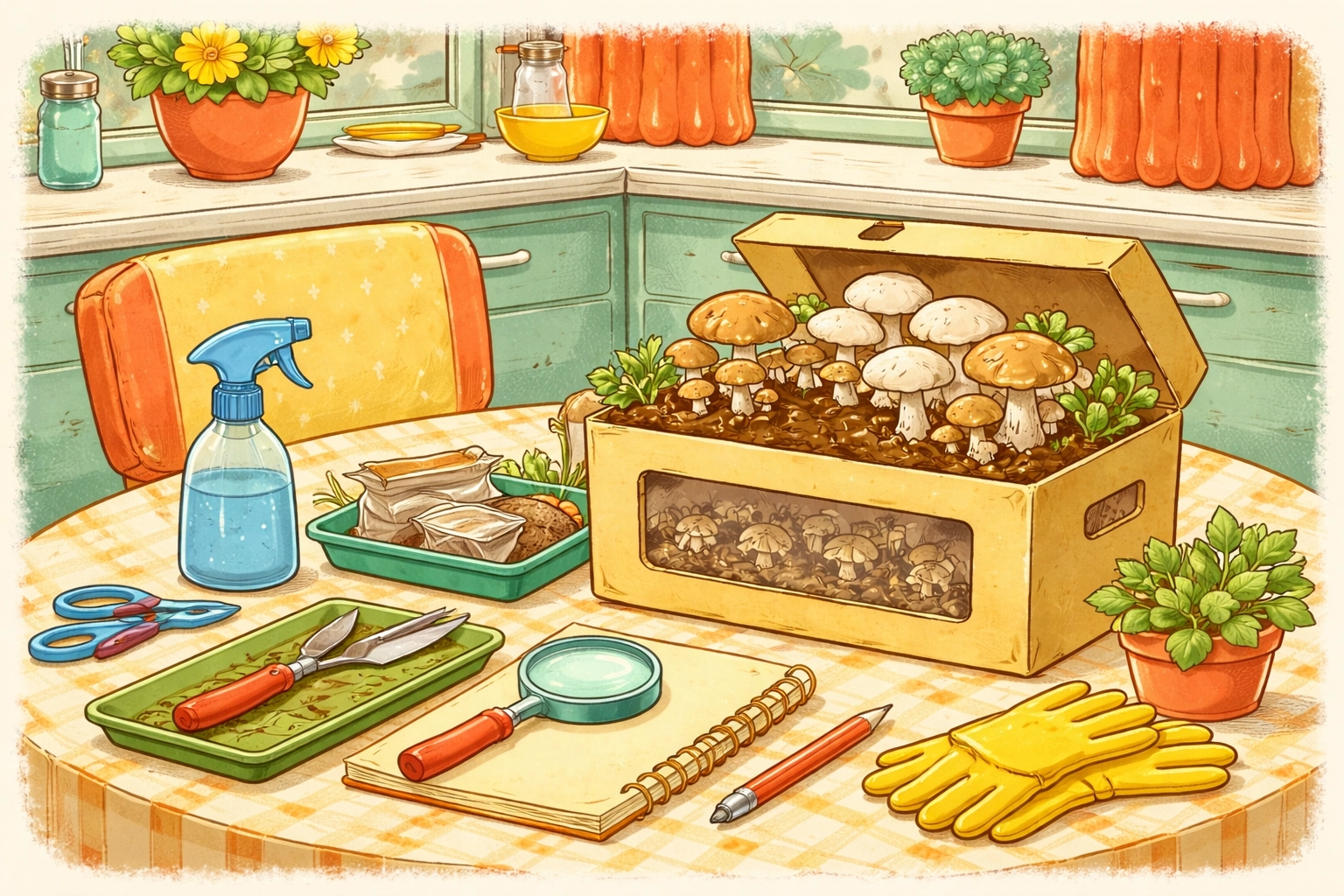
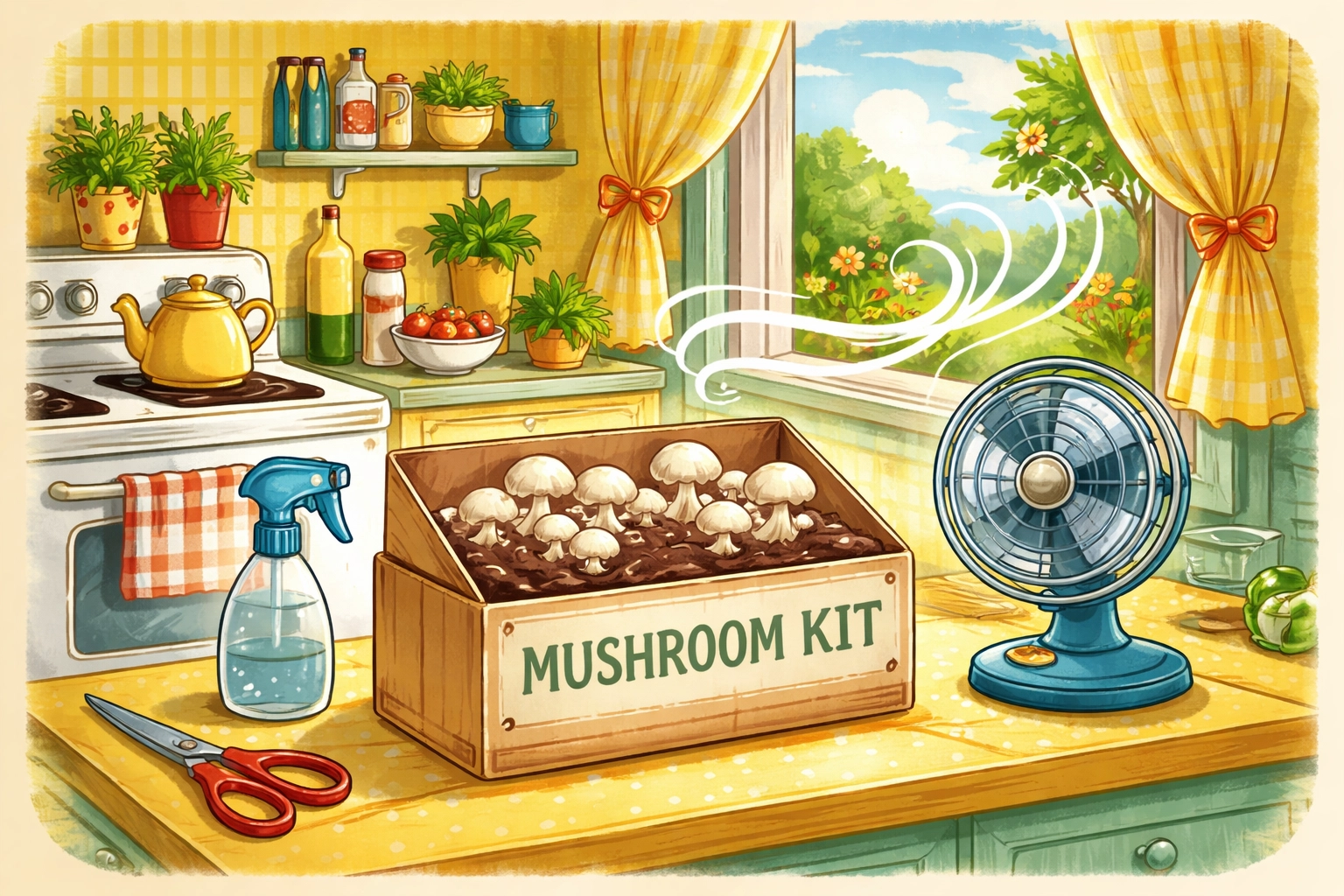
Can Mushroom Spores Be a Problem Indoors?
Now let's talk about what actually deserves your attention: spores.
Mushrooms reproduce by releasing millions of microscopic spores into the air. You can sometimes see them as a fine dust or powder collecting around mature mushrooms. While a few spores floating around won't hurt anyone, concentrated exposure in enclosed spaces can cause respiratory irritation.
In rare cases of prolonged, heavy exposure (typically in commercial mushroom farms, not home projects), workers have developed a condition called Extrinsic Allergic Alveolitis, sometimes called "mushroom worker's lung." This is an allergic reaction to inhaled spores that causes flu-like symptoms, coughing, and breathing difficulties.
A study published in the journal Thorax (PubMed ID: 2367412) documented this condition among commercial mushroom workers who spent hours daily in enclosed growing facilities with inadequate ventilation. The key factors were:
- Prolonged exposure (full work shifts)
- Enclosed, humid spaces
- No respiratory protection
- Mature, heavily sporulating mushrooms
Here's the good news for families: Your small-scale bucket or kit project produces a tiny fraction of the spores found in commercial operations. With basic precautions, home mushroom growing presents minimal risk.
What’s the #1 Safety Rule for Indoor Mushrooms? Ventilation.
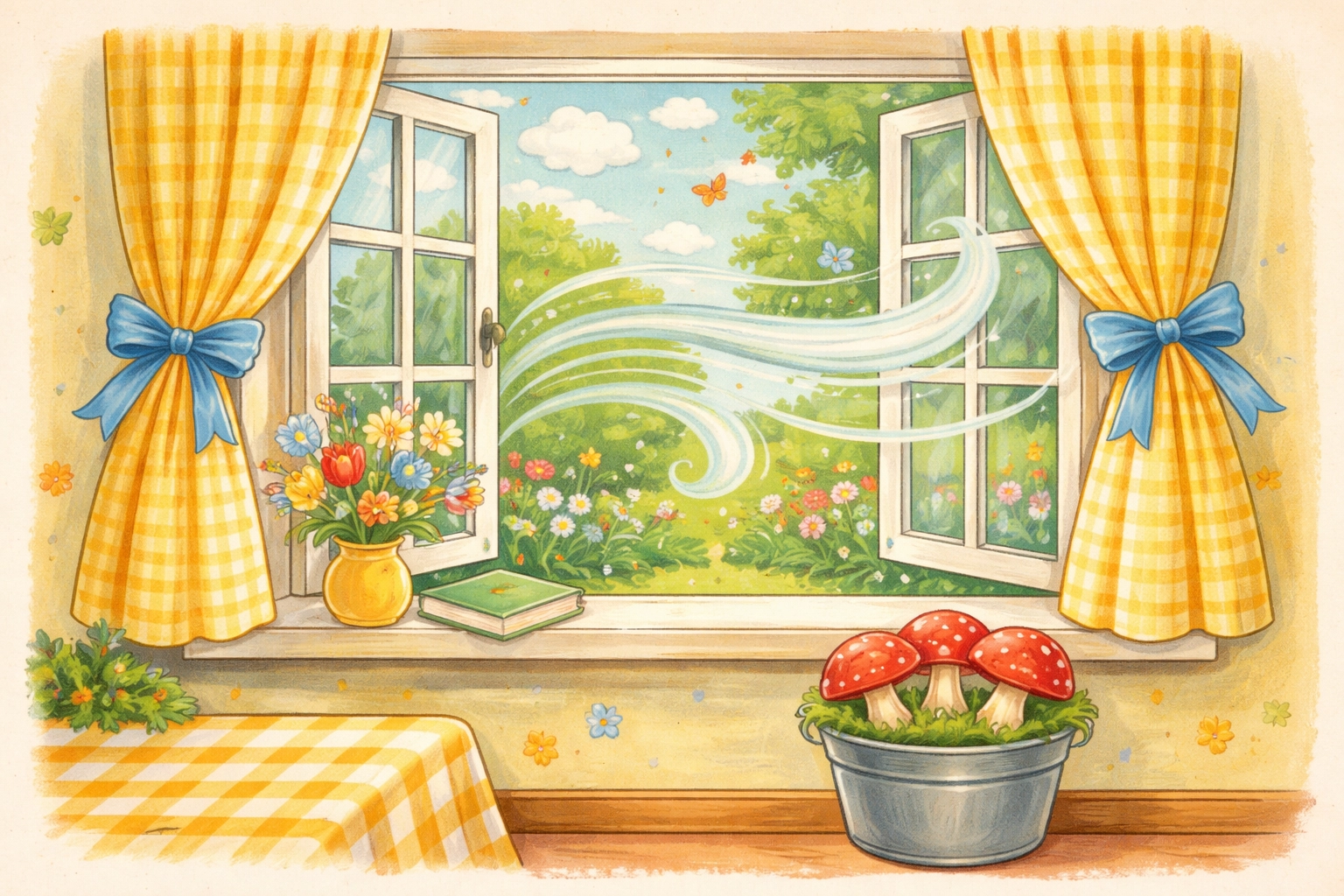
The single most effective safety measure is also the simplest: fresh air.
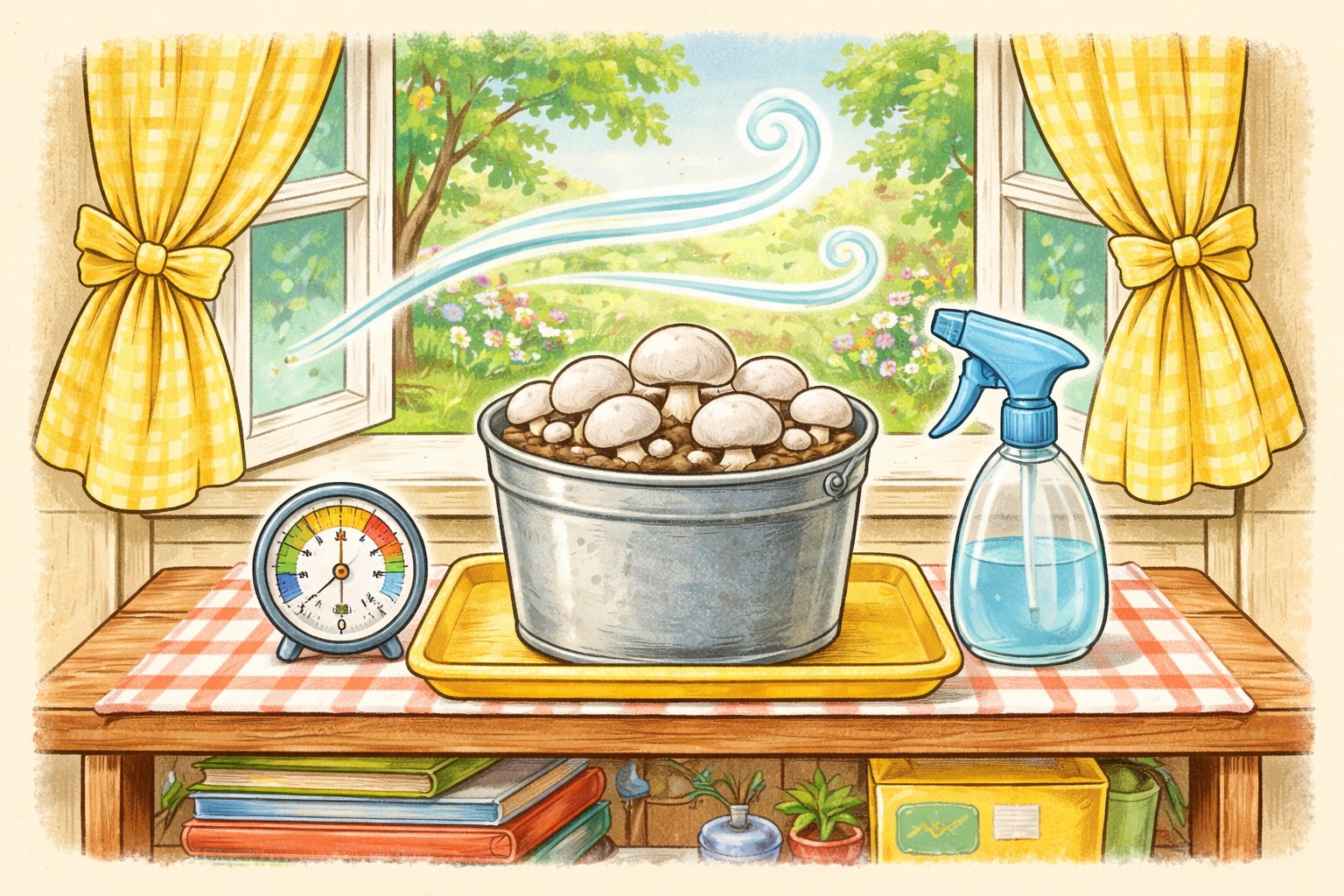
Growing mushrooms near an open window, in a room with good airflow, or in a space with a ceiling fan dramatically reduces any spore accumulation. You're not trying to create a sterile laboratory, you're just preventing stagnant air from holding onto spores.
Where to Grow (and Where Not To)
Good locations:
- Kitchen counter near a window
- Basement with a fan or dehumidifier running
- Garage with ventilation
- Mudroom or enclosed porch
- Bathroom with an exhaust fan (the humidity is a bonus!)
Locations to avoid:
- Your child's bedroom (or any bedroom)
- Closets without airflow
- Sealed rooms where the family spends hours at a time
The research is clear: avoid growing mushrooms in spaces where children sleep for extended periods. Even with low spore production, it's not worth the respiratory risk when so many better locations exist in most homes.
What’s the Simple Family Safety Checklist for Indoor Mushroom Growing?
Print this list and stick it near your mushroom project. These simple habits keep everyone healthy:
Before You Start
- ✅ Choose a well-ventilated location away from bedrooms
- ✅ Select beginner-friendly species from reputable suppliers (oyster mushrooms are the gold standard)
- ✅ Store spawn and supplies in labeled containers out of children's reach
- ✅ Explain to kids that we only eat mushrooms we've grown ourselves or bought from the store, never wild mushrooms
During Growing
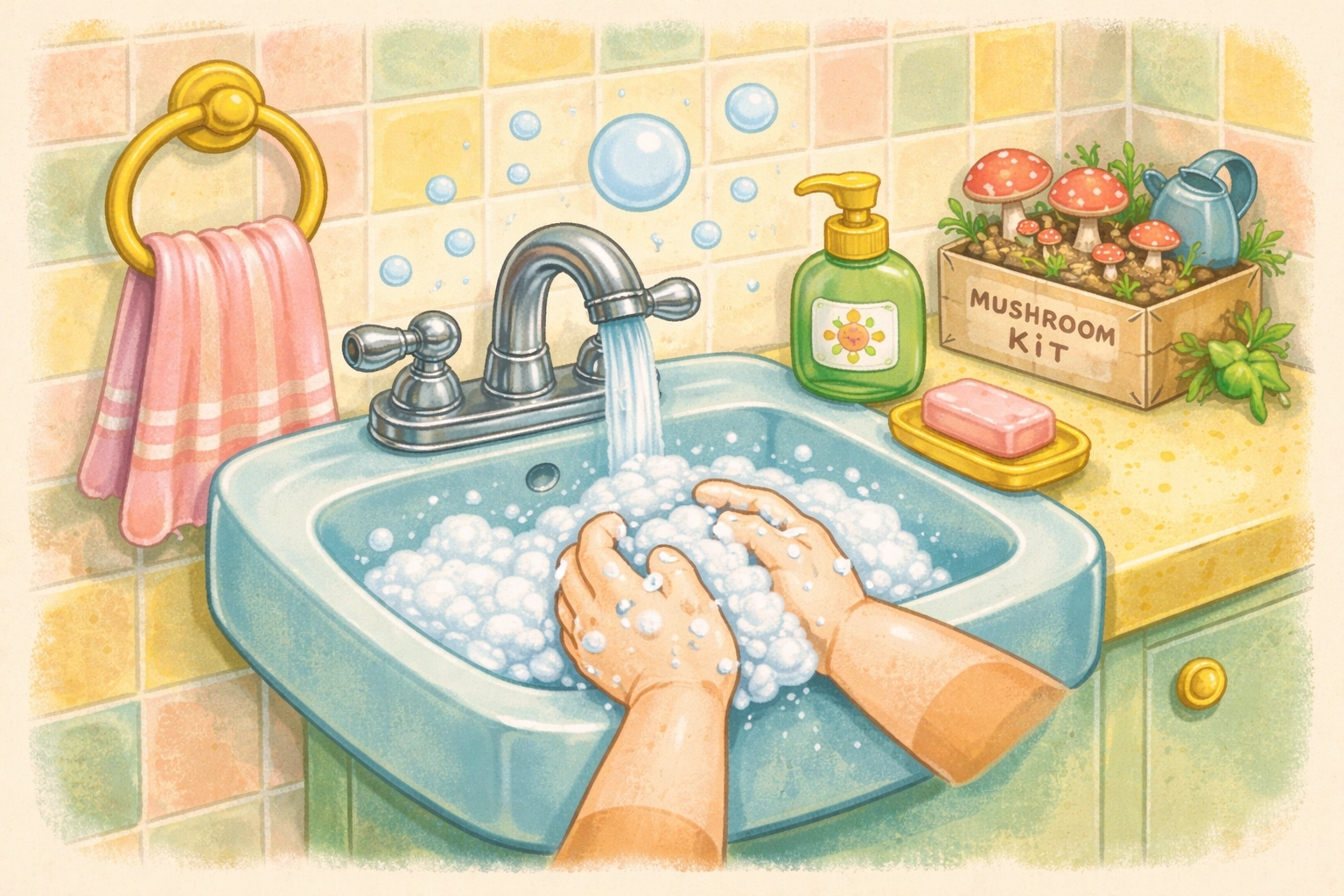
- ✅ Wash hands before and after handling the mushroom project
- ✅ Keep the growing area accessible only with adult supervision
- ✅ Maintain proper humidity (85-95%) without sealing the space completely
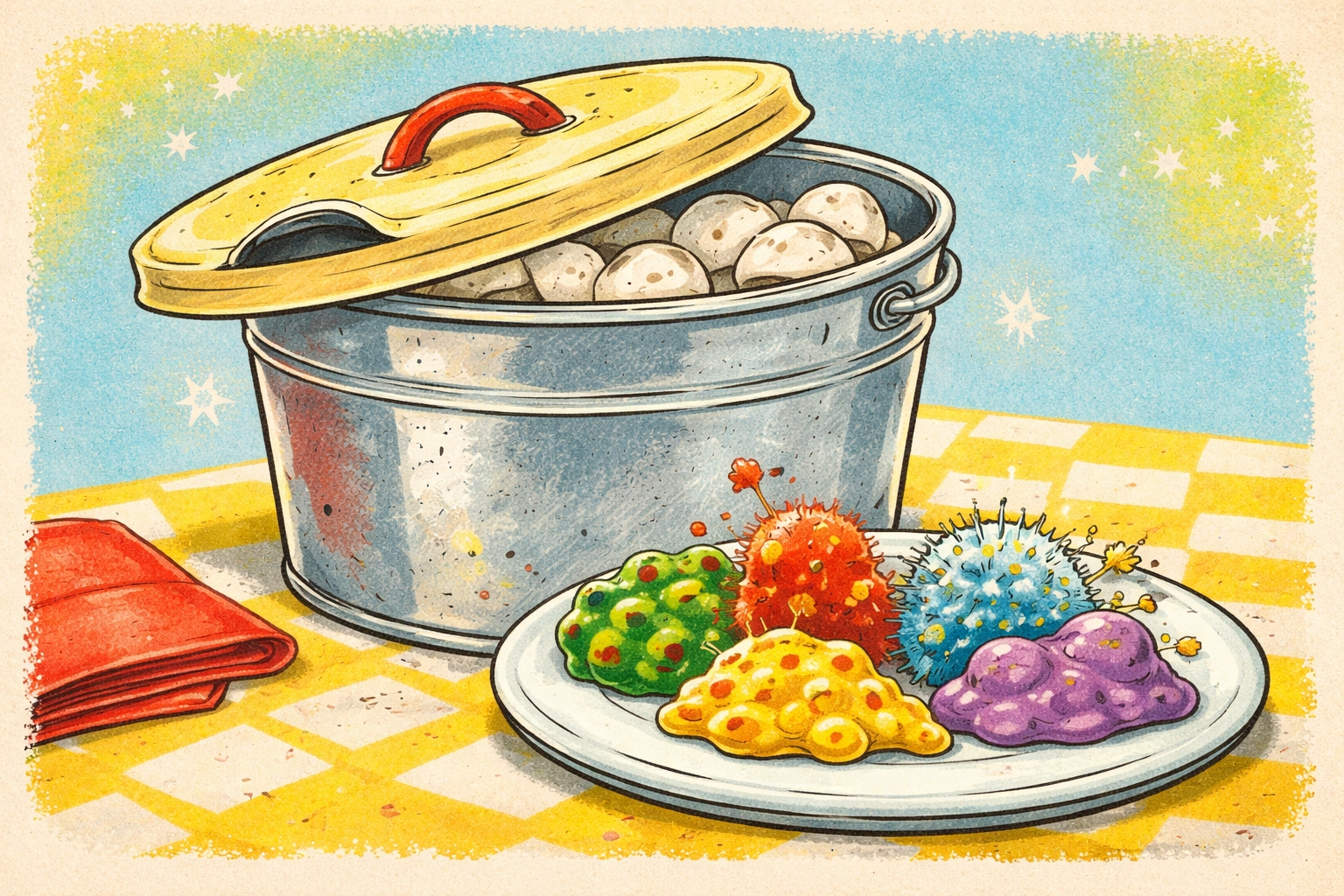
- ✅ Check daily for any unusual colors (green, black, or orange indicate contamination)
At Harvest Time
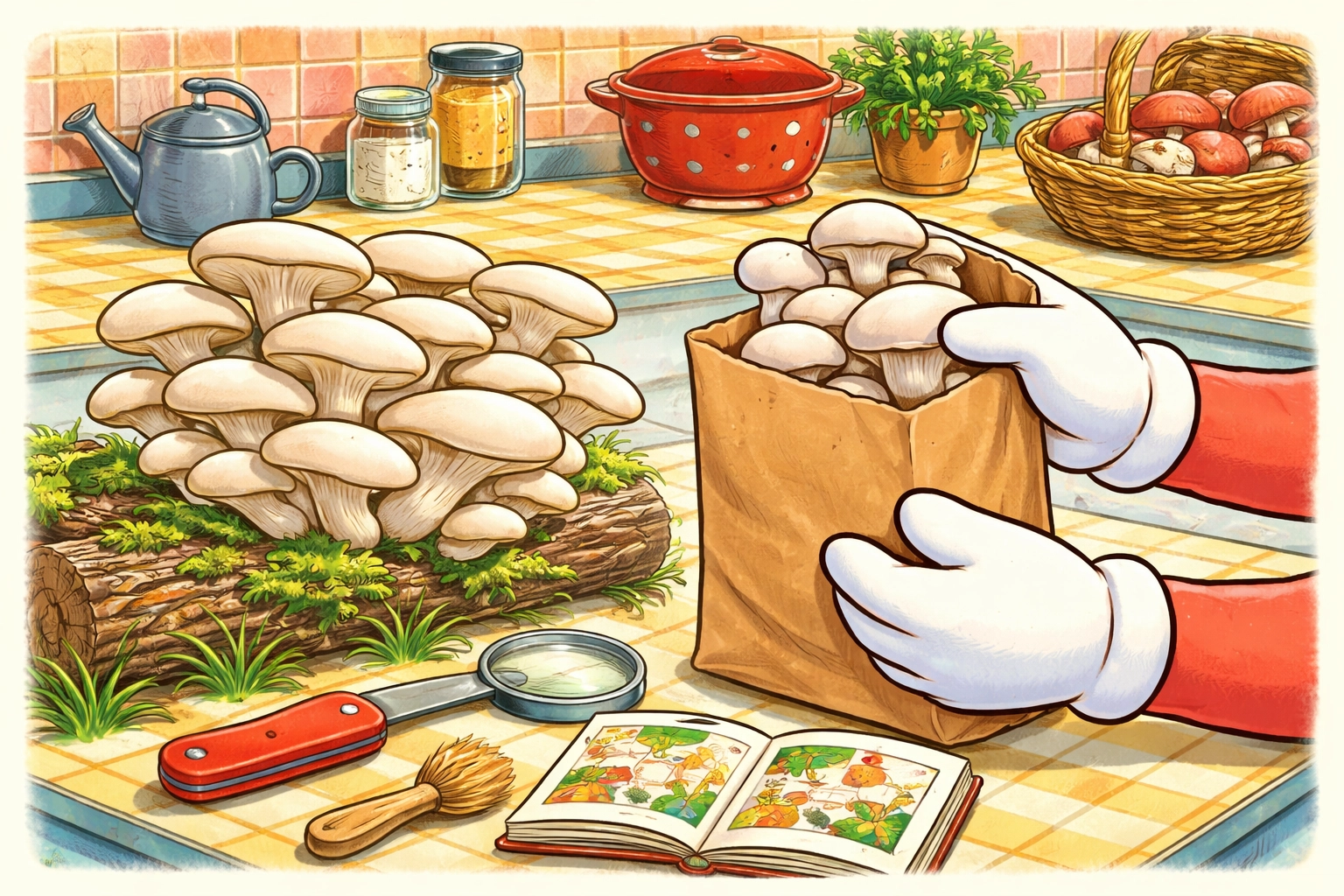
- ✅ Harvest mushrooms before they fully mature and drop heavy spores
- ✅ Look for caps that are still slightly curled under, not flat and open
- ✅ Consider wearing a simple dust mask during harvest if you're sensitive
- ✅ Harvest into a paper bag to contain any released spores
- ✅ Refrigerate harvested mushrooms immediately
- ✅ Cook all mushrooms thoroughly before eating
How Do You Teach Kids Mushroom Safety (Without Freaking Them Out)?
This project offers a golden opportunity to teach children an important life lesson: not all mushrooms are safe to eat.
Statistics show that children under six account for 62% of mushroom exposure cases reported to poison control centers. Most of these cases involve wild mushrooms found in yards, parks, or woods, not home cultivation projects. However, your indoor project can reinforce the message that mushrooms require respect and knowledge.
Key Lessons for Young Mycologists
"We only eat mushrooms we grow ourselves or buy from the store."
This rule is simple enough for a three-year-old to understand and remember.
"Never touch or taste wild mushrooms without a grown-up mycologist."
If you encounter mushrooms during outdoor walks, treat them as a "look but don't touch" nature observation.
"Our mushroom project is a science experiment, we follow the steps carefully."
Frame the safety rules as part of the scientific method, not arbitrary restrictions.
When Should You NOT Eat a Homegrown Mushroom?
Even with a successful home grow, there are times to compost rather than cook:
- Unusual colors appeared during growth (green mold, black spots, orange patches)
- Strange smells (healthy oyster mushrooms smell mild and pleasant; off odors indicate problems)
- You're not 100% certain of the species (if you inherited someone else's spawn and aren't sure what it is, don't eat it)
- The mushrooms are slimy, discolored, or past their prime (treat them like any other produce)
When in doubt, throw it out. Compost the whole batch and start fresh. One failed bucket is not worth any health risk to your family.
Is It Legal to Grow Mushrooms at Home?
For families growing mushrooms at home for personal consumption, there are no legal restrictions on cultivating common edible species like oyster, shiitake, lion's mane, or button mushrooms. These are grocery store varieties, and growing them is no different legally than growing tomatoes.
If you ever decide to sell mushrooms (at farmers' markets, for example), you'll need to check your state and local regulations for food safety certifications and cottage food laws. But for family science projects? Grow away!
Frequently Asked Questions (Quick Answers)
Is a 5-gallon mushroom bucket safe to keep in a bedroom or basement?
A basement with ventilation is fine; a bedroom is not recommended. Choose a space where family members don't sleep for extended periods, and ensure some air circulation through a fan, open window, or HVAC system.
Can mushroom spores trigger allergies in children?
They can, especially in children with existing asthma or respiratory sensitivities. However, small-scale home projects with good ventilation pose minimal risk. If your child has severe respiratory allergies, consult your pediatrician before starting.
What should I do if my child accidentally eats a mushroom from the project?
If it's a known edible species you've been cultivating (oyster, shiitake, etc.) and it's been cooked, there's no concern. If a child eats a raw mushroom or you're uncertain about the species, contact Poison Control immediately at 1-800-222-1222.
How do I know when spores are being released?
Look for a fine white, gray, or brown powder collecting on surfaces near mature mushrooms. Oyster mushroom caps that have flattened and turned upward are actively dropping spores, harvest before this stage when possible.
Tierney Family Farms Disclaimer
Hi there from Tierney Family Farms! We want to remind everyone that while we love sharing our family's learning adventures, we're educators, not doctors, mycologists, or safety inspectors. The information in this post comes from our research and experience, but it's not a substitute for professional medical or safety advice. If you have specific health concerns, especially regarding respiratory conditions or allergies, please consult your healthcare provider. Always supervise children during any growing project, and when in doubt about any mushroom's safety, don't eat it. Happy growing: safely!
References
- Thorax (PMID: 2367412) — Extrinsic allergic alveolitis (“mushroom worker’s lung”): https://pubmed.ncbi.nlm.nih.gov/2367412/
- Clinical Toxicology — 2019 Annual Report of the American Association of Poison Control Centers’ National Poison Data System (NPDS): https://pubmed.ncbi.nlm.nih.gov/33439682/
- Clinical Reviews in Allergy & Immunology — Hypersensitivity Pneumonitis (overview of causes, diagnosis, and prevention): https://pubmed.ncbi.nlm.nih.gov/31286377/
Want to start your family's mushroom adventure? Check out our Growing Vertical Mushrooms: An Indoor Fungi Adventure guide for step-by-step instructions on building your first bucket project!