

How to Integrate Character Building Activities with Indoor Gardening for Kids
You can integrate character building with indoor gardening by pairing specific plant care tasks with intentional conversations about the qualities kids develop, like responsibility, patience, and perseverance. Assign age-appropriate duties, create a growth journal, add creative art projects, and use the natural waiting periods of gardening to discuss how good things often take time and consistent effort.
Indoor gardening isn't just about growing herbs on your windowsill or watching bean sprouts emerge from a cup. It's actually one of the better ways to help kids develop character traits that tend to stick with them. The beauty of it? You're not lecturing. You're just... gardening together. The lessons kind of sneak in through the dirt under their fingernails.
Why Does Indoor Gardening Help Build Character in Children?
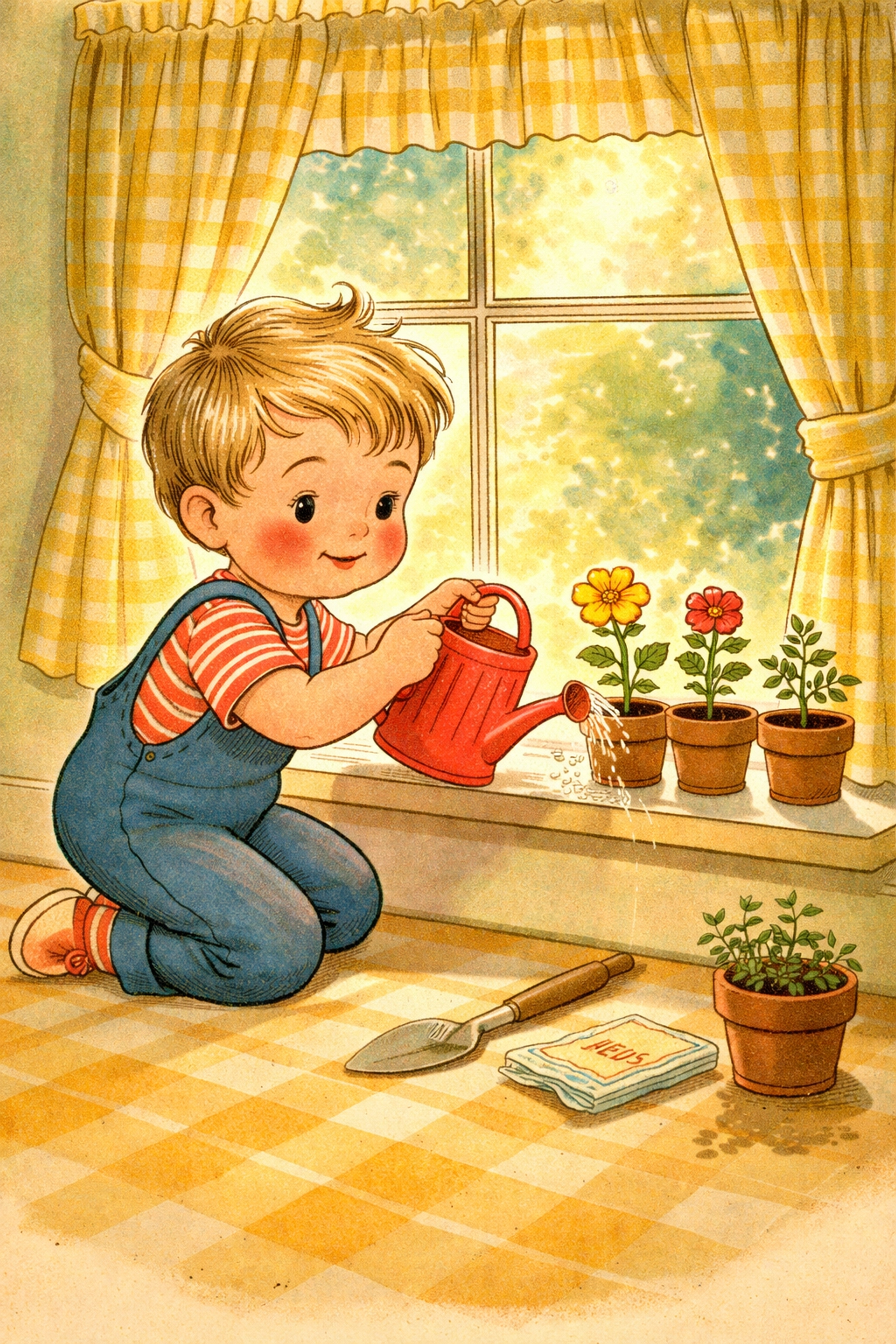
Plants don't grow on demand. They need consistent care, the right conditions, and time, lots of time. This mirrors how character develops in kids (and adults, honestly). When children take ownership of a living thing, they start connecting the dots between their actions and real outcomes.
Research suggests that the gentle, repetitive activities involved in tending plants, watering, observing, adjusting light, can help children slow down and focus. This naturally builds mindfulness and emotional regulation skills that are tough to teach any other way.
Plus, there's something grounding about caring for something that depends on you. Kids feel that weight, and it tends to bring out their better instincts.
What Character Traits Can Kids Learn Through Indoor Gardening?
Here's what tends to emerge when kids garden consistently:
- Responsibility – Plants need regular care or they struggle
- Patience – Seeds don't sprout overnight (no matter how hard you stare at them)
- Perseverance – Sometimes plants fail, and you try again
- Empathy – Understanding what another living thing needs
- Creativity – Designing, decorating, and problem-solving
- Scientific thinking – Observing, hypothesizing, adjusting
The trick is making these connections explicit without turning every watering session into a TED talk. A simple "Hey, notice how your plant perked up after you remembered to water it yesterday?" goes a long way.
How Do You Set Up a Character-Building Indoor Garden Station?
Before diving into activities, you'll want a dedicated space where kids can take ownership. Here's a simple setup that usually works well.
Materials Table
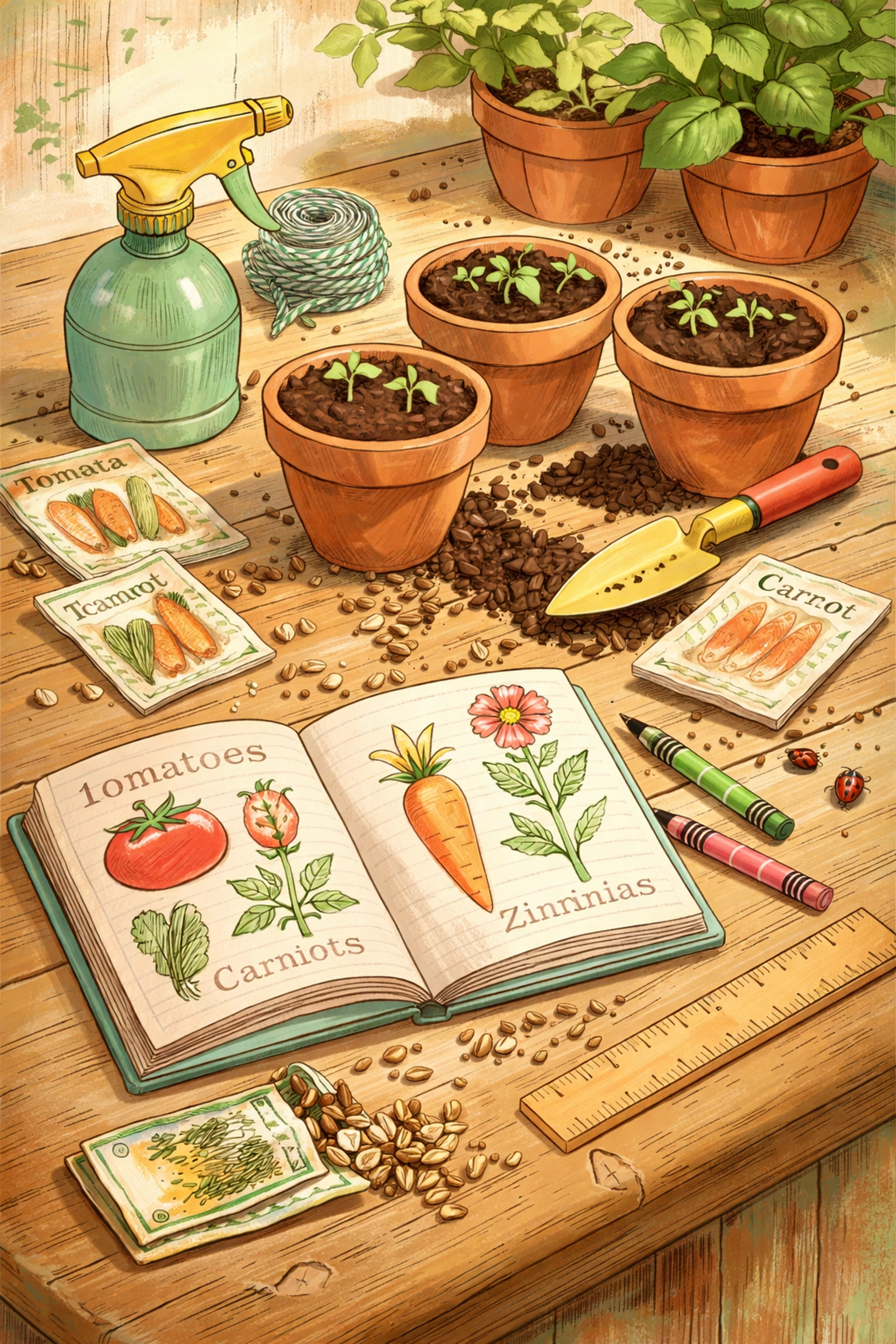
| Item | Approximate Cost | Notes |
|---|---|---|
| Small pots or recycled containers | $0–$5 | Yogurt cups work great |
| Potting soil | $5–$8 | Seed-starting mix for beginners |
| Fast-growing seeds (beans, lettuce, herbs) | $2–$4 | Radishes and lettuce show quick results |
| Spray bottle | $1–$3 | Gentler than pouring water |
| Ruler or measuring tape | $1 | For tracking growth |
| Journal or notebook | $1–$3 | For observations and sketches |
| Waterproof tray | $2–$5 | Catches overflow |
| Markers, paint, stickers (optional) | $3–$5 | For decorating pots |
Total estimated cost:
Under $25 for a complete setup
What Are Step-by-Step Activities That Combine Gardening and Character Building?
Activity 1: The Responsibility Chart Garden
Character focus:
Accountability and consistency
Steps:
- Have your child choose 2–3 plants to care for personally
- Create a simple weekly chart with tasks: water, check light, rotate pot, observe
- Let them check off completed tasks each day
- At week's end, review together, celebrate consistency, discuss what happened if tasks were missed
- Connect it casually: "Your basil looks healthy because you showed up for it every day"
Why it works:
Kids see direct results from their daily choices. No abstract lessons needed, the droopy leaves (or thriving ones) tell the story.
Activity 2: The Patience Project Growth Journal
Character focus:
Patience and delayed gratification
Steps:
- Plant fast-germinating seeds (beans or radishes work well)
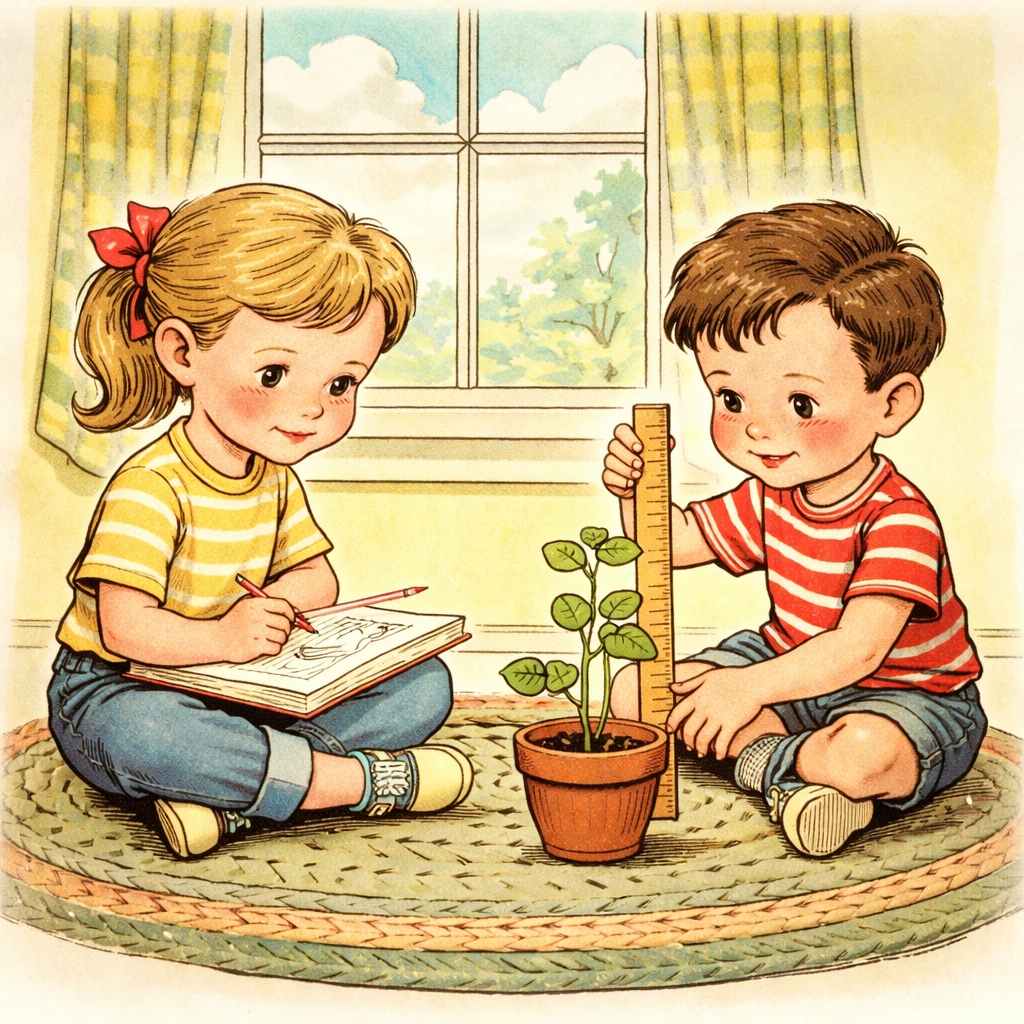
- Provide a journal where kids sketch or describe their plant daily
- Include a measurement section, height in inches or centimeters
- Add a "predictions" page: "What do you think will happen by Friday?"
- After 2–3 weeks, flip back through and notice the progress
Conversation starter:
"Remember when nothing was happening for those first few days? What would have happened if we gave up?"
This activity tends to be especially powerful for kids who struggle with "I want it now" thinking.
Activity 3: The Creative Expression Planter Project
Character focus:
Self-esteem and creative confidence
Steps:
- Gather plain pots, rocks, or wooden plant markers
- Set out paints, markers, or stickers
- Let kids design however they want, no templates, no "right way"
- Display their creations prominently
- Ask them to explain their design choices
Why it matters:
When kids personalize their garden space, they develop emotional investment. That hand-painted pot becomes theirs, and they're more likely to care for what's inside it.
Activity 4: The Problem-Solving Experiment
Character focus:
Critical thinking and adaptability
Steps:
- Set up two identical plants
- Change one variable: different light, different watering schedule, different soil
- Have kids predict which will do better
- Observe for 2 weeks, documenting changes
- Discuss results, were predictions correct? What surprised you?
The character connection:
Sometimes our guesses are wrong, and that's okay. Good thinkers adjust based on new information.
How Can You Make Character Discussions Feel Natural?
Nobody wants to turn gardening into a lecture series. Here are some low-pressure ways to weave in character conversations:
- During watering: "This plant counts on you. How does it feel to be counted on?"
- When seeds sprout: "That took a while, huh? What else in life takes patience like that?"
- After a plant dies: "What do you think went wrong? What might we try differently next time?"
- While decorating pots: "I like how you designed that. What made you choose those colors?"
Keep it brief. Kids pick up more from short, genuine moments than from lengthy explanations.

What If a Plant Dies? How Do You Handle Failure?
This is actually one of the most valuable teaching moments in indoor gardening. Plants sometimes fail despite good care: just like projects, friendships, and efforts in real life.
When it happens:
- Acknowledge the disappointment without dismissing it
- Explore what might have gone wrong together (overwatering? not enough light?)
- Decide together whether to try again
- Frame it as data, not defeat: "Now we know something we didn't know before"
Perseverance isn't about never failing. It's about what you do after.
Frequently Asked Questions
What age is best for starting character-building gardening activities?
Kids as young as 3 can participate in simple tasks like watering with supervision. More complex activities like journaling and experiments tend to work better for ages 6 and up.
How often should kids tend their indoor garden?
Daily check-ins of just 5–10 minutes usually work well. Consistency matters more than duration.
What plants grow fast enough to keep kids interested?
Beans, radishes, lettuce, and herbs like basil typically show visible progress within 1–2 weeks.
Can indoor gardening help kids with anxiety?
Many parents report that the gentle, repetitive nature of plant care seems to have a calming effect. The routine and focus may help some children regulate emotions.
What if my child loses interest after a few days?
This is common. Try starting with very fast-growing plants, keep sessions short, and consider adding creative elements like pot decorating to re-engage them.
Do I need special equipment or grow lights?
For most beginner plants, a sunny windowsill is usually sufficient. Grow lights can help in darker spaces but aren't strictly necessary to start.
How do I connect gardening to character without being preachy?
Keep observations casual and question-based. "What do you notice?" works better than "This teaches you responsibility."
Can siblings share a garden or should each child have their own plants?
Both approaches can work. Individual plants build personal responsibility; shared gardens can teach cooperation and communication.
Keep Exploring
Be safe and have fun!