

Why Teach Kids Food Security at Home?
Teaching kids about food security at home builds lifelong healthy eating habits, critical thinking skills, and family resilience. When children learn where their food comes from, how to grow it, and how to prepare nutritious meals, they develop confidence, resourcefulness, and a lasting relationship with real food that carries into adulthood.
Experiment at a Glance
- Mess Level: Low
- Time: 15–30 minutes to start
- Cost: Under $10
- Safety Gear: None
Why Food Security Matters for Families
Food security means having reliable access to enough affordable, nutritious food. For kids, it's not just about having food on the table: it's about understanding how food systems work, making healthy choices, and building skills they'll use for life.
When families teach food security at home, they're doing more than meal planning. They're showing kids how to be independent, resourceful, and thoughtful about what they eat. Research shows that children who learn about nutrition and food preparation early on are more likely to make healthier food choices as teens and adults, reducing their risk of diet-related health issues.
The Real-World Benefits
Academic and Behavioral Growth
Kids who eat nutritious meals concentrate better in school, have higher attendance rates, and show fewer behavioral problems. But the learning doesn't stop at the dinner table. When children get hands-on experience with food: whether they're cooking, gardening, or learning about nutrition: they also build confidence, teamwork, and leadership skills.
Family Connection
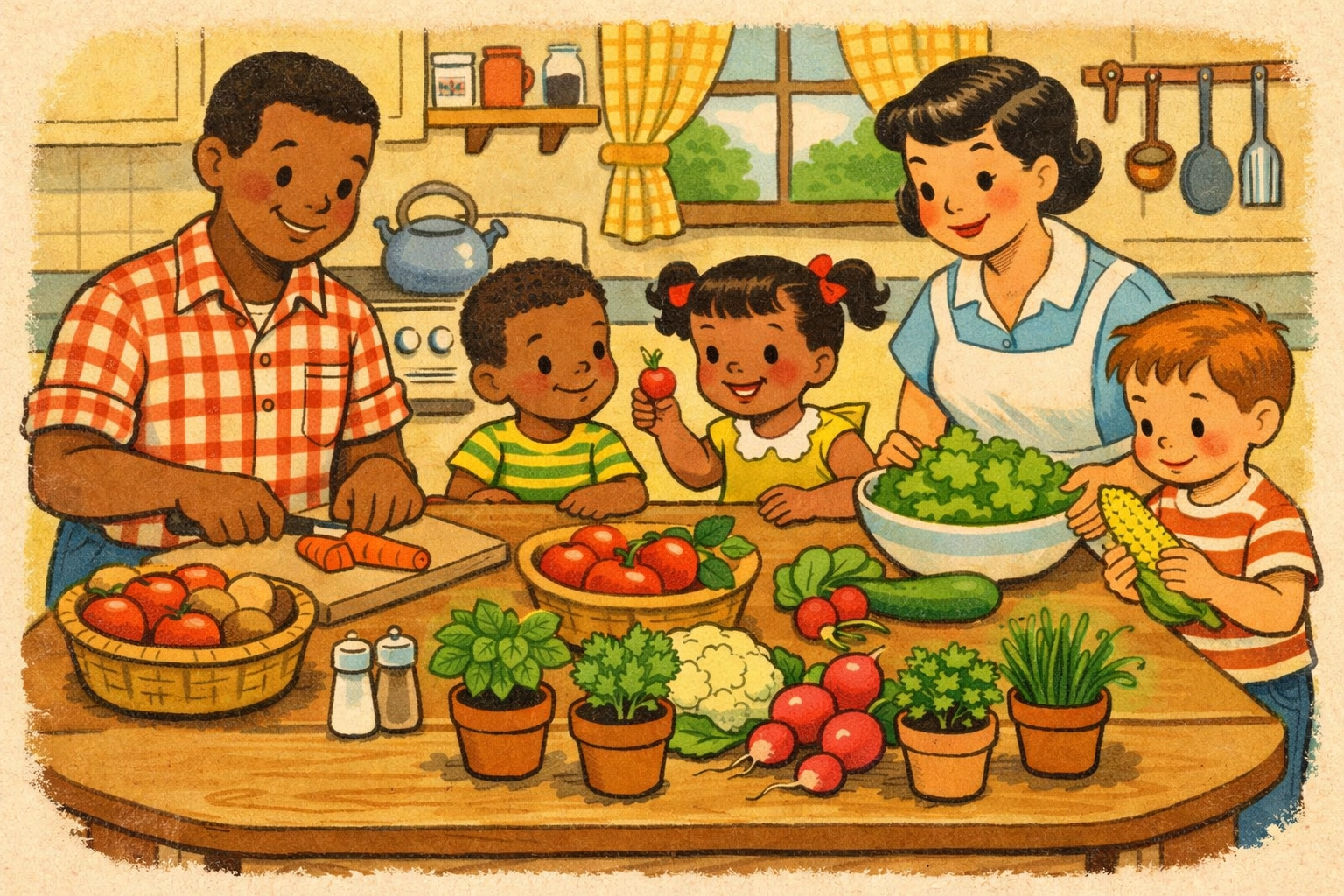
Food education creates a ripple effect. When kids bring home recipes or food knowledge, families cook together, try new ingredients, and start conversations about health. These shared experiences strengthen family bonds and spread healthy eating practices beyond individual students to entire households.
Addressing Food Insecurity
Food insecurity negatively impacts child development. Programs and home practices that combine nutrition education with access to healthy food help children make better choices and develop a positive relationship with food. Families who receive nutrition education services report that 51% of their children show improvements in physical, emotional, and mental health.
How to Start Teaching Food Security at Home
1. Grow Something Together
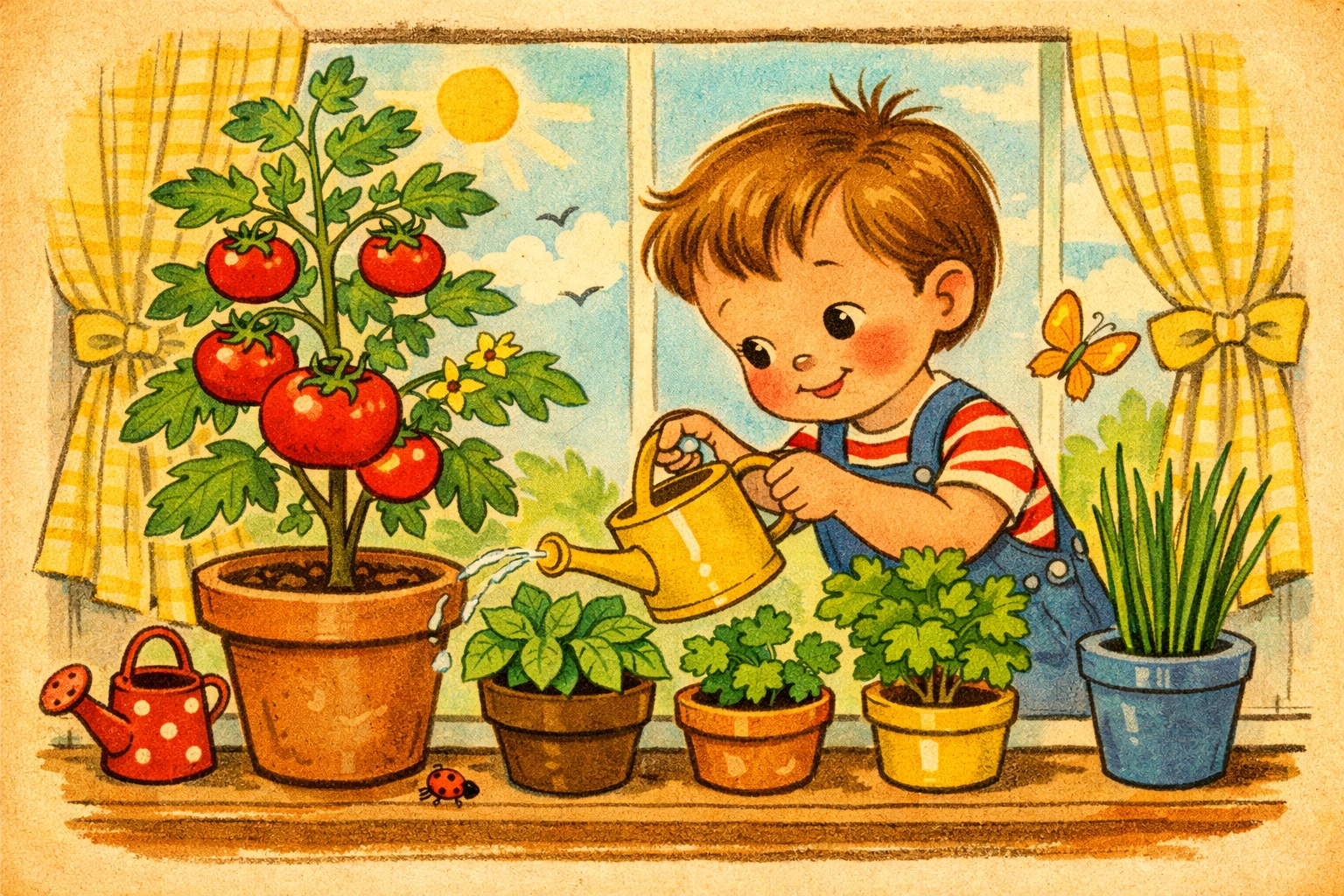
Start small. A windowsill herb garden, a container tomato plant, or a few lettuce seedlings in a pot teach kids where food comes from. When children help grow fruits and vegetables, they're more likely to eat more produce and try different varieties. Gardening also engages curiosity and teaches patience, observation, and care.
Check out our Grow and Craft With Kids blog for step-by-step beginner projects that work indoors or out.
2. Cook Real Food Together
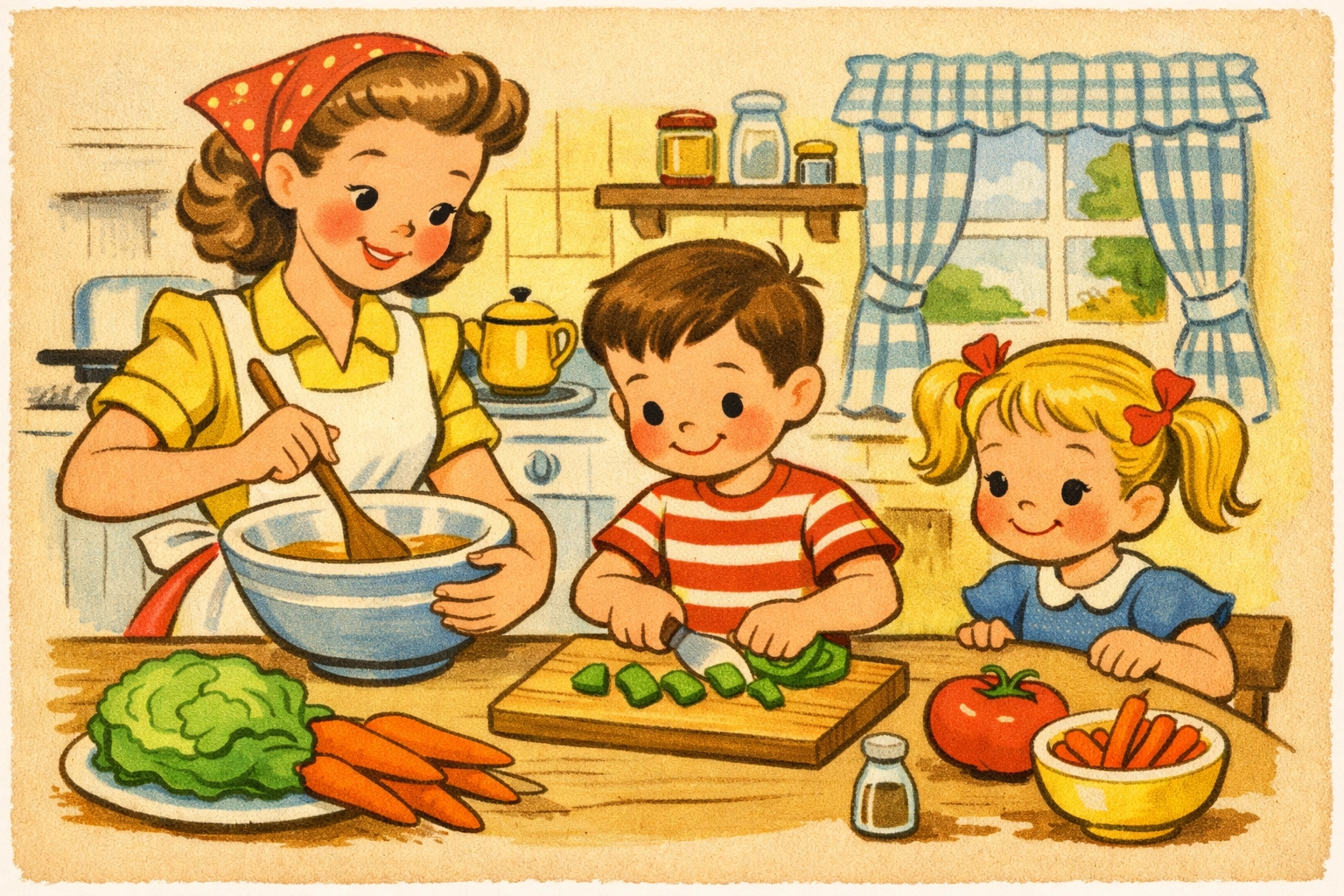
Let kids help with meal prep: even toddlers can wash vegetables, tear lettuce, or stir ingredients. Older kids can measure, chop (with supervision), and follow recipes. Cooking together teaches math, reading, and following instructions while building confidence in the kitchen.
3. Talk About Where Food Comes From
Visit a farmers market, read books about farming, or watch videos about food production. Help kids understand the journey from farm to table. These conversations make abstract concepts tangible and help children appreciate the work that goes into their meals.
4. Practice Food Budgeting
Involve kids in grocery planning. Give them a budget for a meal or snack and let them choose ingredients. This teaches math, decision-making, and the value of money while building awareness of food costs.
5. Reduce Food Waste
Teach kids to store food properly, use leftovers creatively, and compost scraps. These habits build respect for food and resources while teaching environmental responsibility.
Building Character Through Food
Food security education isn't just practical: it builds character. When kids learn to grow, cook, and share food, they develop:
- Responsibility: Caring for plants or helping with meals teaches accountability.
- Problem-solving: Figuring out what to cook with available ingredients or troubleshooting a wilted seedling builds critical thinking.
- Empathy: Understanding food insecurity and participating in food drives or community gardens fosters compassion.
- Independence: Knowing how to feed themselves gives kids confidence and self-reliance.
Frequently Asked Questions
What age should I start teaching my kids about food security?
You can start as early as age 2 or 3 with simple tasks like washing vegetables or watering plants. Tailor activities to your child's developmental stage: preschoolers can help with mixing and pouring, while older kids can handle more complex tasks like chopping and meal planning.
What if I don't have a garden or outdoor space?
You don't need a backyard to teach food security. Windowsill herb gardens, countertop sprouts, or small indoor hydroponic systems work beautifully. Many vegetables and herbs thrive in containers on a sunny porch or balcony.
How do I teach food budgeting without making my kids worry about money?
Frame it as a fun challenge or game. Give them a small budget for a snack or side dish and let them "shop" from your pantry or at the store. Focus on making smart choices and stretching ingredients, not on scarcity or stress.
What are the easiest foods for kids to grow at home?
Lettuce, radishes, cherry tomatoes, herbs (like basil and mint), and green beans are all beginner-friendly. They grow quickly, require minimal care, and give kids a tangible reward for their effort.
How does learning about food security reduce food waste?
When kids understand where food comes from and the effort involved in producing it, they're more likely to value it. Teaching proper storage, creative use of leftovers, and composting helps them see food as a resource to be used thoughtfully, not wasted.
Can food education really improve my child's health?
Yes. Studies show that children who participate in nutrition education and hands-on food experiences eat more fruits and vegetables, make healthier snack choices, and develop better eating habits that last into adulthood.
What if my child is a picky eater?
Involving picky eaters in growing and cooking food often increases their willingness to try new things. When kids have ownership over a recipe or plant, they're more invested in tasting it. Start with small exposures and celebrate small wins.
How do I explain food insecurity to my kids without scaring them?
Use age-appropriate language and focus on solutions. Explain that some families don't always have enough healthy food and talk about ways your family can help: like donating to food banks, volunteering at community gardens, or supporting local farms.
What skills will my child gain from learning about food security?
Beyond nutrition, kids learn math (measuring, budgeting), science (plant growth, ecosystems), responsibility, teamwork, problem-solving, and independence. They also build empathy and an understanding of food systems.
How much time do I need to commit to teaching food security at home?
Start small: even 15–30 minutes a week makes a difference. Watering a plant, cooking one meal together, or visiting a farmers market once a month all count. The key is consistency, not perfection.
References
- School Food Programs & Nutrition Education Benefits - Research on student health, academic performance, and family engagement.
- Child Nutrition and Food Security Studies - Data on the impact of nutrition education on child development and family health outcomes.
- Food Literacy and Childhood Development - Research on hands-on food experiences and their role in building healthy habits.
Disclaimer: This blog post is for educational purposes only and is not a substitute for professional nutritional or medical advice. Always consult with a healthcare provider or registered dietitian for specific concerns about your child's diet or health. Tierney Family Farms does not guarantee specific outcomes from implementing these suggestions. AI used in the process of creating this blog, please double check everything, as AI and humans can make mistakes.