

Dancing Raisins: A Lesson in Buoyancy and Bubbles
At-a-Glance Experiment Overview
| Category | Details |
|---|---|
| Mess Level | 2 out of 5 (minor spills possible) |
| Time Needed | 10–15 minutes |
| Estimated Cost | $2–$4 |
| Safety Gear | None required |
| Best For | Young and middle-age kids |
| Core Concepts | Buoyancy, carbon dioxide bubbles, density |
| Indoor/Outdoor | Indoor |
Why Do Raisins Dance in Soda?
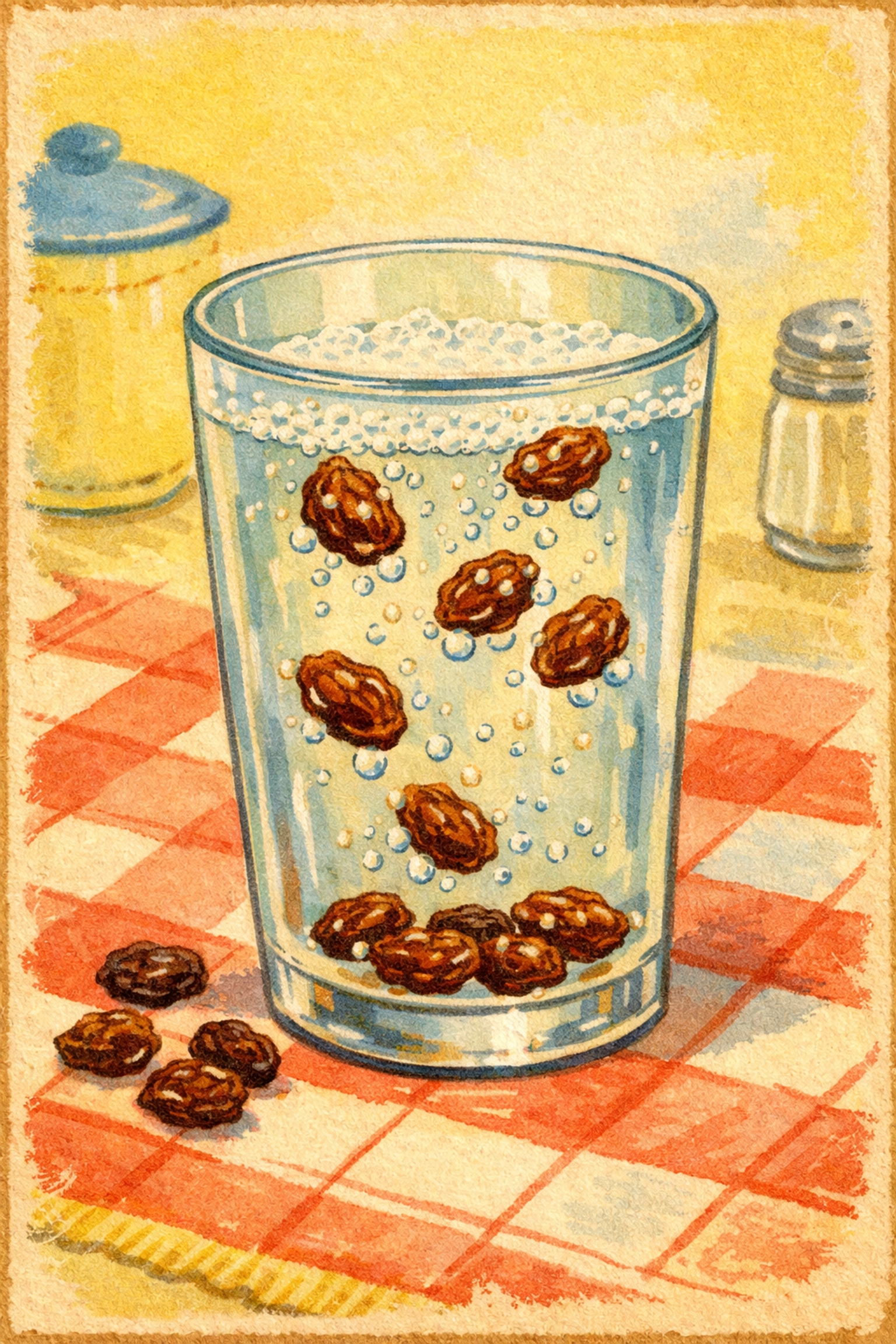
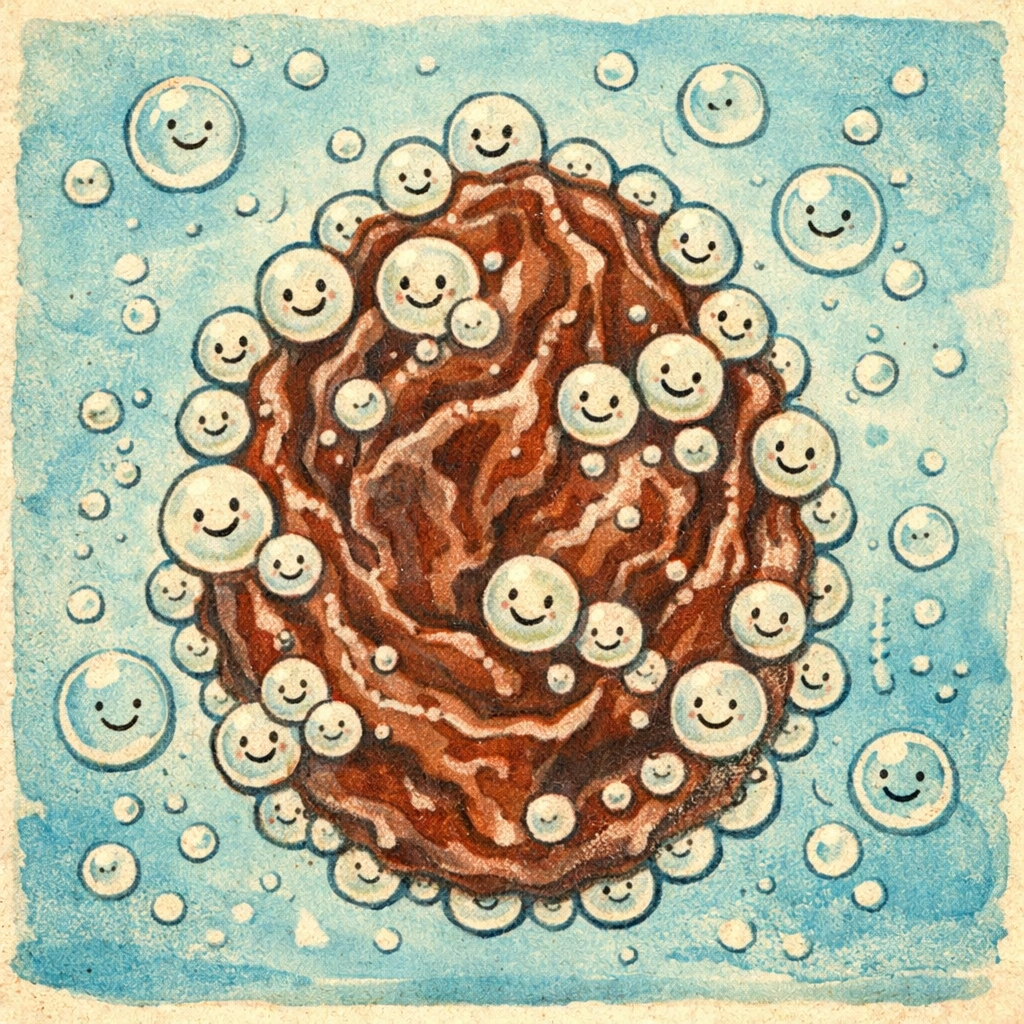
Raisins dance in carbonated drinks because tiny carbon dioxide bubbles attach to their wrinkled surfaces, creating enough buoyancy to lift them to the surface. When the bubbles pop at the top, the raisins lose their flotation helpers and sink back down: only to start the cycle all over again.
This simple kitchen experiment turns your glass into a miniature aquatic ballet, demonstrating fundamental physics concepts that govern everything from hot air balloons to submarines. Kids can watch the raisins rise and fall dozens of times before the soda goes flat, and the visual effect is mesmerizing enough to hold even the youngest scientists' attention.
What You'll See During the Experiment
Once you drop raisins into a glass of fizzy soda, you'll notice they sink immediately. Within seconds, tiny bubbles begin clinging to the rough, wrinkled texture of each raisin. As more bubbles accumulate, individual raisins suddenly float upward: sometimes slowly, sometimes in a quick zip to the surface. When they reach the top, the bubbles burst, and the raisins tumble back down like tiny elevator passengers making another trip. Some raisins may dance more enthusiastically than others depending on their size and how many bubble attachment points they have.
The cycle tends to continue for several minutes, gradually slowing as the carbonation dissipates. You might also spot bubble trains forming on the sides of the glass, creating their own vertical highways for the raisins to follow.
Materials You'll Need
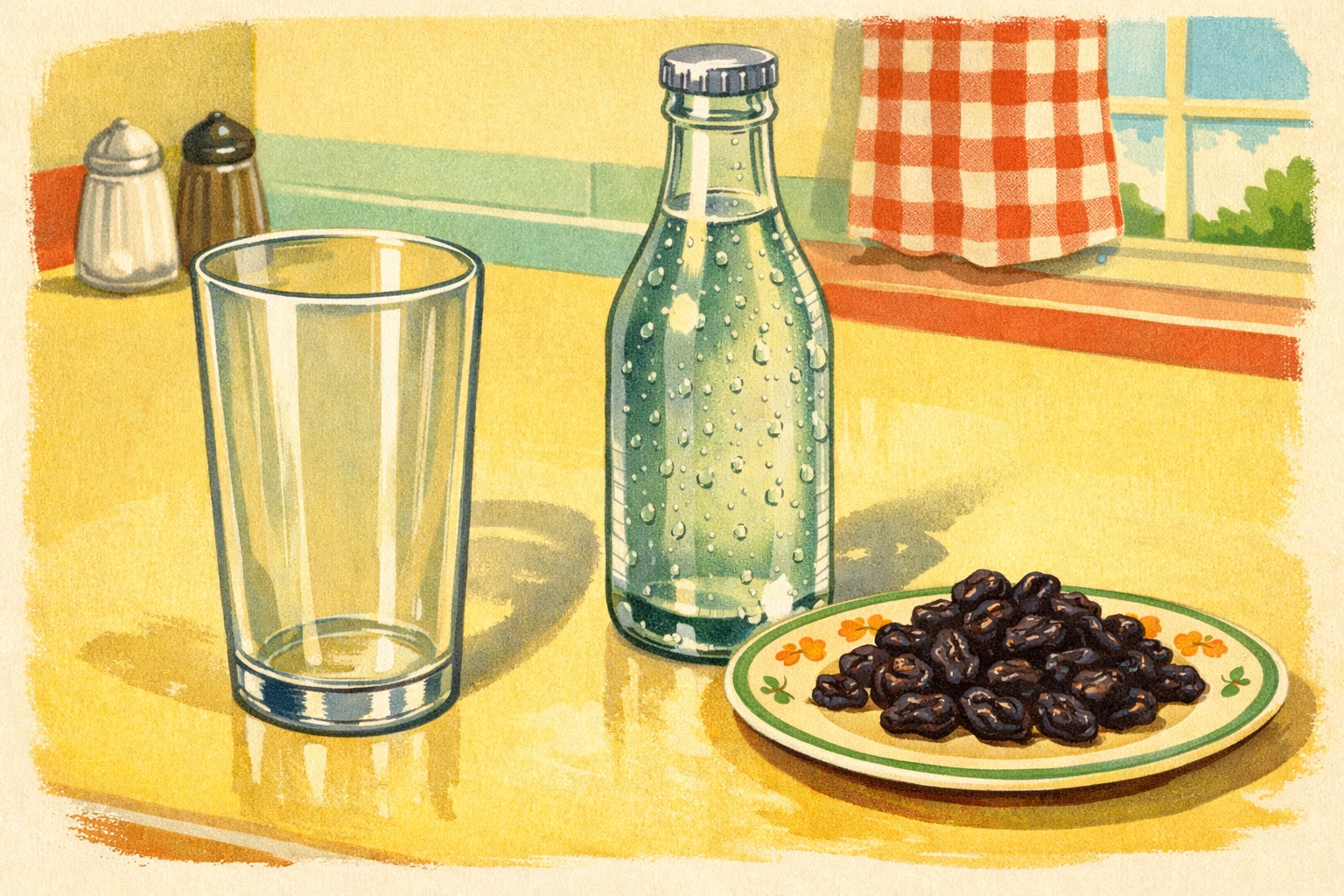
- 1 clear glass (so you can watch the action)
- Carbonated water or clear soda (Sprite, 7-Up, or club soda work well; about 8–12 ounces)
- 8–10 raisins (standard dark or golden raisins both work)
- Optional: A few other small dried fruits like cranberries to compare dancing styles
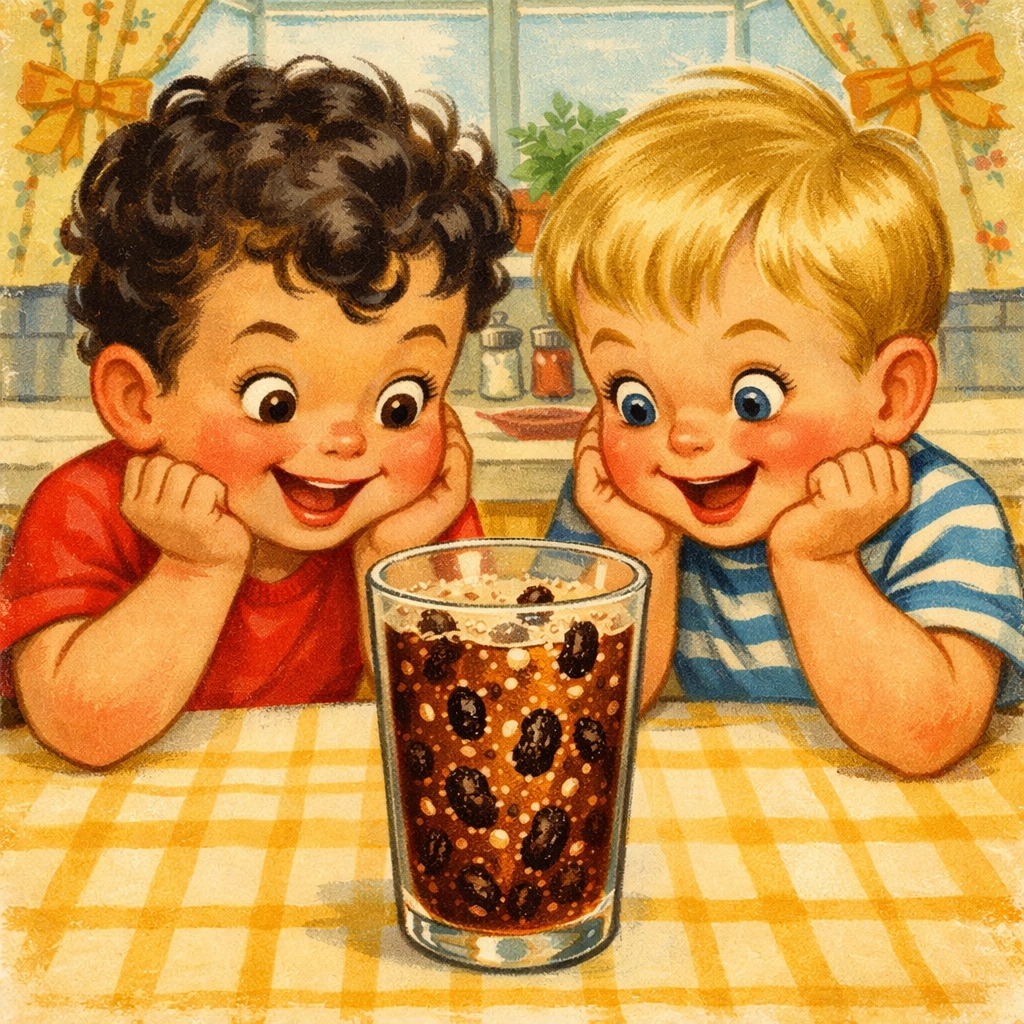
Why clear soda? Dark sodas like cola obscure the view, making it harder to see individual bubbles attaching to the raisins. Clear beverages let you observe every detail of the buoyancy dance.
Step-by-Step Instructions
Step 1: Set Up Your Observation Station
Place your clear glass on a flat surface near good lighting: a kitchen counter with a window nearby works wonderfully. Position the glass where multiple people can gather around and watch without anyone blocking the view.
Step 2: Pour the Fizzy Drink
Adult Step: Carefully pour carbonated water or clear soda into the glass until it's about three-quarters full. Pour slowly to avoid excessive foaming. Fresh carbonation matters: a newly opened bottle produces far more bubbles than one that's been sitting open in the fridge for days.
Step 3: Drop in the Raisins
Add 8–10 raisins to the glass all at once. Watch closely as they sink to the bottom. Don't be discouraged if they just sit there initially: the magic takes a few seconds to begin.
Step 4: Watch the Bubble Attachment
Look carefully at the raisins on the bottom. You'll start seeing tiny bubbles forming on their wrinkled surfaces. The rough texture of raisins provides excellent nucleation sites: spots where dissolved carbon dioxide gas can come out of solution and form visible bubbles.
Step 5: Observe the First Rise
Within 10–30 seconds, one or more raisins should start floating upward. Some kids like to pick a favorite raisin and cheer it on during its journey to the surface. Time how long the trip takes: typically just a few seconds.
Step 6: Watch the Pop and Drop
When your raisin reaches the surface, watch what happens to its bubble coat. The bubbles burst when exposed to air, and the now-heavier raisin sinks back down. This is the moment that often gets the biggest reactions from young observers.
Step 7: Count the Cycles
Challenge kids to count how many round trips a single raisin makes before the soda goes flat. Record the numbers for different raisins and see if some are better dancers than others.
Step 8: Try Variables (Optional Extension)
Once you've enjoyed the basic experiment, try these variations:
- Compare fresh soda to flat soda
- Test different types of dried fruit (cranberries, chopped apricots)
- Try cold soda versus room-temperature soda
- Use different carbonation levels (sparkling water versus regular soda)
The Science Behind the Dance
Density and Buoyancy Basics
An object's ability to float depends on its density compared to the liquid around it. Raisins are denser than soda, which is why they sink initially. But when carbon dioxide bubbles attach to the raisins, the total density of the raisin-plus-bubbles system decreases. Think of the bubbles as tiny life jackets: each one reduces the overall weight relative to the volume, making the combined package light enough to rise.
Why Raisins Are Perfect Dancers
The wrinkled, irregular surface of a raisin provides countless spots for bubbles to grip. Smooth objects like marbles don't dance nearly as well because bubbles slide right off. Scientists call these attachment spots "nucleation sites": places where dissolved gas can transition into visible bubbles. This same principle explains why a fizzy drink bubbles more vigorously when you add ice (rough surface) versus when it just sits still in a glass.
The Bubble Life Cycle
Carbon dioxide is dissolved in soda under pressure. When you open the bottle, that pressure releases, and the gas wants to escape back into the air. The raisins speed up this process by giving the CO₂ a convenient exit route. As bubbles grow large enough on the raisin's surface, buoyancy forces overcome gravity, and up they go. At the surface, the bubbles pop (returning to the air where gases naturally want to be), and gravity reclaims the raisin.
Tips for a Successful Dancing Raisin Show
Use fresh carbonation: The experiment works best within the first few minutes after opening a new bottle. Flat soda produces few bubbles and disappointing results.
Choose the right glass: A tall, narrow glass lets you watch longer vertical journeys, while a wide, short glass makes it easier for multiple kids to see simultaneously.
Encourage prediction: Before adding raisins, ask kids to predict what will happen. Will they float or sink? Will they stay at the bottom or move? This builds scientific thinking skills.
Time the cycles: Use a stopwatch to time how long each trip takes. Do raisins move faster going up or coming down? Why might that be?
Photograph the action: Bubbles on raisins make striking close-up photos. Challenge kids to capture the moment when a raisin is completely covered in its bubble coat.
Extending the Learning
This experiment connects beautifully to real-world applications. Submarines control their buoyancy by filling or emptying ballast tanks with water and air: rising and sinking just like the raisins. Scuba divers adjust their buoyancy vests to hover underwater. Even bread rises because yeast produces carbon dioxide bubbles that lift the dough.
You can also introduce the concept of carbonation in nature. Some lakes experience limnic eruptions: rare events where dissolved CO₂ suddenly escapes from deep water, similar to what happens in your soda glass but on a massive scale.
Frequently Asked Questions
Can I use any type of soda?
Clear sodas like Sprite, 7-Up, or club soda work best because you can see the bubbles clearly. Dark sodas produce the same effect but make observation harder.
Why do some raisins dance more than others?
Individual raisins vary in size, weight, and surface texture. Lighter raisins with more wrinkles tend to dance more actively because they need fewer bubbles to achieve buoyancy.
How long will the raisins keep dancing?
The dancing typically continues for 5–15 minutes, depending on how much carbonation remains in the drink. Eventually the soda goes flat and the show ends.
Can we eat the raisins afterward?
The raisins are technically safe to eat after the experiment, though they'll be quite soggy and may taste like whatever soda you used.
What if my raisins don't dance at all?
Check your carbonation level: flat soda won't work. Also try different raisins; occasionally you'll get a batch that's too smooth or dense to perform well.
Does temperature affect the experiment?
Cold soda tends to hold carbonation longer, extending the dancing time. Very cold liquids also dissolve more gas, potentially creating more bubbles initially.
Safety Notes and Disclaimer
This experiment involves common food items and poses minimal risk. Supervision is recommended to prevent spills and to ensure children don't consume excessive amounts of sugary soda. Always wipe up spills immediately to prevent slipping hazards.
The information provided here is for educational purposes. Adult supervision is recommended for all experiments involving young children. Always follow safe food handling practices and check for any dietary restrictions or allergies before conducting food-based experiments. Results may vary based on carbonation levels, raisin type, and environmental conditions.
Related experiments: For more bubble science, explore our collection of kitchen chemistry projects that turn everyday ingredients into learning opportunities.
References:
- General principles of buoyancy and density in fluid dynamics
- Nucleation and bubble formation in carbonated beverages
- Educational applications of everyday physics demonstrations