

The Pepper Scatter: Exploring Hydrophobicity and Surface Tension
At-a-Glance Experiment Overview
| Category | Details |
|---|---|
| Mess Level | 2 out of 5 (minor water splashes) |
| Time Needed | 5–10 minutes |
| Estimated Cost | $1–$2 |
| Safety Gear | None required |
| Best For | Young kids (ages 4+) |
| Core Concepts | Hydrophobicity, surface tension, surfactants |
| Adult Help | Controlling the soap dispenser |
What Is the Pepper Scatter Experiment?
The Pepper Scatter is a quick kitchen experiment that shows kids how soap interacts with water in a surprising way. When you sprinkle black pepper on the surface of water and then touch the center with a drop of dish soap, the pepper flakes dart away from the soap like they're running for their lives. It looks like magic, but it's actually surface tension and hydrophobicity at work.
This experiment typically takes about five minutes from start to finish and uses items you probably already have in your kitchen. It's a fantastic way to introduce young learners to chemistry concepts without any complicated setup or safety concerns.
Why Does Pepper Float on Water?
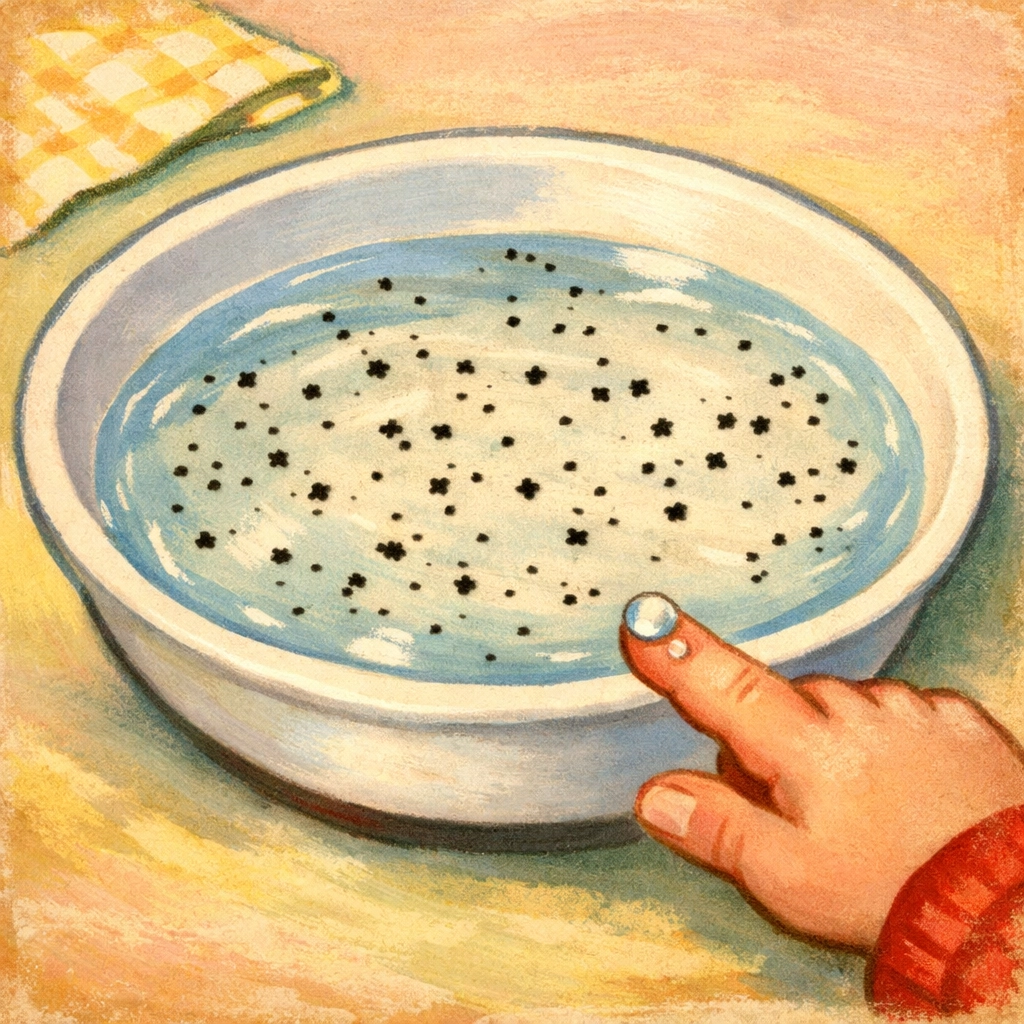
Before we dive into the scattering part, let's talk about why pepper even floats in the first place. Pepper is what scientists call hydrophobic, which means "water-fearing." Water molecules aren't attracted to pepper, so the pepper doesn't dissolve or get pulled under the surface.
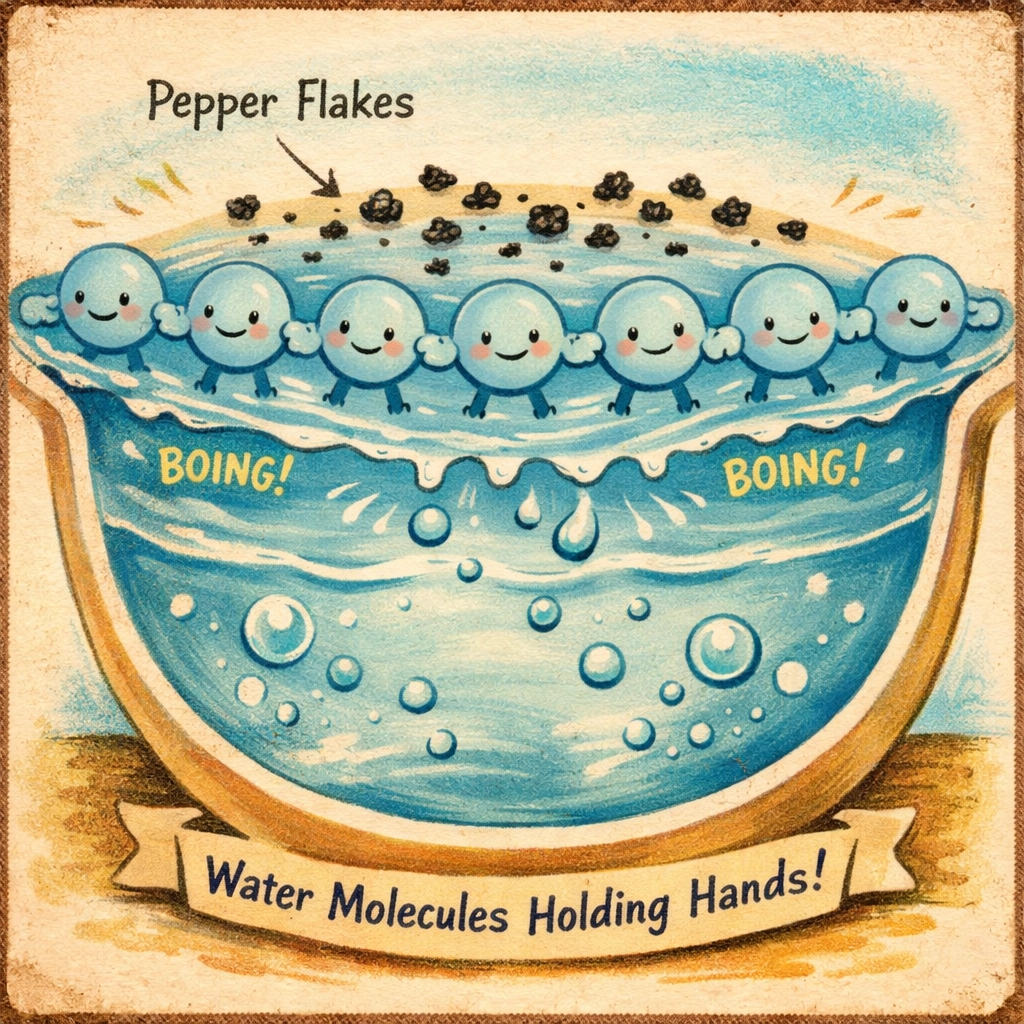
At the same time, water has a property called surface tension. Water molecules are strongly attracted to each other, and when they're at the surface, they pull together tightly to form an invisible "skin." This skin is strong enough to hold up lightweight objects like pepper flakes, even though pepper is denser than water in most cases.
Think of it like a trampoline made of water molecules. The pepper sits on top because the "trampoline" is stretched tight. But when you introduce soap, that trampoline suddenly loses its tension in one spot.
What You'll Need
Here's your simple shopping list:
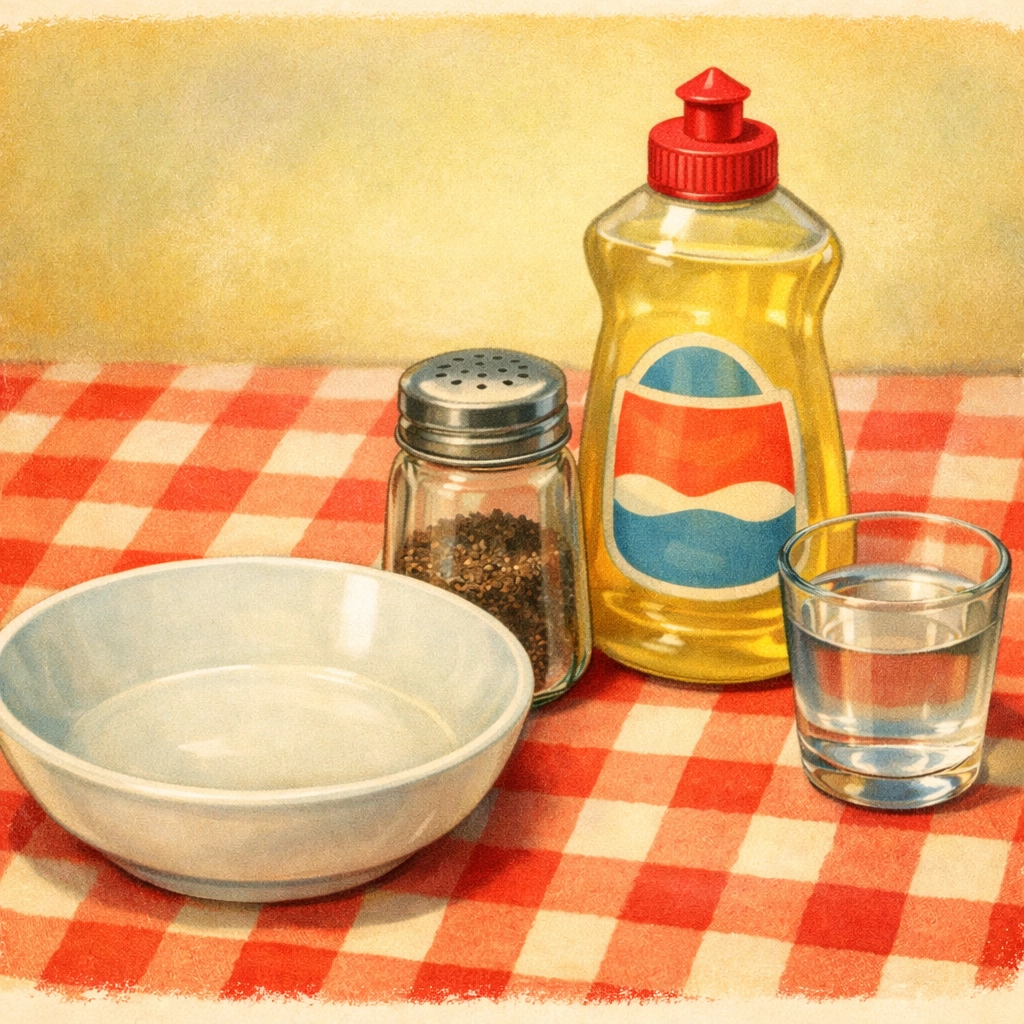
- A shallow bowl or plate (white or light-colored works best so you can see the pepper)
- Water (room temperature tap water is fine)
- Black pepper (ground pepper from your spice rack)
- Dish soap (any brand, but liquid works better than gel)
- Optional: A cotton swab or your finger for applying the soap
That's it. You might already have everything sitting in your kitchen right now.
Step-by-Step Instructions
Step 1: Fill Your Bowl
Pour water into your shallow bowl or plate until it's about half an inch deep. You don't need a lot, just enough to create a smooth surface. Let the water settle so it's completely still.
Step 2: Sprinkle the Pepper
Take your ground black pepper and sprinkle it generously across the water's surface. Don't be shy, cover as much of the water as you can. The pepper should float on top, creating a speckled pattern.
Step 3: Observe the Pepper
Before you add soap, take a moment to notice how the pepper just sits there. It's not sinking. It's not dissolving. It's resting on that invisible water "skin" we talked about earlier.
Step 4: Add One Drop of Soap
Here's where the magic happens. Adults should handle this part to make sure only one small drop is used. Dip your finger or a cotton swab into dish soap, then touch it to the center of the water surface. You can also squeeze a single tiny drop directly from the soap bottle if you're careful.
Step 5: Watch the Pepper Scatter
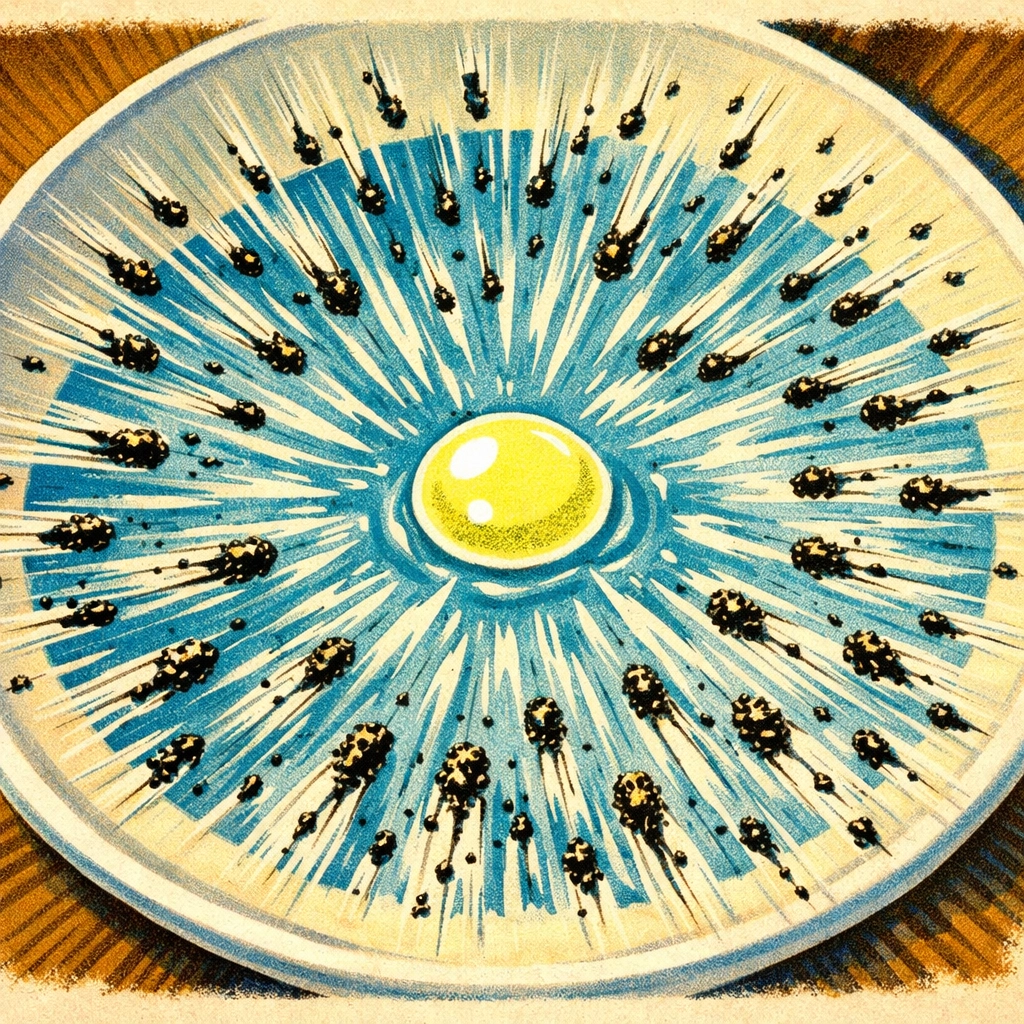
The moment the soap touches the water, the pepper flakes will race away from the center toward the edges of the bowl. It happens fast, so keep your eyes on the action. Kids often gasp the first time they see it.
Step 6: Try It Again
Want to repeat the experiment? Dump out the soapy water, rinse your bowl, and start fresh. The soap needs clean water to create the dramatic effect.
What's Actually Happening?
When you touch the water with soap, you're introducing a surfactant, a substance that breaks down surface tension. Soap molecules have two ends: one end loves water (hydrophilic), and the other end avoids it (hydrophobic). When soap hits the water, it wedges itself between water molecules and weakens the bonds holding the surface "skin" together.
As the soap spreads out, the water molecules pull away, trying to maintain surface tension in the areas that haven't been contaminated by soap yet. Since the pepper is just sitting on top of the water, it gets carried along with the retreating water molecules. The pepper isn't afraid of the soap, it's being pulled by the water as it rushes to the edges of the bowl.
If you think about it like a game of tug-of-war, the soap weakens one side of the rope (the surface tension near the center), so all the players (the water molecules) rush to the other side to keep the tension strong there. The pepper just goes along for the ride.
Variables You Can Explore
One of the best parts of this experiment is how easy it is to change things up and see different results. Here are a few variations to try:
Temperature: Fill one bowl with cold water and another with warm water. Does the pepper scatter faster in one than the other? Warmer water tends to have lower surface tension, which might affect how quickly the pepper moves.
Different Soaps: Try using shampoo, hand soap, laundry detergent, or even olive oil. Do they all make the pepper scatter the same way? Some surfactants are stronger than others.
Amount of Soap: What happens if you use a bigger drop of soap? Does the pepper scatter more dramatically, or does it just happen faster?
Different Spices: Swap out the black pepper for paprika, garlic powder, or dried herbs. Do they all float? Do they all scatter?
Encouraging kids to ask "what if" questions and test their ideas is a great way to build scientific thinking skills.
Why This Experiment Works So Well with Young Kids
The Pepper Scatter hits the sweet spot for early learners. It's fast, visually dramatic, and doesn't require any reading or complicated steps. Kids can watch the "magic" happen, then try it themselves with a little help from an adult.
It's also a low-stakes experiment. If the pepper doesn't scatter as dramatically as you hoped, you can just rinse the bowl and try again. There's no expensive equipment to break, no dangerous chemicals to worry about, and no lengthy wait time to see results.
Plus, it opens the door to conversations about how soap works in everyday life. Why do we use soap to wash dishes? How does soap help clean our hands? These are questions kids naturally ask, and this experiment gives you a hands-on way to answer them.
Frequently Asked Questions
Can I use any kind of pepper?
Ground black pepper tends to work best because it's lightweight and easy to see on the water's surface. Whole peppercorns are too heavy and might sink. Paprika or other fine spices can also work, but black pepper gives the clearest contrast on light-colored water.
What if the pepper doesn't scatter?
Make sure you're using dish soap and not hand sanitizer or lotion. Dish soap is specifically designed to break down surface tension. Also, check that your water is still and that you're using a shallow bowl, deeper containers might not show the effect as clearly.
Can kids do this experiment by themselves?
Young kids will need help controlling the soap dispenser to avoid using too much. Once they understand the concept, older kids (around age 7 or 8) can typically handle the whole experiment independently.
Is this safe for toddlers?
Yes, as long as you supervise them around the water and soap. Pepper can irritate eyes if rubbed, so remind kids to keep their hands away from their faces until they've washed up.
How many times can we repeat this?
As many times as you want! Just rinse the bowl between rounds to remove the soap residue. Fresh water gives the best results.
Does the size of the bowl matter?
Not really. A smaller bowl might make the pepper scatter faster because there's less distance to cover, but the basic effect works in any shallow container.
A Quick Word on Safety
This experiment is generally safe for young children with adult supervision. Dish soap and pepper are common household items and pose minimal risk when used as directed. However, keep these points in mind:
- Pepper can irritate eyes if rubbed. Encourage kids to wash their hands after the experiment and avoid touching their faces.
- Dish soap can cause mild irritation if it gets in eyes. If this happens, rinse thoroughly with clean water.
- Supervise young children around water to prevent spills or accidental ingestion.
- Use this experiment as a teaching moment about not eating or drinking science materials, even if they come from the kitchen.
As with any hands-on activity, adult supervision helps keep things safe and educational. This experiment is designed to be low-risk, but common-sense precautions make it even better.
Wrapping Up
The Pepper Scatter is one of those experiments that looks like a magic trick but teaches real science. It's quick, it's cheap, and it works almost every time. Whether you're looking for a rainy-day activity or a simple way to introduce chemistry concepts, this one delivers.
If you're hungry for more easy kitchen experiments, check out our full collection of science activities designed for families and educators. We're always adding new ideas to keep learning fun and accessible.
Now go grab that pepper shaker and watch some science in action. Your kitchen table is about to become a lab.