




A farmyard obstacle course transforms open land into an active challenge zone.
No special equipment required.
No memberships.
Just space, creativity, and a few items already on hand.
The concept is simple. Set up a series of physical stations across the property. Move through each one in sequence. Time it, race it, or just enjoy the movement.
This works for all ages, all fitness levels, and all seasons.
What Makes a Farmyard Obstacle Course Different?
Traditional obstacle courses use manufactured equipment.
A farmyard version uses what the land provides.
Hay bales. Logs. Tires. Fence posts. Natural terrain. Mud patches. Open pasture.
The environment becomes the course.
This approach builds physical confidence. It develops coordination, balance, and spatial awareness. It turns outdoor time into active exploration without screens or structured programs.
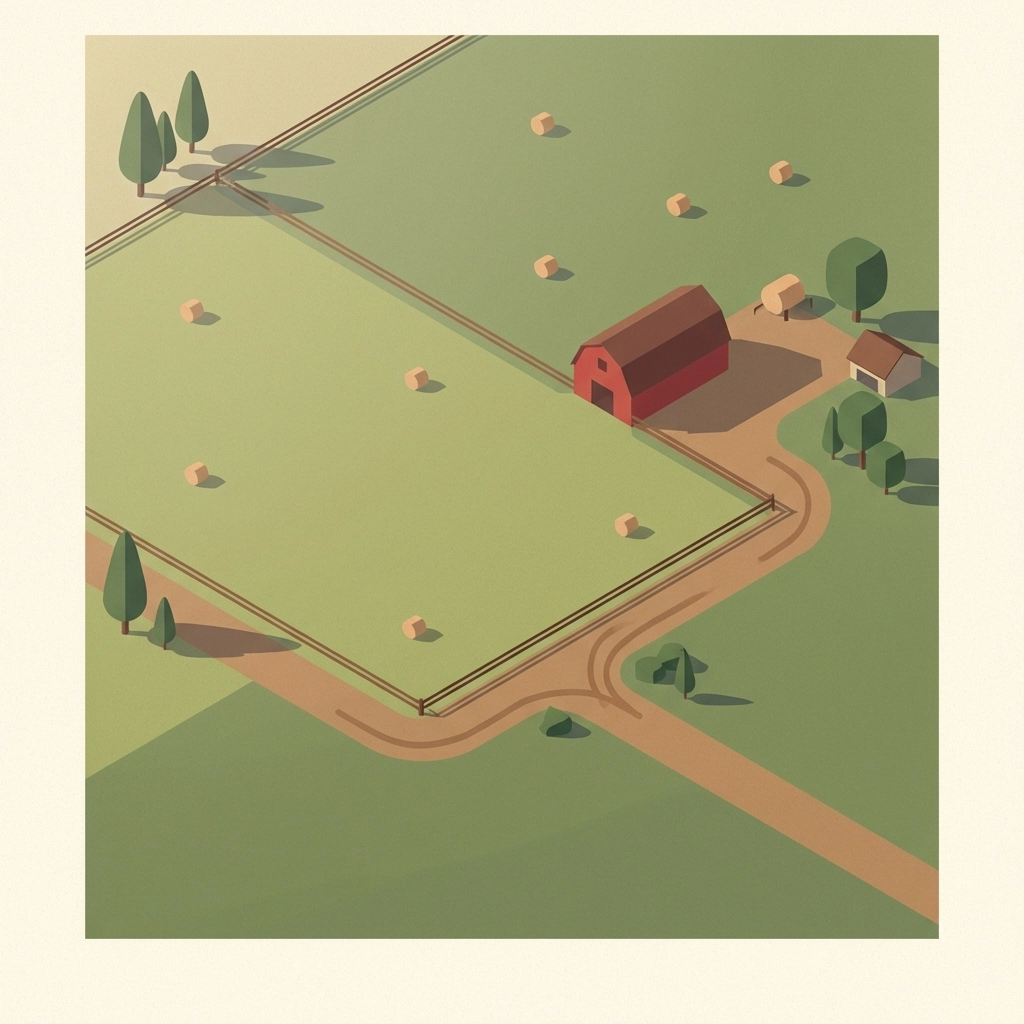
A farmyard course adapts to any property size. A small backyard works. A full acreage works better.
Materials Already Available on Most Properties
The best obstacle courses use items that exist on site.
Natural elements:
- Fallen logs or cut timber rounds
- Large rocks or boulders
- Tree stumps at varying heights
- Dirt mounds or natural hills
- Creek beds or drainage ditches
Farm supplies:
- Hay bales (square or round)
- Old tires (various sizes)
- Wooden pallets
- Fence posts or rails
- Feed buckets
- Rope or twine
- PVC pipes
- Tarps or old blankets
Household items:
- Pool noodles
- Hula hoops
- Cones or buckets
- Cardboard boxes
- Old sheets
Gather materials first. Walk the property. Note what exists naturally. Identify items that can be repurposed.
Core Obstacle Stations to Include
A solid farmyard course needs variety.
Different stations challenge different physical skills. Mix balance, agility, strength, crawling, jumping, and running.
Hay Bale Climb
Stack hay bales in a pyramid or staircase formation.
Participants climb up one side and down the other. Adjust height based on ability. Two bales high works for beginners. Four or more creates a real challenge.
Secure bales with stakes or rope if stacking high.
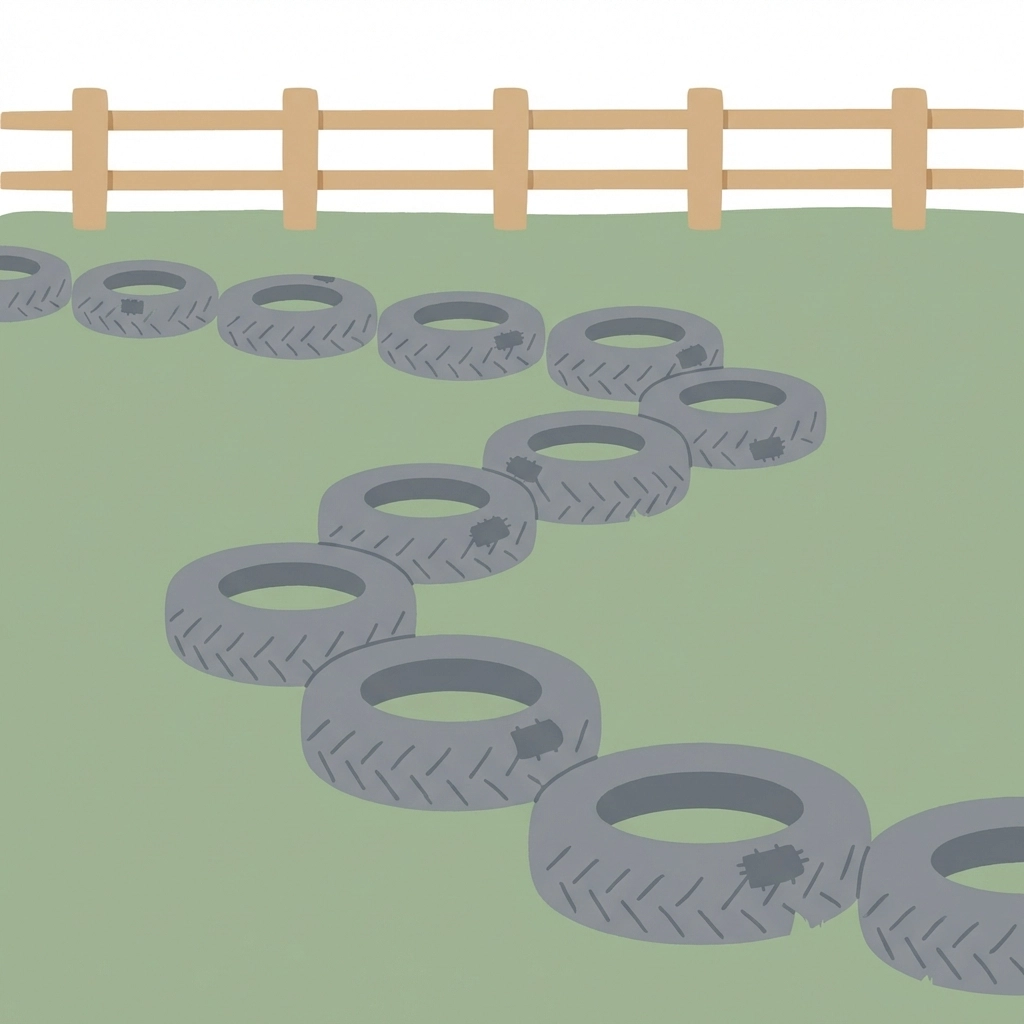
Tire Run
Lay tires flat in a zigzag pattern.
Step into each tire center without touching the edges. Space tires closer together for difficulty. Spread them apart for easier navigation.
Alternative: stack tires vertically and crawl through.
Balance Beam Log Walk
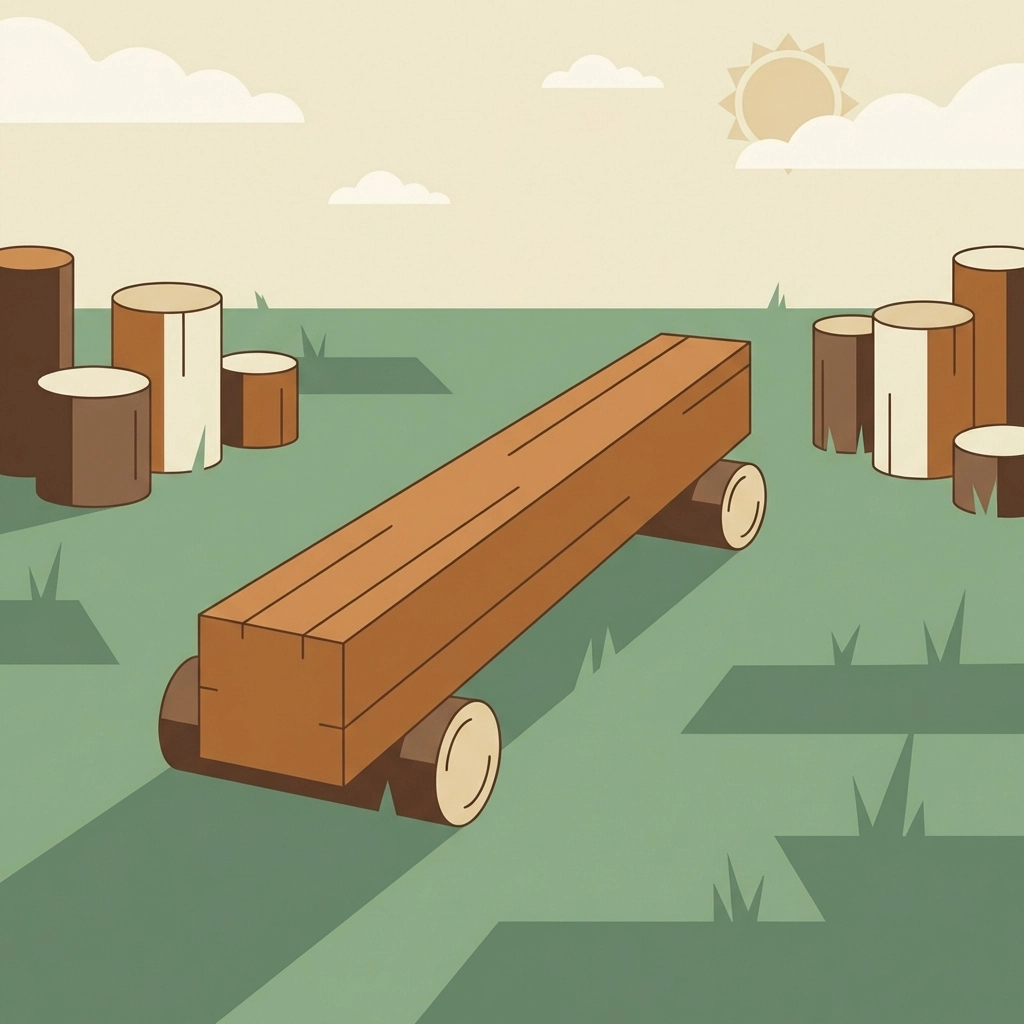
Position a long log or wooden beam on the ground.
Walk the full length without stepping off. Raise the log on supports for increased difficulty. Add a second parallel log for a choice of paths.
Tree stumps at varying heights create a stepping stone version.
Army Crawl Zone
Stretch a tarp or cargo net low to the ground.
Crawl underneath without touching the cover. Secure corners with stakes or heavy objects. Add mud underneath for authentic farm conditions.
Pool noodles arched over the path create a tunnel effect without fabric.
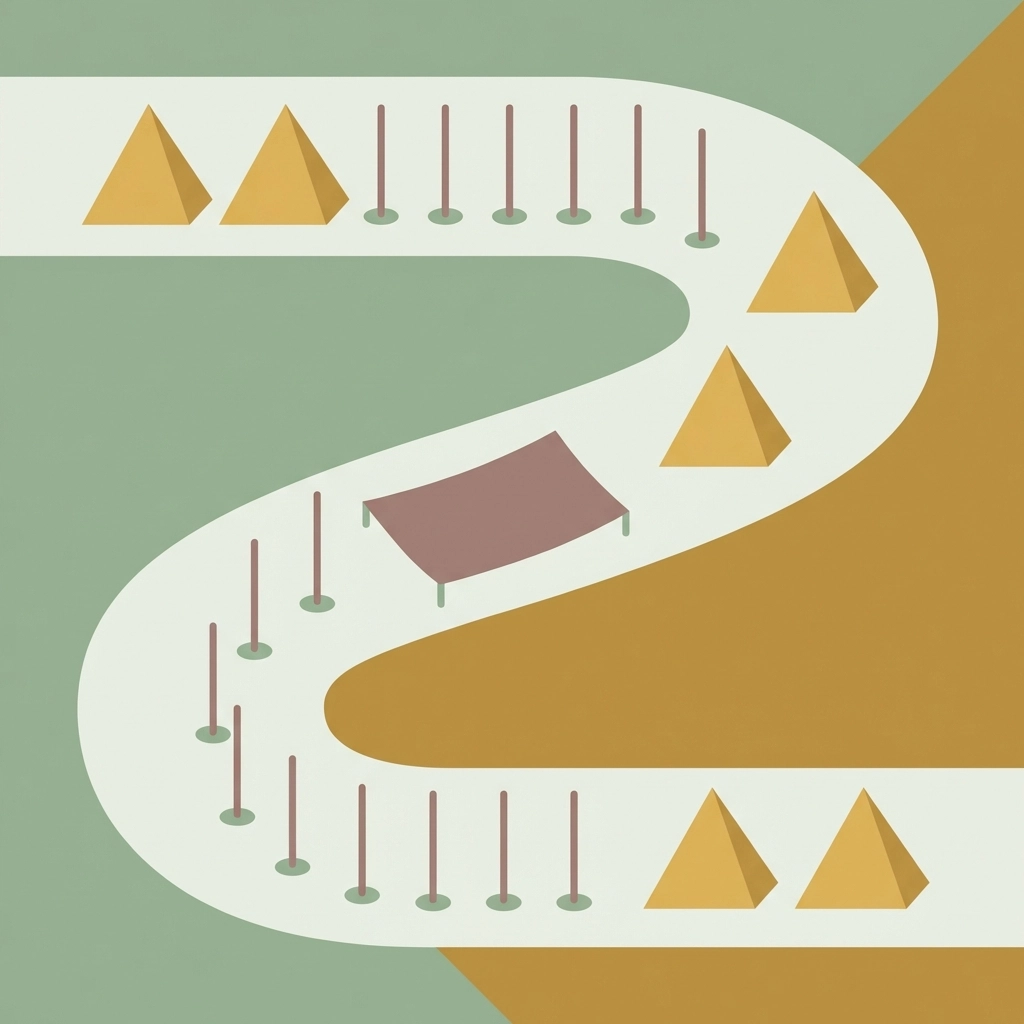
Weave Poles
Set fence posts, cones, or buckets in a straight line.
Weave through without knocking any over. Closer spacing increases difficulty. Add a time element for competition.
Jump Stations
Create hurdles from hay bales laid on their sides.
Or use PVC pipes resting on buckets at adjustable heights.
Start low. Increase height as confidence builds.
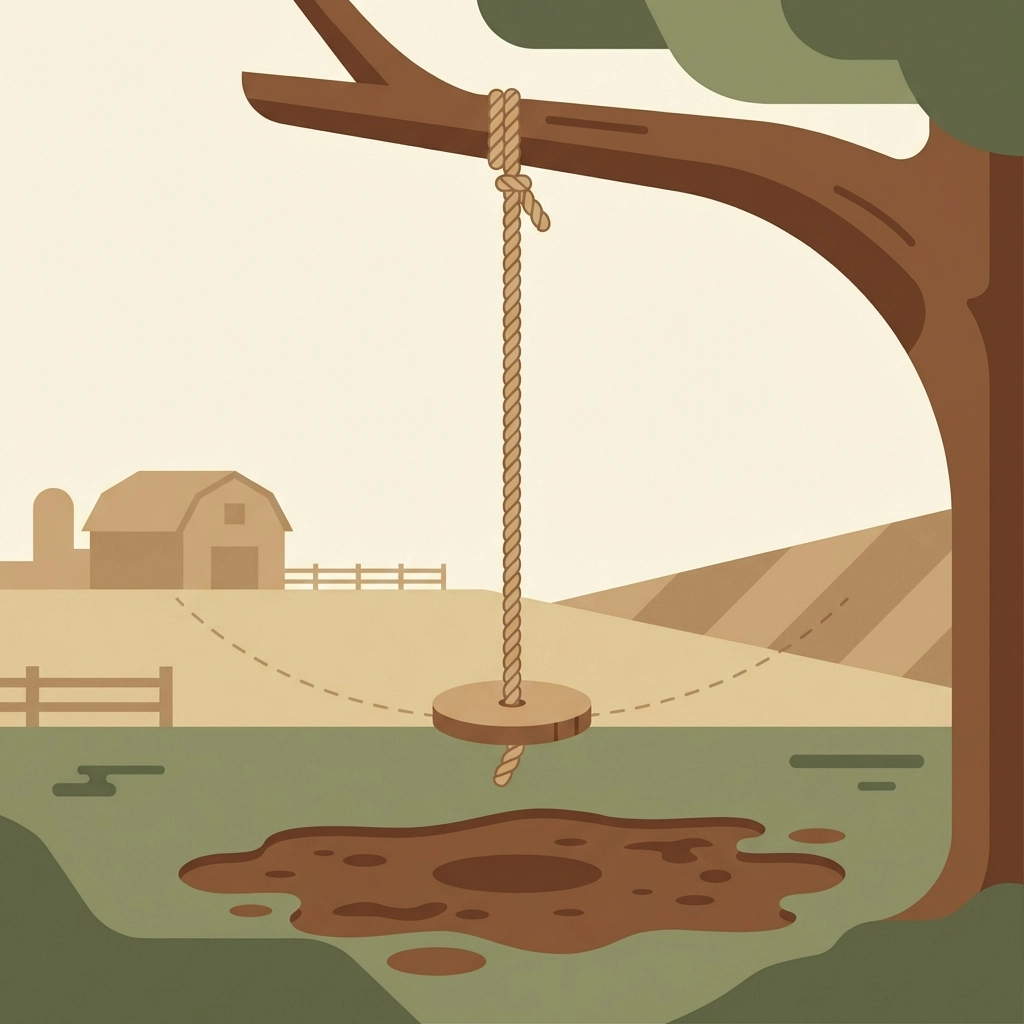
Rope Swing or Climb
Hang a thick rope from a sturdy tree branch.
Swing across a designated zone. Or climb the rope to touch a marker.
Ensure the branch can support weight. Test before use.
Sample Course Layout
A complete course flows from station to station.
10-Station Farm Olympics Setup:
- Start line sprint : 20-yard dash to first obstacle
- Hay bale climb : up and over the stack
- Tire run : zigzag through 8 tires
- Balance beam : walk a 10-foot log
- Army crawl : 15 feet under a low tarp
- Weave poles : navigate 6 posts
- Jump station : clear 3 low hurdles
- Bucket carry : transport a weighted bucket 30 feet
- Rope swing : swing across a mud patch
- Finish line sprint : final 20-yard dash
Total course length: approximately 200 yards.
Completion time varies by age and ability.
Mark each station with a numbered sign or colored flag.
Setting Up the Course
Planning prevents problems.
Site selection matters.
Choose flat or gently sloped terrain. Avoid areas with hidden holes, sharp objects, or poisonous plants. Check for ant hills, wasp nests, or animal burrows.
Mow tall grass before setup. Clear debris from the path.
Station spacing affects flow.
Leave 10-20 feet between obstacles. This allows recovery time and prevents bottlenecks when multiple participants run simultaneously.
Safety considerations:
- Remove nails, splinters, or sharp edges from all materials
- Secure stacked items to prevent collapse
- Test each obstacle before opening the course
- Designate a clear boundary around the course
- Keep a first aid kit nearby
Variations for Different Skill Levels
One course serves everyone with small adjustments.
Beginner modifications:
- Lower all heights
- Widen spacing between weave poles
- Allow hands-and-knees crawling instead of army crawl
- Remove time pressure
- Skip rope climb stations
Advanced modifications:
- Add weight to carry stations
- Decrease rest time between obstacles
- Run the course backward
- Complete multiple laps
- Add blindfold sections with a guide
Team variations:
- Relay format with baton passes
- Partner carries through certain sections
- Synchronized completion requirements
- Point scoring instead of time trials
Themed Course Ideas
A basic layout becomes memorable with a theme.
Animal sounds course:
Place stuffed farm animals at each station. Participants make the corresponding animal sound before proceeding. Rooster at the start. Pig at the mud crawl. Cow at the hay bales.
Egg and spoon challenge:
Carry a plastic egg on a spoon through the entire course. Drop it, return to the previous station.
Farmer relay:
Each station requires completing a farm task. Fill a bucket with water. Stack three hay bales. Coil a rope. Collect eggs from hidden spots.
Nighttime glow course:
Add glow sticks to mark stations. Run after sunset with headlamps. Creates an entirely different experience.
Maintenance and Storage
A farmyard course can stay up permanently or come down after each use.
Permanent setup benefits:
- Always ready for spontaneous activity
- Becomes a property feature
- Materials weather naturally over time
Temporary setup benefits:
- Land remains usable for other purposes
- Materials last longer in storage
- Course layout changes keep it interesting
Store rope, tarps, and fabric items indoors between uses. Hay bales degrade with moisture. Tires and logs withstand weather well.
Inspect all stations before each use. Replace worn materials. Tighten loose connections.
The Physical Benefits
Obstacle courses develop functional fitness.
Climbing builds upper body and grip strength.
Crawling engages core muscles.
Balancing improves proprioception.
Jumping develops explosive power.
Running builds cardiovascular endurance.
All of this happens outdoors. In fresh air. On uneven natural terrain.
The body learns to adapt to unpredictable surfaces. This transfers to real-world movement better than gym equipment.
Getting Started Today
Walk the property this afternoon.
Identify five items that could become obstacles. Arrange them in a simple sequence. Test the course.
Expand from there.
Add one new station each week. Rearrange existing stations monthly. The course evolves with the seasons and available materials.
No purchase necessary. No construction expertise required. Just land, creativity, and the willingness to move.
A farmyard obstacle course turns any property into an active destination.
The farm Olympics begin whenever the course is ready.