



Gardening strengthens family bonds by creating shared experiences, fostering cooperation, and building lasting memories through collaborative work toward common goals. When you dig in the dirt together, you're not just growing tomatoes: you're growing closer as a family.
The beauty of gardening as a bonding activity is that it works for every age, every season, and every skill level. From toddlers patting soil around seedlings to grandparents sharing wisdom about companion planting, the garden becomes a space where generations connect, communicate, and celebrate together.
Let's dig into exactly how gardening works its magic on family relationships: and how you can make the most of every season in your own backyard.
Why Does Gardening Bring Families Closer?
There's something special about working side-by-side with your hands in the earth. Unlike screen time or even board games, gardening creates what researchers call "parallel play" for all ages. You're working together toward a visible, tangible goal: and that shared purpose naturally opens up conversation.
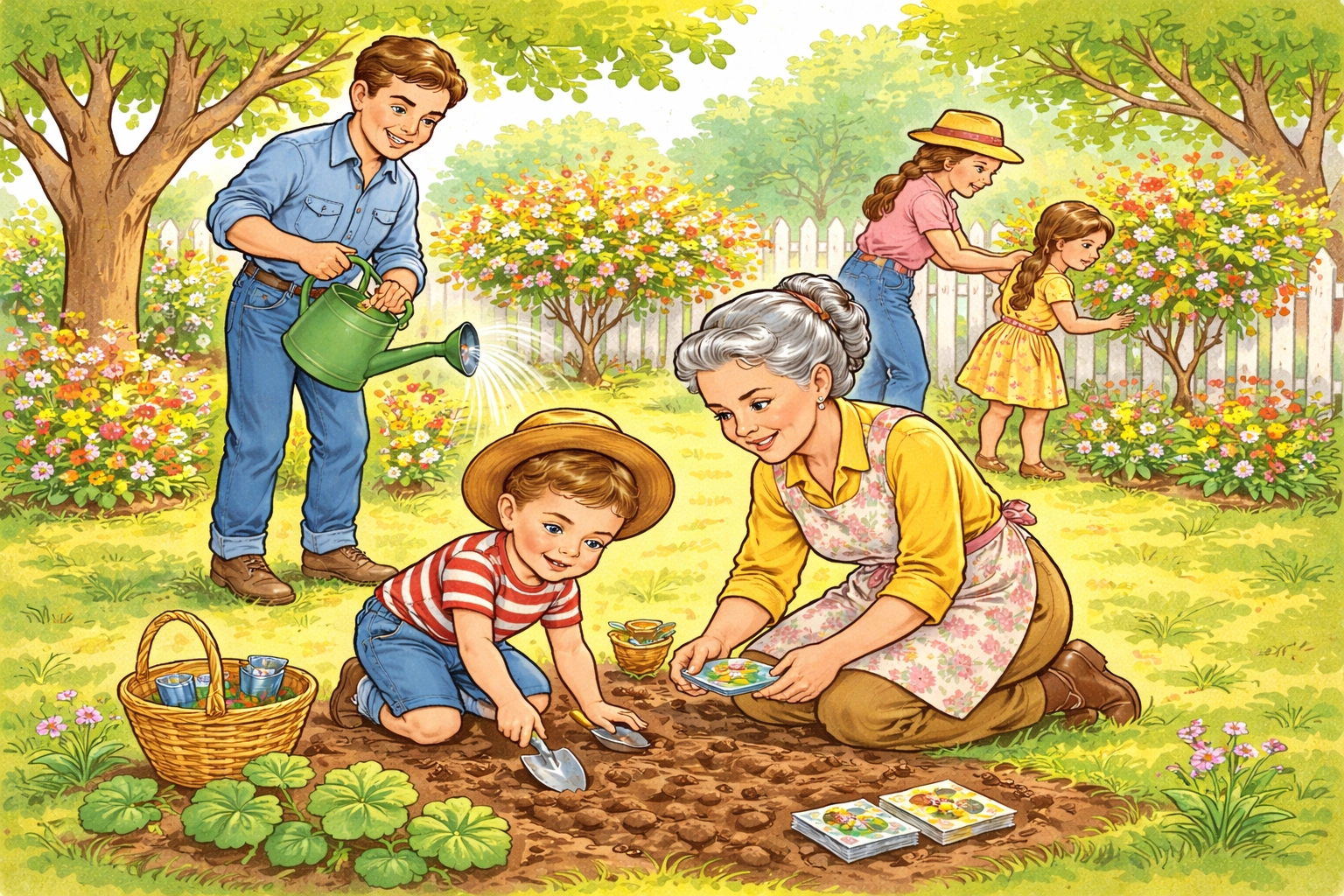
Here's what happens when families garden together:
- Real conversations happen. The relaxed outdoor setting removes pressure. Kids open up while watering. Parents share stories while weeding. There's no agenda: just connection.
- Everyone contributes. From the youngest helper carrying a watering can to the oldest family member sharing tips, each person has a role. That shared responsibility builds teamwork.
- You celebrate together. That first ripe strawberry? The sunflower that finally blooms? These small victories become family memories that stick.
The garden strips away distractions and creates space for the kind of quality time that's increasingly rare in our busy lives.
Building Your Family Garden Team: Assigning Age-Appropriate Tasks
One of the secrets to successful family gardening is making sure everyone has a job they can handle: and feel proud of. Here's a simple breakdown:
Little Helpers (Ages 2-5)
- Watering plants with a small can
- Dropping seeds into holes
- Picking ripe vegetables
- "Taste testing" safe herbs and veggies
Growing Gardeners (Ages 6-10)
- Digging and preparing soil
- Planting seedlings
- Pulling weeds (with guidance)
- Measuring plant growth and keeping a garden journal
Junior Experts (Ages 11+)
- Planning garden layouts
- Researching plant varieties
- Managing pest control naturally
- Leading younger siblings in tasks
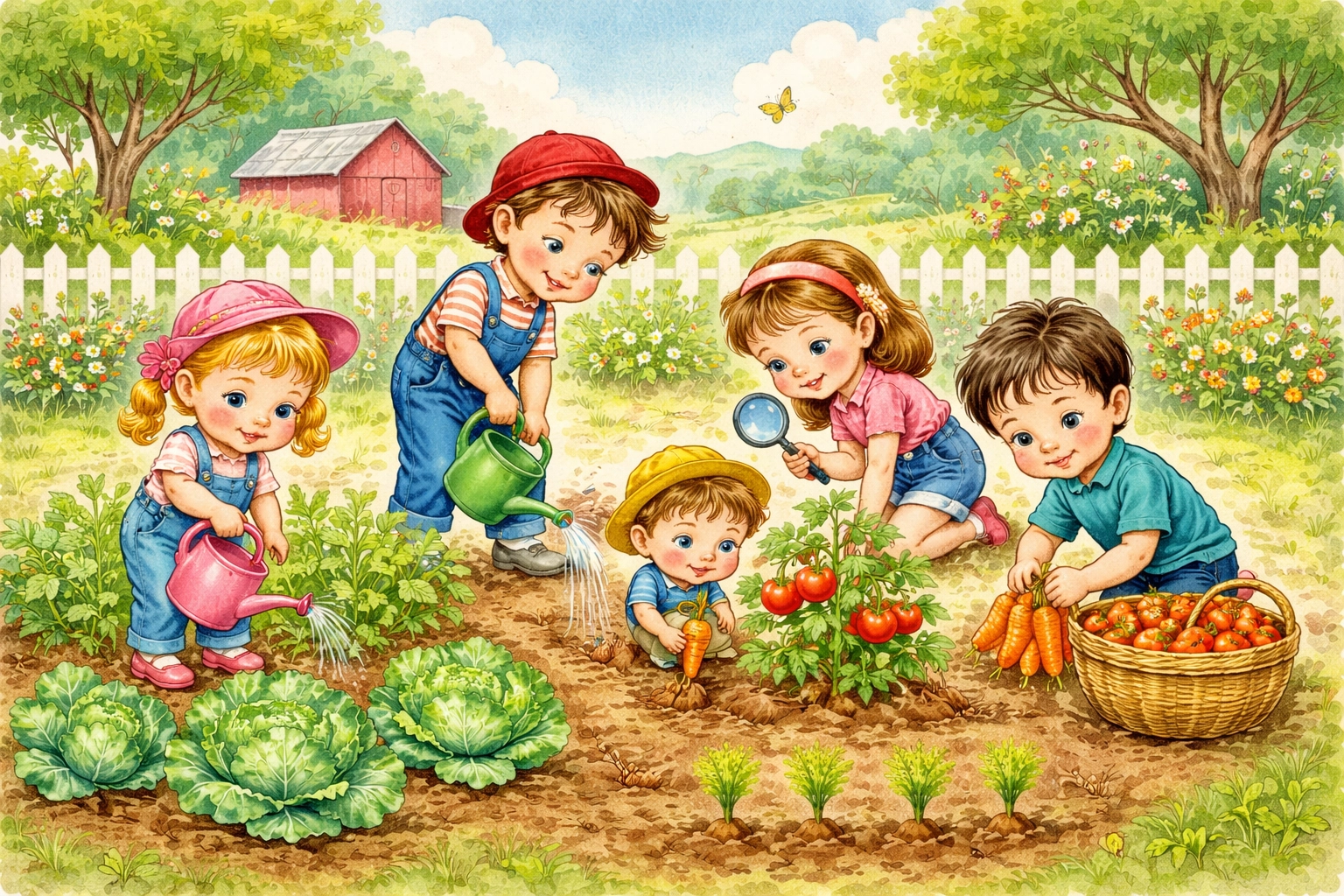
The key is rotating tasks throughout the season so everyone gets to experience different parts of the gardening journey: from the anticipation of planting to the satisfaction of harvest.
Spring: The Season of New Beginnings
Spring is when the excitement builds. The ground thaws, seed catalogs arrive, and families gather around the kitchen table to plan what they'll grow.
Make it a family affair:
Hold a seed selection meeting. Let each family member choose one plant they're excited to grow. Maybe your daughter wants sunflowers. Your son is all about pumpkins. You're dreaming of fresh basil. Everyone gets a vote.
Create a garden map together. Grab some paper and crayons and sketch out where everything will go. Kids love seeing their ideas take shape on paper before they go into the ground.
Start seeds indoors as a team. Fill containers with soil, drop in seeds, and label them with each family member's name. Checking on "your" seedlings each morning becomes a daily bonding ritual.
Spring planting teaches patience and anticipation: valuable lessons that extend far beyond the garden bed.
Summer: The Season of Growth and Discovery
Summer is when the magic becomes visible. Plants shoot up, flowers bloom, and the garden transforms into a living classroom.
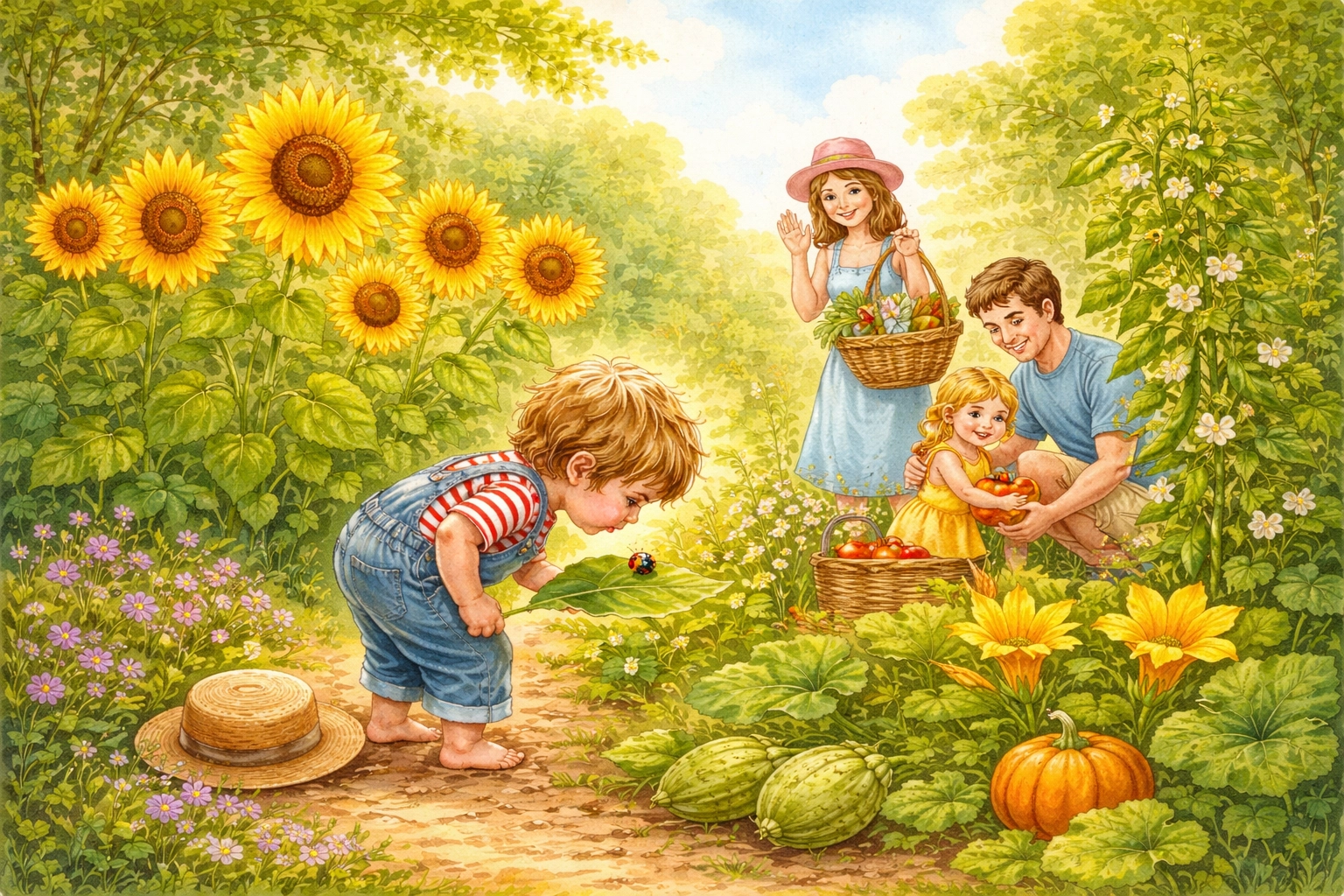
Ways to bond during the growing season:
Morning garden walks. Make it a habit to check the garden together before breakfast. What's new? What's changed? Kids develop observation skills while you share peaceful moments before the day gets busy.
Problem-solve as a team. Aphids on the beans? Yellowing leaves? Instead of fixing it yourself, involve the kids in researching solutions. "Let's figure this out together" is a powerful phrase.
Harvest celebrations. When you pick that first zucchini or pull up a carrot, make it an event. Ring a bell. Do a silly dance. Take a photo. These small celebrations create memories that last.
Summer gardening also teaches kids about responsibility. When plants depend on you for water and care, showing up matters: a lesson that translates to every area of life.
Fall: The Season of Abundance and Gratitude
Fall harvest is the payoff for all that spring and summer work. It's also a perfect time to reflect on what you've accomplished together.
Family activities for fall:
Cook together with your harvest. There's nothing quite like eating food you grew yourself. Let kids help wash vegetables, tear lettuce, or stir a pot of homemade tomato sauce.
Save seeds for next year. Show kids how to collect and dry seeds from your best plants. It's a lesson in cycles, planning ahead, and hope for the future.
Put the garden to bed together. Clearing spent plants, adding compost, and covering beds with mulch might sound like chores: but when the whole family pitches in, it becomes a closing ceremony for the season.
Take time to talk about what worked, what didn't, and what you want to try next year. These reflection conversations help kids develop critical thinking skills while reinforcing that learning from mistakes is part of growing.
Winter: The Season of Planning and Dreaming
Just because the ground is frozen doesn't mean the family gardening bond has to hibernate.
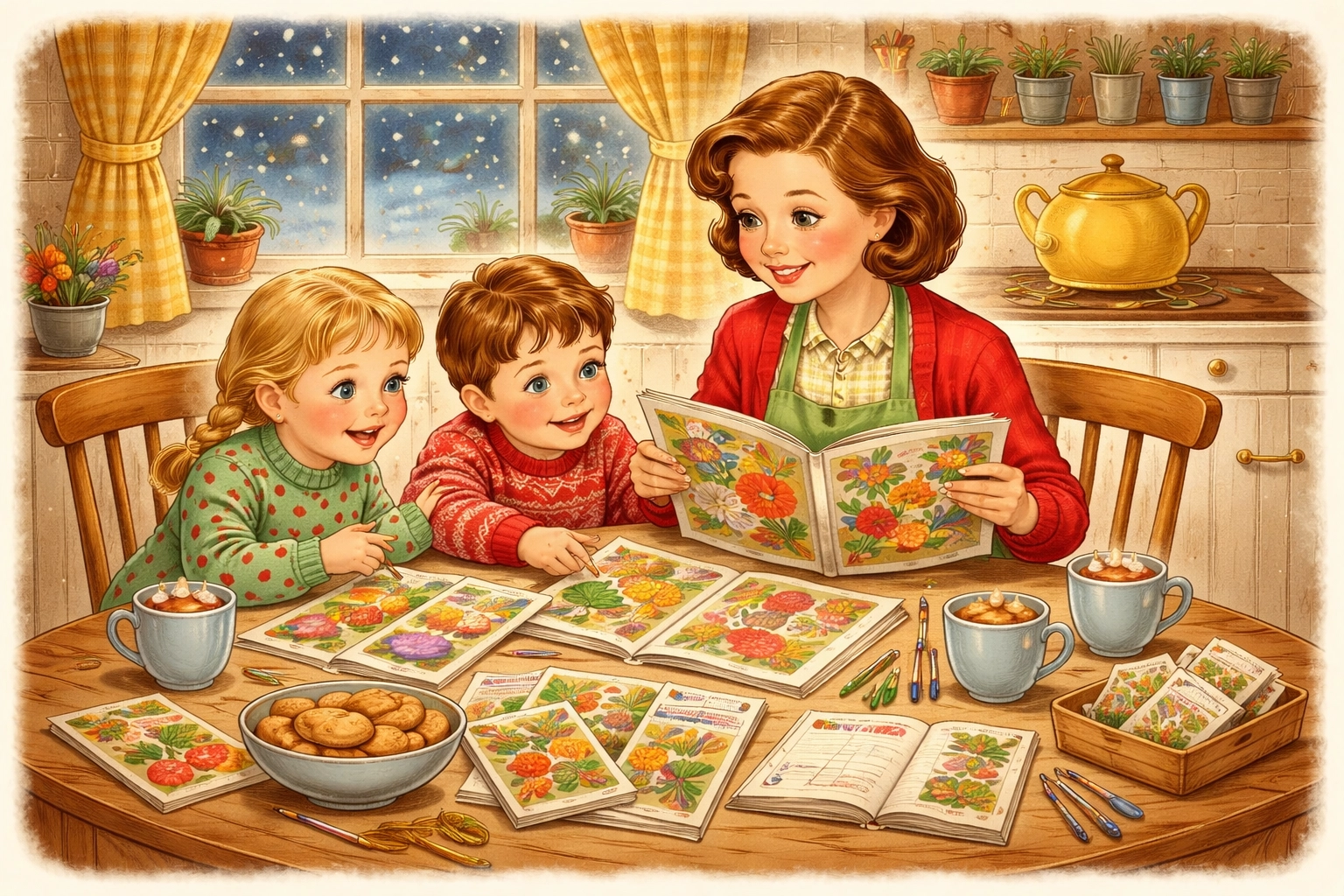
Keep the connection growing:
Browse seed catalogs together. Make it cozy: hot cocoa, blankets, and colorful pictures of vegetables and flowers. Dream big about next year's garden.
Start a garden journal. Look back at photos from the past season. What grew best? What was everyone's favorite memory? Write it down or create a scrapbook page together.
Try indoor projects. Growing herbs on a windowsill or creating a kitchen scrap regrow garden keeps little hands in the soil even when it's cold outside.
Winter is when the anticipation builds again: and that anticipation is part of the fun.
The Lasting Impact of Family Gardening
Here's what I've learned from years of gardening with my own family: the plants matter less than the time together.
Your kids probably won't remember exactly how many tomatoes you harvested in 2026. But they will remember kneeling in the dirt beside you, the smell of sun-warmed soil, the excitement of spotting the first tiny pepper, and the taste of a strawberry still warm from the garden.
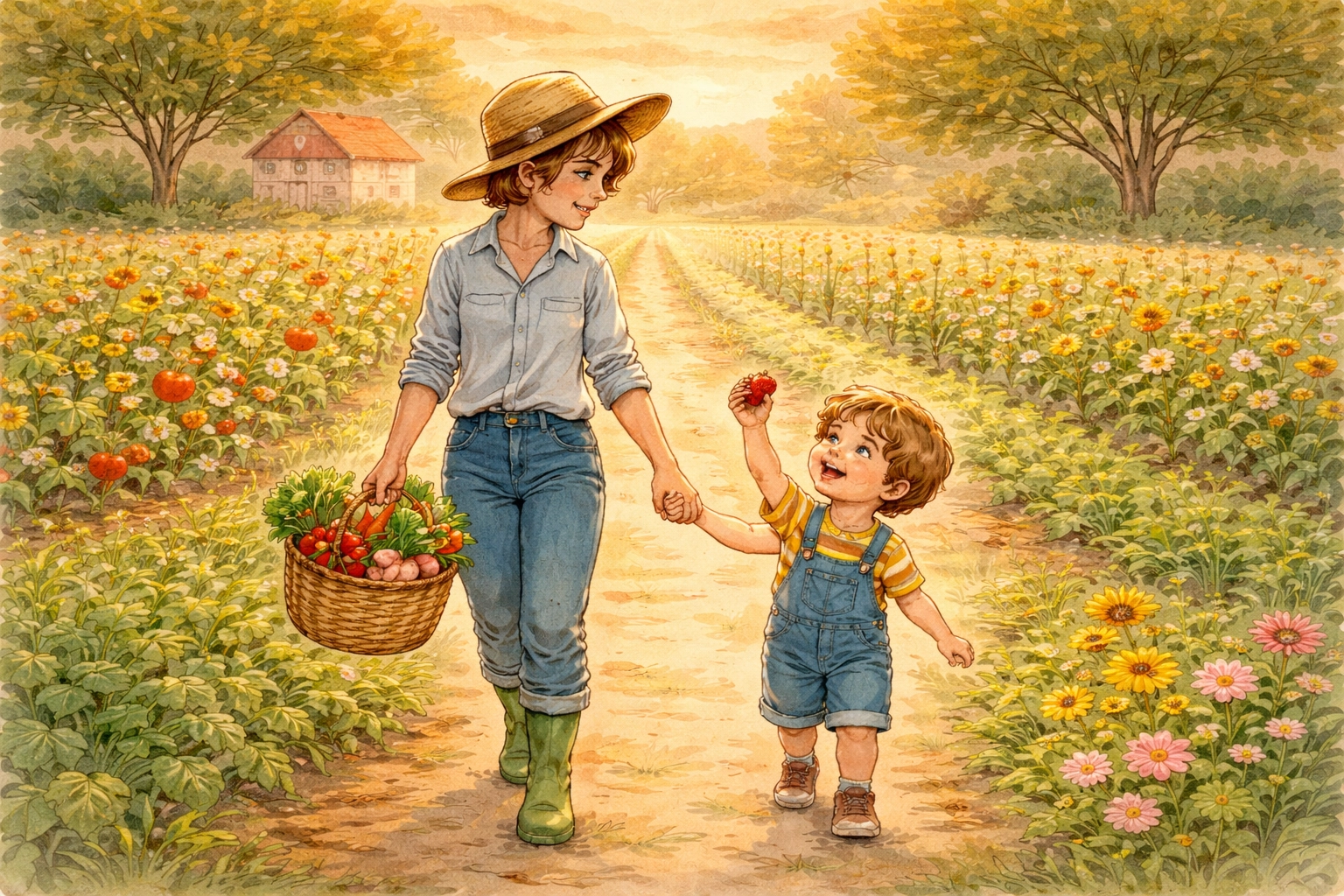
Gardening teaches patience, responsibility, problem-solving, and the satisfaction of hard work. But more than any of that, it creates a space where families can simply be together: working toward something beautiful, one season at a time.
So grab some seeds, call the kids, and head outside. Your family garden is waiting.
Quick Start: Your Family Bonding Garden Checklist
- Hold a family meeting to choose plants
- Assign age-appropriate tasks to each family member
- Create a simple garden map together
- Schedule regular "garden time" on the family calendar
- Plan a harvest celebration meal
- Start a garden journal or photo album
- Save seeds for next year's adventure
FAQ: Family Gardening and Bonding
What is the best gardening activity for a busy family? Planting "low-maintenance" crops like herbs or succulents is great. They only need a few minutes of care each week but still provide that wonderful "growing together" experience.
How can gardening help with family communication? Working side-by-side in the garden naturally leads to relaxed conversations. It’s a great time to talk about your day, share stories, and simply enjoy each other's company without distractions.
Is it okay if the kids get a little messy? Absolutely! Getting your hands in the dirt is part of the fun. Just keep a "cleaning station" (like a bucket of water and a towel) near the door to make transitioning back inside easy.
References:
- Research on family gardening and cooperative bonding activities
- Child development studies on shared responsibility and teamwork