




The short answer: Harvest your vertical garden crops when they reach peak ripeness: typically when colors are vibrant, textures are firm, and sizes match variety expectations. Use clean, sharp scissors or pruning snips to cut produce cleanly from the plant, which prevents damage and encourages continued production throughout the season.
One of the biggest perks of vertical gardening? Everything grows right at eye level. No more crawling around on your hands and knees hunting for hidden zucchini monsters or ripe tomatoes buried under a jungle of leaves. Your vertical setup puts the harvest right where you can see it: and reach it without throwing out your back.
But knowing when to pick is just as important as knowing how. Pick too early, and you miss out on flavor. Wait too long, and your plant stops producing new fruit because it thinks its job is done. Let's walk through the whole process so you can harvest like a pro.
Why Timing Your Harvest Matters
Here's the deal: most vegetable plants are programmed to reproduce. When you leave ripe fruit on the vine, the plant gets the signal that it's accomplished its mission: and it slows down or stops producing altogether.
Regular harvesting tells your plants, "Keep going! We need more!" This extends your growing season and maximizes the return on all that watering, feeding, and care you've invested.
Vertical gardens make this easy. With produce hanging at arm's length and picking view, you can spot ripe vegetables in seconds and fill your basket in minutes.

Signs Your Vegetables Are Ready to Pick
Different crops give different signals. Here's a quick guide to help you know when it's go-time:
Leafy Greens (Lettuce, Spinach, Kale)
- Lettuce: Harvest when heads feel firm and full, or pick outer leaves when they're 4-6 inches long for a cut-and-come-again approach (though some tower systems require harvesting the whole head)
- Spinach: Pick when leaves are dark green and about 3-4 inches long
- Kale: Harvest outer leaves first when they're about the size of your hand
Herbs (Basil, Mint, Chives, Oregano)
- Ready to harvest once plants are established (usually 6-8 inches tall)
- Best picked in the morning after dew dries but before afternoon heat
- Cut just above a leaf node to encourage bushier growth
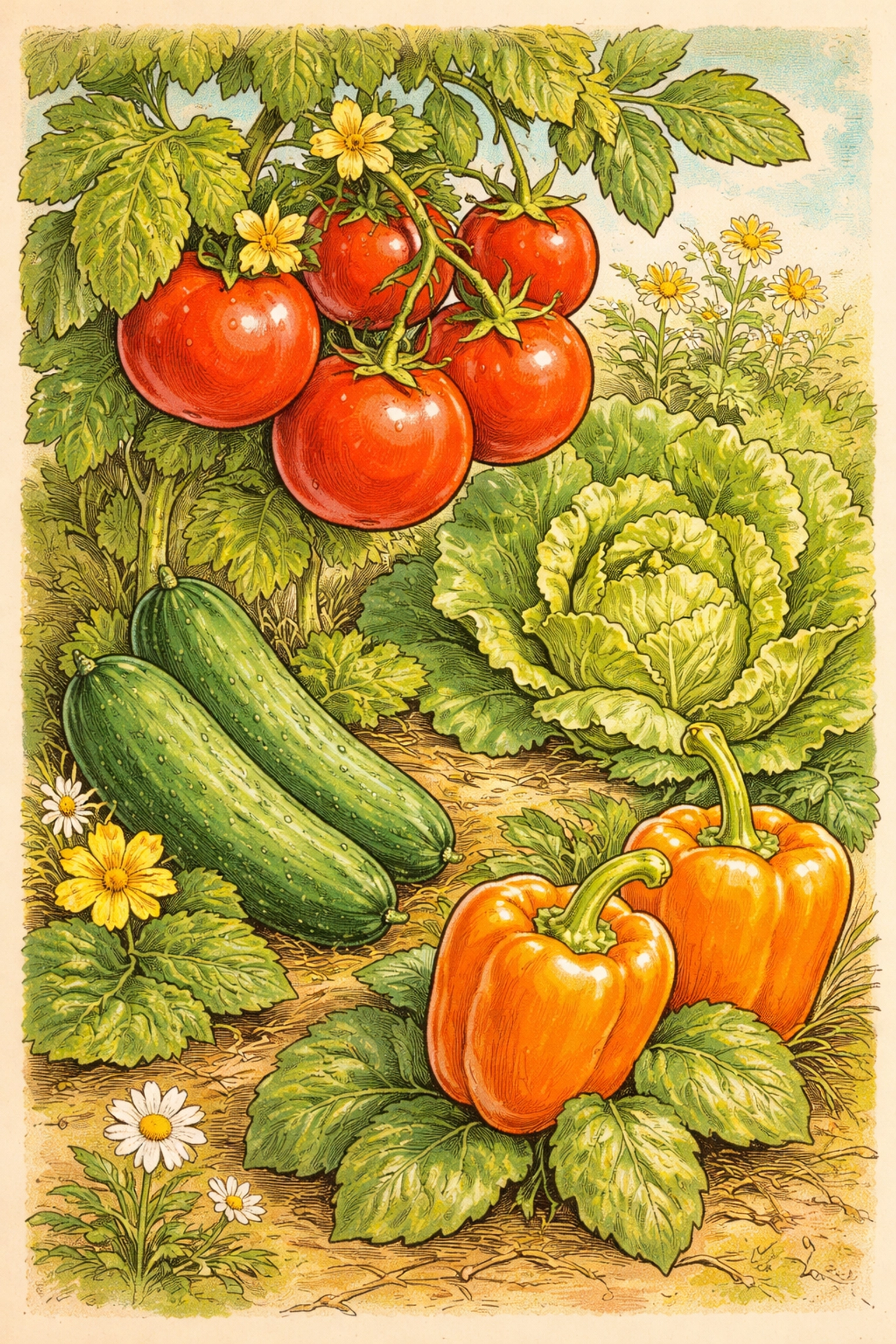
Fruiting Crops (Tomatoes, Peppers, Cucumbers)
- Tomatoes: Fully colored with slight give when gently squeezed
- Peppers: Firm and glossy at full size (green peppers) or fully colored (if waiting for red, orange, or yellow)
- Cucumbers: Dark green, firm, and 6-8 inches long for slicing varieties
Beans and Peas
- Pole beans: Pick when pods are pencil-thick but before seeds bulge
- Peas: Harvest when pods are plump but still bright green
Step-by-Step: How to Harvest Your Vertical Garden
Follow these simple steps to harvest correctly and keep your plants happy and productive.
Step 1: Gather Your Tools
Before you head to your vertical garden, grab these essentials:
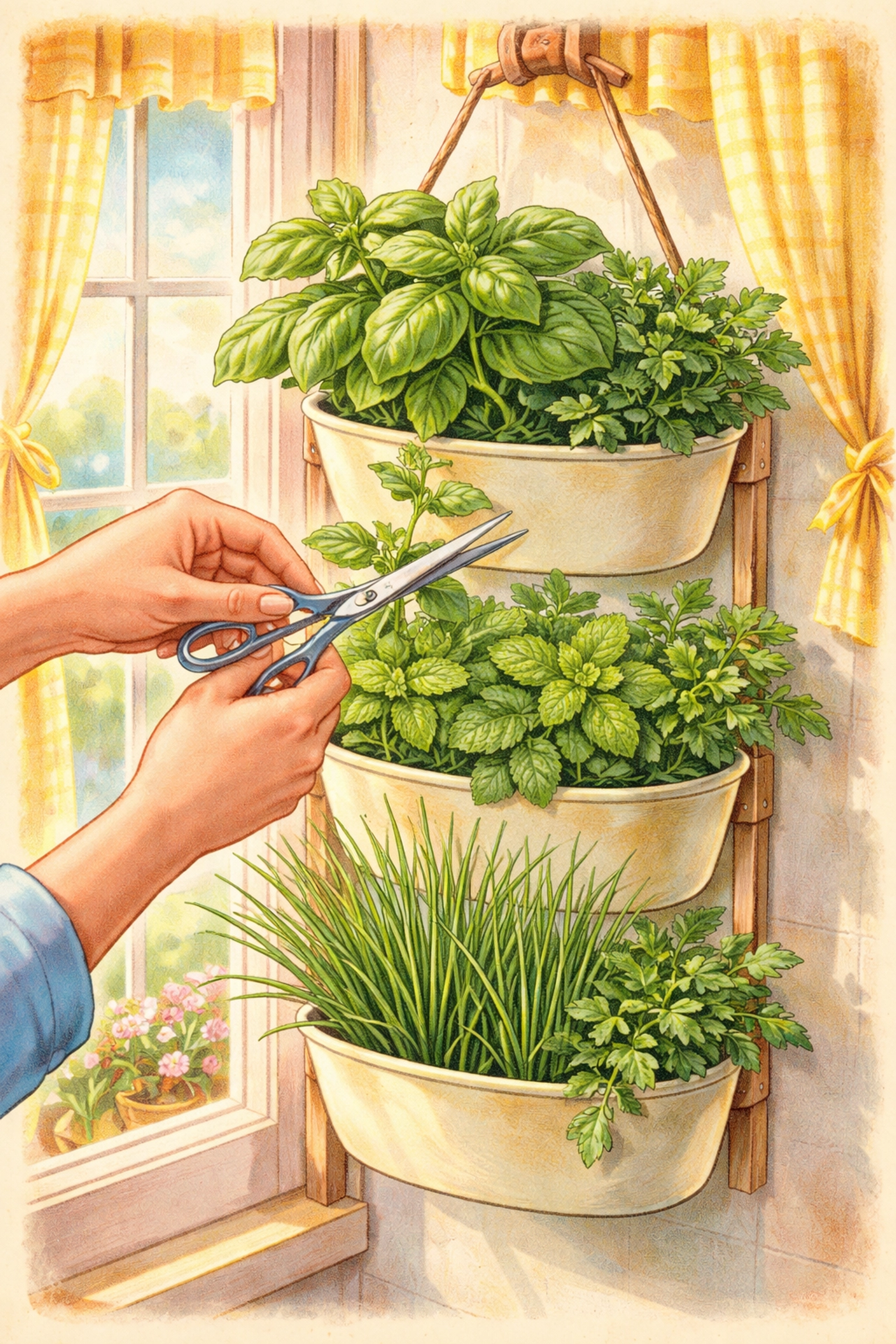
- Clean, sharp scissors or pruning snips
- A basket or bowl for collecting
- Optional: gardening gloves (especially for prickly crops like cucumbers)
Step 2: Inspect at Eye Level
Walk along your vertical structure and scan for ripe produce. The vertical arrangement gives you clear visibility: take advantage of it! Look for the ripeness indicators we covered above.
Step 3: Make Clean Cuts
Use your sharp scissors or snips to cut stems cleanly. For most vegetables, cut about 1/4 inch above the fruit or leaf connection point. A clean cut prevents tearing, which can invite disease into the plant.
Pro tip: A sharp knife works great for leafy greens in tower systems: slide the blade along the face of the tower to harvest the entire head.
Step 4: Handle With Care
Place harvested produce gently in your basket. Bruised vegetables spoil faster and don't taste as good. This is especially important for tender items like tomatoes and leafy greens.
Step 5: Check for Missed Produce
Do a second pass! It's easy to miss ripe vegetables hiding behind leaves, even in a vertical setup. Overlooked ripe produce signals the plant to stop producing.
Step 6: Harvest Regularly
Make harvesting a habit: every 1-2 days during peak season for most crops. Regular picking keeps your plants in production mode and ensures you're eating everything at peak flavor.
Budget Harvesting Tool Kit (Under $10)
You don't need fancy equipment to harvest effectively. Here's everything you need without breaking the bank:
| Item | Estimated Cost | Where to Find |
|---|---|---|
| Pruning snips or scissors | $3-5 | Dollar store, hardware store |
| Small harvest basket or bowl | $1-2 | Dollar store, thrift store |
| Gardening gloves (optional) | $1-2 | Dollar store |
| Total | $5-9 |
That's it! A sharp cutting tool is the most important investment. Dull blades tear plant tissue, leaving wounds that invite pests and disease.
Harvesting Tips by Crop Type
Leafy Greens
For tower systems, use a sharp knife to harvest the entire head by sliding the blade along the face of the tower. Unlike some crops, lettuce in tower systems often requires complete replanting after harvest rather than cut-and-come-again methods. For traditional vertical planters, you can often harvest outer leaves and let the center continue growing.
Herbs
Fast-growing herbs like chives, mint, and oregano can be harvested repeatedly since they regrow from their root stock. Cut them back to the base of the tower or container using sharp clippers, and they'll bounce back quickly once established. Regular harvesting actually makes herbs bushier and more productive.
Vine Crops
With trellised tomatoes, cucumbers, and beans, fruit hangs at arm's reach for easy picking. If you're using cages (like concrete reinforcement wire), the square openings allow you to reach through and harvest directly. Support heavy fruit with one hand while cutting with the other to prevent stem damage.
Benefits of Vertical Garden Harvesting
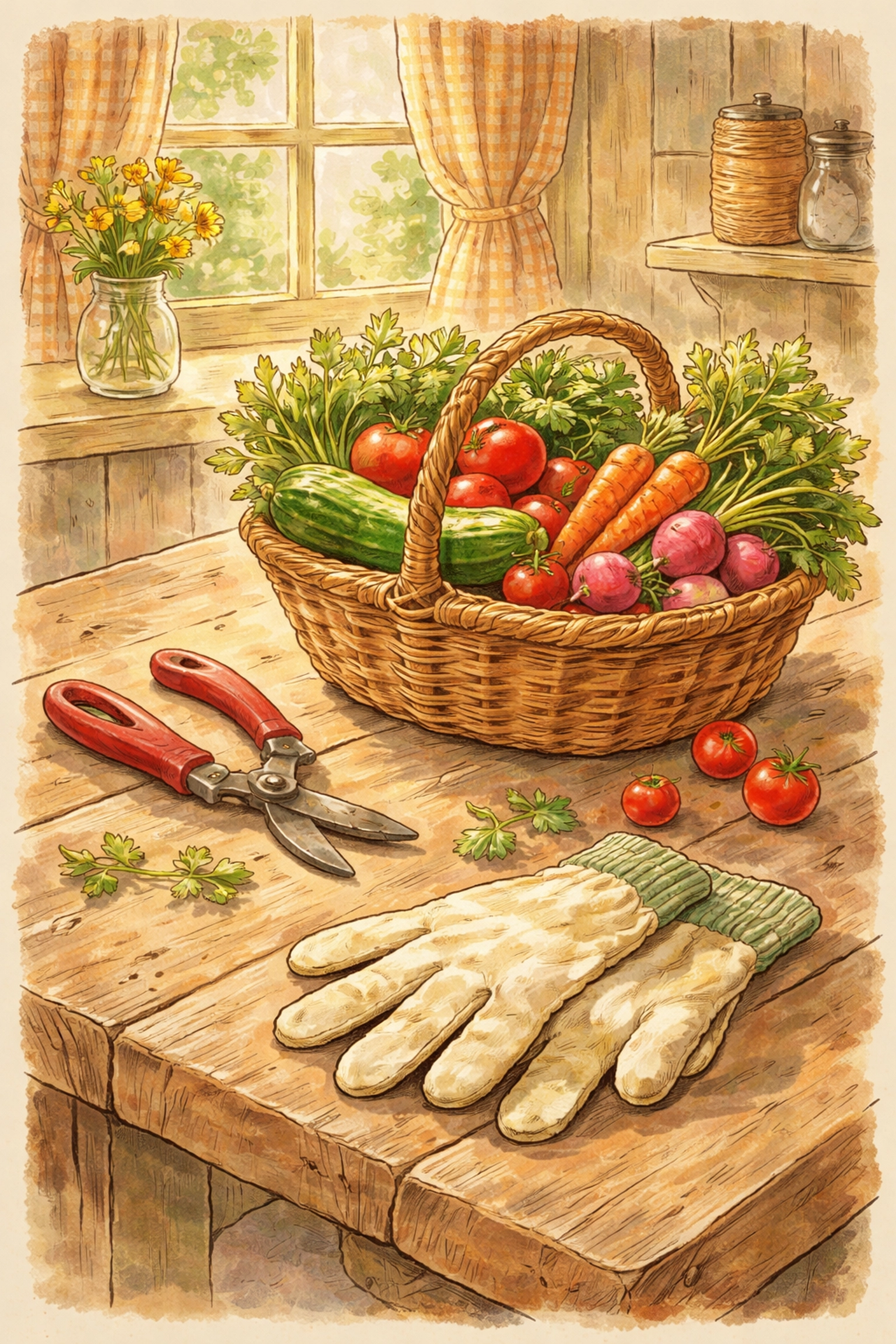
Beyond the convenience factor, harvesting from vertical gardens offers some real advantages:
- Better visibility: Produce hangs in plain sight instead of hiding under foliage
- Easier on your body: Standing upright beats bending and kneeling
- Faster harvesting: Fill your basket in minutes, not hours
- Reduced disease: Better air circulation through vertically arranged stems and leaves means healthier plants and cleaner produce
- Family-friendly: Kids can easily help when everything's at their level too
If you're looking to set up your own space-efficient growing area, check out our guide on how much space you need for a productive hydroponic garden.
Frequently Asked Questions
What time of day is best for harvesting?
Morning is ideal: after dew dries but before afternoon heat. Vegetables are crispest and most hydrated in the morning, and herbs have the highest concentration of essential oils.
How do I know if I waited too long to harvest?
Overripe vegetables often have dull colors, soft spots, visible seeds through the skin (like cucumbers), or tough, fibrous texture. When in doubt, harvest a day early rather than a day late.
Can I harvest in the rain?
It's best to wait. Wet plants are more susceptible to disease transmission, and wet produce spoils faster.
How often should I harvest my vertical garden?
During peak season, check every 1-2 days. Leafy greens and herbs can often go 3-4 days between harvests, while tomatoes, beans, and cucumbers need more frequent attention.
Do I need to wash vegetables right after picking?
Only wash what you're eating immediately. Moisture promotes spoilage, so store unwashed produce and rinse just before use.
Why are my plants slowing down production?
The most common reason is missed ripe produce. Do a thorough check for overlooked vegetables. Also consider whether plants need more water, nutrients, or if they're reaching end of season.
What should I do with damaged or overripe produce?
Add it to your compost! If you're making a DIY worm composting bin with your kids, your worms will love the scraps.
Can kids help with harvesting?
Absolutely! Vertical gardens are perfect for little helpers since produce grows at accessible heights. Give them a small basket and let them collect the easy stuff like cherry tomatoes and beans.
References
- Gardening Know How – Vertical Garden Harvesting Techniques
- University Extension Services – Vegetable Harvest Timing Guidelines
- The Spruce – Benefits of Vertical Vegetable Gardening
- Old Farmer's Almanac – When to Harvest Garden Vegetables
- Fine Gardening – Proper Pruning and Harvesting Methods