



A pie pan bird bath requires four holes, string, and a tree branch.
That's it.
Kids punch holes in the corners of a pie plate. They thread string through each hole. The plate hangs level from a branch. Water goes in. Birds arrive.
The entire project takes less than 30 minutes. No power tools. No permanent installations. No complicated instructions.
This guide covers everything needed to complete the project safely and successfully.
What Materials Are Needed for a Pie Pan Bird Bath?
The supply list is short.
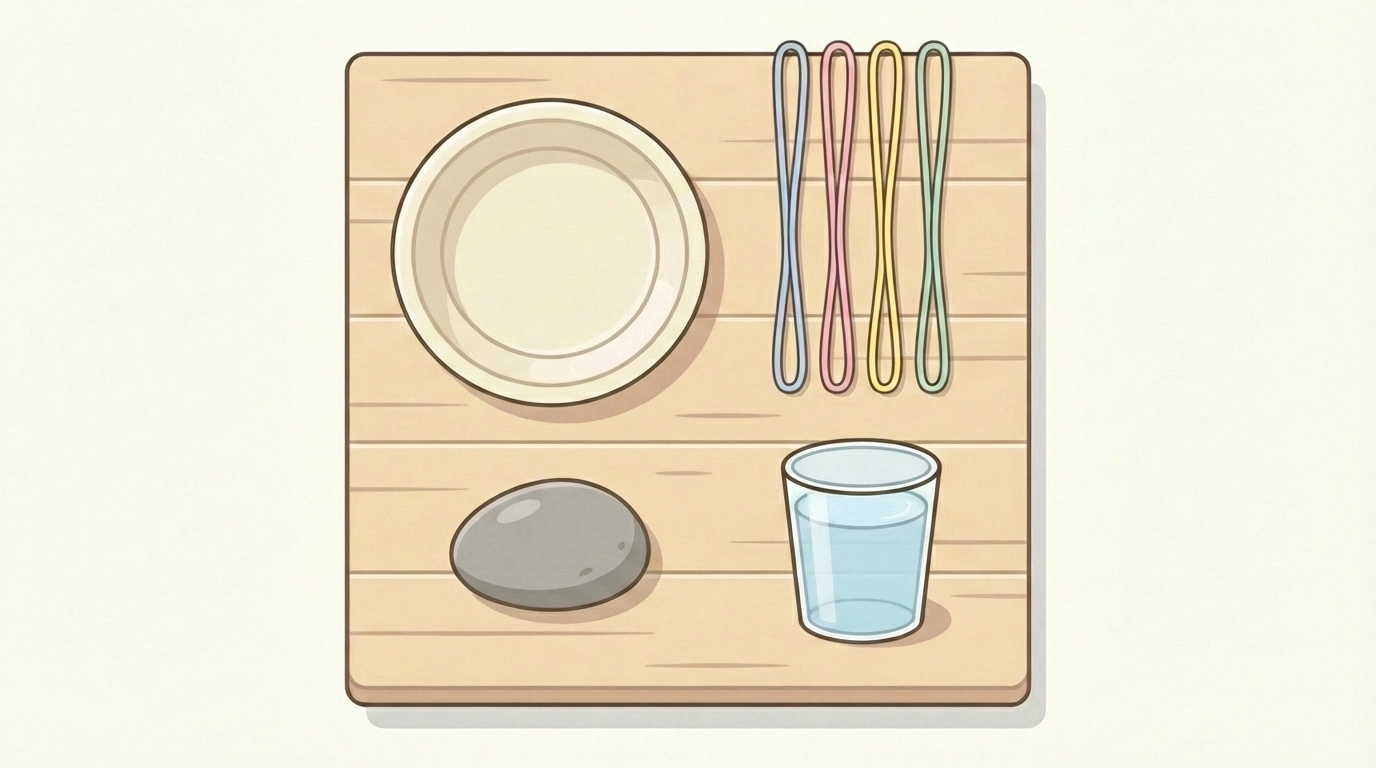
Essential materials:
- One pie plate (aluminum or ceramic)
- Four pieces of string or yarn (each about 18 inches long)
- One small rock
- Water
Optional additions:
- Sandpaper (for slippery surfaces)
- Decorative paint (non-toxic, outdoor-safe)
- Small pebbles or marbles
Most households already have these items. A trip to the store is rarely necessary.
The pie plate serves as the basin. String creates the hanging mechanism. The rock provides weight and a perching spot. Water attracts the birds.
Simple components. Simple assembly.
What Type of Pie Pan Works Best?
Not all pie pans are suitable.
Recommended options:
- Ceramic pie dishes
- Thick aluminum plates
- Glass baking dishes
Pans to avoid:
- Thin metal that rusts
- Pans with sharp edges
- Coated surfaces that chip
Rust poisons birds. Sharp edges cause injury. Chipping coatings contaminate water.
Ceramic works best for durability and safety. Aluminum works if it's thick enough to hold shape when filled with water.
The pan should measure at least 8 inches in diameter. Larger pans hold more water but weigh more when full. A 9-inch pie plate strikes the ideal balance.
Depth matters. The pan should hold approximately 2 inches of water. Deeper water drowns small birds. Shallower water evaporates too quickly.
How Do Kids Punch Holes in the Pie Plate?
Hole placement determines whether the bath hangs level.
The process:
- Mark four spots equidistant from the center
- Position marks about half an inch from the rim
- Use a hole punch, nail, or sharp object to create openings
- Smooth any rough edges
Adult supervision is required for this step. Sharp tools and pressure create safety concerns.
A standard hole punch works for thin aluminum. A hammer and nail work for thicker materials. Ceramic requires a drill with the appropriate bit.
Holes that are too close to the edge cause the rim to tear. Holes that are too far from the edge make threading difficult.
Quarter the plate visually. Each hole sits in one quadrant, the same distance from the center. Symmetry ensures balance.
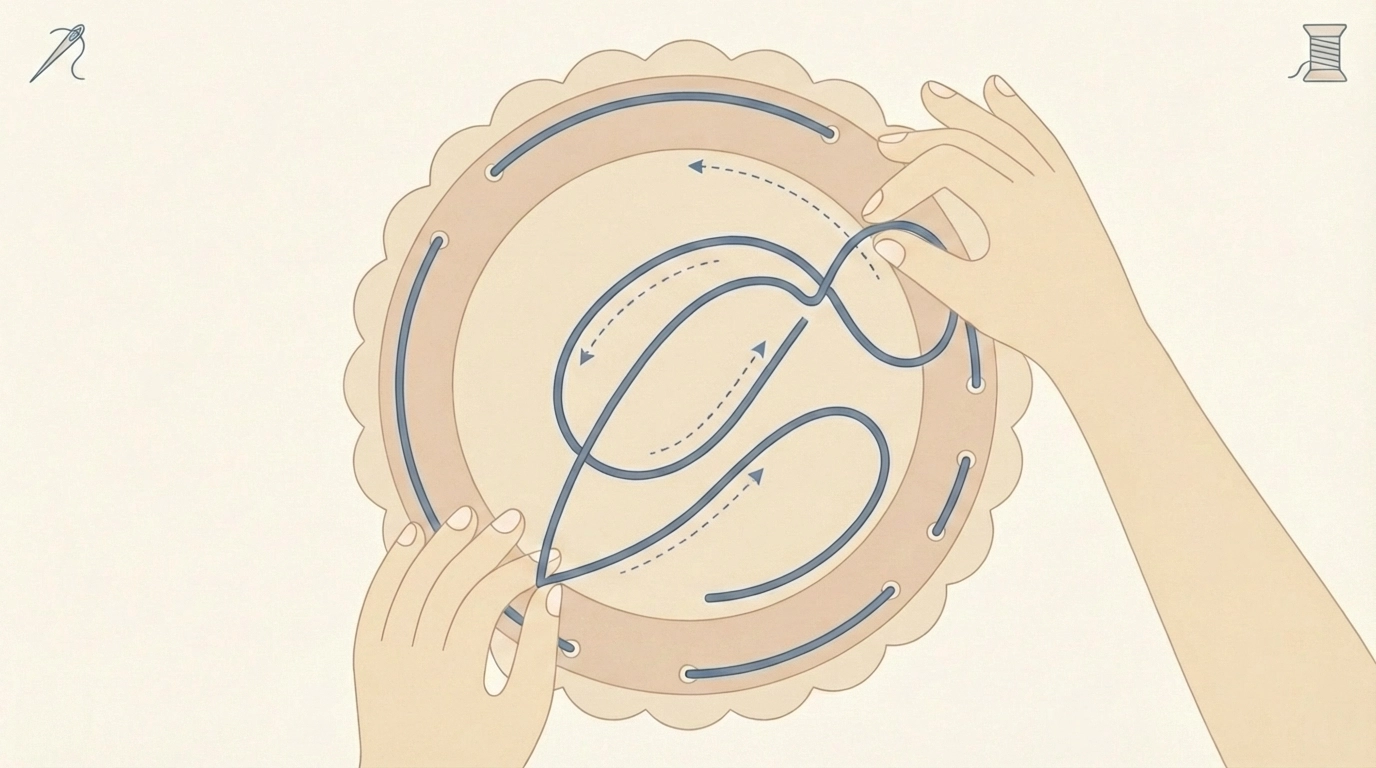
How Is the String Attached?
Threading creates the suspension system.
Step-by-step attachment:
- Cut four pieces of string to equal lengths
- Thread one string through each hole
- Tie a secure knot below each hole
- Gather all four strings above the plate
- Tie them together at the top
The knots below each hole prevent the string from pulling through. The knot at the top creates a single attachment point.
String length determines hanging height. Eighteen-inch strings work for most situations. Longer strings allow for lower hanging positions.
The plate must hang level. Uneven string lengths cause tilting. Tilting causes water spillage.
Test the balance before hanging outside. Fill the plate with water. Hold by the top knot. Adjust individual string lengths if one side dips.
String alternatives:
- Yarn (natural fibers preferred)
- Twine
- Thin rope
- Ribbon (outdoor-rated)
Avoid nylon or synthetic materials that become slippery when wet.
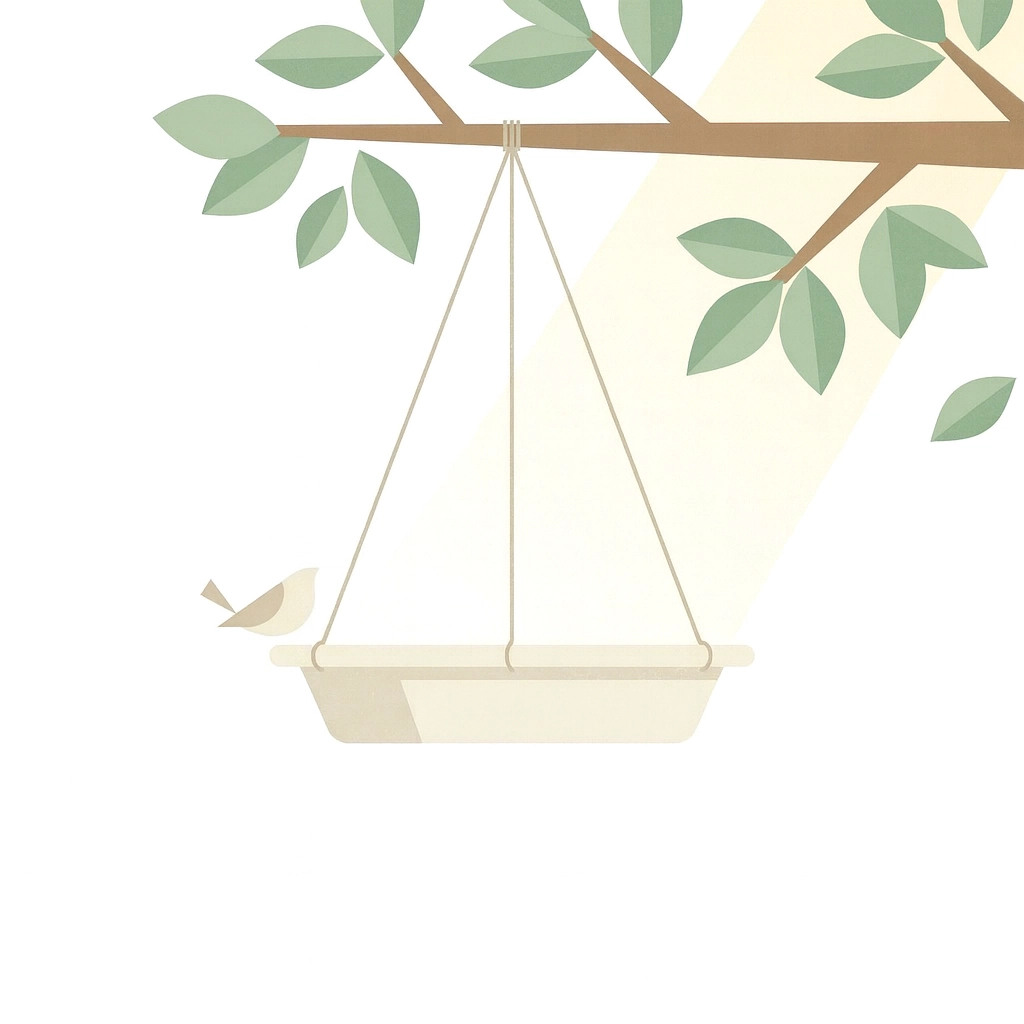
Where Should the Bird Bath Hang?
Location affects bird activity.
Ideal hanging spots:
- Sturdy tree branches
- Porch overhangs
- Shepherd's hooks
- Pergola beams
Locations to avoid:
- Direct sunlight (accelerates evaporation and algae growth)
- Near windows (collision risk)
- Close to dense shrubs (predator hiding spots)
- High-traffic areas
Birds prefer locations with nearby perching options. A branch within 10 feet of the bath gives birds a staging area. They observe the bath before approaching.
Height matters. Three to four feet off the ground works well. Too high makes refilling difficult. Too low exposes birds to ground predators.
Shade extends water freshness. Partial shade is ideal. Complete shade may prevent the area from drying after rain.
What Goes Inside the Bird Bath?
Water alone is insufficient.
Required additions:
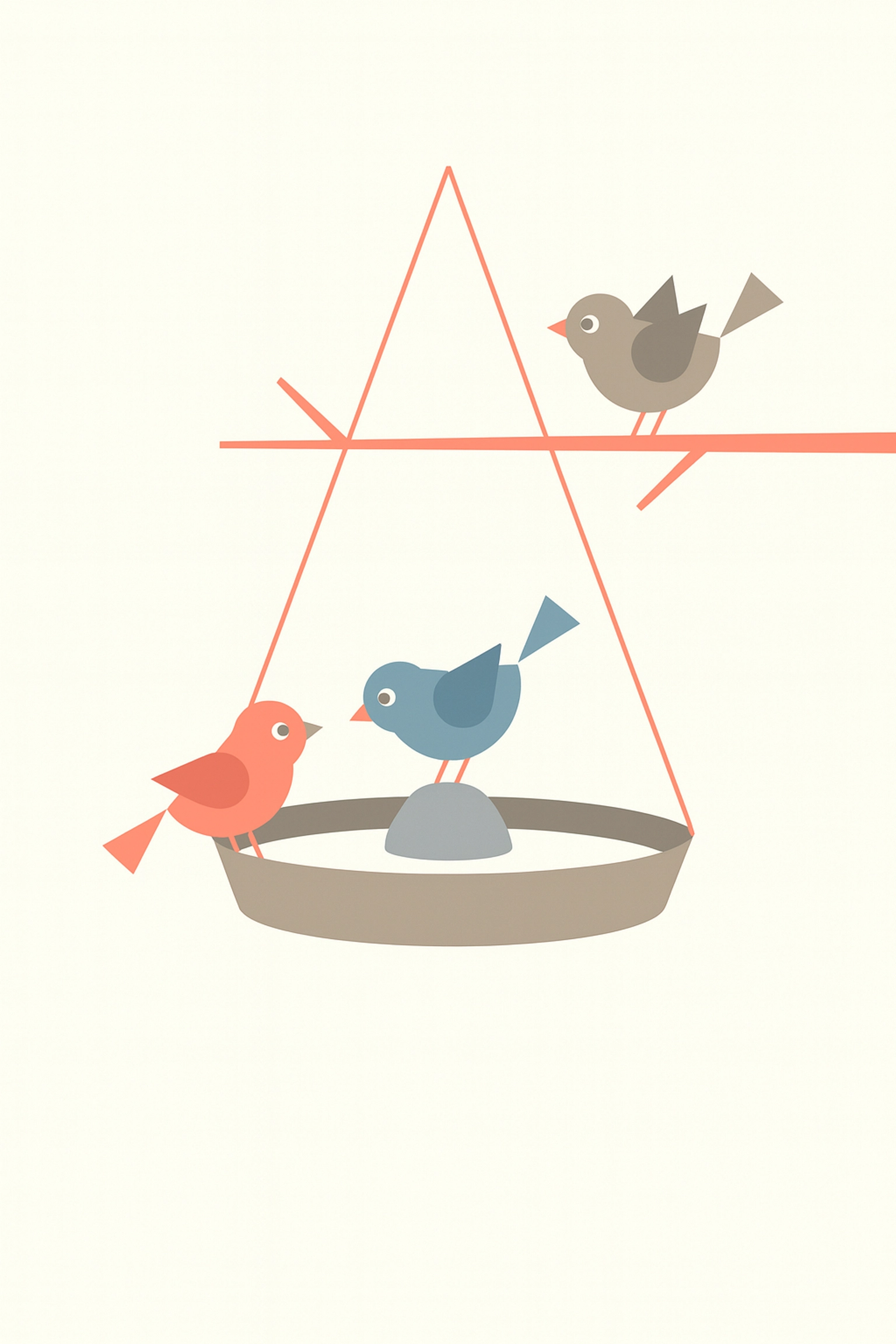
- One small rock in the center
- Fresh water filled to 2 inches deep
The rock serves multiple purposes. It weighs down the pan in wind. It provides a landing spot for small birds. It gives birds a place to stand in shallow water.
Small birds cannot use deep water safely. The rock creates a shallow zone. Birds perch on the rock and lean down to drink.
Optional enhancements:
- Small pebbles scattered across the bottom
- A larger flat stone for additional perching
- Marbles for visual interest (and traction)
Pebbles create texture. Smooth pie plates are slippery. Birds struggle to grip the surface. Sanding the interior with sandpaper also solves this problem.
Water temperature stays cooler with a rock absorbing heat. This extends the time between water changes.
How Often Does the Water Need Changing?
Daily water changes are ideal.
Stagnant water breeds mosquitoes. Algae grows within days. Bird droppings contaminate the supply.
Maintenance schedule:
- Check water level daily
- Replace water every 1-2 days
- Scrub the pan weekly
- Inspect string monthly for wear
Hot weather accelerates evaporation and contamination. Summer may require twice-daily checks. Winter slows these processes.
A stiff brush removes algae and buildup. Avoid soap and chemical cleaners. Residue harms birds.
Rinse thoroughly after scrubbing. Refill with fresh water. Return to hanging position.
The string weakens over time. Sun exposure and moisture cause deterioration. Replace string at the first sign of fraying.
What Birds Will Visit a Pie Pan Bath?
Small songbirds are the primary visitors.
Common visitors:
- Sparrows
- Finches
- Chickadees
- Wrens
- Warblers
Larger birds may attempt to use the bath. The pan's size and weight capacity limit these visits. A robin might land briefly. A crow will likely avoid it.
Hummingbirds visit shallow water sources. The 2-inch depth accommodates them. The rock gives them a perching option they rarely find elsewhere.
Bird activity increases over time. New installations see few visitors initially. Birds need time to discover and trust the water source.
Consistency matters. A bath that disappears and reappears confuses birds. Keep the bath in place and maintained for best results.
What Safety Considerations Apply to This Project?
Adult supervision is non-negotiable for certain steps.
Tasks requiring adult help:
- Punching or drilling holes
- Hanging the bath at height
- Handling any sharp edges
Child-appropriate tasks:
- Measuring and cutting string
- Threading string through holes
- Tying knots
- Adding rocks and water
- Daily maintenance
The project teaches responsibility. Children learn to care for wildlife. They observe cause and effect. They develop routine habits.
Younger children handle simpler tasks. Older children manage more of the process independently. The project scales to ability level.
How Can the Bird Bath Be Decorated?
Decoration is optional but engaging for children.
Safe decoration methods:
- Non-toxic outdoor paint on the exterior
- Adhesive gems (secured with outdoor-rated glue)
- Stickers designed for outdoor use
What to avoid:
- Paint on interior surfaces
- Loose decorations that could fall into water
- Materials that degrade in moisture
Exterior decoration poses no risk to birds. Interior decoration contaminates water.
Let paint cure fully before adding water. Most outdoor paints require 24-48 hours. Check manufacturer instructions.
Personalization increases investment. Children care more for projects they customize. Decorated baths receive better maintenance.
What Makes This Project Valuable for Kids?
The bird bath teaches practical skills.
Learning outcomes:
- Basic tool use
- Measurement and symmetry
- Knot tying
- Animal care responsibility
- Observation habits
Children watch birds arrive. They notice patterns. They learn which species visit and when. They see the impact of their work.
The project connects indoor learning to outdoor results. Abstract concepts become tangible. Responsibility becomes rewarding.
A pie pan bird bath costs almost nothing. The educational value is significant. The wildlife benefit is real.
Birds need water sources. Children need meaningful projects. A pie pan solves both needs.