



Hydroponic peppers grow faster and produce more fruit than soil-grown plants.
No dirt required.
The process involves selecting a variety, germinating seeds, maintaining proper temperature and humidity, and providing nutrients through water. Most varieties reach harvest in 50–80 days.
Peppers thrive in hydroponic systems because roots receive direct access to nutrients and oxygen. The controlled environment eliminates many common garden pests and diseases.
Home growers can produce bell peppers, jalapeños, habaneros, and dozens of other varieties year-round: regardless of outdoor climate.
What Are the Best Pepper Varieties for Hydroponics?
Compact varieties perform best in home systems.
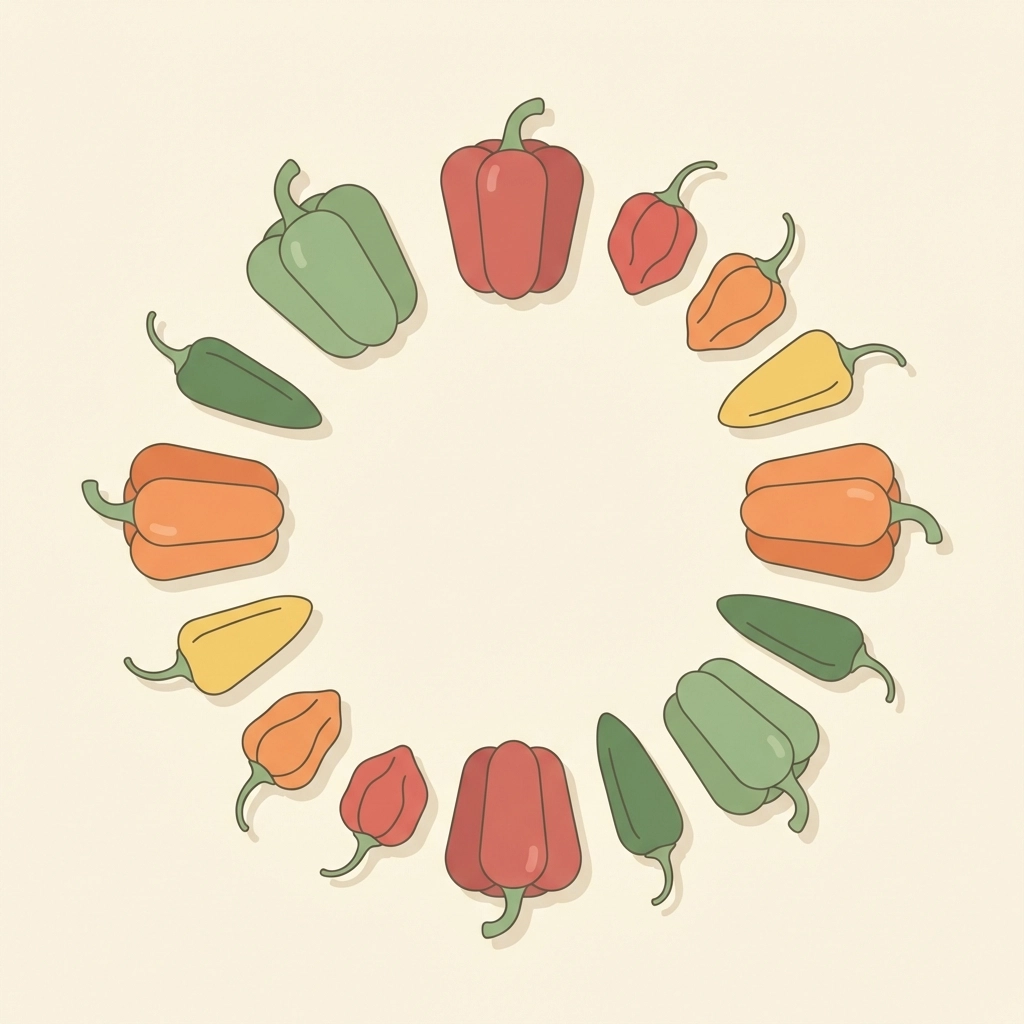
Bell peppers remain the most popular choice. They start green and mature to red, yellow, orange, or purple. Harvest time runs 60–90 days.
Jalapeños grow quickly and produce abundantly. Compact plants fit smaller systems. Harvest begins around 70 days.
Sweet banana peppers offer mild heat and prolific yields. Plants stay manageable in size.
Habaneros and ghost peppers work for heat seekers. These require longer growing times: up to 150 days.
Mini sweet peppers suit family gardens. Kids enjoy their small size and mild flavor.
The selection depends on two factors:
- Available space
- Heat preference
What Supplies Are Needed to Start?
A basic hydroponic pepper setup requires these components:
Growing System
- Deep water culture (DWC) buckets
- Kratky jars for beginners
- NFT channels for larger operations
- Drip systems for multiple plants
Growing Medium
- Rockwool cubes
- Perlite
- Coco coir
- Clay pebbles
Lighting
- Full-spectrum LED grow lights
- 14–16 hours of light daily
- Minimum 300 watts for fruiting plants
Environmental Controls
- Thermometer
- Hygrometer
- Small fan for circulation
Nutrients and Testing
- Hydroponic nutrient solution for fruiting crops
- pH meter or test strips
- EC/TDS meter
- pH adjustment solutions
Budget setups start around $50–100.
Intermediate systems run $150–300.
How Do Seeds Get Started for Hydroponics?
Germination happens before transplanting to the main system.
Pre-soaking
Drop seeds in lukewarm water overnight. This softens the seed coat and speeds germination.
Planting Depth
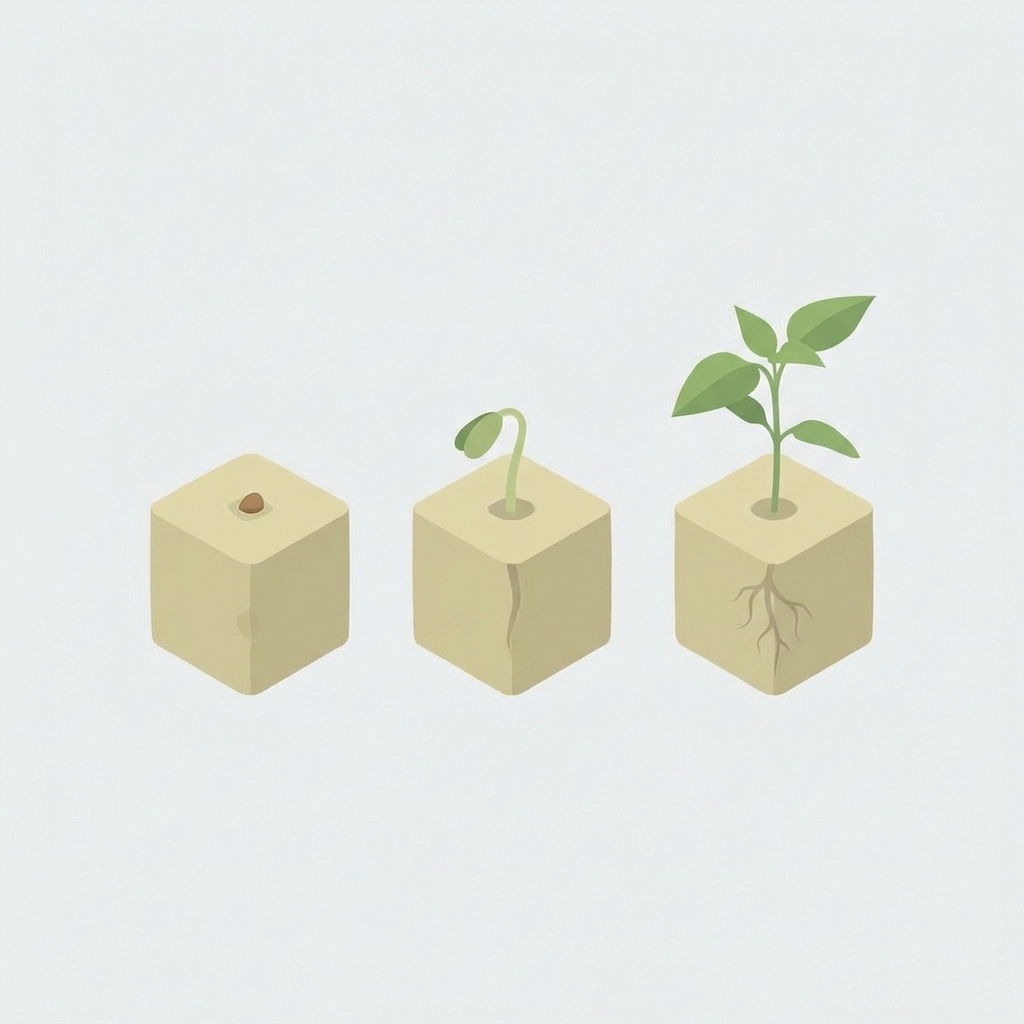
Place seeds ¼ inch deep in the growing medium. Rockwool cubes work best: pre-soak them in pH-balanced water (5.5–6.0) first.
Temperature Requirements
Maintain 80–85°F for fastest germination. A heat mat underneath the tray helps in cooler spaces.
Moisture Level
Keep the medium damp but not soaked. Waterlogged seeds rot.
Timeline
Seeds sprout in 7–14 days at proper temperatures.
Transplant Timing
Move seedlings to the main system once two sets of true leaves appear. True leaves look different from the initial seed leaves: they're the actual pepper plant leaves.
How Is the Hydroponic System Set Up?
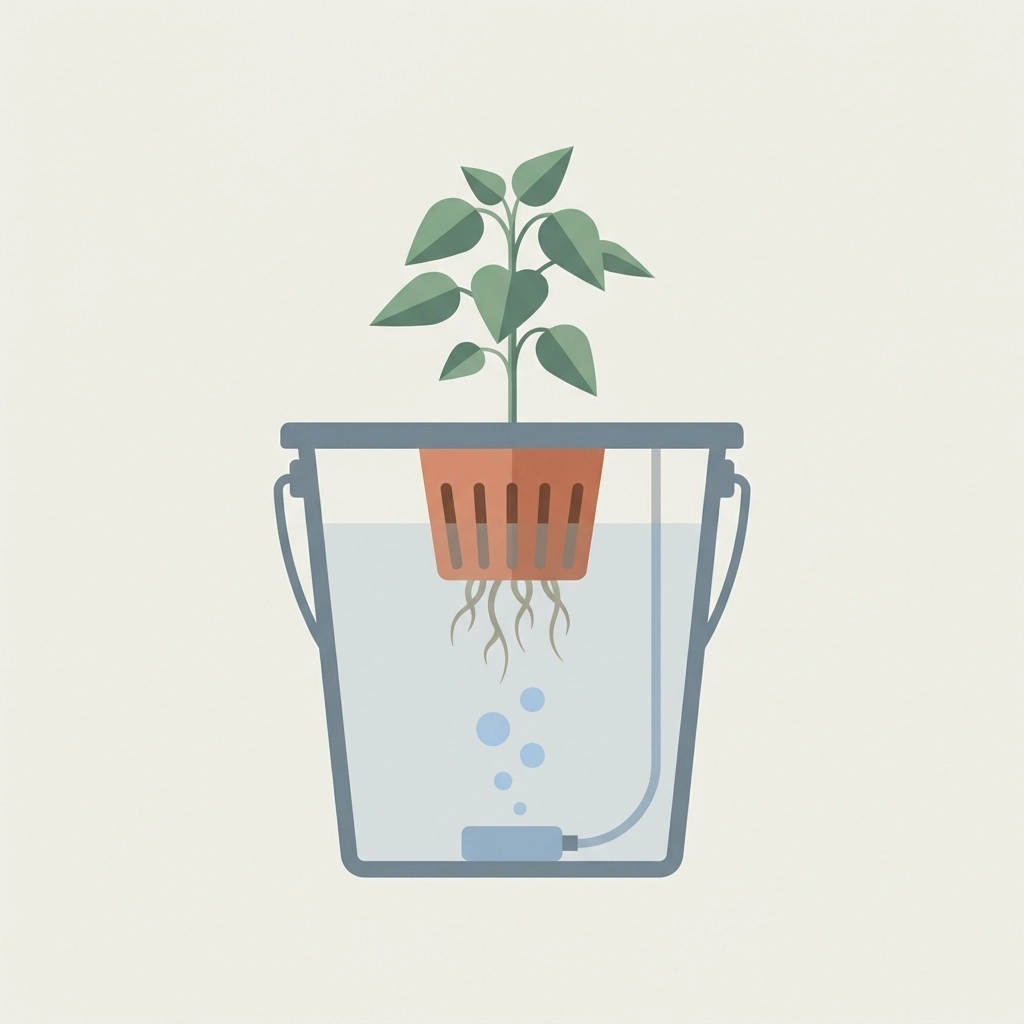
Deep Water Culture (DWC) works best for beginners.
A 5-gallon bucket holds one pepper plant. Larger containers support bigger root systems and higher yields.
Assembly Steps:
- Cut a hole in the bucket lid to fit a net pot
- Place the net pot with growing medium and seedling
- Fill the bucket with nutrient solution
- Leave a 1-inch air gap between the water and net pot bottom
- Add an air stone connected to an air pump
- Position grow lights 12–18 inches above plants
The air stone provides oxygen to roots. This prevents drowning and promotes healthy growth.
Kratky Method Alternative
No air pump needed. Fill a jar or container with nutrient solution. Leave an air gap. Roots grow into the water while upper roots access oxygen.
Simpler setup. Lower yields. Good for learning.
What pH and Nutrient Levels Do Peppers Need?
pH Range
Peppers absorb nutrients best at pH 5.5–6.5.
Check pH daily during the first week. Check every 2–3 days once stable.
pH drifts naturally as plants consume nutrients. Adjust with pH up or pH down solutions as needed.
Nutrient Strength
Electrical conductivity (EC) measures nutrient concentration.
- Sweet peppers: EC 2.0–2.5
- Hot peppers: EC 2.5–3.5
Higher EC stresses plants slightly. This increases capsaicin production in hot peppers: making them hotter.
Nutrient Schedule
Seedlings need quarter-strength solution.
Vegetative plants need half-strength.
Flowering and fruiting plants need full-strength.
Change the reservoir solution every 1–2 weeks. Top off with plain pH-balanced water between changes.
How Are Pepper Flowers Pollinated Indoors?
Pepper plants have both male and female parts in each flower.
Outdoors, wind and insects transfer pollen.
Indoors, manual pollination becomes necessary.
Method 1: Gentle Shaking
Shake the plant stem gently once flowers open. This releases pollen within the flower.
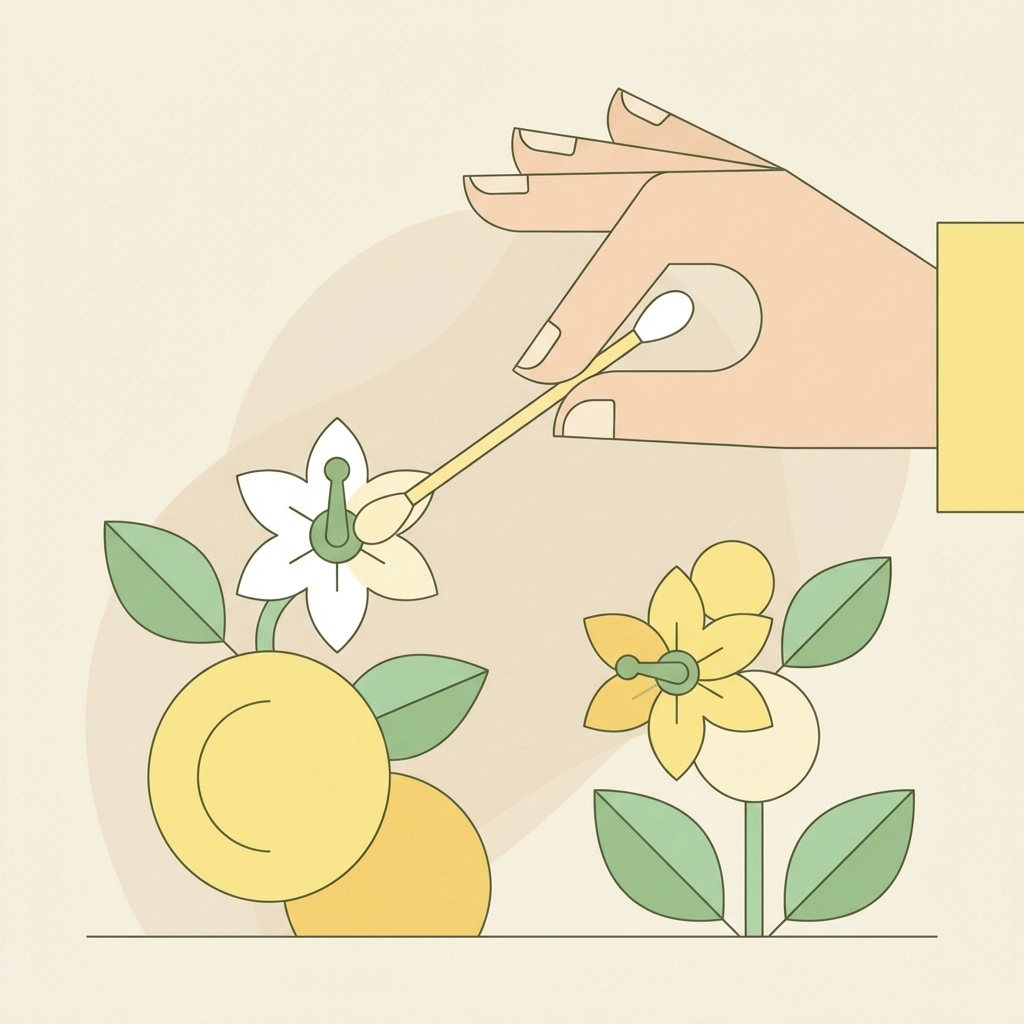
Method 2: Q-tip or Paintbrush
Swirl a cotton swab or small brush inside each flower. Move from flower to flower.
Method 3: Fan
Point an oscillating fan at flowering plants. The airflow mimics wind pollination.
Pollinate daily during the flowering period. Morning hours work best when pollen releases most readily.
Unpollinated flowers drop off without producing fruit.
What Environmental Conditions Do Peppers Require?
Temperature
Daytime: 70–85°F (21–29°C)
Nighttime: 65–70°F (18–21°C)
Temperatures below 55°F stunt growth. Temperatures above 90°F cause flower drop.
Humidity
Maintain 40–60% relative humidity.
Higher humidity encourages mold and fungal diseases.
Lower humidity stresses plants and slows growth.
Air Circulation
A small fan prevents hot spots and strengthens stems. Moving air also discourages pest infestations.
Lighting Duration
Peppers need 14–16 hours of light daily during vegetative growth.
Reduce to 12 hours when encouraging flowering in stubborn plants.
When Are Hydroponic Peppers Ready to Harvest?
Most varieties mature 50–80 days after sprouting.
Hot peppers often take longer: up to 150 days for superhots.
Harvest Indicators:
- Peppers reach full size for the variety
- Color changes from green to final color (if applicable)
- Skin becomes glossy
- Peppers feel firm when gently squeezed
Leaving peppers on the plant longer increases sweetness and heat.
Harvesting earlier encourages more fruit production.
Cut peppers with scissors or pruning shears. Pulling can damage the plant.
What Problems Occur and How Are They Fixed?
Yellow Leaves
Cause: Nutrient deficiency or pH imbalance.
Solution: Check pH first. Adjust nutrients if pH is correct.
Blossom Drop
Cause: Temperature extremes, low humidity, or poor pollination.
Solution: Stabilize environment. Increase pollination efforts.
Slow Growth
Cause: Insufficient light, low temperatures, or weak nutrient solution.
Solution: Increase light duration. Raise temperature. Check EC levels.
Root Rot
Cause: Insufficient oxygen in reservoir.
Solution: Add or replace air stone. Ensure air pump functions properly.
Aphids or Pests
Cause: Introduced on new plants or through open windows.
Solution: Spray with diluted neem oil. Introduce beneficial insects.
What Family Projects Work With Hydroponic Peppers?
Seed-to-Table Tracking
Create a growth chart. Record daily height, leaf count, and flower development. Kids learn observation and patience.
Taste Testing
Grow multiple varieties. Compare flavors, textures, and heat levels. Create a family rating system.
Science Experiments
- Compare growth rates under different light colors
- Test plants at different nutrient strengths
- Measure temperature effects on germination speed
Cooking Projects
Harvest peppers together. Make salsa, stuffed peppers, or pepper jelly. The connection from plant to plate stays memorable.
Pollination Duty
Assign daily flower-checking to young gardeners. The Q-tip method works perfectly for small hands.
Hydroponic peppers teach biology, chemistry, and responsibility: all while producing food for the family table.
What Comes Next?
Start with one plant. Learn the system. Expand from there.
A single bell pepper plant produces 6–10 peppers per harvest cycle. Multiple cycles per year become possible with continuous care.
The investment in equipment pays off across many growing seasons.
Fresh peppers year-round. No shipping. No pesticides. Picked at peak ripeness.
That outcome makes the learning curve worthwhile.