



Naturally scented playdough requires five pantry staples: flour, salt, cream of tartar, water, and oil: combined with essential oils or kitchen spices for fragrance.
The process takes under fifteen minutes.
No synthetic fragrances. No artificial additives. Just basic ingredients transformed into a sensory tool that engages hands and noses simultaneously.
Homemade playdough lasts weeks when stored properly. The texture rivals commercial versions. The cost sits at a fraction of store-bought options.
What Ingredients Go Into Naturally Scented Playdough?
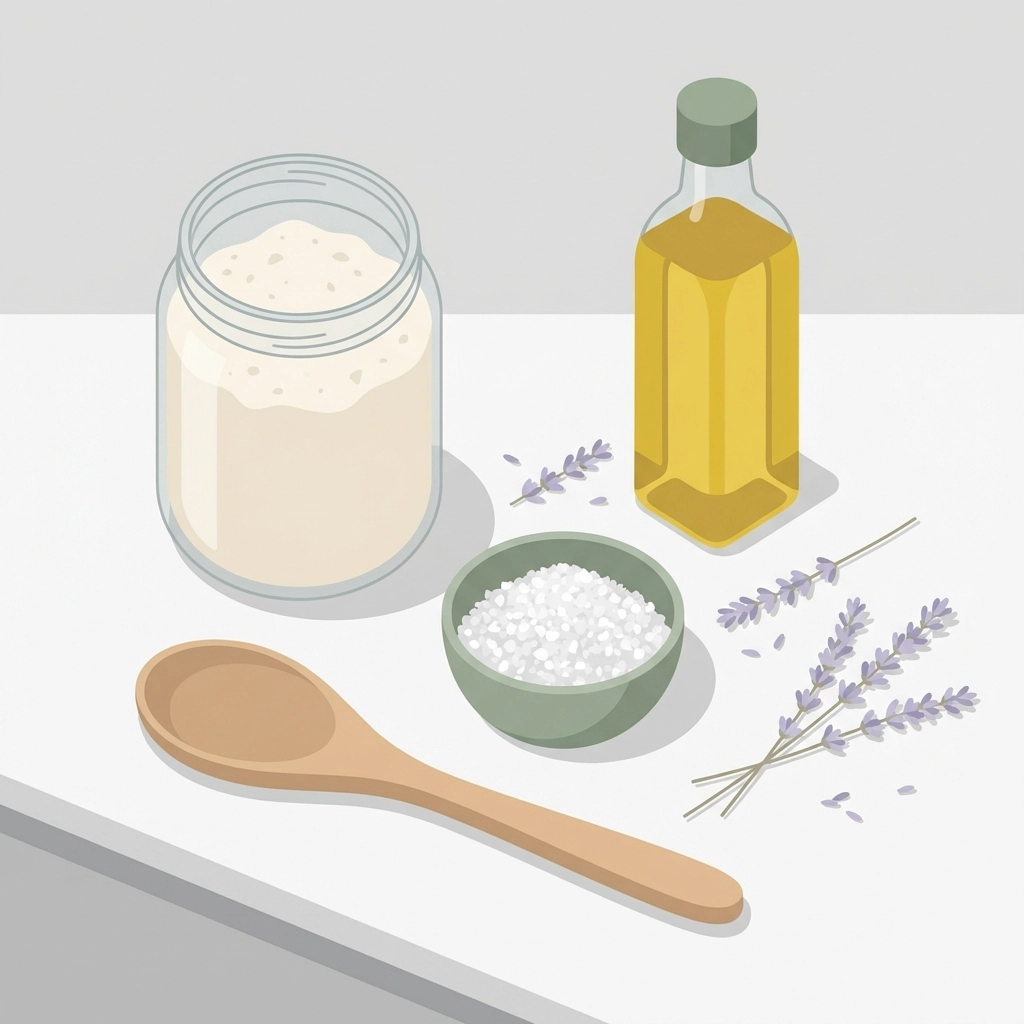
The base recipe uses items already in most kitchens.
Dry ingredients:
- 1 cup all-purpose flour
- ½ cup table salt
- 2 teaspoons cream of tartar
Wet ingredients:
- 1 cup water
- 1 to 1.5 tablespoons vegetable oil (canola, olive, or sunflower)
For scent:
- 2 to 8 drops of essential oil, OR
- 1 tablespoon of ground spices
Optional:
- Natural food coloring
The cream of tartar matters. It creates elasticity and extends shelf life. Skipping it produces a dough that crumbles faster and dries out within days.
Salt acts as a preservative. It also discourages taste-testing: important for households with young children.
How Does the Stovetop Method Work?
The stovetop method produces the smoothest, most pliable results.
Step 1: Combine dry ingredients.
Add flour, salt, and cream of tartar to a medium saucepan. Whisk together until evenly distributed.
Step 2: Add wet ingredients.
Pour in water and oil. Add food coloring at this stage if using. Stir until the mixture reaches a smooth, lump-free consistency.
Step 3: Cook over medium-low heat.
Stir continuously. The mixture will appear soupy at first.
Within 2 to 3 minutes, it begins thickening.
Continue stirring. The dough will start pulling away from the sides of the pan.
Step 4: Remove from heat when a ball forms.
The dough should hold together in a cohesive mass. It will feel slightly sticky at this stage. This is normal.
Step 5: Cool for 3 to 4 minutes.
Transfer the dough to a clean surface. A silicone mat or parchment paper works well.
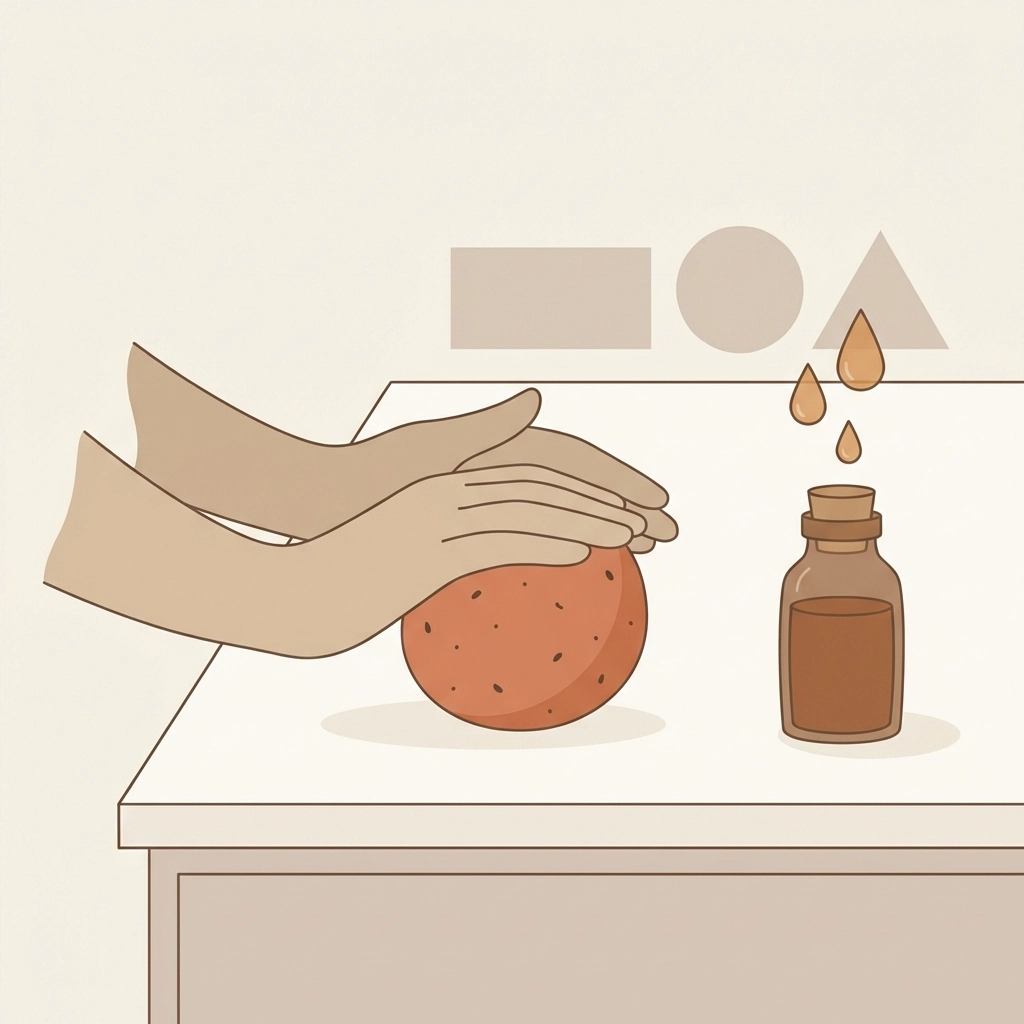
Step 6: Knead in the scent.
Once cool enough to handle, flatten the dough slightly. Add essential oil drops or sprinkle spices across the surface. Fold and knead until the scent distributes evenly throughout.
Total active time: 10 to 12 minutes.
Is There a No-Cook Method?
A no-cook version exists for situations without stove access.
Step 1: Mix dry ingredients.
Combine flour and salt in a large bowl.
Step 2: Prepare wet ingredients separately.
In a smaller bowl, mix warm water with oil and food coloring.
Step 3: Combine wet and dry.
Pour the liquid mixture into the dry ingredients. Stir with a spoon until a shaggy dough forms.
Step 4: Knead by hand.
Turn the dough onto a clean surface. Knead for 5 to 7 minutes until smooth and pliable.
Step 5: Add scent.
Work in essential oils or spices during the final minute of kneading.
The no-cook method skips cream of tartar. This affects texture and longevity. Expect a slightly grainier feel and a shorter usable lifespan: roughly one week versus three to four weeks for stovetop versions.
What Natural Scents Work Best?
Two categories of scenting agents work reliably: essential oils and kitchen spices.
Essential Oils
Essential oils offer concentrated fragrance. A few drops go a long way.
Recommended options:
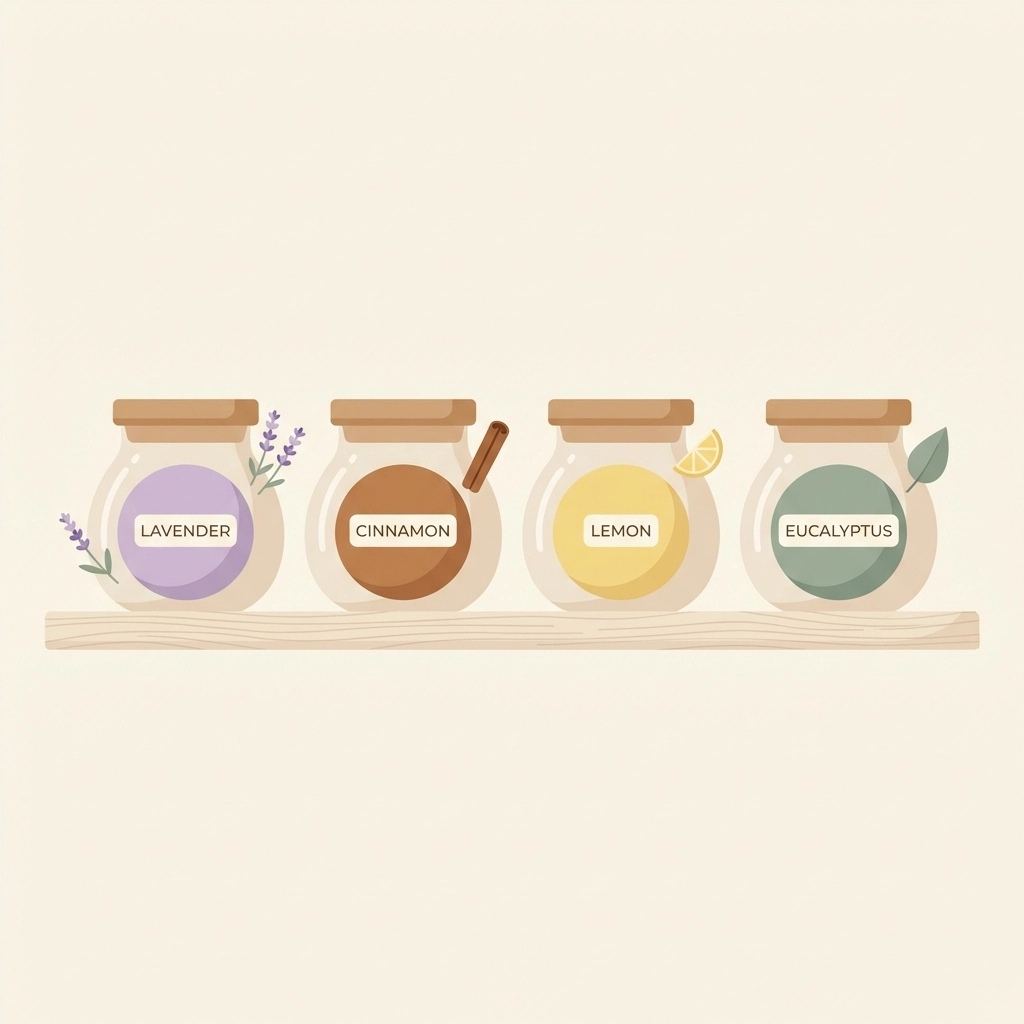
- Lavender – calming, familiar, universally pleasant
- Peppermint – invigorating, pairs well with winter themes
- Sweet orange – bright, cheerful, safe for most ages
- Lemon – clean, fresh, works for spring projects
- Eucalyptus – distinctive, good for nature-themed play
Dosage guidance:
Start with 2 to 3 drops per batch. Test the intensity. Add more if needed, up to 8 drops maximum.
Strong scents overwhelm sensitive noses. Children and individuals with sensory sensitivities may prefer lighter fragrances.
Kitchen Spices
Spices provide scent and visual interest. They create a more rustic, earthy playdough.
Effective choices:
- Cinnamon – warm, seasonal, pairs with brown or red dough
- Pumpkin pie spice – multi-note complexity, ideal for autumn
- Ginger – subtle warmth, less common
- Cocoa powder – chocolate scent without sweetness, creates brown color
- Vanilla extract – soft, comforting, requires more quantity (1 teaspoon)
Spices add texture. Fine powders integrate smoothly. Coarser grinds create a speckled appearance.
One tablespoon per batch serves as a baseline. Adjust based on preference.
How Long Does Homemade Playdough Last?
Proper storage extends usability significantly.
Airtight containers are essential.
Plastic containers with tight-fitting lids work well. Resealable bags also function if air is pressed out completely.
Refrigeration helps.
Cooler temperatures slow bacterial growth and prevent drying. Refrigerated playdough maintains texture for 3 to 4 weeks.
Room temperature storage reduces lifespan to 1 to 2 weeks.
Signs of expiration:
- Hardening or crumbling texture
- Sour or off smell
- Visible mold (rare but possible)
Discard at any sign of spoilage.
What Variations Expand the Experience?
The base recipe adapts to countless themes and learning objectives.
Seasonal Scent Combinations
| Season | Color | Scent |
|---|---|---|
| Spring | Pastel green | Lemon or sweet orange |
| Summer | Bright yellow | Peppermint |
| Autumn | Burnt orange | Cinnamon or pumpkin spice |
| Winter | White or silver | Eucalyptus or peppermint |
Texture Add-Ins
Incorporate materials for additional sensory engagement:
- Dried herbs (rosemary, thyme, lavender buds) – visual and aromatic
- Oats – bumpy texture, natural appearance
- Rice – adds resistance and weight
- Glitter (biodegradable options available) – visual sparkle
Add texture elements during the kneading phase. Start with 1 tablespoon and increase as desired.
Color Without Artificial Dyes
Natural coloring options exist for those avoiding synthetic dyes:
- Turmeric – yellow to gold
- Beet powder – pink to red
- Spinach powder – green
- Cocoa powder – brown
- Activated charcoal – black
Natural dyes produce softer, more muted tones than artificial alternatives.
Why Does Homemade Playdough Matter?
Control over ingredients matters for families managing allergies, sensitivities, or personal preferences.
Commercial playdough contains proprietary formulas. Ingredient transparency varies by brand.
Homemade versions allow complete customization. Every component is known and chosen intentionally.
The process itself carries value. Making playdough teaches basic chemistry: how heat transforms wet mixtures into pliable solids. Measuring ingredients reinforces math skills. Kneading builds fine motor strength.
Scent selection introduces aromatherapy concepts. Lavender for calm. Peppermint for alertness. Citrus for mood elevation.
The finished product becomes a tool for open-ended play, storytelling, letter formation, counting exercises, and stress relief.
One batch. Multiple applications.
Quick Reference Recipe Card
Stovetop Naturally Scented Playdough
Ingredients:
- 1 cup flour
- ½ cup salt
- 2 tsp cream of tartar
- 1 cup water
- 1–1.5 tbsp oil
- 2–8 drops essential oil OR 1 tbsp spices
- Food coloring (optional)
Instructions:
- Whisk dry ingredients in saucepan
- Add wet ingredients and stir smooth
- Cook over medium-low, stirring constantly
- Remove when dough forms a ball
- Cool 3–4 minutes
- Knead in scent
Storage: Airtight container, refrigerated, up to 4 weeks.
Naturally scented playdough transforms basic pantry items into a sensory experience. The process is simple. The results are customizable. The applications span education, therapy, and pure creative play.