



What Is a Mail Carrier Route Game and How Do You Set One Up?
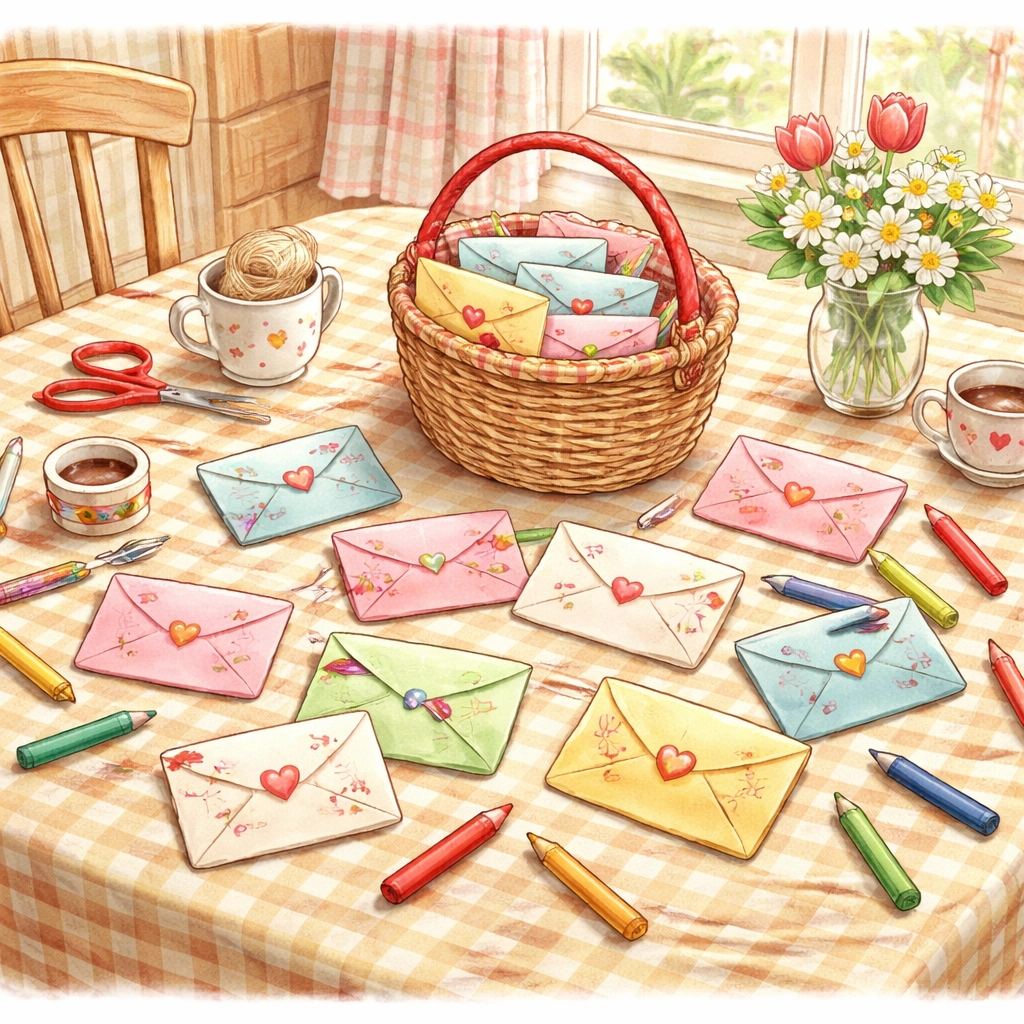
A mail carrier route game is a pretend play activity where kids deliver homemade "mail" to different stations around your home. You can set one up in about 15 minutes using items you likely have on hand: paper for envelopes, a bag or basket for the mailbag, and sticky notes or tape to label "addresses" on furniture and doors. Kids get to walk a delivery route, match letters to destinations, and feel like real postal workers without leaving your living room.
This game works well for children with a skill range of about 4–7 years old, though kids as young as 3 can enjoy it with a bit of extra help, and children up to age 8 often find it surprisingly entertaining. The activity mixes movement, pretend play, early reading or number recognition, and a little bit of problem-solving: all wrapped up in something that feels like pure fun.
Age Range, Time, and Budget at a Glance
| Detail | What to Expect |
|---|---|
| Skill Range | Ages 4–7 (younger kids may need help with "addresses") |
| Enjoyment Range | Ages 3–8 |
| Setup Time | About 15 minutes |
| Play Time | 20–45 minutes (varies by child) |
| Budget | $0 if using household items |
Some sources suggest this type of activity works best for ages 6 and up when adding coordinate grids or more complex routes. For the simple version described here, children around age 4 can typically handle matching pictures or colors to destinations, while older kids may enjoy adding numbers or written names.
Materials You'll Need
Here's a quick look at what you'll need and what it might cost if you had to purchase everything new. Most families find they can pull this together for free.
| Material | Purpose | Estimated Cost |
|---|---|---|
| Paper (printer paper, construction paper, or scrap paper) | Making envelopes and letters | $0–$3 |
| Crayons, markers, or pencils | Decorating mail and writing addresses | $0–$4 |
| Sticky notes or masking tape | Labeling delivery stops | $0–$2 |
| Small bag, basket, or pillowcase | Mailbag for carrying deliveries | $0 |
| Scissors (adult use for younger kids) | Cutting paper into envelope shapes | $0 |
| Optional: Stickers or stamps | Adding a "postage" element | $0–$2 |
Total estimated cost: $0 if using items from around the house, or up to about $11 if purchasing supplies new.
Step-by-Step Instructions
Step 1: Create Your Mail
Grab several sheets of paper and fold them in half or into rough envelope shapes. You don't need perfect folds: kids often prefer a little roughness because it feels more "real" to them.
On each piece of mail, draw or write an "address." For younger children (ages 3–4), use simple pictures: a star, a heart, a sun, or a colored circle. For kids ages 5 and up, you can write numbers, letters, or even short names like "Mom" or "Kitchen."
Aim for 5–10 pieces of mail to start. You can add more if your child wants a longer route.
Step 2: Set Up Delivery Stops
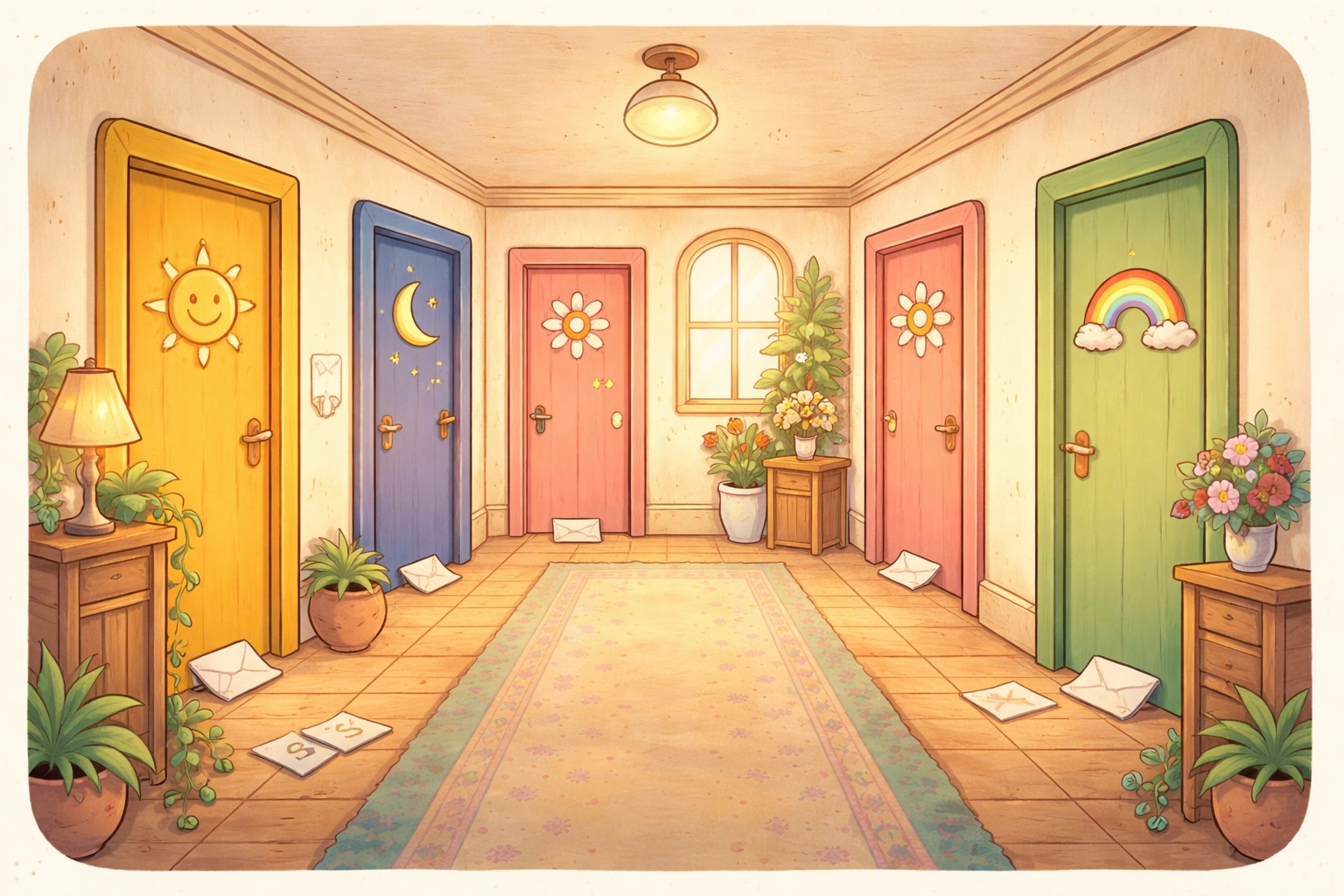
Walk around your home and pick 5–10 spots to serve as delivery destinations. Good options include:
- Bedroom doors
- The refrigerator
- A specific chair or couch cushion
- The bathroom door
- A bookshelf
- Under a table
Use sticky notes or small pieces of masking tape to label each stop with a matching "address." If you drew a star on one envelope, stick a star on the fridge. If you wrote "3" on a letter, tape a "3" to a bedroom door.
Spread the stops around so your child has to move through different rooms or areas. This adds a bit of physical activity and makes the route feel like an actual delivery job.
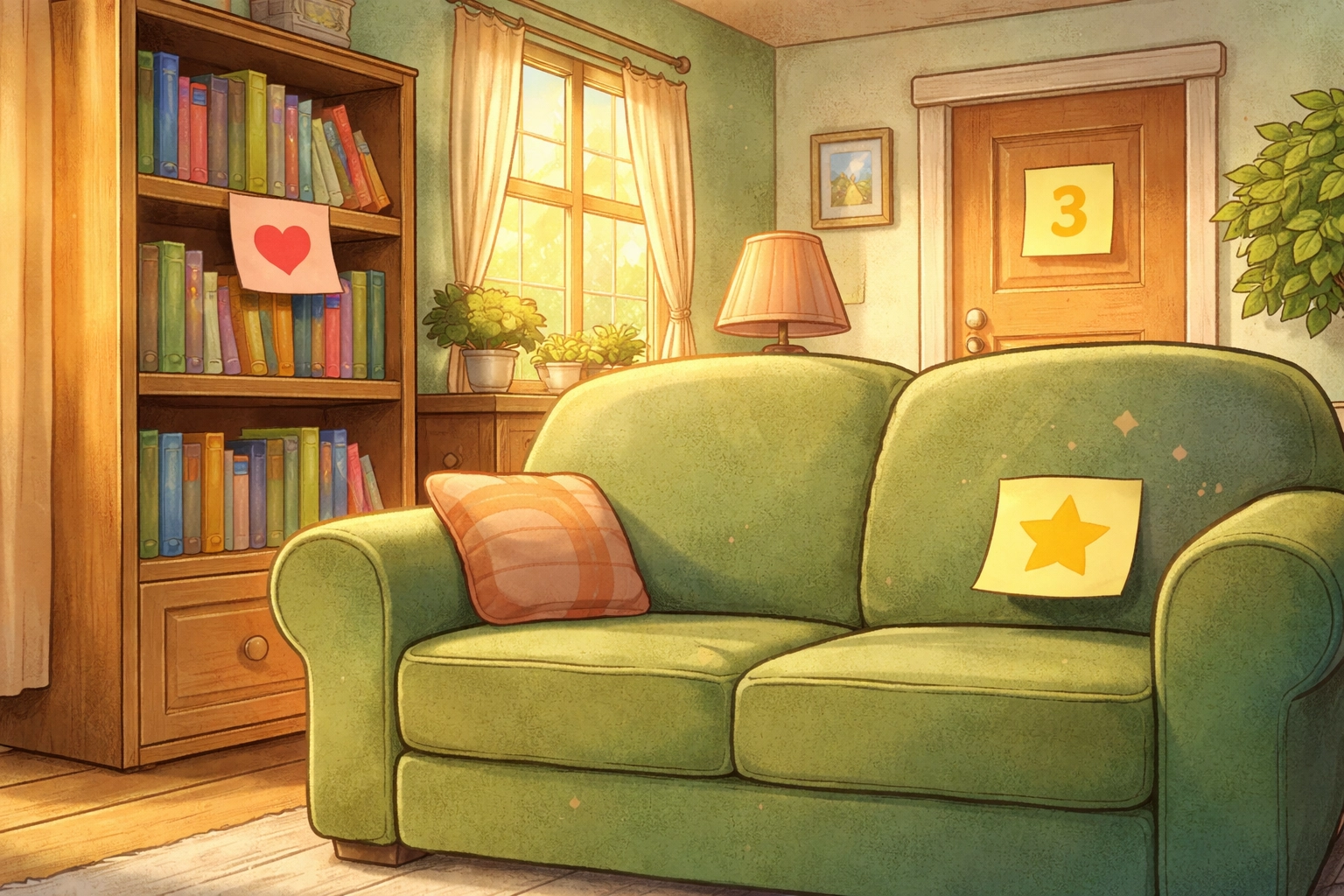
Step 3: Assemble the Mailbag
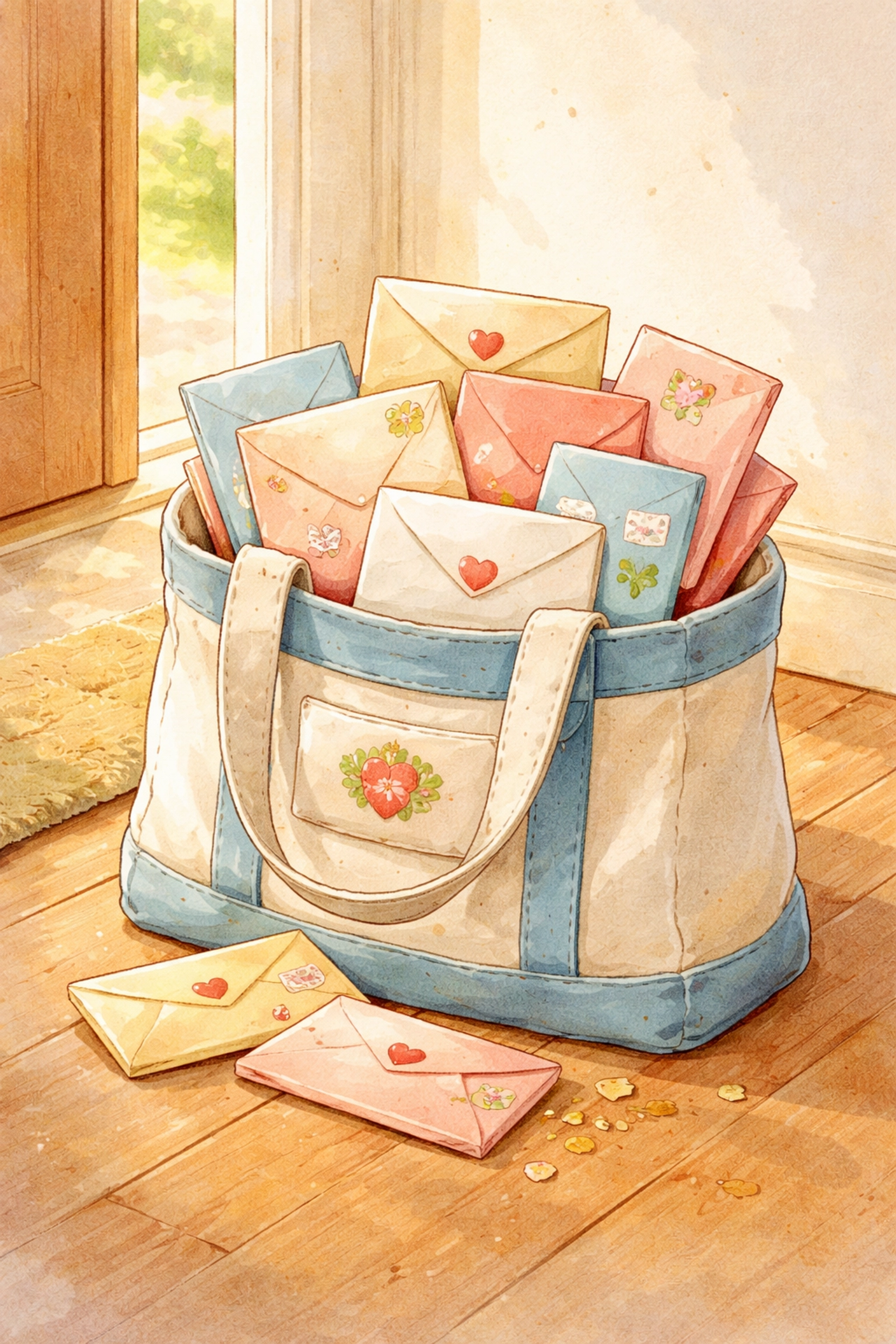
Find a small bag, basket, or even an old pillowcase to serve as the mail carrier's bag. Let your child decorate it if they want: a few stickers or a quick marker drawing can make it feel official.
Load all the mail into the bag. Your child is now ready to start their route.
Step 4: Explain the Route (Keep It Simple)
For younger kids, walk the route together the first time. Point out each delivery stop and show how the address on the mail matches the label at the destination.
For older kids, you might simply say: "Your job is to deliver each piece of mail to the right spot. Check the address on the envelope and find the matching sign."
You can add a small challenge by timing them or asking them to complete the route before a song ends. But for many kids, the simple act of walking and delivering is plenty engaging on its own.
Step 5: Let Them Deliver
Step back and let your child take over. They'll walk (or run) from stop to stop, checking each envelope and leaving it at the correct destination.
Some kids like to knock on doors or announce "Mail's here!" at each stop. Others prefer a quiet, focused approach. Both are fine.
Step 6: Check the Deliveries Together
Once all the mail has been delivered, walk the route together and check each stop. Did the right mail end up at the right address? Celebrate the correct deliveries and gently help fix any mismatches.
This step adds a bit of accountability and gives you a chance to reinforce letter, number, or picture recognition.
Variations to Keep It Fresh
Once your child has mastered the basic route, you can mix things up:
Add "packages": Use small boxes or crumpled paper bundles as heavier mail. Kids can practice carrying different weights, which some children find more interesting than flat letters alone.
Create a map: For children ages 5 and up, draw a simple map of your delivery area. Mark each stop and let your child follow the map rather than just matching addresses.
Relay race version: If you have multiple children, set up two identical routes and let them race to see who finishes first. You can also have them take turns being the mail carrier and the "postal inspector" who checks deliveries.
Add obstacles: Place a few cushions or chairs in the path that kids have to step over or around. This simulates the idea of navigating real-world terrain and adds a physical challenge.
Scoring system: Award points for correct deliveries or for completing the route quickly. Keep it low-pressure: this works best when the focus stays on fun rather than competition.
Tips for Success
- Start small. Five delivery stops is plenty for a first run. You can expand later.
- Match complexity to age. Pictures for younger kids, numbers or words for older ones.
- Let them lead. Some children want to deliver as fast as possible; others want to carefully check each address. Both approaches are valid.
- Rotate roles. Kids often enjoy being the "postmaster" who sorts mail or the "customer" who receives it. Switching roles can extend play time.
- Keep supplies handy. Once you've made the initial mail and address labels, store them in a zipper bag for easy repeat play.
Why This Game Works
Pretend play games like this one tap into several areas of early learning without feeling like a lesson. Kids practice matching, early reading or number recognition, following directions, and physical movement: all while imagining themselves in a real-world job.
The mail carrier theme tends to resonate because children see mail trucks and postal workers in their neighborhoods. It's familiar enough to feel exciting, but simple enough that they can take charge of the activity quickly.
And because the budget is essentially zero and setup takes about 15 minutes, this is an activity you can pull together on a rainy afternoon without stress.
FAQ
- How many "delivery stops" should I set up? Start with 5–10 stops around the house. You can always add more as your child gets faster at the route or if they want to make the game last longer.
- What can I use for the mail if I don't have envelopes? You can use small pieces of scrap paper, postcards made from cereal boxes, or even just folded-over sheets of printer paper. Anything that looks like "mail" will work!
- Can this game be played outdoors? Yes! You can set up delivery stops on porch steps, trees, or garden benches. Just be sure to use tape that won't damage any outdoor surfaces.
References
- Coordinate grid mail delivery activities for children ages 6+
- Relay race postal worker games for group play
- Row-based mail delivery games for multiple children