



Wildflower seed bombs turn bare soil into pollinator habitat.
A station on the farm makes production efficient. Groups of all ages participate. The process requires no special skills.
Pollinators need diverse flowering plants. Farms benefit from their presence. Seed bombs deliver wildflower seeds in a protective package that resists wind, birds, and erosion.
This project takes one afternoon to set up. The station remains functional for repeated use throughout the season.
What Is a Seed Bomb?
A seed bomb is a compressed ball of clay, compost, and seeds.
The clay binds the materials together. The compost provides nutrients. The seeds germinate when conditions align.
Seed bombs originated as a guerrilla gardening technique. Farms now use them for deliberate habitat restoration along field edges, ditches, and fallow areas.
The protective shell keeps seeds viable during storage. It prevents premature germination. It deters seed-eating birds.
One seed bomb contains approximately 60 seeds. A single afternoon produces dozens.
Why Build a Station Instead of Making Them Individually?
A dedicated station streamlines the process.
All materials stay organized. Multiple participants work simultaneously. Production increases without confusion.
Individual seed bomb making scatters supplies across surfaces. Cleanup takes longer than assembly. The station contains mess within a defined workspace.
Stations also create a repeatable system. Volunteers or family members learn the process once. They return to a familiar setup each time.
What Materials Does a Seed Bomb Station Require?
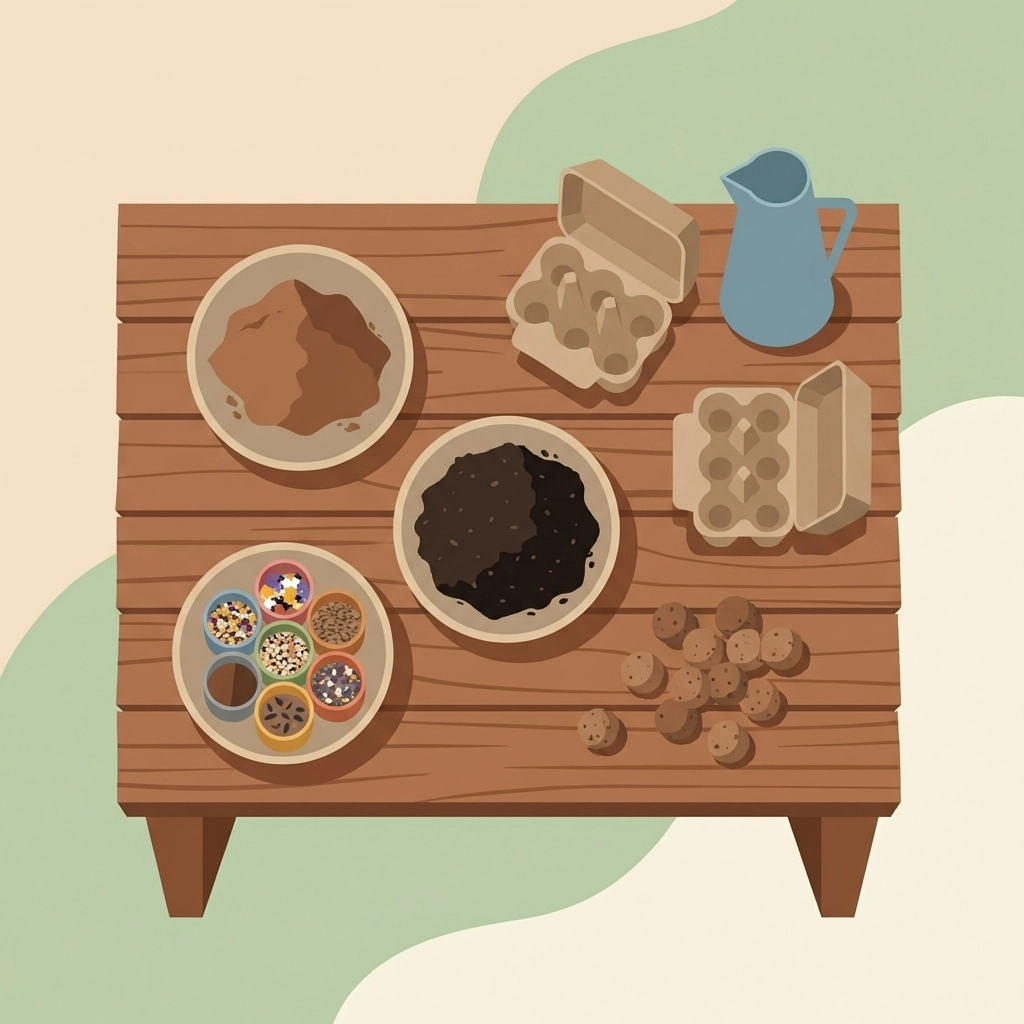
The station needs these core supplies:
For mixing:
- Large mixing bowl or container
- Spoon or mixing stick
- Water pitcher or spray bottle
- Metal strainer
For forming:
- Clay powder or natural clay soil
- Compost or potting soil
- Native wildflower seeds
- Measuring spoons
For drying:
- Egg cartons or flat trays
- Newspaper for surface protection
- Labels for seed variety tracking
For organization:
- Table or workbench
- Small containers for portioned materials
- Towels for hand cleaning
Natural clay works. Powdered pottery clay from craft stores also works. Avoid polymer or synthetic clays.
Native wildflower seeds perform best. They adapt to local soil and climate. They support native pollinator species.
How Much of Each Material Goes Into One Seed Bomb?
The ratio stays consistent:
- Clay: 2-3 spoonfuls
- Compost or soil: 2 spoonfuls
- Seeds: approximately 60
- Water: enough to bind without dripping
Equal parts clay and compost create the base mixture. Seeds distribute throughout.
The mixture feels wet and sticky. It holds shape when compressed. It does not drip or crumble.
Too much water creates mud. Too little creates dust. Adjust gradually.
What Does the Assembly Process Look Like?
Step 1: Prepare the dry mix
Combine clay and compost in the mixing bowl. Stir until uniform. No clumps remain.
Step 2: Add seeds
Sprinkle seeds into the dry mixture. Toss gently with the spoon. Seeds distribute evenly without crushing.
Step 3: Add water
Pour water slowly. Mix continuously. Stop when the mixture holds together.
Step 4: Form the bombs
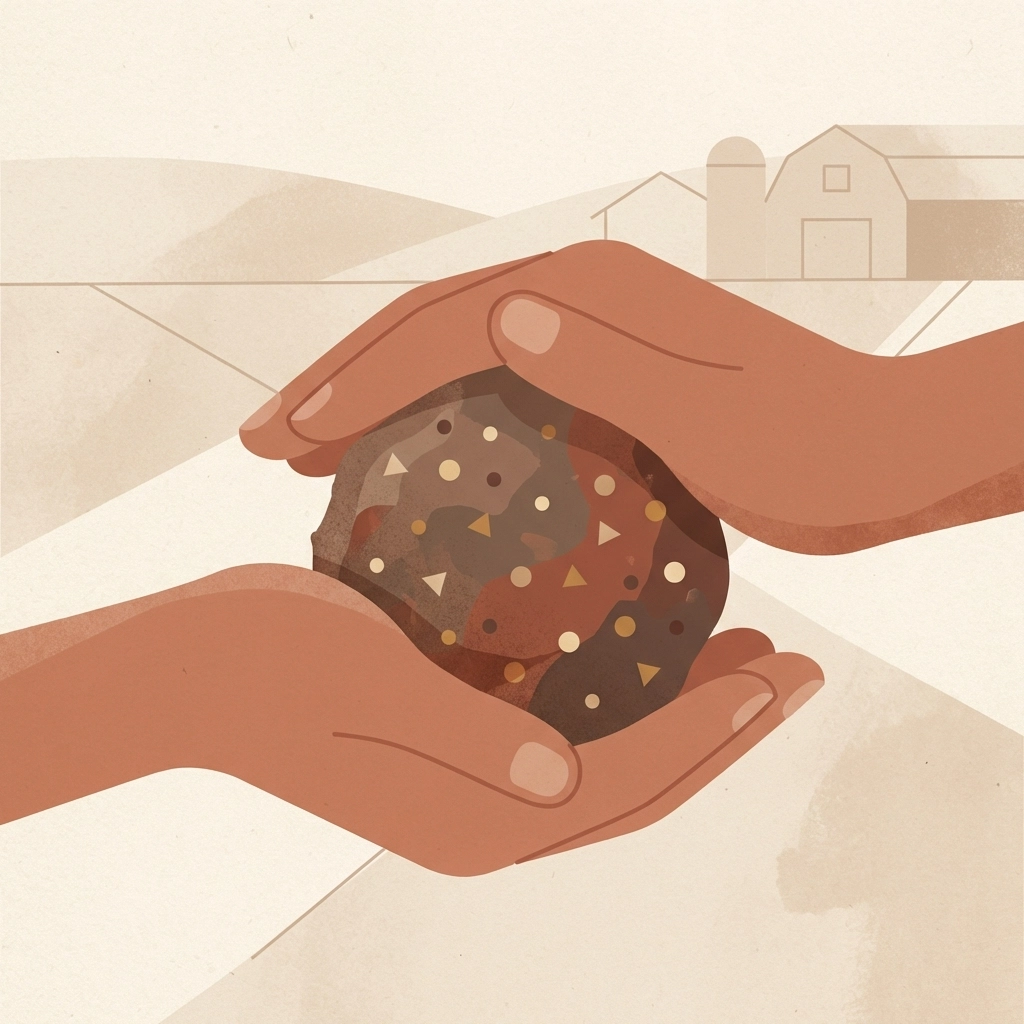
Scoop a tablespoon-sized portion. Roll between palms. Compress into a firm ball.
The ball holds its shape without cracking. Cracks indicate insufficient water.
Step 5: Dry the bombs
Place finished bombs in egg carton compartments. Space prevents sticking. Air circulates around each bomb.
Drying takes 24-48 hours. Bombs harden completely before storage or deployment.
How Should the Station Layout Work?
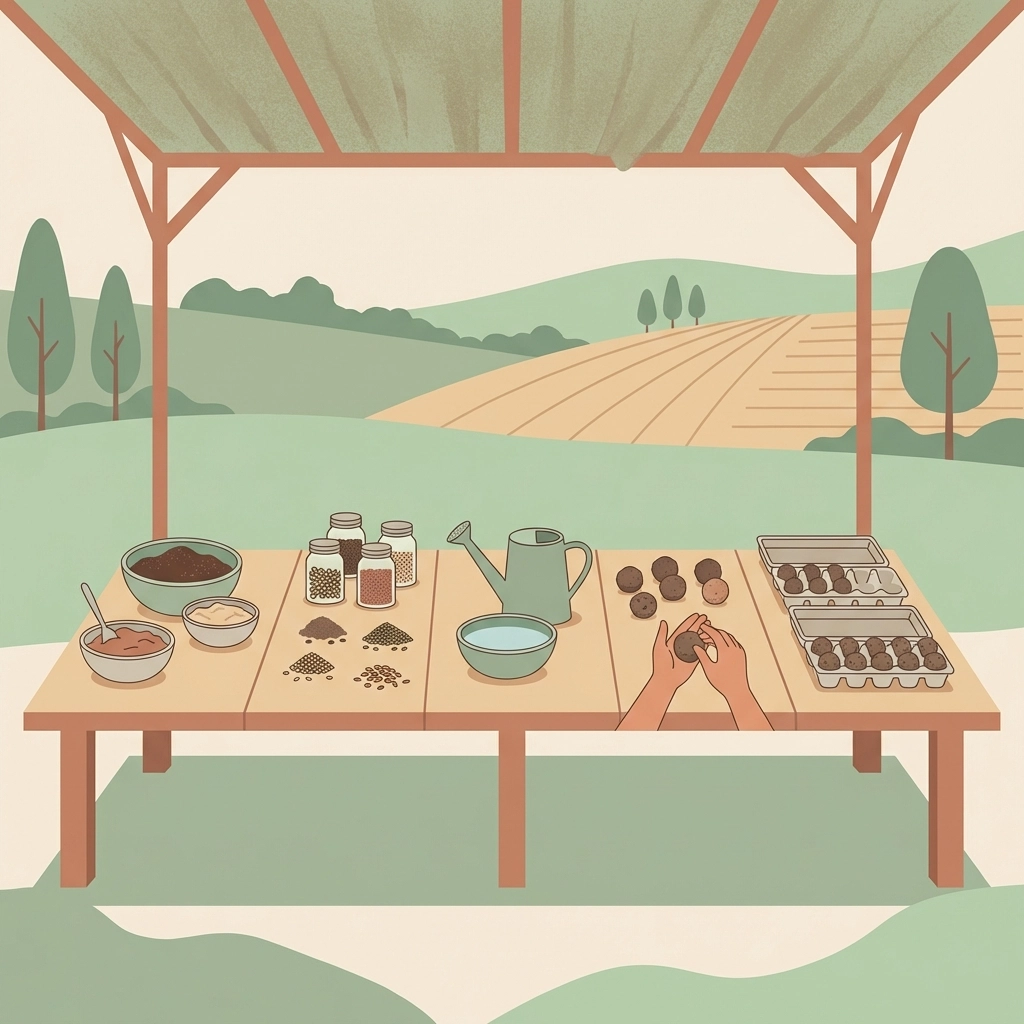
Arrange the station in assembly-line order.
Position 1: Dry mixing area with clay, compost, and empty bowl.
Position 2: Seed addition area with seed containers and measuring tools.
Position 3: Water station with pitcher and wet mixing bowl.
Position 4: Forming area with clean surface space.
Position 5: Drying area with egg cartons and labels.
Participants move materials left to right. Or they rotate through positions. Either system prevents bottlenecks.
A covered outdoor space works best. Clay dust stays outside. Drying bombs get airflow.
When Is the Best Time to Make Seed Bombs?
Fall through early spring.
Many wildflower seeds require cold stratification. Winter temperatures break seed dormancy naturally. Spring warmth triggers germination.
Seed bombs made in fall deploy immediately. They overwinter in place. They germinate with spring rains.
Seed bombs made in late winter store until deployment conditions align.
Avoid making seed bombs in summer heat. Rapid drying cracks the clay shell. Seeds may begin germinating prematurely in humid conditions.
Where Do Seed Bombs Work Best on a Farm?
Seed bombs thrive in specific conditions:
- Bare soil with minimal competition
- At least 4 hours of direct sunlight daily
- Areas left undisturbed for one growing season
- Field edges and buffer strips
- Ditches and drainage areas
- Fallow sections between rotations
Seed bombs struggle in dense grass. Existing vegetation outcompetes seedlings. Clear or thin the area first.
Press bombs halfway into moist soil. Full burial prevents light from reaching seeds. Surface placement exposes bombs to birds and wind.
Space multiple bombs 6-12 inches apart. Wildflowers fill gaps naturally.
How Long Do Seed Bombs Last in Storage?
Properly dried seed bombs remain viable for one year.
Storage requirements:
- Cool, dry location
- Away from direct sunlight
- Protected from moisture
- Labeled with seed variety and date
Paper bags or cardboard boxes work for storage containers. Plastic traps moisture and promotes mold.
Check stored bombs periodically. Discard any showing mold growth or premature sprouting.
Fresh bombs perform best. Make them close to deployment time when possible.
What Wildflower Species Work Well in Seed Bombs?
Native species outperform exotic varieties.
Effective seed bomb species share traits:
- Small to medium seed size
- Tolerance for clay contact
- Germination without precise depth requirements
- Adaptation to local climate
Common effective species include:
- Black-eyed Susan
- Purple coneflower
- Wild bergamot
- Milkweed varieties
- Aster species
- Goldenrod
Seed mixes designed for pollinator habitat work well. They contain complementary species with staggered bloom times.
Avoid aggressive spreaders that overtake desired plantings. Research each species before inclusion.
How Does This Project Support Pollinators?
Pollinators require continuous bloom throughout the growing season.
A single wildflower species blooms for weeks. Multiple species extend the resource window to months.
Seed bombs establish diverse plantings efficiently. One station session creates habitat for:
- Native bees
- Butterflies
- Beneficial wasps
- Hoverflies
- Beetles
These insects pollinate farm crops. They control pest populations. Their presence indicates ecosystem health.
Field edge wildflower strips increase pollinator visits to adjacent crops. Yield improvements follow.
What Makes This Project Suitable for All Ages?
The tasks scale to ability level.
Young participants handle:
- Rolling pre-mixed material into balls
- Placing finished bombs in drying trays
- Counting seeds into portions
Older participants manage:
- Mixing ratios and water adjustment
- Quality control on bomb consistency
- Station organization and cleanup
No sharp tools. No heat sources. No hazardous materials.
The tactile nature engages participants. Visible results appear immediately. Connection to environmental benefit adds meaning.
A well-organized station accommodates 4-6 participants simultaneously. Larger groups rotate through in shifts.
A seed bomb station transforms an afternoon into lasting pollinator habitat. The setup serves repeated sessions across seasons. The process welcomes all skill levels.
Bare soil becomes wildflower meadow. Pollinators gain forage. The farm ecosystem strengthens.