



Spice painting is a sensory art activity where you mix ground spices like cinnamon, turmeric, and paprika into a paint base to create scented, textured artwork. It's a fantastic way to engage multiple senses at once, kids get to see the colors, smell the spices, and feel the gritty textures as they paint. The whole project typically costs under $10 using pantry staples you probably already have, and most families can complete it in about 30-45 minutes from setup to finished masterpiece.
This activity works well for toddlers through early elementary schoolers, though even older kids often enjoy experimenting with color mixing and scent combinations. It's messy, aromatic, and genuinely fun, the kind of project that turns an ordinary Tuesday afternoon into something memorable.
What You'll Need: Materials List (Under $10)
| Material | Estimated Cost | Notes |
|---|---|---|
| White washable paint | $3-4 | A small bottle works fine |
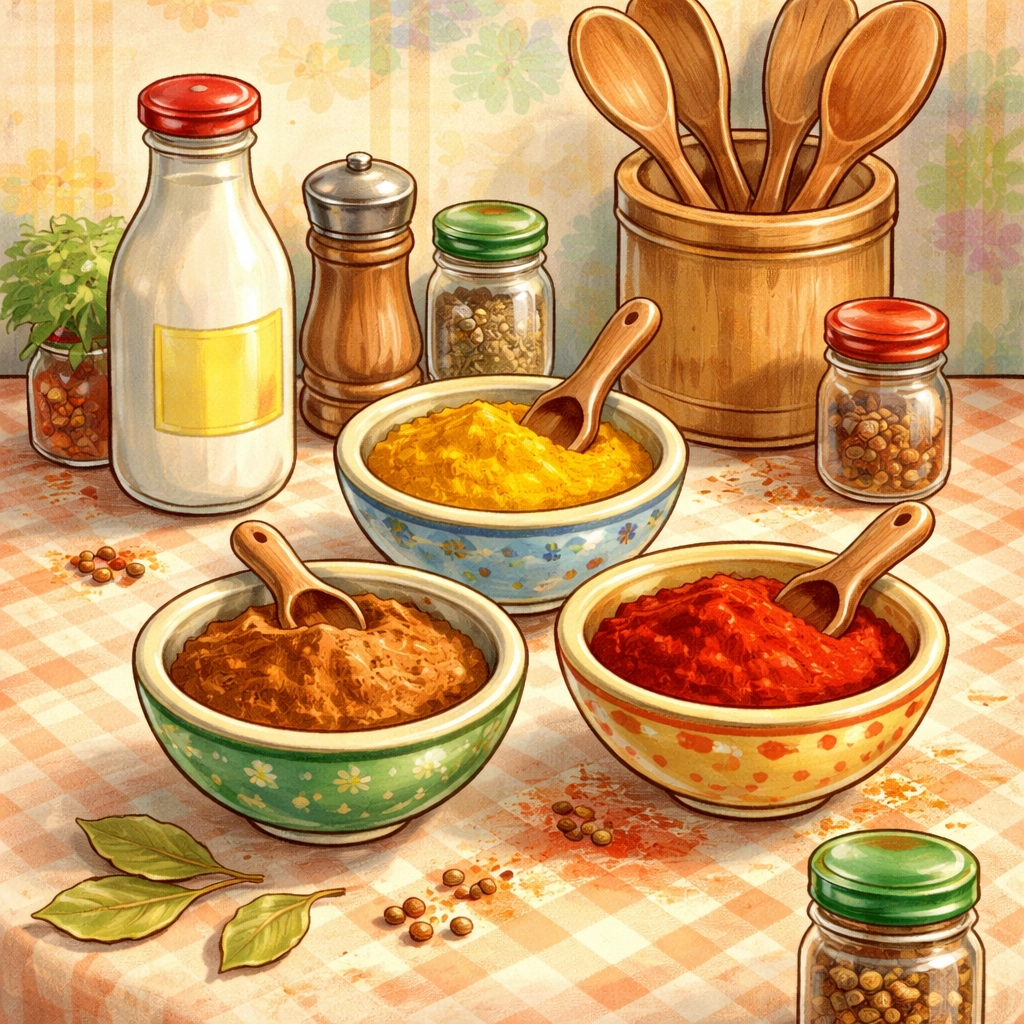
| Ground cinnamon | $1-2 | Provides warm brown tones |
| Ground turmeric | $1-2 | Creates vibrant yellow-orange |
| Paprika | $1-2 | Adds red-orange hues |
| Cardamom or ginger (optional) | $1-2 | For subtle earth tones |
| Thick paper or cardstock | $1-2 | Construction paper works too |
| Paintbrushes or fingers | Free | Whatever you have on hand |
| Small bowls for mixing | Free | Use what's in your kitchen |
Total estimated cost: $5-10 (often less if you already have spices in your pantry)
Age Range: Who Enjoys This Most?
Toddlers (18 months – 3 years): This age group tends to love the sensory experience. They may not create recognizable artwork, but the smelling, mixing, and spreading of textured paint is engaging enough on its own. Finger painting works particularly well here.
Preschoolers (3-5 years): Preschoolers often get really into the process of mixing spices into paint and watching colors develop. They can typically handle brushes and may start creating intentional shapes or patterns.
Early Elementary (5-8 years): Older kids might enjoy experimenting with spice ratios, comparing how different amounts change the color intensity, or creating themed artwork (fall leaves, pumpkins, autumn scenes work beautifully with these warm tones).
Time Estimate
| Phase | Time |
|---|---|
| Setup & mixing paints | 10-15 minutes |
| Painting time | 15-25 minutes |
| Drying time | 30-60 minutes |
| Total active time: | 25-40 minutes |
Step-by-Step: How to Make Spice Paint with Kids
Step 1: Gather Your Spices and Set Up Your Workspace
Pull out 3-4 different ground spices from your pantry. Cinnamon, turmeric, and paprika are the most popular choices because they offer distinct colors and pleasant scents. Lay down newspaper or a plastic tablecloth, turmeric especially can stain surfaces and clothing.
Pro tip: Have kids wear old clothes or art smocks. Turmeric stains are notoriously stubborn.
Step 2: Pour White Paint into Small Bowls
Squeeze a few tablespoons of white washable paint into separate small bowls, one bowl for each spice you plan to use. Yogurt containers or muffin tins work great for this.
Step 3: Add Spices to Each Bowl
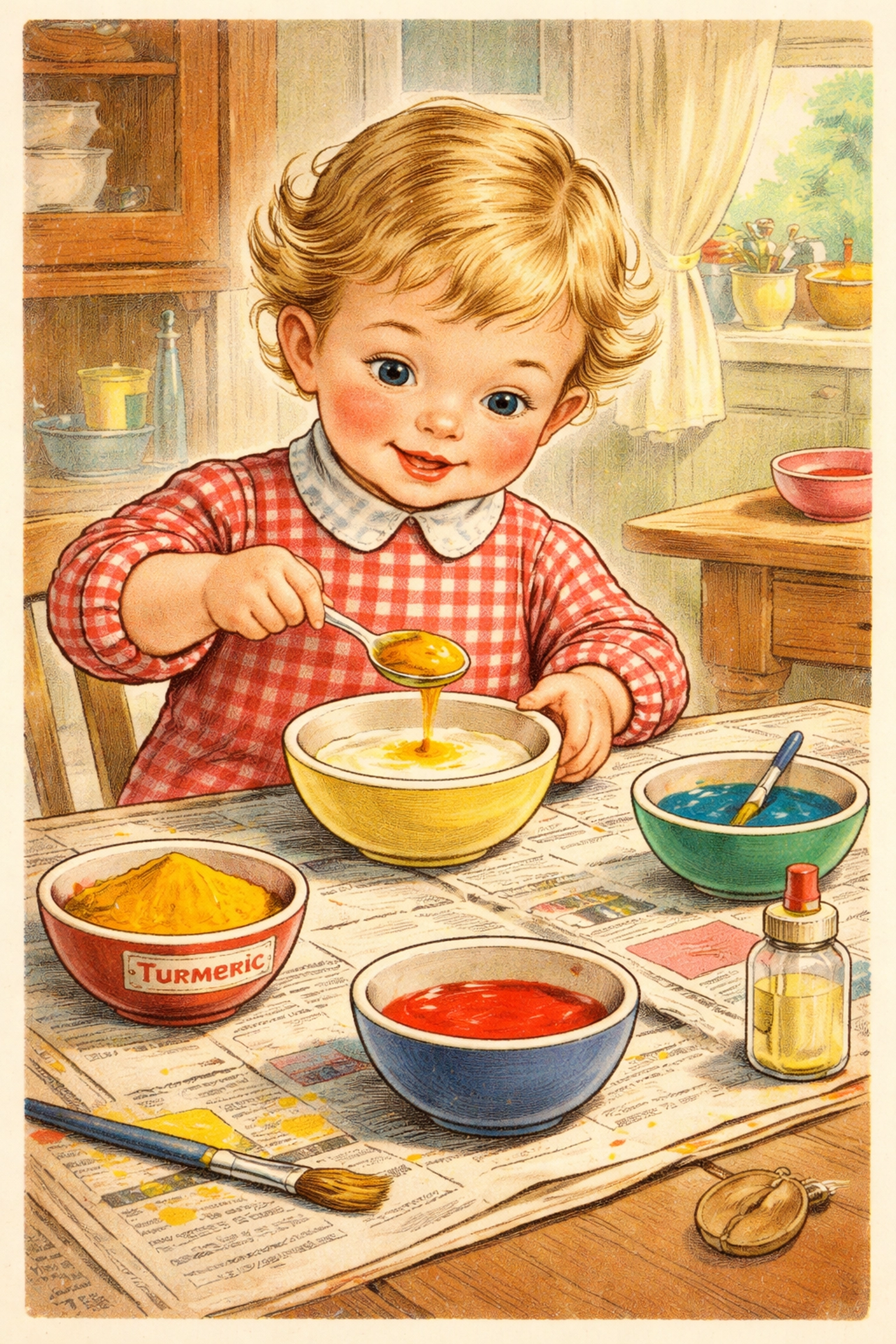
Let your kids spoon about 1-2 teaspoons of spice into each bowl of paint. Here's where the magic happens, encourage them to smell each spice before adding it. Talk about what the scents remind them of (cinnamon might spark memories of holiday baking, for instance).
More spice creates deeper color. If the first batch looks too pale, add more and stir again.
Step 4: Mix Thoroughly
Using paintbrushes, popsicle sticks, or spoons, stir each bowl until the spice is fully incorporated. The paint will take on both the color and texture of the spice. Cinnamon tends to produce the richest brown tones, while turmeric creates a surprisingly vibrant yellow-orange.
Step 5: Paint Your Masterpiece
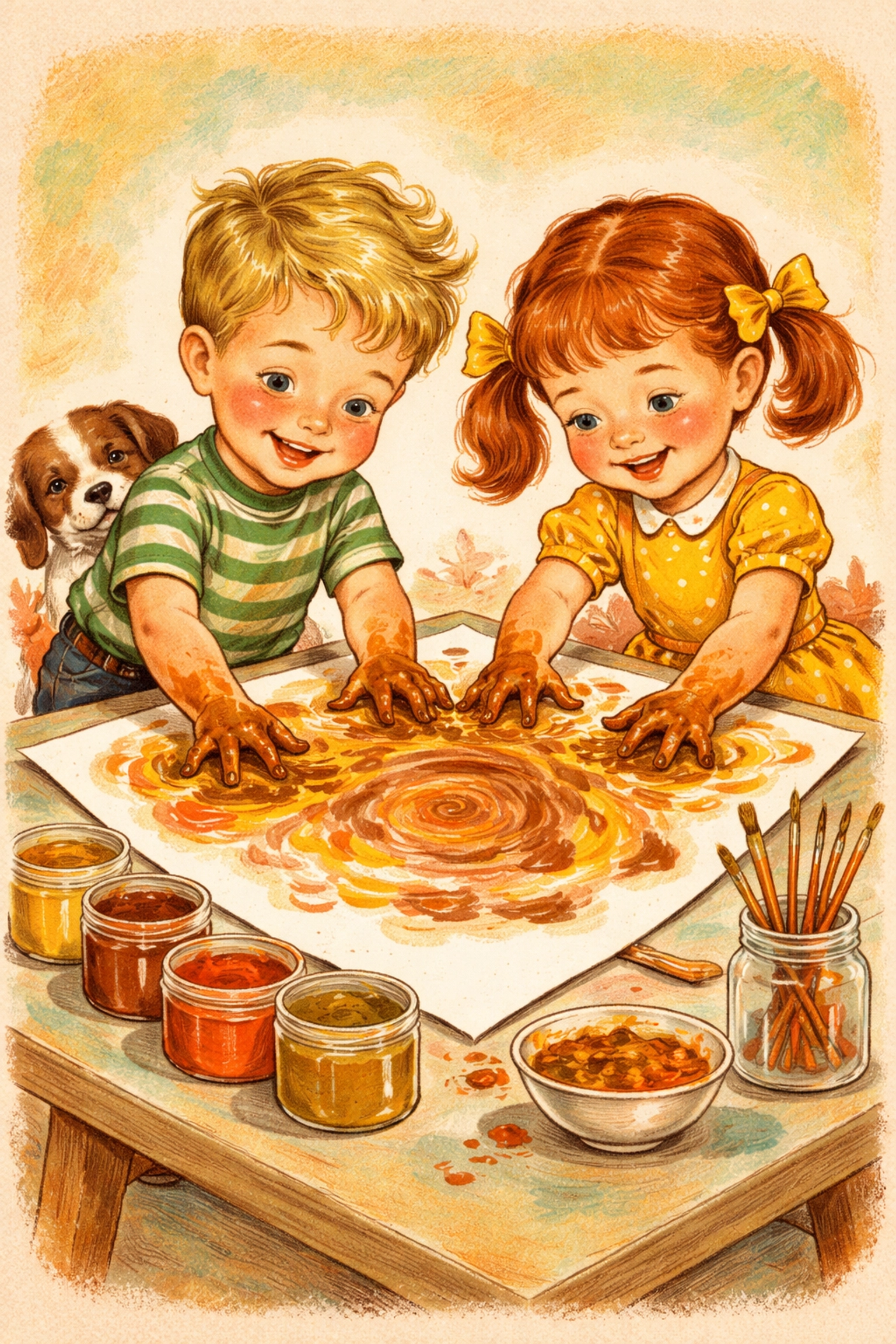
Now comes the fun part. Set out thick paper (cardstock holds up better than thin paper because of the added texture) and let kids paint however they like. Some children prefer brushes; others dive straight into finger painting.
Experiment with different paper colors. Some families find that dark construction paper makes the lighter spice colors pop, while white paper works well for showing off the full range of warm tones.
Step 6: Let Dry and Display
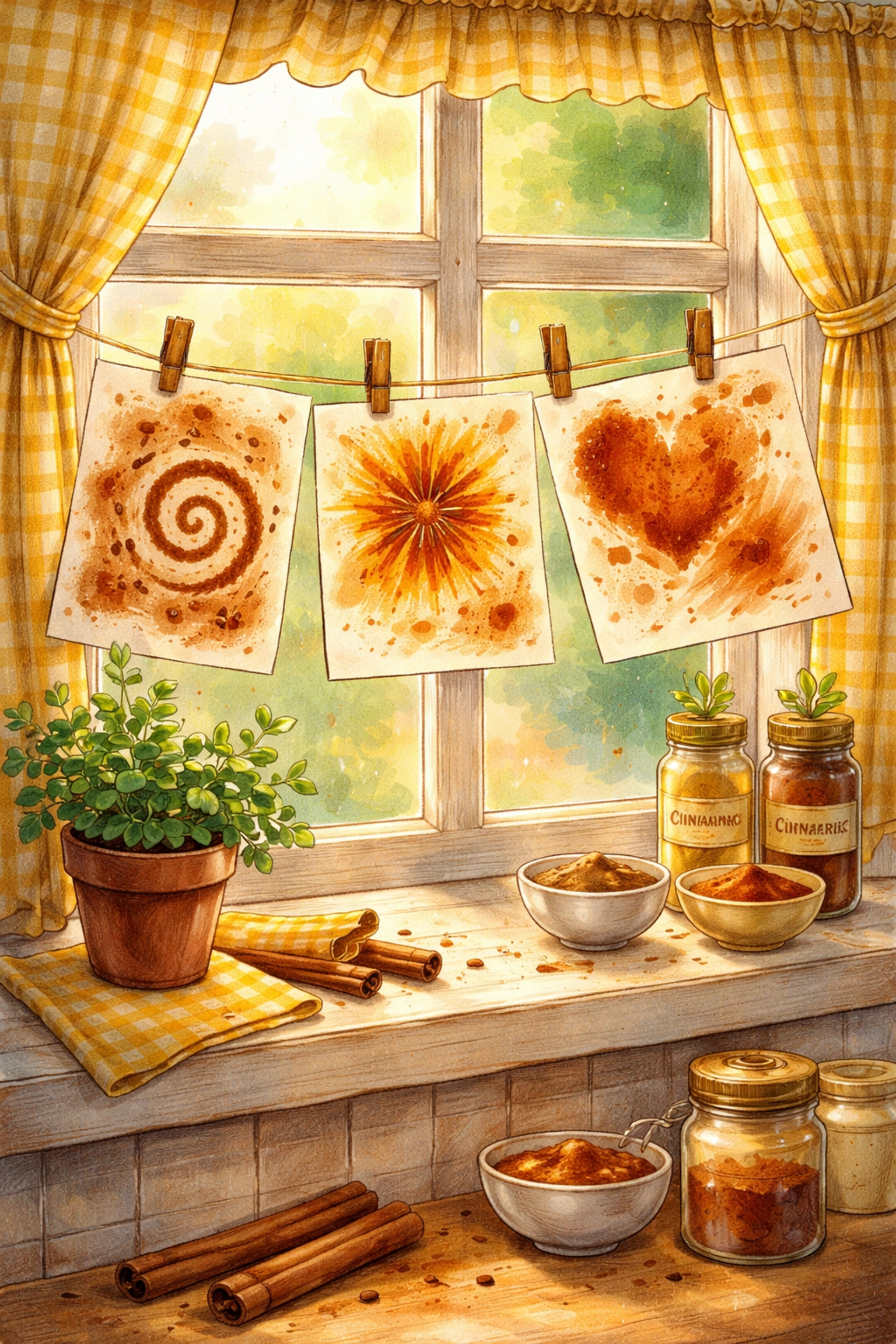
Spice paintings dry similarly to regular watercolors, though the spice texture remains on the paper even after drying. Depending on how thick the paint layer is, drying may take 30 minutes to an hour. Once dry, these paintings make wonderful seasonal decorations, the warm cinnamon-paprika-turmeric palette feels perfect for fall.
Tips for a Smooth Experience
Choose spices carefully. Stick with mild, aromatic spices. Avoid anything "hot" like cayenne, chili powder, or crushed red pepper, these can irritate skin and eyes if little hands touch their faces.
Let kids lead the mixing. Part of what makes this activity so engaging is the hands-on discovery. When children select their own spices and control how much goes in, they're building fine motor skills and ownership of the project.
Test on scrap paper first. Before diving into a big painting, try a few brushstrokes on scrap paper. This helps kids (and adults) see how the textured paint behaves.
Layer colors. Once one layer dries slightly, kids can paint over it with a different spice color for a layered effect.
A Note on Safety
While the spices themselves are edible, paint mixed with spices is not taste-safe. If you're working with very young children who still put things in their mouths, consider making a fully edible base instead. You can mix flour, water, and a tiny bit of cooking oil to create a paste, then add spices to that. It won't be as smooth as commercial paint, but it's much safer for curious mouths.
If you're looking for more kid-friendly activities that use everyday household items, check out our kids crafts collection for additional project ideas.
Frequently Asked Questions
Can I use spices that are expired?
Generally, yes. Expired spices may have lost some of their scent intensity, but they typically work fine for painting purposes. This is actually a great way to use up old spices before replacing them.
Will the artwork smell like spices forever?
The scent tends to fade over time, though cinnamon paintings often retain a subtle fragrance for weeks or even months. If you want to preserve the scent longer, you can spray the dried artwork with a light coat of clear sealant.
What if my child has a spice allergy?
If your child has known allergies to any spices, obviously avoid those. For children with sensitive skin, consider having them use brushes rather than finger painting, and wash hands promptly after the activity.
Can I use liquid spices or extracts instead?
Extracts (like vanilla or almond) add scent but not color or texture. Ground spices work much better for this activity because they provide all three sensory elements.
Does turmeric really stain that badly?
It can, yes. Turmeric is known for staining fabric, skin, and surfaces. The staining typically fades from skin within a day or two, but fabric stains may be permanent. Protect your workspace and dress accordingly.
What paper works best?
Thicker paper holds up better because the spice-paint mixture is heavier than regular paint. Cardstock, watercolor paper, or thick construction paper are all good choices.
Can we do this activity outdoors?
Outdoor painting works beautifully for this project: easier cleanup, and the scents are lovely in fresh air. Just anchor your paper so it doesn't blow away.
How do I store leftover spice paint?
Leftover spice paint can be stored in sealed containers in the refrigerator for a few days. Stir well before using again, as the spices may settle.
Is this activity good for homeschool or classroom settings?
Spice painting works well for groups because it's inexpensive, uses common materials, and offers natural conversation starters about senses, colors, and where spices come from.
References
- Research on spice painting techniques and base recipes
- Sensory art activity guidelines for children
- Safety considerations for edible and non-edible art supplies