




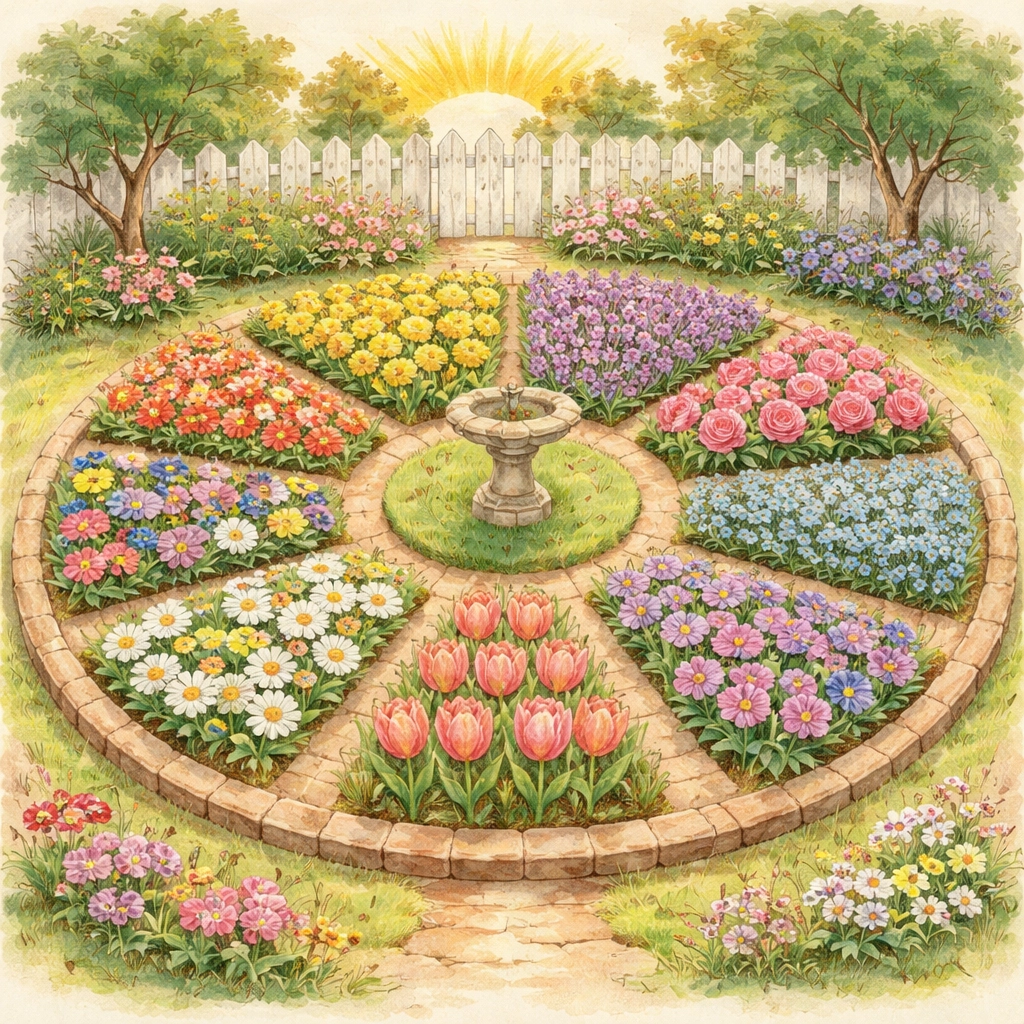
Short answer: A clock garden is a circular flower bed divided into 12 sections, just like a clock face, where you plant flowers that open and close at different times throughout the day. It's a living timepiece that teaches kids about nature, patience, and how people told time before smartphones existed. The whole project costs under $10, takes about an afternoon to set up, and creates months of "what time is it?" wonder.
What Exactly Is a Clock Garden?
Picture this: it's 6 a.m. and the morning glories in your garden start unfurling their purple trumpets. By 9 a.m., the marigolds pop open like little sunshine explosions. Around 4 p.m., the four-o'clocks (yep, that's really their name) finally wake up from their nap.
That's a clock garden in action.
The concept dates back centuries, long before digital watches and phone alarms. Farmers and gardeners noticed that certain flowers opened and closed at predictable times each day. Swedish botanist Carl Linnaeus even designed a formal "flower clock" in the 1700s based on this phenomenon.
But you don't need to be an 18th-century scientist to pull this off. You just need some seeds, a sunny spot, and a family willing to get a little dirt under their fingernails.
Why Kids Go Absolutely Bonkers for This Project
Let's be honest, getting kids excited about gardening can sometimes feel like convincing a cat to take a bath. But a clock garden? That's different.
Here's why it works:
- It's interactive. Kids can "check the time" by looking at which flowers are open. It turns a garden into a game.
- It teaches patience. They'll learn that nature doesn't run on their schedule (a valuable life lesson, if you ask me).
- It sparks curiosity. "Why do flowers open and close?" leads to conversations about sunlight, pollinators, and plant biology, without anyone realizing they're learning.
- It's theirs. When kids plant something themselves, they're invested. They'll water it, watch it, and drag every visiting relative outside to show it off.
What You'll Need (Budget: Under $10)
Here's the beautiful thing about this project, it's dirt cheap. Literally.
| Item | Estimated Cost |
|---|---|
| Seed packets (3-5 varieties) | $3-5 |
| Garden stakes or rocks for markers | $0-2 (or free from your yard) |
| String or twine for dividing sections | $1 |
| Potting soil (if needed) | $2-3 |
Total: $6-10
If you're planting directly in the ground and already have decent soil, you might get away with spending just a few bucks on seeds.
Step-by-Step: Building Your Family Clock Garden
Step 1: Scout Your Location
Find a sunny spot that gets at least 6 hours of direct sunlight daily. This is non-negotiable, most flowering plants need that sunshine to perform their opening and closing magic on schedule.
Your clock garden can live:
- Directly in the ground
- In a raised bed
- In a large circular container or even a kiddie pool with drainage holes
Size-wise, aim for at least 2-3 feet in diameter. Bigger is better if you have the space, but even a small circle works for teaching the concept.
Step 2: Create Your Clock Face
Here's where the fun starts.
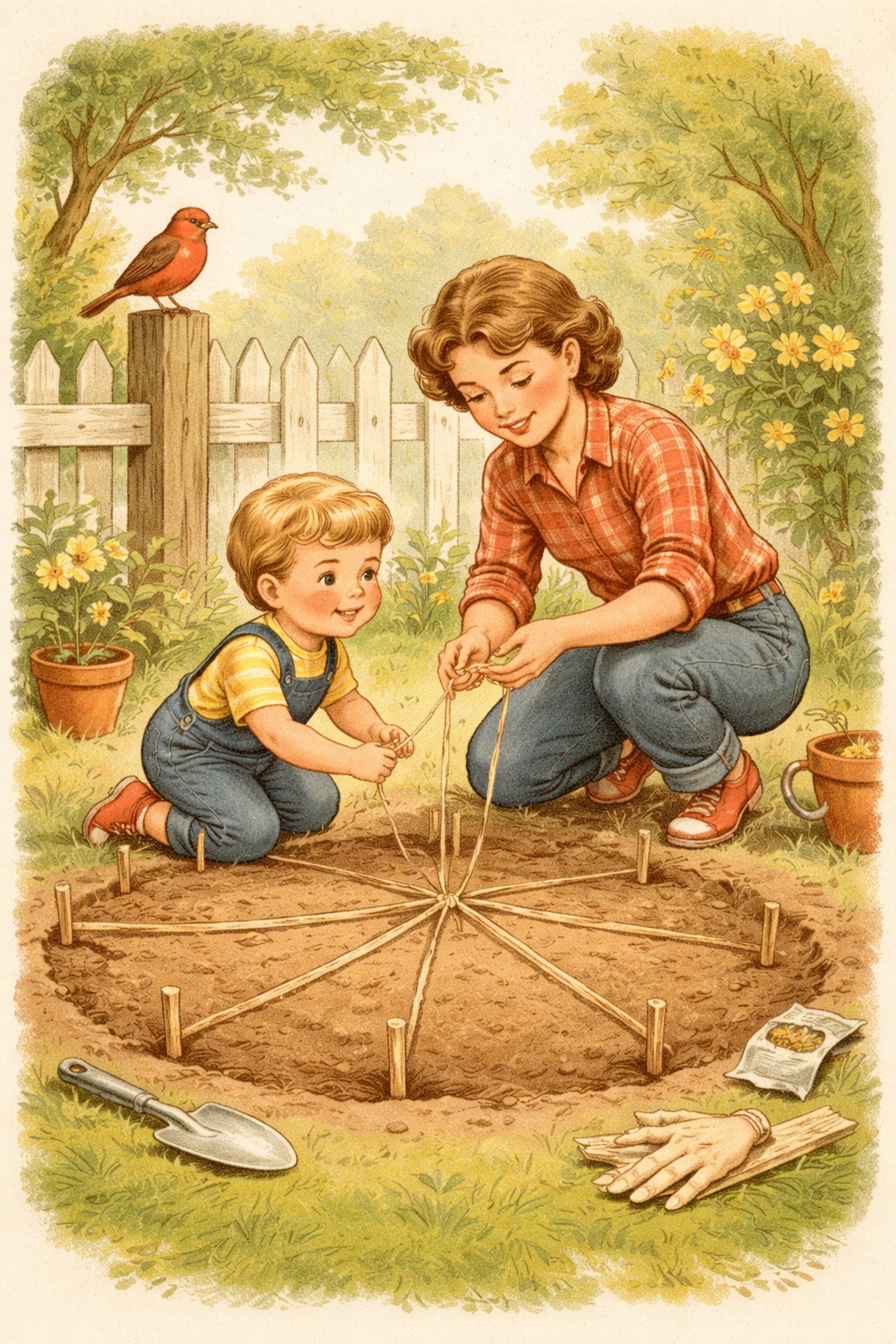
Mark the center. Place a stake, rock, or decorative item in the middle. (Some families add a small sundial here, totally optional but very cool.)
Divide into 12 sections. Use string, small rocks, or popsicle sticks to create 12 pie-slice sections radiating from the center, just like the hours on a clock.
Label your hours. Paint rocks with numbers 1-12, or let the kids make small signs. Position them around the outside edge.
Pro tip: Stand at the "6 o'clock" position facing the center, with "12 o'clock" directly across from you. This makes the whole thing easier to read.
Step 3: Choose Your Time-Telling Flowers
This is the heart of the project. You'll want flowers that open at different hours throughout the day. Here's a starter list organized by their approximate "wake-up time":
Early Morning (5-7 a.m.)
- Morning glory
- Flax
- Wild rose
- Daylily
Mid-Morning (8-10 a.m.)
- Marigold
- Calendula
- Gazania
- African daisy
Midday (11 a.m.-1 p.m.)
- Goatsbeard
- Ice plant
- Star of Bethlehem
Afternoon (2-5 p.m.)
- Four-o'clocks (these are practically named for the project!)
- California poppy (closes)
Evening (6-9 p.m.)
- Moonflower
- Evening primrose
- Night-blooming jasmine
- Night-scented stock
Important note: You probably won't find flowers for every single hour, and that's perfectly okay! Even covering 5-6 different times creates a spectacular effect. Focus on the hours your family is most likely to be outside observing.

Step 4: Plant According to Your Zone
Check the back of your seed packets for planting instructions specific to your growing zone. Most of these flowers can be direct-seeded after your last frost date.
Plant each variety in its designated "hour" section. Water gently and keep the soil moist until seeds germinate.
Step 5: Watch, Wait, and Wonder
Here's the hard part, waiting. Most flowers take 6-12 weeks from seed to bloom. Use this time to:
- Create a garden journal where kids can draw predictions
- Research why flowers open and close (spoiler: it's related to pollinators and temperature)
- Check on the garden daily and celebrate every tiny sprout
Once blooming begins, make it a family ritual to "check the garden clock" at different times throughout the day.
Tips for Clock Garden Success
Be flexible with timing. Flowers aren't Swiss watches. Their opening times can shift based on temperature, cloud cover, and overall growing conditions. That's part of the learning experience!
Plant in clusters. Put 3-5 seeds of each variety in their section. This gives you backup if some don't germinate and creates a fuller display.
Consider bloom seasons. Try to choose flowers that bloom around the same time of year so your clock "works" simultaneously.
Add a sundial backup. If you can find an inexpensive sundial for the center, it reinforces the time-telling concept even when flowers aren't cooperating.
Keep a photo log. Snap pictures of the garden at different hours throughout the summer. By fall, you'll have an amazing visual record of your living clock in action.
Frequently Asked Questions
How big does a clock garden need to be?
A minimum of 2 feet in diameter works, but 3-4 feet gives plants more room and makes the "clock face" easier to read.
Can I grow a clock garden in containers?
Absolutely! Use a large round planter or arrange 12 smaller pots in a circle. Container gardening is actually easier to control.
What if I can't find flowers for every hour?
That's completely normal. Focus on 5-6 different bloom times spread throughout the day. The concept still works beautifully.
Do clock gardens work in partial shade?
Most time-telling flowers need full sun to open and close on schedule. Partial shade may throw off their timing or prevent blooming altogether.
How long until I see results?
Most flowers bloom 8-12 weeks after planting from seed. Starting with transplants can speed this up by several weeks.
Will the same flowers open at the same time every day?
Generally yes, though cloudy days and temperature changes can shift things slightly. That's nature for you!
Is this project good for younger kids?
Perfect for ages 4 and up. Little ones can help with planting, watering, and observing. The science discussions can scale up as kids get older.
What's the best time of year to start?
Plant after your last frost date in spring. This gives flowers the full growing season to establish and bloom.
Can I add the clock garden to an existing garden bed?
Yes! You can create a circular section within a larger garden or even plant time-telling flowers throughout your existing beds and track them.
Where can I find more family gardening projects?
Check out our kids crafts collection for more hands-on outdoor activities the whole family can enjoy together.
References
- Wikipedia – Linnaeus Flower Clock concept and historical background
- Various horticultural sources on flower opening times and clock garden design principles