




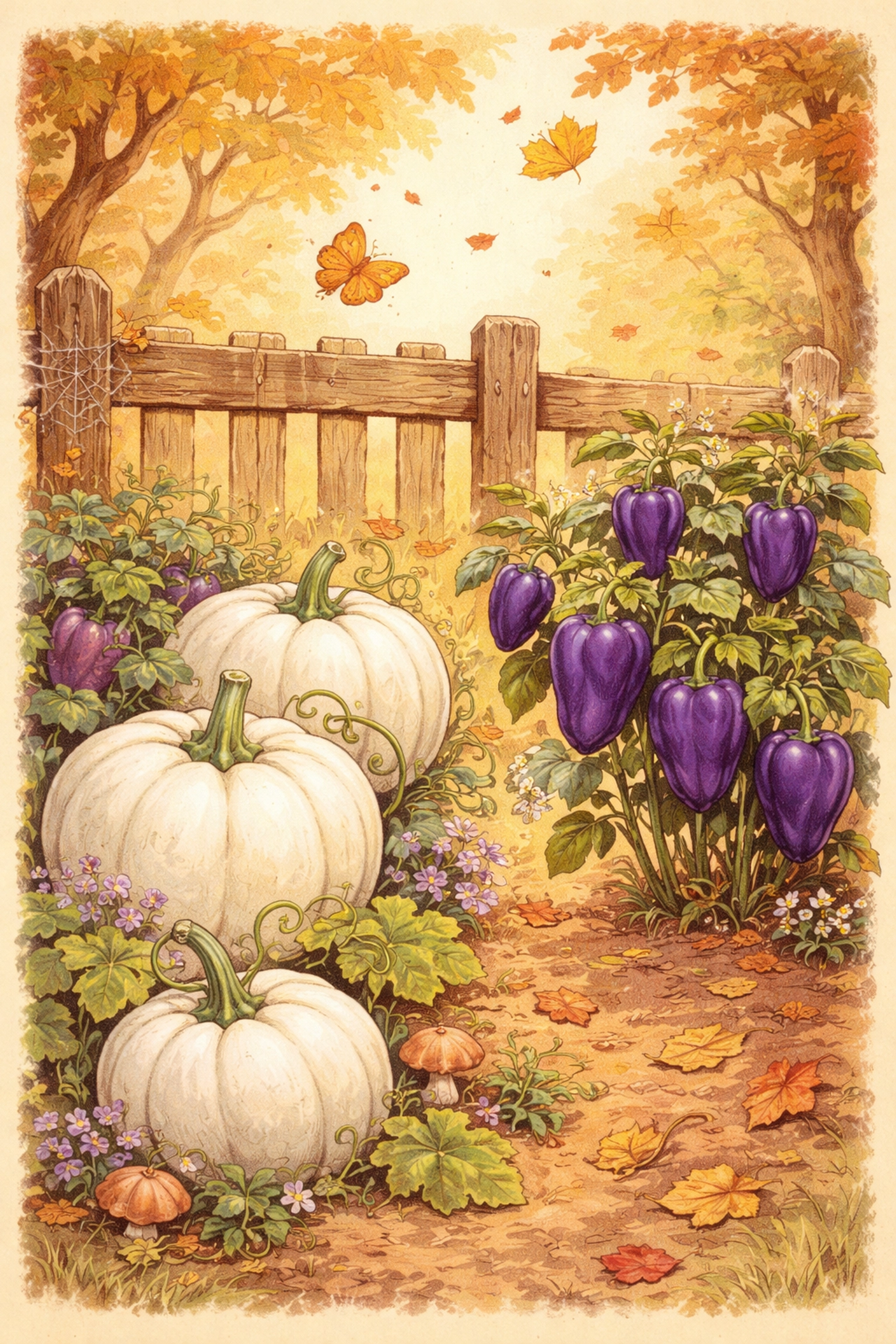
The quick answer: You can grow a hauntingly fun spooky garden by planting white "ghost" pumpkin varieties (like Lumina or Casper) alongside dramatic purple pepper plants (like Purple Beauty or Purple UFO). Both are surprisingly easy to grow, kid-friendly, and the whole project costs under $10 when you start from seed. Plant in late spring, give them sunshine and water, and by fall you'll have the most enchanting Halloween garden on the block!
Why Grow a Spooky Garden?
Let's be honest, orange pumpkins are great, but they're also everywhere. Ghost pumpkins? Purple peppers? Now we're talking conversation starters.
A spooky garden is the perfect family project because it combines the magic of growing your own food with the excitement of Halloween. Kids get to watch something unexpected emerge from the soil, and come October, they've got bragging rights at the pumpkin patch… because they grew their own.
Plus, both ghost pumpkins and purple peppers are completely edible. That's right, your spooky décor doubles as dinner. How's that for a trick and a treat?
What You'll Need (Budget: Under $10)
Here's your shopping list. Most of this you probably already have lying around:
Seeds:
- Ghost pumpkin seeds (Lumina, Casper, or Cotton Candy varieties) , $2-3 per packet
- Purple pepper seeds (Purple Beauty, Purple UFO, or Purple Jalapeño) , $2-3 per packet
Supplies:
- Seed starting containers (egg cartons, yogurt cups, or small pots work great)
- Potting soil or seed starting mix , $3-4 for a small bag
- A sunny spot in your yard or large containers for patios
- Water (free from your tap!)
- A kid with a sense of adventure (priceless)
Total cost: Around $7-10 if you're starting from scratch.
Step-by-Step: Growing Your Ghost Pumpkins
Ghost pumpkins are white-skinned pumpkin varieties that look like they floated right out of a haunted mansion. They grow just like orange pumpkins but with way more "ooooh" factor.
Step 1: Start Your Seeds Indoors (Late Spring)
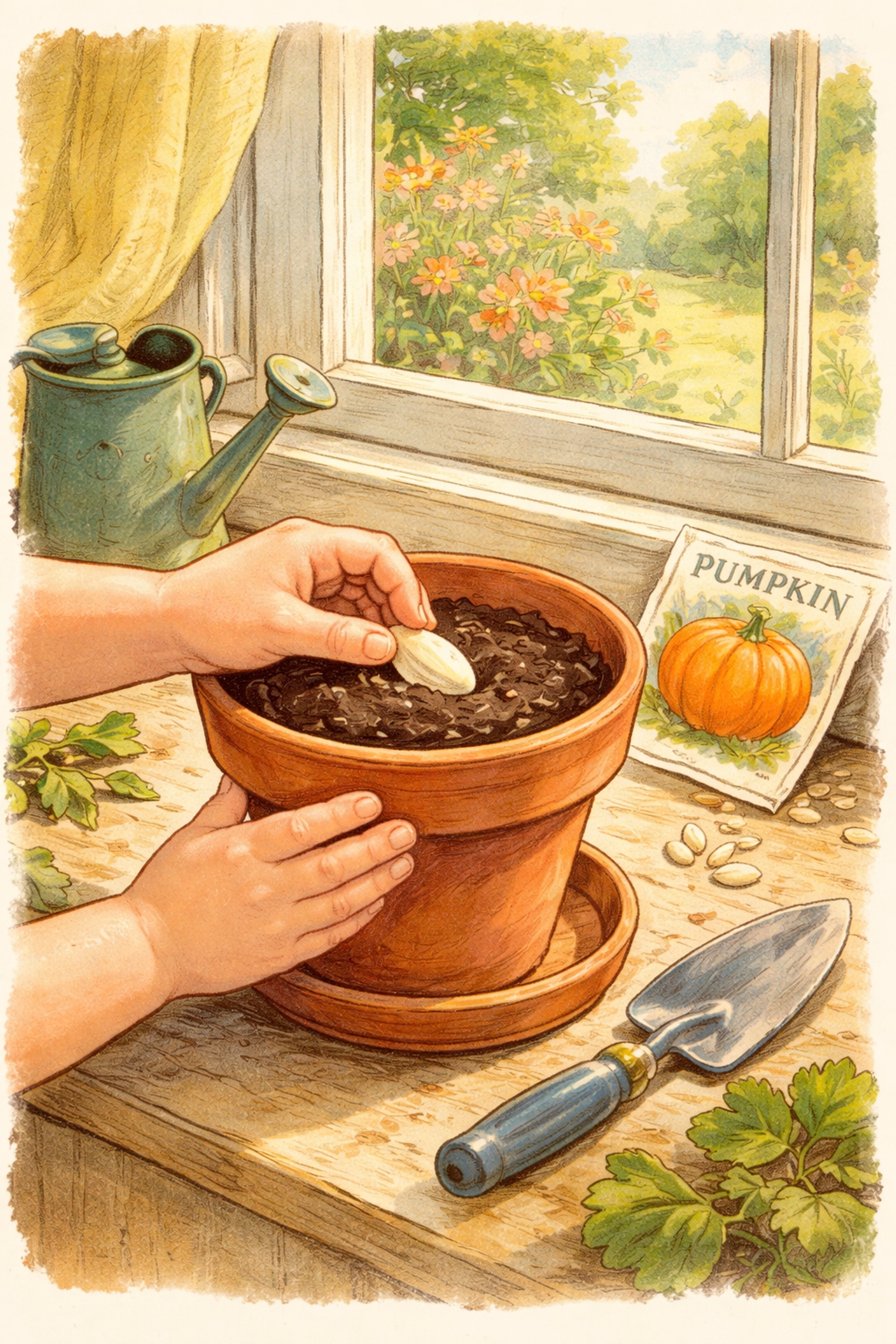
About 2-3 weeks before your last frost date, plant your ghost pumpkin seeds indoors. Poke a seed about 1 inch deep into moist potting soil. Keep them warm and sunny, a windowsill works perfectly.
Step 2: Transplant After Frost Danger Passes
Once your seedlings have 2-3 true leaves and the weather is consistently warm (soil temperature around 65°F), it's time to move them outside. Choose a spot with full sun, pumpkins are sun worshippers.
Step 3: Give Them Room to Roam
Pumpkin vines spread like rumors at a school cafeteria. Space your plants about 4-6 feet apart, or grow them along a fence where they can wander freely.
Step 4: Water Consistently
Pumpkins are thirsty! Water deeply once or twice a week, aiming for the base of the plant rather than the leaves. Wet leaves can invite fungus, and nobody wants that at their spooky party.
Step 5: Wait for the Magic
In about 90-120 days (depending on your variety), you'll have gorgeous white pumpkins ready for harvest. They're ripe when the skin is hard and the stem starts to dry out.
Pro tip: Lumina pumpkins are pure white inside and out. Casper pumpkins have orange flesh, perfect for pies!
Step-by-Step: Growing Your Purple Peppers
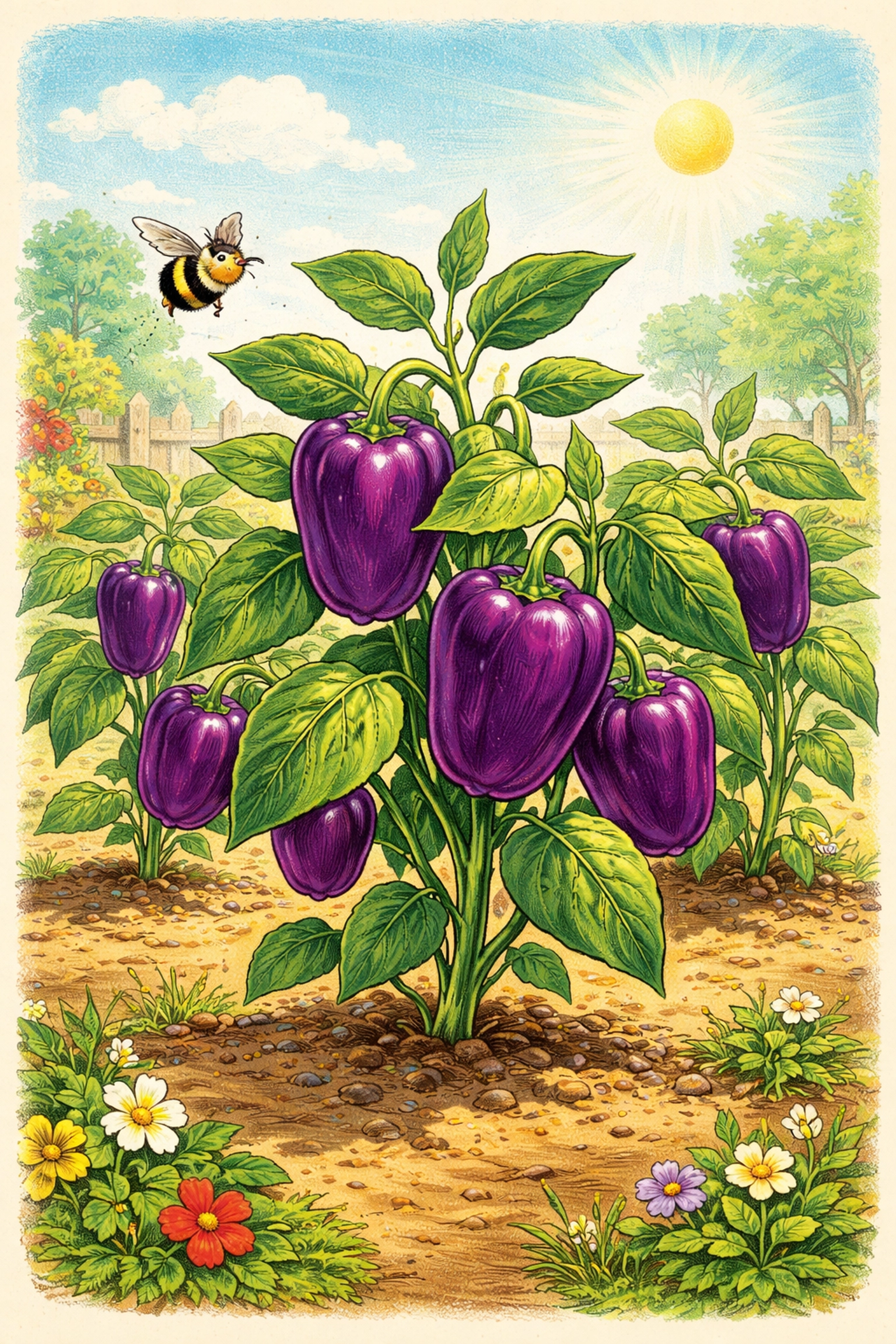
Purple peppers are the moody teenagers of the vegetable world, and we mean that in the best way. Their deep purple skin fades to green and red as they ripen, giving you a rainbow of spooky colors all season long.
Step 1: Start Seeds Indoors (Early Spring)
Peppers need a head start. Plant seeds indoors 8-10 weeks before your last frost date. They like it warm, so keep them in a cozy spot around 70-80°F.
Step 2: Harden Off Your Seedlings
Before transplanting, spend about a week "hardening off" your seedlings. This just means gradually introducing them to outdoor conditions, a few hours outside each day, increasing over time. Think of it as pepper boot camp.
Step 3: Transplant to a Sunny Spot
Once nighttime temperatures stay above 55°F, plant your peppers in a sunny location. They can grow in containers too, which is great for apartment balconies or small patios.
Step 4: Feed and Water Regularly
Peppers like consistent moisture and appreciate a light feeding every few weeks. A balanced fertilizer or compost tea works wonderfully.
Step 5: Harvest When Ready
Purple peppers can be picked at any stage. Want maximum drama? Harvest when they're deep purple. Want sweetness? Let them ripen to red. Either way, you win.
Design Tips for Maximum Spookiness
Now that you've got your star players growing, let's talk atmosphere. A truly spooky garden is all about the vibe.
Add dark foliage plants: Surround your ghost pumpkins and purple peppers with plants that have deep, dramatic leaves. Black mondo grass, dark purple basil, or "Black Magic" elephant ears create an eerie backdrop that makes your white pumpkins pop.
Think about lighting: As Halloween approaches, add flickering solar lanterns or string lights with purple and orange bulbs. Uplighting from below creates dramatic shadows that'll make your garden look like a scene from a classic monster movie.
Create a "graveyard" border: Let the kids paint flat stones to look like tiny tombstones. Scatter them among the plants for a playfully spooky touch.
Leave some wildness: Don't over-manicure. A slightly overgrown, mysterious look adds to the haunted garden feel.

Timing Your Spooky Garden for Halloween
Here's a quick timeline to make sure everything peaks at the perfect moment:
| Plant | Start Seeds | Transplant | Harvest |
|---|---|---|---|
| Ghost Pumpkins | Late April/Early May | Late May/June | September-October |
| Purple Peppers | February-March | Late May/June | July-October |
If you're reading this in summer and missed the seed-starting window, check your local nursery for transplants. Many garden centers carry unusual varieties, especially as fall approaches.
What to Do With Your Spooky Harvest
Ghost pumpkins aren't just for decoration, they make excellent pies, soups, and roasted pumpkin dishes. Their flesh is sweet and smooth, perfect for fall recipes.
Purple peppers are mild and crunchy, delicious raw in salads or stuffed with cream cheese for a Halloween party appetizer. The kids can help wash and prep them while you tell spooky stories in the kitchen.
And of course, line up those ghost pumpkins on your porch with some candles inside. They glow beautifully and last longer than carved jack-o'-lanterns since you're not cutting them open.
Frequently Asked Questions
Are ghost pumpkins natural or genetically modified?
Completely natural! White pumpkins are heirloom varieties that have been grown for generations. No lab coats required.
Can I eat purple peppers when they're purple?
Absolutely. Purple peppers are fully edible at any color stage. They're slightly less sweet when purple and get sweeter as they turn red.
Do ghost pumpkins taste different from orange pumpkins?
The flavor is very similar, though some say white varieties are slightly sweeter and smoother. They work great in any pumpkin recipe.
How big do ghost pumpkins get?
It depends on the variety. Lumina pumpkins can reach 10-15 pounds, while Casper stays smaller at 9-12 pounds, perfect for porch displays.
Can I grow these in containers?
Peppers do great in containers (at least 5-gallon size). Pumpkins need more room, so choose compact varieties like "Baby Boo" if you're container-limited.
Why are my purple peppers turning green?
Don't panic! Purple peppers often transition through green on their way to red. It's all part of their colorful life cycle.
When should I harvest ghost pumpkins?
When the skin is hard and you can't puncture it with your fingernail, and the stem is dry and corky. Usually late September through October.
Are these plants safe for kids to handle?
Yes! Both ghost pumpkins and purple peppers are non-toxic and completely kid-friendly. Just watch for any thorny stems on pumpkin vines.
Can I save seeds for next year?
You can, but results vary. Heirloom varieties usually grow true to type, while hybrid seeds might surprise you with different results.
Happy haunting, gardeners! There's nothing quite like growing your own spooky décor and watching your kids' faces light up when those ghostly white pumpkins emerge from the vine. It's Halloween magic you can eat.
For more fun family gardening projects, explore our kids crafts section or browse our latest blog posts for year-round growing adventures.