



Growing Glass Gem corn with kids is surprisingly simple, plant seeds 1 inch deep after the last frost, water about 1 inch per week, and wait 115-120 days for the magic to reveal itself. The whole project costs under $10, requires minimal garden space (even containers work!), and delivers one of the most jaw-dropping harvests your family will ever experience. Seriously, when you peel back that first husk and see those rainbow jewel-toned kernels? Pure gold.
Why Glass Gem Corn Is the Coolest Vegetable on Earth
Let's be honest, getting kids excited about growing vegetables can be a tough sell. "Hey, want to watch a tomato slowly turn red for three months?" Not exactly thrilling.
But Glass Gem corn? That's a whole different story.
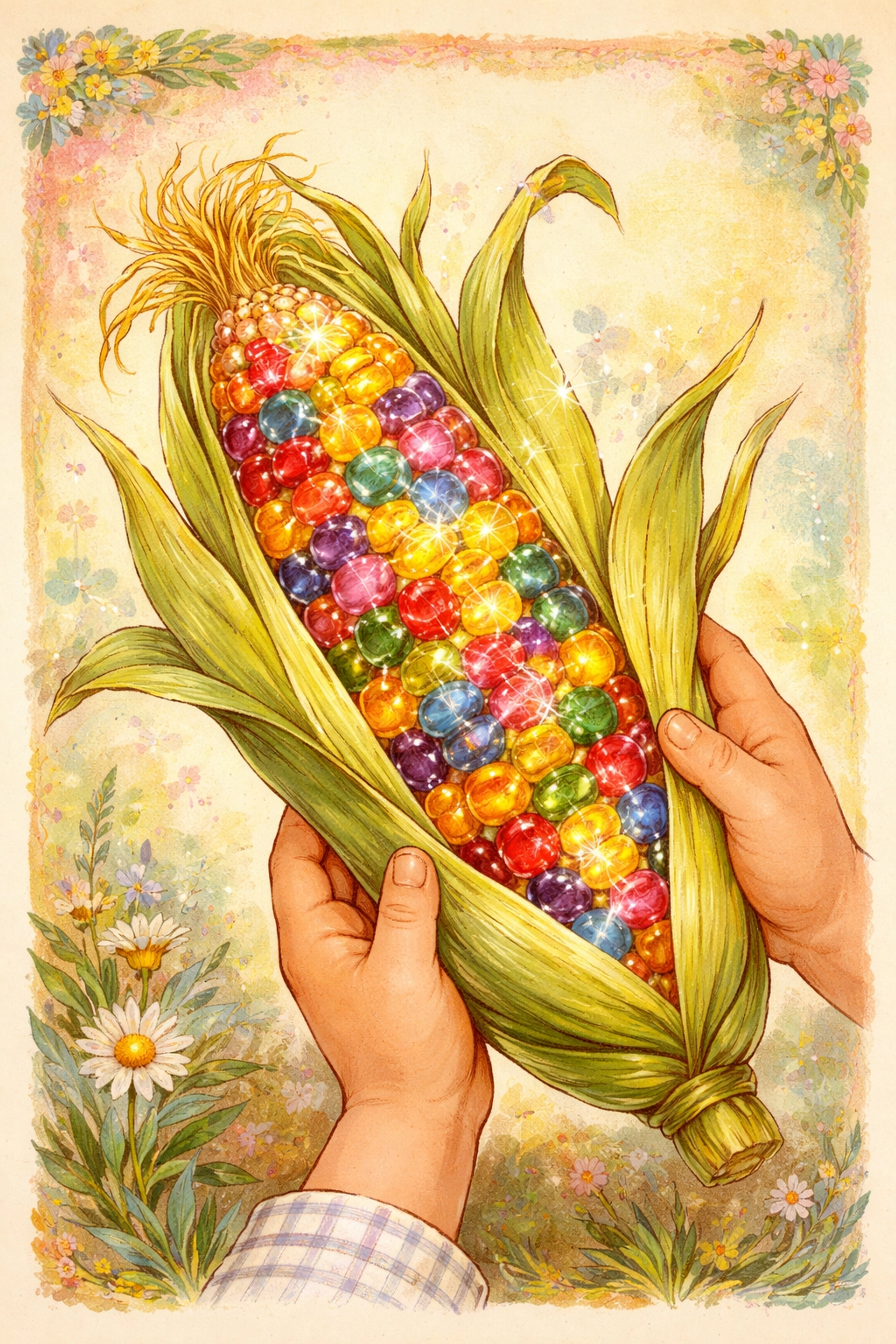
This isn't your grocery store yellow corn. Each ear of Glass Gem corn looks like it was designed by a wizard who raided a treasure chest. We're talking translucent kernels in ruby red, sapphire blue, amber gold, emerald green, and every shade in between, often all on the same cob. Every single ear is unique, like a fingerprint made of gemstones.
The best part? Kids won't believe it's real until they grow it themselves.
What You'll Need (Budget: Under $10)
Here's your shopping list, simple, affordable, and probably partially in your garage already:
| Item | Estimated Cost |
|---|---|
| Glass Gem corn seeds (1 packet) | $3-5 |
| Potting soil or garden bed access | $0-3 |
| 5-gallon bucket or garden space | $0-2 |
| Watering can or hose | Free (you've got one!) |
Total: $3-10
That's it. No fancy equipment, no special grow lights, no PhD required. Just seeds, dirt, water, and a little patience.
Where to Find Glass Gem Corn Seeds
Most garden centers carry them now, but if yours doesn't, online seed suppliers have plenty of options. Look for "Glass Gem" or "Cherokee Glass Gem" varieties. One packet usually contains 50+ seeds, way more than you'll need for a family project.
Step-by-Step: Growing Your Rainbow Treasure
Alright, let's get those little hands dirty! Here's how to grow Glass Gem corn from start to spectacular finish.
Step 1: Wait for Warm Soil
Glass Gem corn is a warm-weather crop. You'll want to plant after your last frost date, once the soil temperature hits at least 65°F. Stick your finger in the dirt, if it feels cold, wait another week or two.
For most of us, that means late May or early June. Mark it on the calendar and let the kids count down the days!
Step 2: Pick Your Spot
Glass Gem corn needs full sun, at least 6-8 hours of direct sunlight daily. A sheltered spot protected from strong winds is ideal since corn stalks can get tall and tippy.
Short on space? No problem! Corn grows beautifully in 5-gallon buckets or large containers on a patio or deck. Just make sure there are drainage holes in the bottom.
Step 3: Plant in Blocks, Not Rows
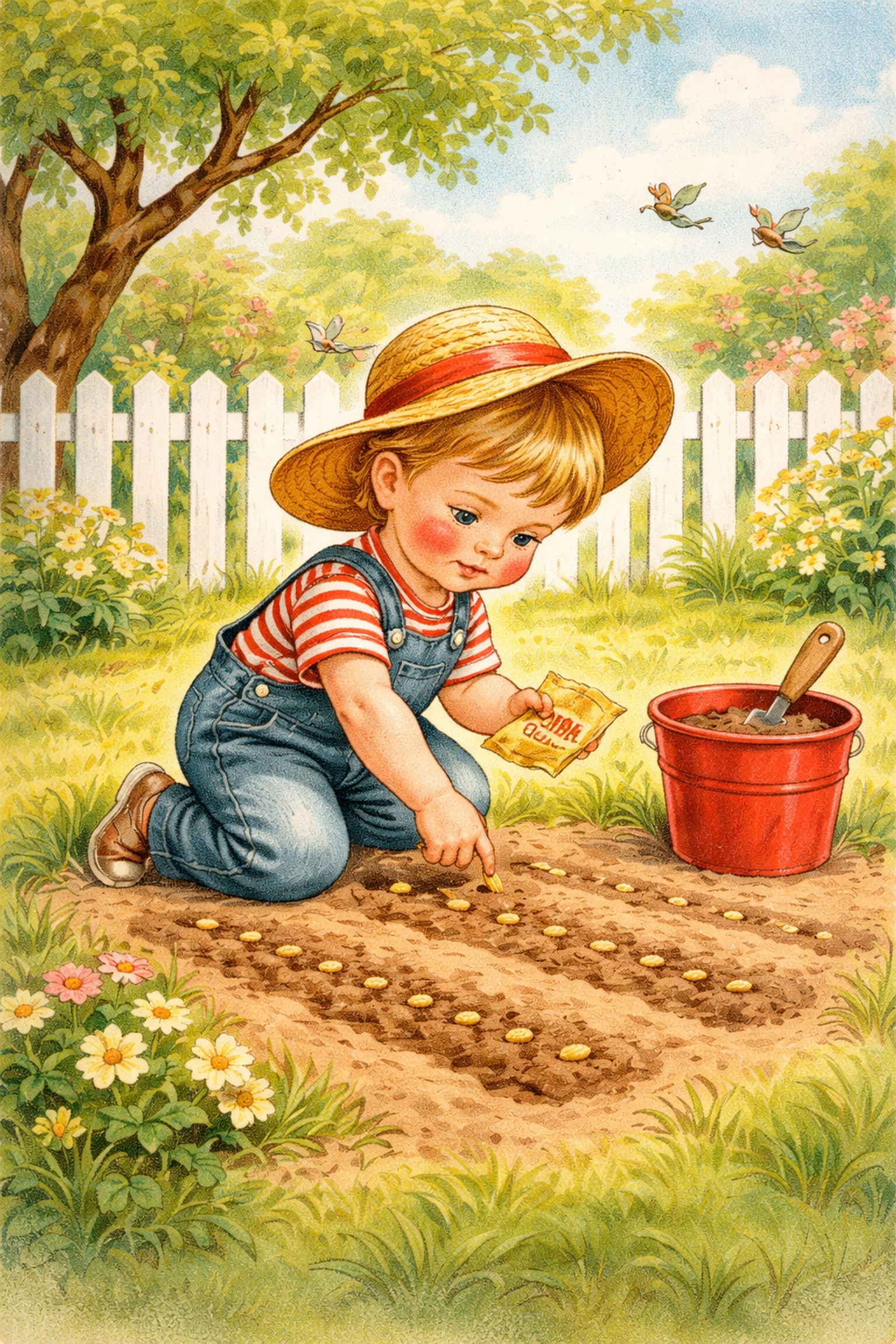
Here's a gardening secret that'll make or break your corn crop: plant in blocks or squares, not single rows.
Why? Corn is wind-pollinated. The tassels at the top release pollen that needs to land on the silks of nearby plants. If you plant one lonely row, the wind just blows that pollen into the neighbor's yard. Plant a tight block, and everyone gets pollinated properly, which means fully developed, colorful kernels on every cob.
Planting instructions:
- Poke holes about 1 inch deep
- Space seeds 6-12 inches apart
- Create at least a 3×3 or 4×4 grid pattern
- Drop one seed per hole and cover with soil
- Water gently
Let the kids do the poking and dropping, they'll remember it forever.
Step 4: Thin the Herd
Once your seedlings sprout (usually 7-14 days), you might have some crowding. When plants are a few inches tall, thin them out by removing the weaker seedlings. This gives the strong ones room to thrive.
Yes, it feels a little sad to pull up baby plants. Think of it as giving the champions space to become superstars.
Step 5: Water and Feed
Corn is thirsty! Plan on about 1 inch of water per week, more during hot, dry spells. Kids can absolutely own this job. A daily "corn check" with the watering can becomes a fun summer routine.
Once seedlings reach about 4 inches tall, feed them with an organic liquid fertilizer. After that, a layer of mulch around the base of the plants helps retain moisture and keeps weeds down.
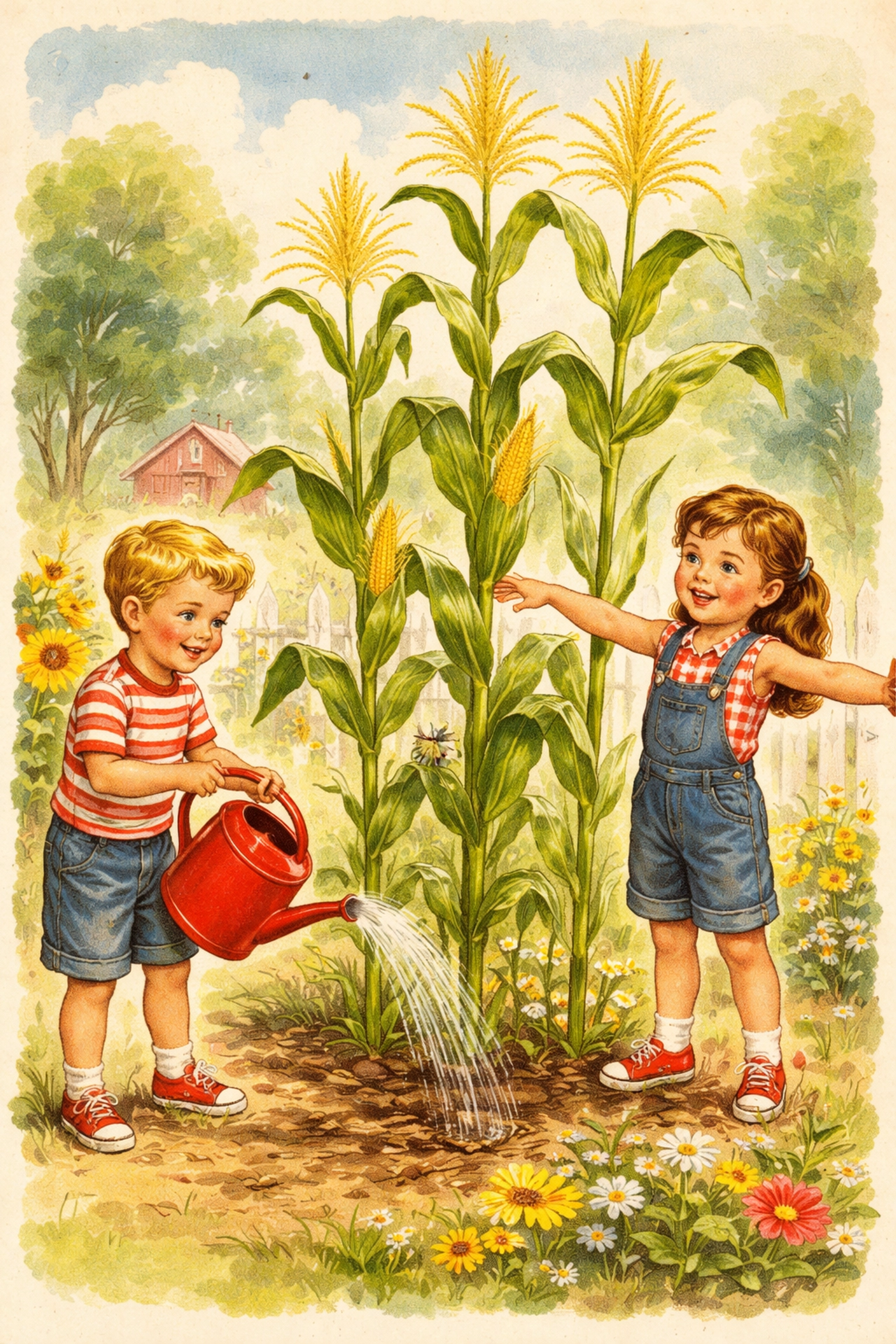
Step 6: Watch the Magic Happen
Over the next few months, your corn will shoot up surprisingly fast, sometimes inches per day during peak growth. Kids love measuring the stalks and tracking progress on a chart.
Around midsummer, you'll see tassels form at the top (the "boy" parts) and silks emerge from the developing ears (the "girl" parts). This is pollination time! You can even help things along by gently shaking the stalks on calm days.
Pro tip: Watch out for crows and other birds, they love to snack on germinating seeds. A light netting over your planting area for the first few weeks can save a lot of heartache.
Step 7: The Big Reveal (Harvest Time!)
This is what everyone's been waiting for. About 115-120 days after planting, your corn will be ready. You'll know it's time when:
- The husks are completely dry and papery
- The silks have turned brown and crispy
- The ear feels firm when you squeeze it gently
To harvest, grip the ear firmly and give it a sharp downward tug. It should snap right off the stalk.
Now comes the moment of truth. Gather the family, peel back that husk slowly, and prepare for the collective gasp. Every ear is a surprise, you truly never know what color combination you'll get until you see it.

What Can You Do with Glass Gem Corn?
Unlike sweet corn, Glass Gem is a flint corn, meaning it's not meant for eating fresh off the cob. But that doesn't mean it's just for looking at! Here's what your family can do with your harvest:
Decoration: Hang dried ears on your front door, create a stunning fall centerpiece, or string kernels into colorful garlands.
Popcorn: Yep, it pops! Remove dried kernels from the cob, toss them in a pot with a little oil, and watch the magic. The popped corn is white, but the experience is unforgettable.
Cornmeal: Grind dried kernels in a food processor or grain mill for homemade cornmeal. Rainbow cornbread, anyone?
Seed saving: Save some kernels to plant next year! Each generation will produce slightly different color combinations.
Troubleshooting Common Issues
Kernels missing on the cob? Poor pollination. Next year, plant in a tighter block pattern.
Stalks falling over? Wind damage or shallow roots. Hill up soil around the base of plants for support.
Ears look small? Likely needs more water or fertilizer. Corn is a heavy feeder!
Frequently Asked Questions
Can you eat Glass Gem corn raw?
No, Glass Gem is a flint corn, not sweet corn. It's best used dried for decoration, popcorn, or grinding into cornmeal.
How long does Glass Gem corn take to grow?
About 115-120 days from planting to harvest. Plan for a late summer or early fall harvest if you plant in late spring.
Can you grow Glass Gem corn in containers?
Absolutely! A 5-gallon bucket works well. Just make sure it has drainage holes and gets full sun.
Why do you plant corn in blocks instead of rows?
Corn is wind-pollinated. Planting in blocks ensures pollen from the tassels reaches the silks of neighboring plants, which creates fully developed ears.
Will my Glass Gem corn look exactly like the pictures online?
Every ear is unique! You'll get a gorgeous variety of colors, but no two ears are identical, that's part of the fun.
Can I save seeds from my Glass Gem corn?
Yes! Just make sure the corn is fully dried before removing kernels. Store in a cool, dry place and plant next spring.
Is Glass Gem corn kid-safe?
Completely! It's non-toxic and perfect for handling, crafting, and displaying. Just supervise young children around loose dried kernels to prevent choking hazards.
How much space do I need to grow Glass Gem corn?
A 4×4 foot area can hold about 16 plants: plenty for a family project. Container gardening works too if space is limited.
When should I plant Glass Gem corn?
After your last frost date, once soil temperatures reach at least 65°F. For most areas, that's late May through early June.
Growing Glass Gem corn is one of those projects that reminds everyone: kids and grown-ups alike: that nature is absolutely wild and wonderful. For under ten bucks and a few months of patience, your family gets a front-row seat to one of the most beautiful vegetables on the planet.
Now get out there and plant some magic!