




Quick Answer: Yes, you can absolutely grow spinach in a vertical aeroponics system, and it's one of the best leafy greens for this method! Spinach thrives when its roots hang freely in the air and get misted with a nutrient-rich solution. Expect harvest-ready leaves in just 30 to 40 days, which is faster than traditional soil gardening. The keys to success are maintaining proper pH levels (5.5–6.5), providing 10–14 hours of light daily, and using a nitrogen-rich nutrient solution.
Let's walk through exactly how to set this up, step by step.
Why Spinach Loves Vertical Aeroponics
Spinach is practically made for vertical aeroponic systems. Here's why this pairing works so well:
- Compact size: Spinach plants stay relatively small and lightweight, making them perfect for vertical towers where space is at a premium.
- Fast growth: With roots exposed to maximum oxygen and nutrients, spinach grows significantly faster than in soil, sometimes cutting your wait time nearly in half.
- Continuous harvesting: You can pick outer leaves while inner leaves keep growing, giving you fresh spinach over several weeks from the same plant.

Aeroponics takes the principles of hydroponics one step further. Instead of submerging roots in water, you're misting them at regular intervals. This maximizes oxygen exposure and nutrient absorption, which leafy greens like spinach absolutely love.
What You'll Need to Get Started
Before we dive into the steps, let's gather your supplies. If you already have a vertical aeroponic tower or system, you're ahead of the game. If not, you can find affordable DIY tower plans or starter kits online.
Essential Supplies
| Item | Purpose | Estimated Cost |
|---|---|---|
| Spinach seeds (1 packet) | Growing your crop | $2–$3 |
| Rapid rooter plugs (or rockwool cubes) | Seed germination | $3–$5 |
| Hydroponic nutrient solution (small bottle) | Feeding your plants | $4–$6 |
| pH testing strips | Monitoring water quality | $3–$4 |
Budget-friendly tip: For under $10, you can get started with seeds, starter plugs, and pH strips. Many households already have spray bottles and basic containers that can be repurposed for germination.
Step-by-Step: Growing Spinach in Your Aeroponic System
Step 1: Choose Your Spinach Variety
Not all spinach varieties perform equally in aeroponic systems. Look for these tried-and-true options:
- Bloomsdale – Classic crinkled leaves with excellent flavor
- Noble Giant – Large leaves, vigorous growth
- Matador Viking – Slow to bolt, great for longer harvests
- America – Smooth leaves, fast-growing
- New Zealand – Heat-tolerant (technically a different plant family, but grows similarly)
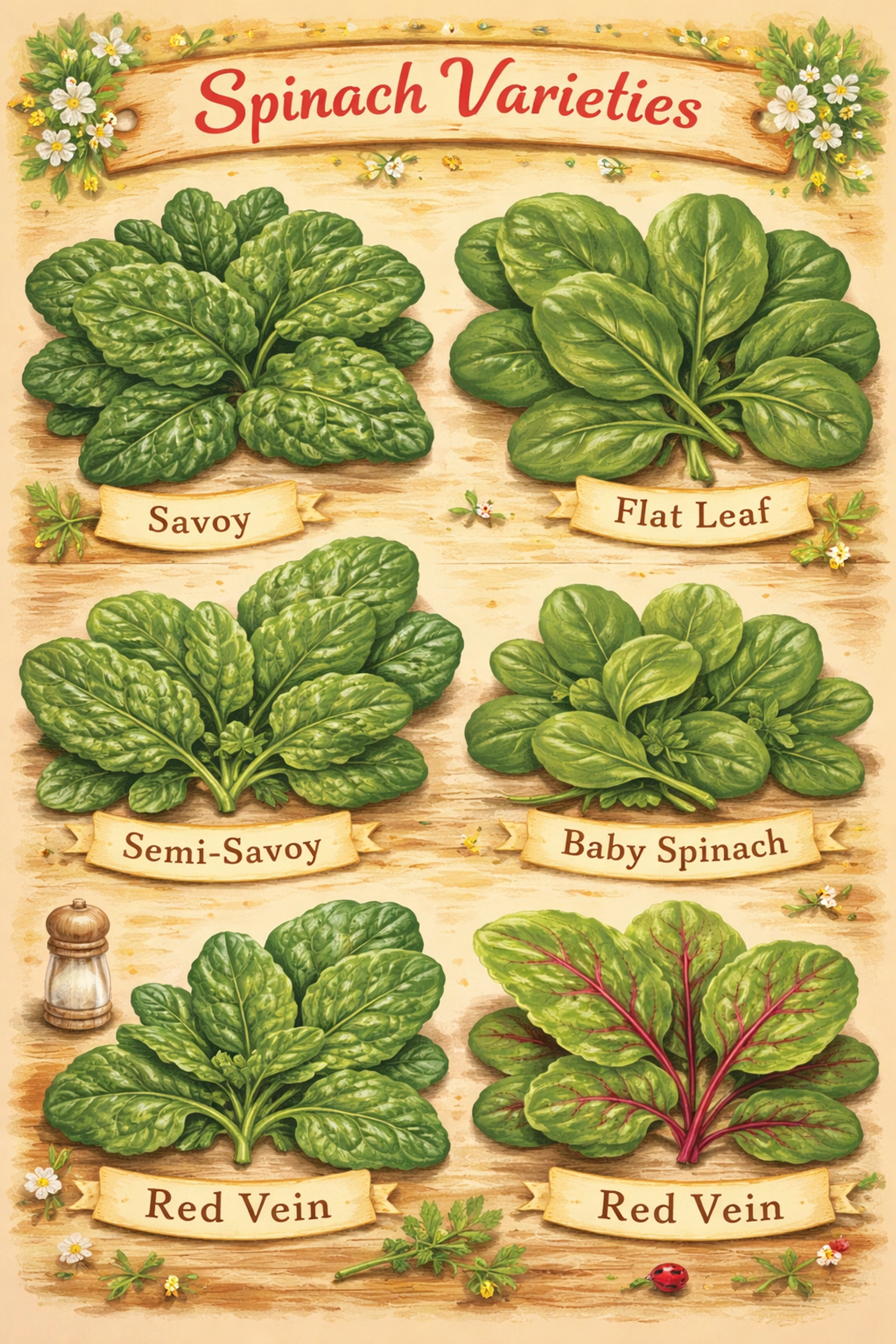
Pick up a seed packet from your local garden center or order online. One packet will give you plenty of seeds for multiple growing cycles.
Step 2: Germinate Your Seeds
Here's where the magic starts. You have two options for germination:
Option A: Rapid Rooter Plugs (Recommended)
- Moisten your rapid rooter plugs with plain, pH-balanced water.
- Place 1–2 spinach seeds into the pre-made hole in each plug, about 0.5 inches (1.27 cm) deep.
- Keep plugs in a tray with a humidity dome or loosely covered with plastic wrap.
- Place in a warm spot (65–70°F is ideal) with indirect light.
- Seeds should sprout within 5–10 days.
Option B: Cold Stratification (For Stubborn Seeds)
If your seeds are slow to germinate, try refrigerating them for up to three weeks before planting. This mimics winter conditions and can improve germination rates.
Wait until you see roots extending out of the bottom of your plugs before moving seedlings to your aeroponic system. Patience here prevents transplant shock later.
Step 3: Transfer Seedlings to Your Vertical System
Once those little roots are poking out (usually about 1–2 inches long), it's time to move your seedlings into the aeroponic tower.
- Gently place each seedling (still in its plug) into a net pot or growing cup.
- Position the net pot in your tower so roots can hang freely below.
- Space seedlings 2 to 4 inches apart to allow for leaf growth without crowding.
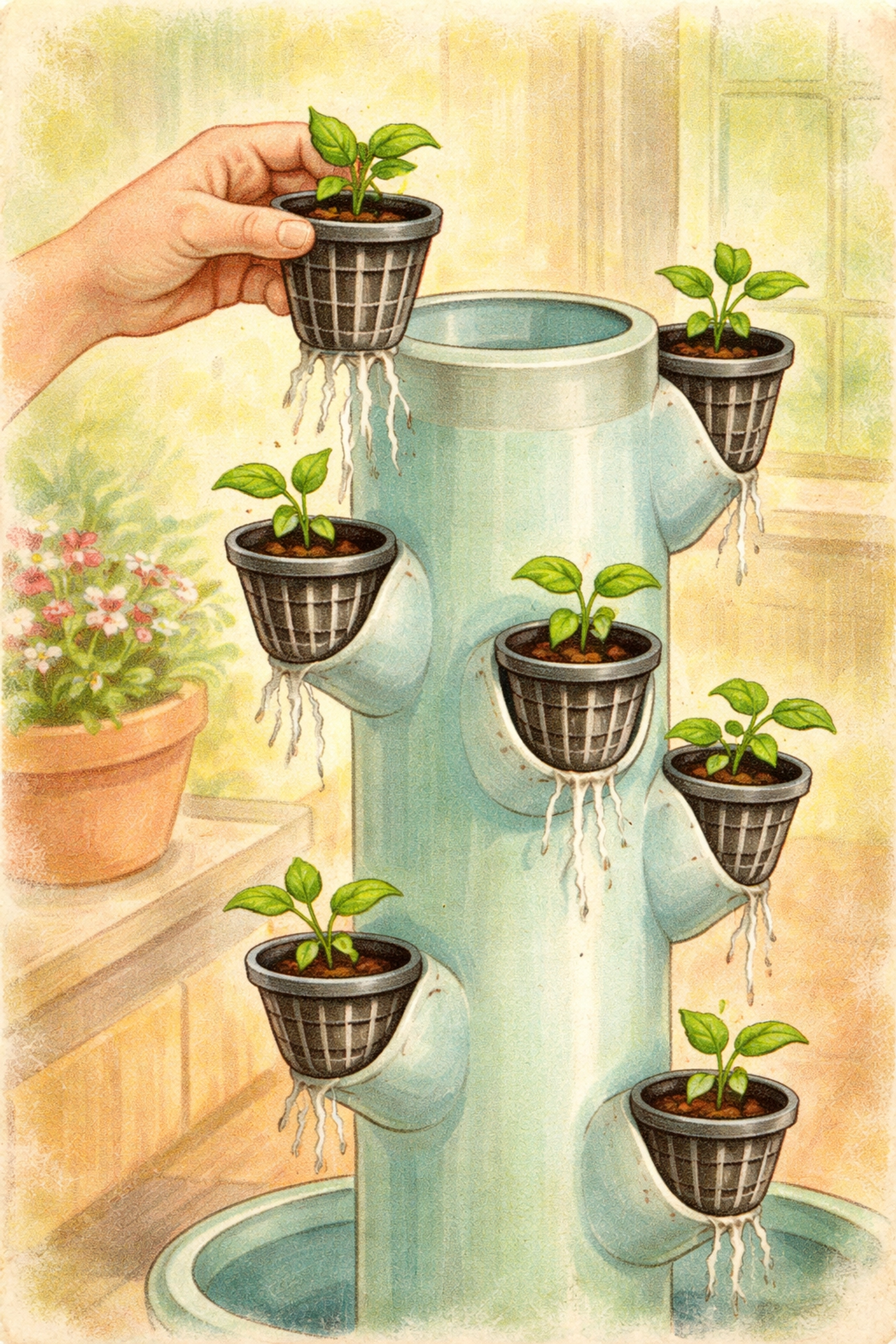
The beauty of spinach is that it doesn't take up much horizontal space, so you can pack quite a few plants into a single tower.
Step 4: Dial In Your Nutrient Solution
Your misting system will deliver nutrients directly to those dangling roots. Getting this right is crucial.
pH Level: Keep your solution between 5.5 and 6.5. Use pH testing strips to check regularly (every few days) and adjust with pH up or pH down solutions as needed.
Electrical Conductivity (EC): Aim for an EC range between 1.8 and 2.3. This measures nutrient concentration, too low and plants starve, too high and you risk nutrient burn.
Nutrient Formula: Choose a balanced hydroponic fertilizer that's higher in nitrogen. Nitrogen promotes lush, leafy growth, exactly what you want from spinach.
Step 5: Set Up Your Lighting
Spinach needs plenty of light, but not too much. Here's the sweet spot:
- Duration: 10–14 hours of light per day
- Type: LED grow lights or fluorescent lights work great
- Intensity: Moderate, spinach can actually struggle with overly intense light
If you're growing near a sunny window, 6–8 hours of direct sunlight daily can work, but supplemental lighting helps ensure consistent results, especially in winter months.
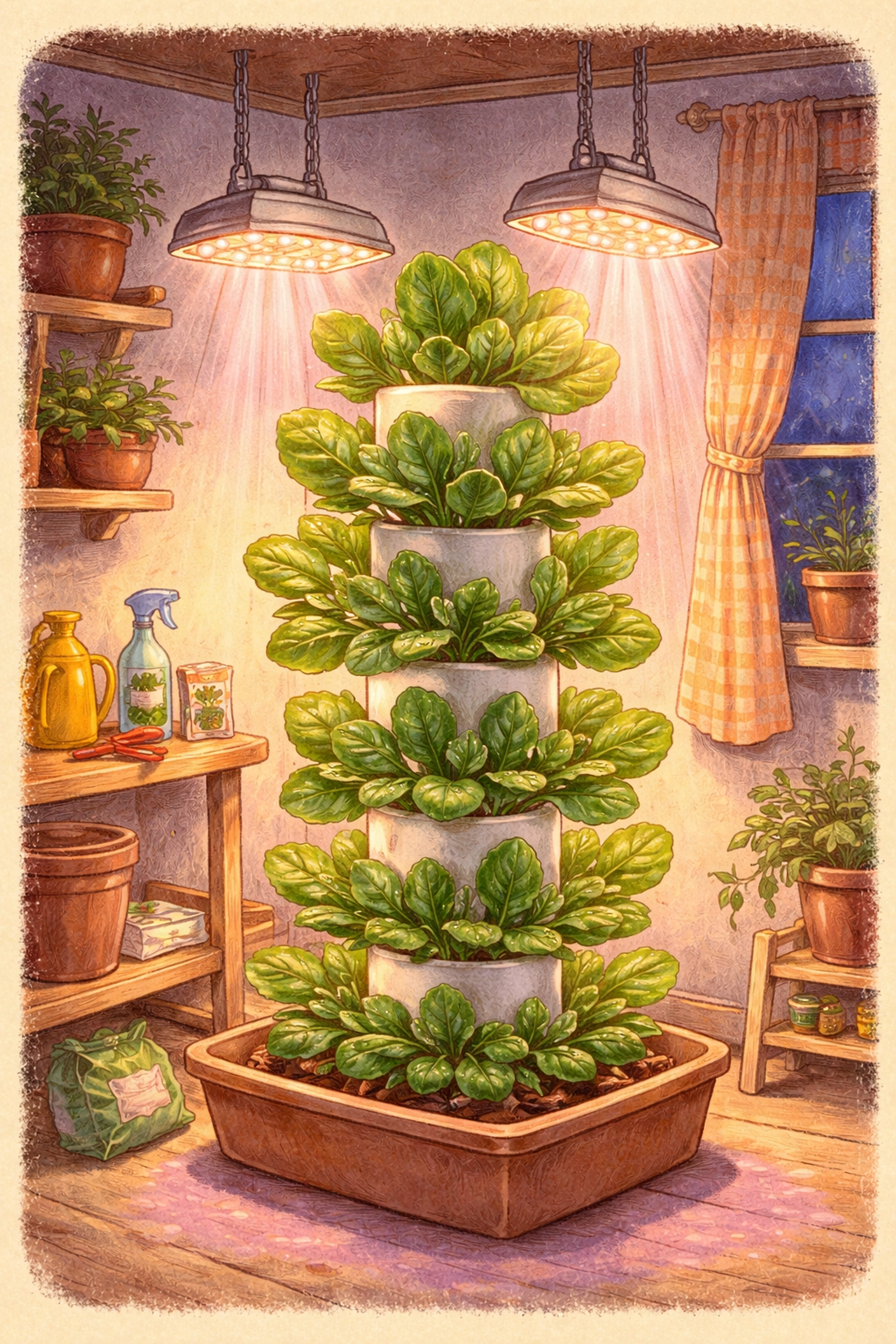
Pro tip: Use a simple outlet timer to automate your light schedule. Consistency matters more than you might think.
Step 6: Monitor and Maintain
Check on your system every day or two:
- Ensure misting nozzles aren't clogged
- Top off your nutrient reservoir as water levels drop
- Watch for any yellowing leaves (could indicate pH or nutrient issues)
- Keep air temperature between 60–70°F for best results
Spinach prefers cooler conditions. If your growing area gets too warm (above 75°F), plants may bolt, meaning they'll start producing flowers and seeds instead of tasty leaves.
Step 7: Harvest Your Spinach
Here's the fun part! Spinach typically reaches maturity in 30 to 40 days under optimal aeroponic conditions.
You can harvest in two ways:
- Cut-and-come-again: Snip outer leaves when they're 3–4 inches long, leaving the center to keep producing.
- Full harvest: Cut the entire plant at the base once it's fully mature.
The cut-and-come-again method extends your harvest window and keeps fresh spinach coming for weeks.
Common Mistakes to Avoid
- Overcrowding plants: Give each seedling enough space or you'll end up with leggy, weak plants competing for light.
- Ignoring pH: Even a slightly off pH can lock out nutrients and stunt growth.
- Too much light: Unlike some crops, spinach can suffer from light stress. Stick to the recommended 10–14 hours.
- Warm temperatures: Heat makes spinach bolt prematurely. Keep things cool.
Frequently Asked Questions
How long does spinach take to grow in an aeroponic system?
Expect harvest-ready spinach in 30 to 40 days under optimal conditions, significantly faster than soil growing.
What pH should I maintain for aeroponic spinach?
Keep your nutrient solution between 5.5 and 6.5 pH for best nutrient absorption.
Can I grow spinach from kitchen scraps in aeroponics?
Unfortunately, no. Spinach doesn't regrow from scraps like lettuce or green onions. You'll need to start from seeds. For scrap gardening ideas, check out our kitchen scrap regrow guide.
How much light does aeroponic spinach need?
Provide 10–14 hours of LED or fluorescent light daily. Too much light can actually hinder growth.
What's the best spinach variety for vertical systems?
Bloomsdale, Noble Giant, America, and Matador Viking all perform excellently in vertical aeroponic setups.
How far apart should I space spinach seedlings?
Space seedlings 2 to 4 inches apart to allow adequate airflow and leaf development.
Why is my aeroponic spinach bolting?
Bolting usually happens when temperatures climb above 75°F or light exposure exceeds 14 hours. Keep conditions cool and consistent.
Do I need special nutrients for aeroponic spinach?
Use a balanced hydroponic fertilizer with higher nitrogen content to encourage leafy growth. Maintain EC levels between 1.8 and 2.3.
References
- University of Arizona Controlled Environment Agriculture Center – Aeroponic Growing Systems
- Cornell University Cooperative Extension – Hydroponic Spinach Production Guidelines
- Maximum Yield – "Growing Spinach Hydroponically" (2023)
- USDA National Agricultural Library – Soilless Growing Media Research