



Scented spice painting is a sensory art activity where kids mix common kitchen spices like cinnamon, turmeric, and paprika with a simple flour-and-water base to create aromatic, textured artwork. It's an engaging way to involve multiple senses, touch, smell, and sight, in one creative project, and you likely have most of the supplies in your pantry right now.
This activity works wonderfully for rainy afternoons, homeschool art lessons, or anytime you want to add a little sensory magic to craft time. The best part? The whole setup typically costs less than a few dollars, and the rich, earthy scents make this a memorable experience kids tend to ask for again and again.
Why Kids Love Painting with Spices
There's something almost magical about turning everyday kitchen ingredients into art supplies. Kids get genuinely excited when they realize that the same cinnamon from their morning oatmeal can become a fragrant brown paint.
The textured, slightly puffy finish that spice paint creates is completely different from regular watercolors or acrylics. Little fingers love feeling the grainy consistency, and the distinctive scents spark conversations about where spices come from, how they're used in cooking, and why different plants smell the way they do.
It's also a low-pressure creative outlet. Since spice paints blend and layer in unexpected ways, there's no "wrong" way to use them. Abstract swirls look just as wonderful as attempted landscapes or portraits.
Materials You'll Need
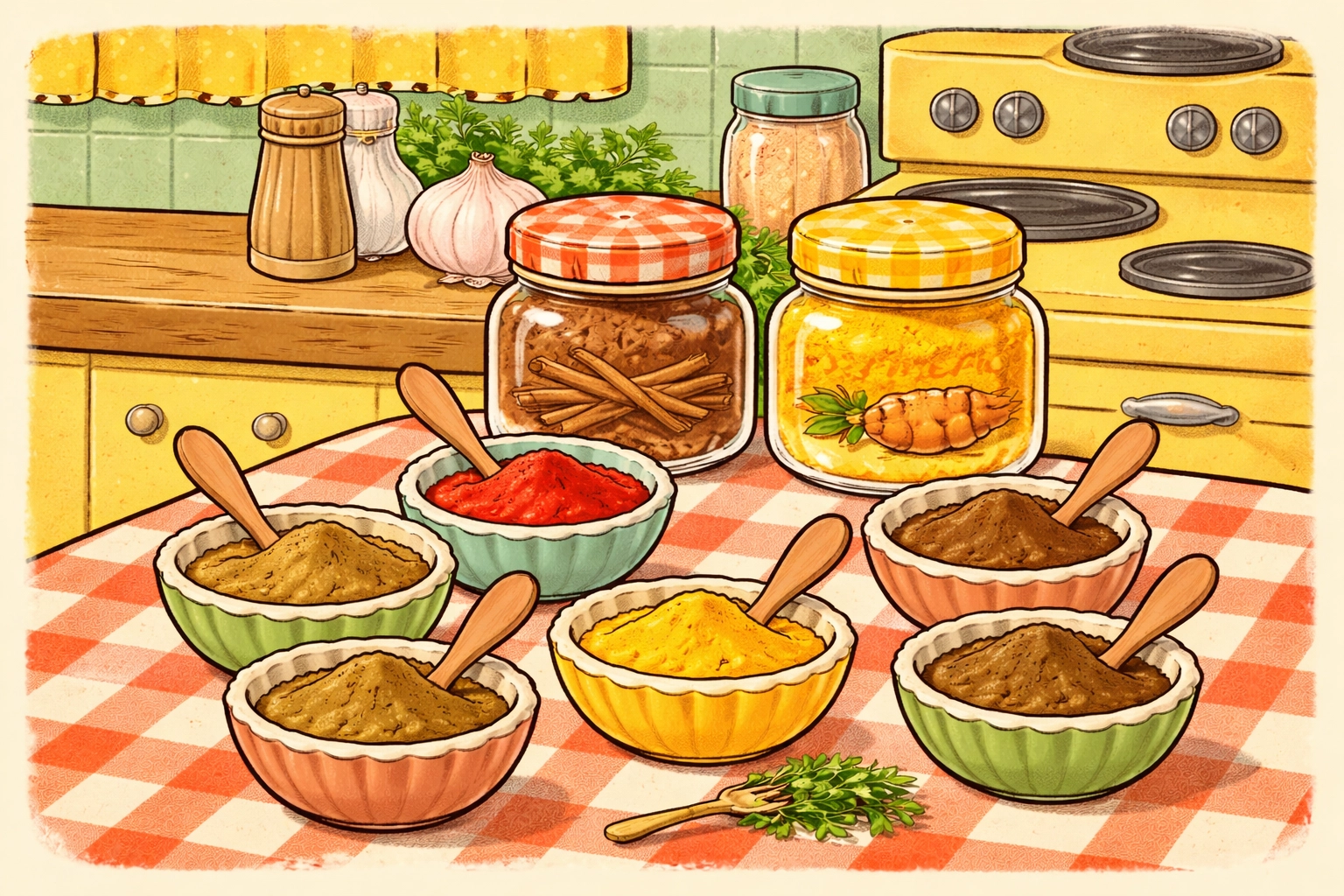
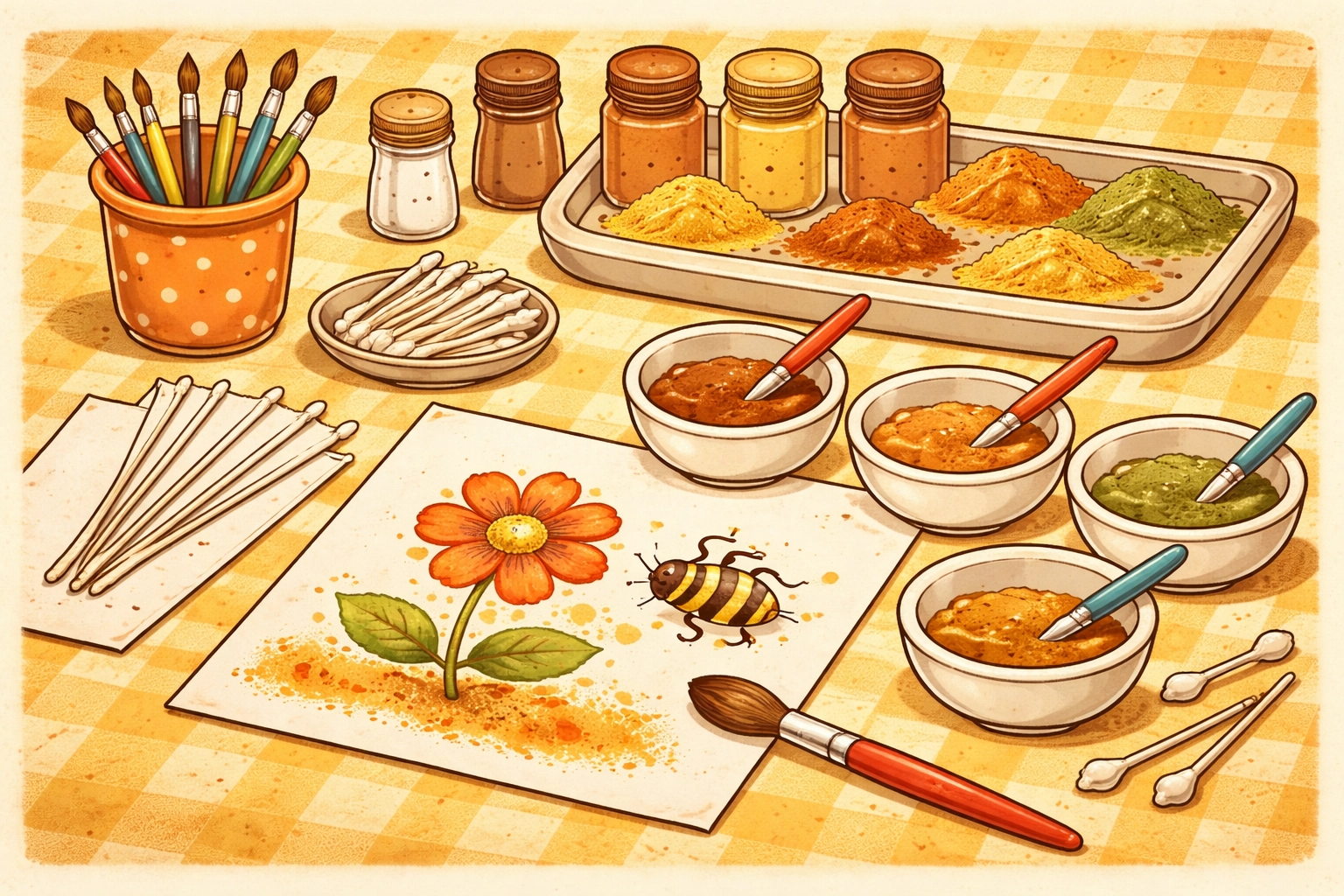
Here's what to gather before you start. Most families find they already own at least half of these items.
| Material | Approximate Cost | Notes |
|---|---|---|
| All-purpose flour | $0.50 | 1 cup needed |
| Vegetable oil | $0.25 | 1 tablespoon |
| Ground cinnamon | $1.00 | Often produces the richest color |
| Ground turmeric | $1.50 | Creates vibrant yellow-gold tones |
| Paprika | $1.00 | Adds warm orange-red hues |
| Nutmeg or cumin | $1.50 | For earthy brown variations |
| Small bowls or cups | $0.00 | Use what you have |
| Paintbrushes, sponges, or cotton swabs | $1.00 | Dollar store options work great |
| Thick paper or cardstock | $1.50 | Heavier paper holds up better |
| Total | Under $8 |
You can absolutely substitute different spices based on what's in your cabinet. Cardamom, thyme, and cocoa powder also work well if you want to experiment beyond the basics.
Age Range and Time Estimate
Best enjoyed by ages: 3 to 10 years old
Skill level: Beginner-friendly for all ages
Time needed: 30 to 45 minutes (including prep and painting)
Younger children (ages 3-5) may need help mixing the paint and will likely prefer finger painting or using chunky brushes. Older kids (ages 6-10) often enjoy the mixing process as much as the painting itself and can create more detailed artwork.
This activity is also wonderfully adaptable for mixed-age groups. Toddlers can smoosh and swirl while older siblings work on more intentional designs right beside them.
Step-by-Step Instructions
Step 1: Create Your Paint Base
In a medium mixing bowl, combine 1 cup of all-purpose flour with 1¼ cups of cold water. Add 1 tablespoon of vegetable oil and stir until smooth. You're aiming for a consistency similar to thick pancake batter: not too runny, not too stiff.
If the mixture seems too thick, add water one tablespoon at a time. If it's too thin, sprinkle in a bit more flour.
Step 2: Divide and Add Spices
Portion your paint base into smaller bowls or cups: one for each spice color you want to offer. Three to five colors usually provides plenty of variety without overwhelming younger artists.
Add 1 to 2 tablespoons of ground spice to each bowl and stir thoroughly. The spice will transform the pale base into rich, earthy tones:
- Cinnamon creates warm reddish-brown
- Turmeric produces bright golden yellow
- Paprika offers orange-red shades
- Nutmeg gives you soft tan-brown
- Cocoa powder makes chocolate brown
Let the mixtures sit for about 5 minutes. This allows the spices to fully hydrate and deepen in color.
Step 3: Set Up the Painting Station
Cover your work surface with newspaper, a plastic tablecloth, or an old sheet. Spice paints can stain, and turmeric in particular leaves yellow marks on fabric and light-colored surfaces.
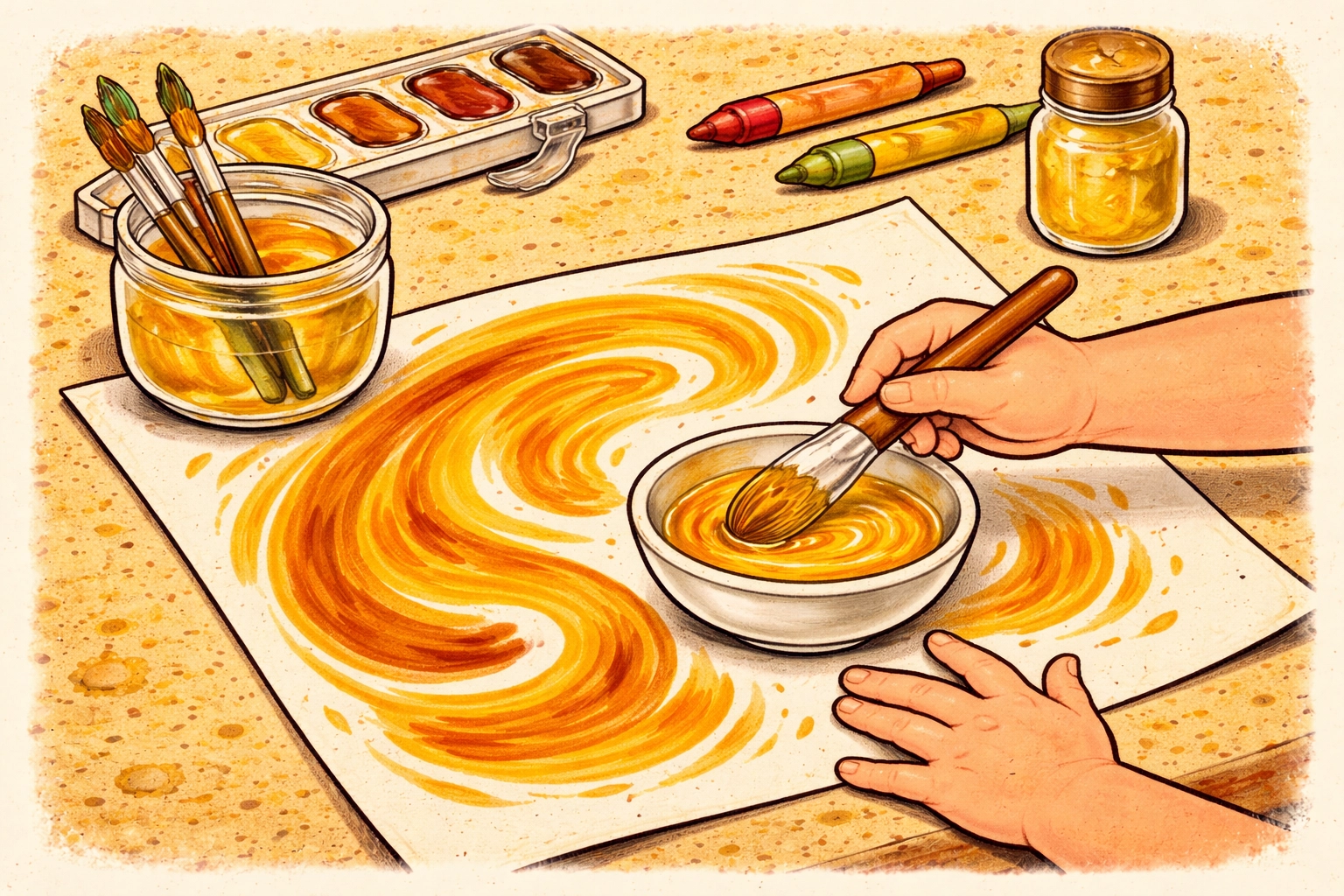
Set out thick paper or cardstock: regular printer paper tends to buckle and tear when wet. Provide a variety of painting tools: brushes, sponges, cotton swabs, or even fingers work beautifully.
Step 4: Paint and Explore
Encourage kids to experiment freely. They might paint recognizable shapes, create abstract patterns, or simply enjoy mixing colors together on the paper.
Point out how different the paint feels compared to regular art supplies. Ask questions like:
- "Which spice smells the strongest to you?"
- "What does this color remind you of?"
- "How does the paint feel on your fingers?"
The textured, slightly three-dimensional finish is part of what makes this activity special. As the paint dries, it develops a subtle sheen and visible spice particles that catch the light.
Step 5: Dry and Display
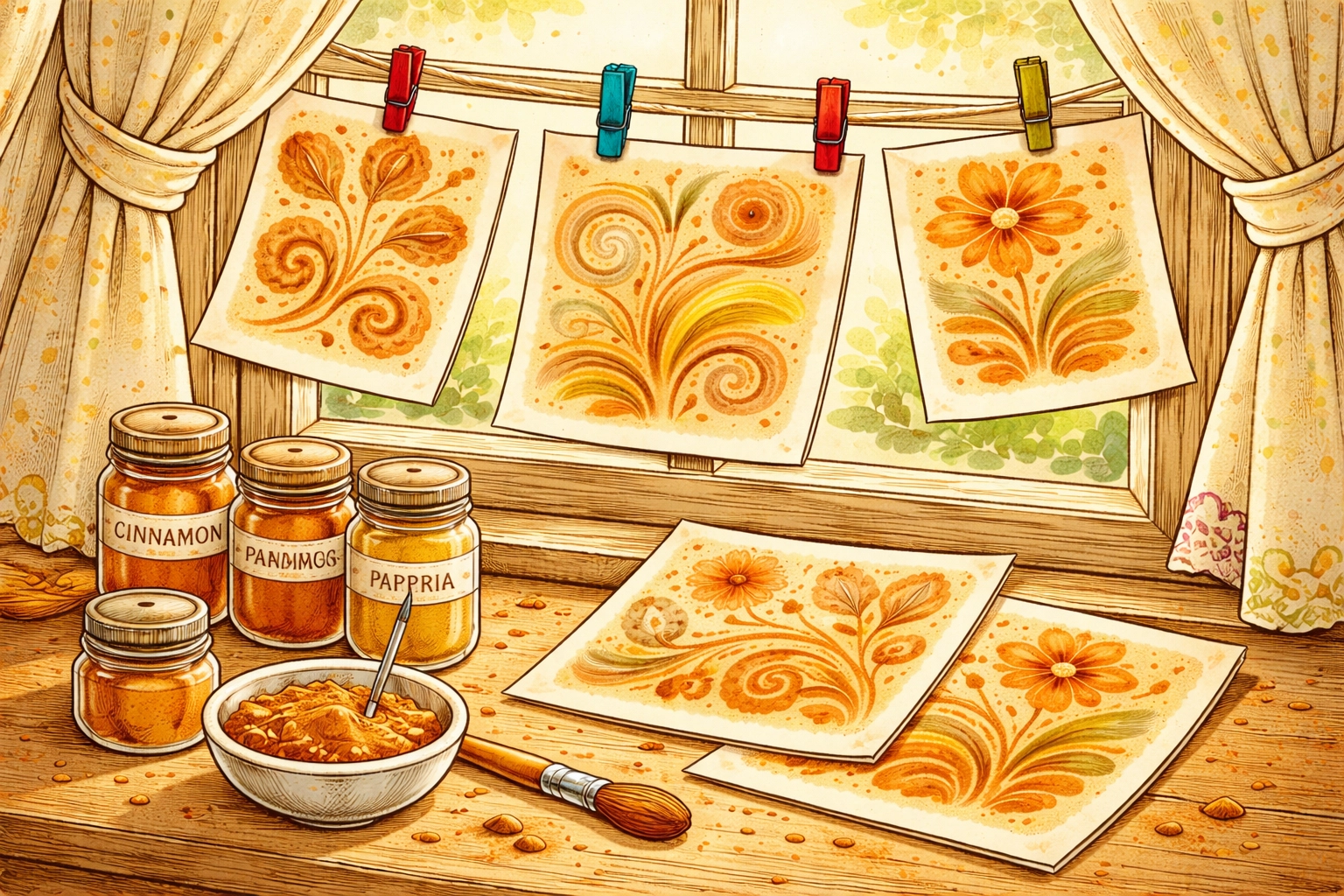
Spice paintings take longer to dry than regular paint: usually 2 to 4 hours depending on how thickly the paint was applied. Find a flat, out-of-the-way spot where artwork can rest undisturbed.
Once dry, these paintings make wonderful gifts for grandparents or can be framed for display. The subtle fragrance often lingers for several days, especially with cinnamon-heavy pieces.
Tips for Success
Use darker paper for lighter spices. Turmeric and paprika show up beautifully on white paper, but nutmeg and some cinnamon blends pop more dramatically on tan or brown cardstock.
Embrace the texture. The thick, grainy quality of spice paint is a feature, not a bug. Encourage kids to paint thickly in some areas and thinly in others to create visual interest.
Make it a smelling game. Before mixing, let kids smell each spice with their eyes closed and guess what it might be. This builds anticipation and makes the activity more interactive.
Save leftover paint briefly. Spice paint keeps in the refrigerator for 2 to 3 days if covered. Stir before using again, as the spices tend to settle.
Safety Considerations
While spice painting is generally quite safe, a few precautions help ensure everyone has a good time:
- Avoid hot spices like chili powder, cayenne, or crushed red pepper. These can irritate skin and eyes.
- Watch for eye rubbing. Remind little ones to keep painted fingers away from their faces, and have a damp cloth handy for quick cleanups.
- Protect clothing. Turmeric stains are notoriously difficult to remove. Old t-shirts or art smocks are wise choices.
- Check for allergies. If anyone in your household has spice sensitivities, adjust your ingredient list accordingly.
Frequently Asked Questions
Can I use regular paint instead of the flour mixture?
Yes! Mixing ground spices directly into white washable tempera paint works well and often produces more vibrant colors. Use about 1 tablespoon of spice per ¼ cup of paint.
Which spice creates the strongest scent?
Cinnamon typically produces the most noticeable and longest-lasting fragrance. It's often a favorite among kids for both its smell and its rich brown color.
Will the paintings smell forever?
The scent gradually fades over time, usually becoming quite subtle within a week or two. Cinnamon paintings tend to retain their fragrance longest.
Is this activity safe for toddlers who still put things in their mouths?
The ingredients are food-safe in small amounts, but the paint isn't meant to be eaten. For very young children, supervise closely and consider using edible alternatives like yogurt-based finger paint for the tasting-prone crowd.
What if I don't have all the spices listed?
Work with what you have! Even two or three spice options create a satisfying painting experience. You might also try dried herbs like thyme or oregano for different textures.
Can we do this activity outdoors?
Outdoor painting works wonderfully and makes cleanup easier. Just watch out for breezy conditions that might blow loose spice particles around.
How do I get turmeric stains out of fabric?
Treat stains immediately with dish soap and cold water. Sunlight can help fade turmeric stains over time. For stubborn marks, a paste of baking soda and water sometimes helps.
What paper works best for spice painting?
Thicker options like cardstock, watercolor paper, or even cardboard hold up better than standard printer paper. The moisture in the paint can cause thin paper to warp or tear.
Looking for more creative activities to try with your kids? Check out our full collection of hands-on kids crafts for dozens of budget-friendly project ideas.