



Backyard shadow drawing is one of the easiest outdoor art activities you can do with kids: all you need is sunshine, something to draw with, and objects that cast shadows. Kids trace the dark shapes created when sunlight hits toys, leaves, or even their own bodies, turning fleeting shadows into lasting artwork. It's free, requires almost no prep, and sneaks in a surprisingly good science lesson about how light travels.
This activity works on sidewalks, driveways, or large sheets of paper spread across the grass. The best part? Shadows are constantly moving, which means every drawing captures a unique moment in time that can't be replicated.
Quick Reference Guide
| Detail | Information |
|---|---|
| Best Ages | 3–10 years old |
| Time Needed | 20–45 minutes |
| Cost | Free to $5 |
| Difficulty | Beginner |
| Best Time of Day | Mid-morning or late afternoon |
| Supervision | Light (outdoor awareness) |
What You'll Need for Shadow Drawing
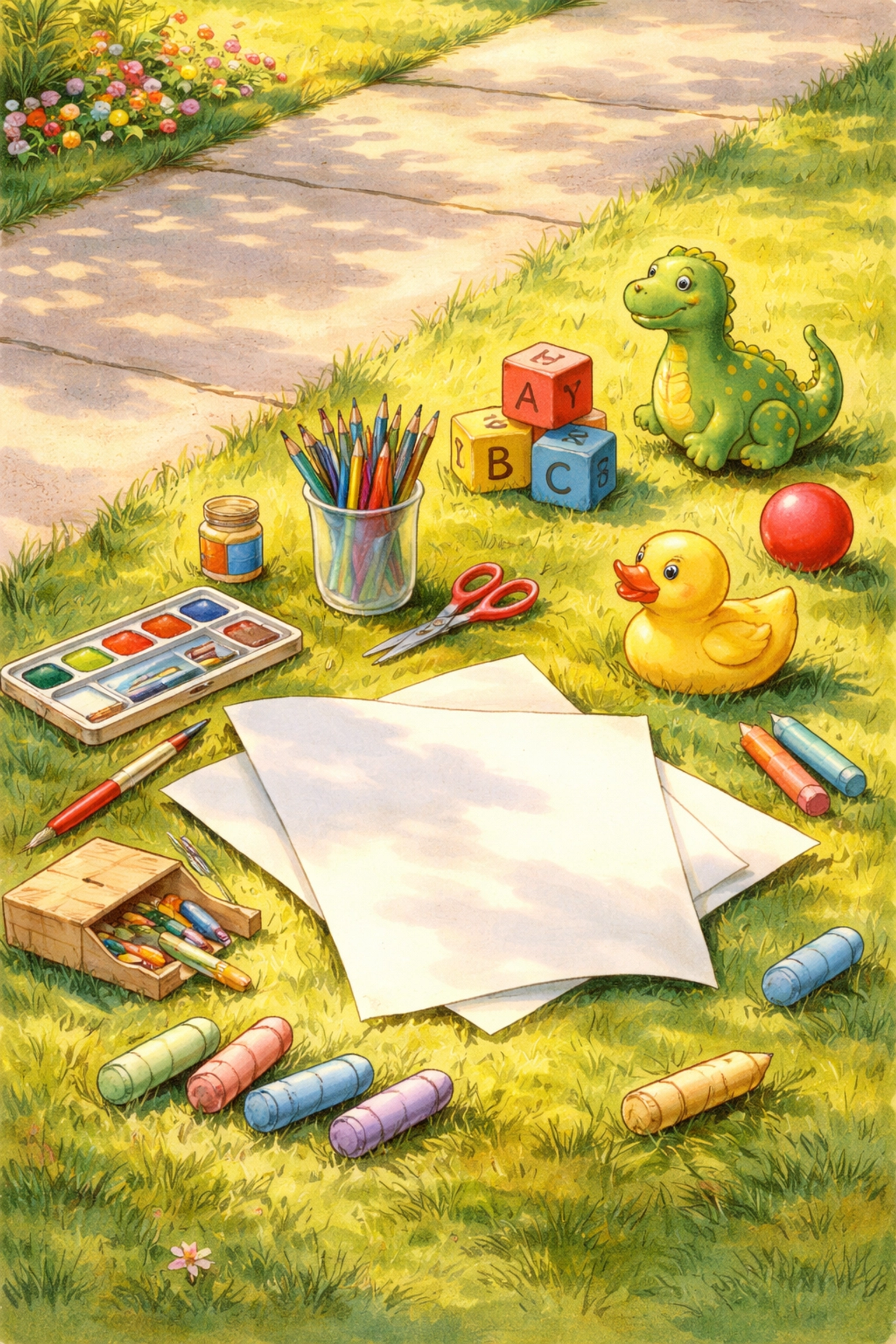
Gather these simple supplies before heading outside:
Drawing Surfaces:
- Sidewalk or driveway (for chalk)
- Large sheets of white paper or butcher paper
- Cardboard pieces (in a pinch)
Drawing Tools:
- Sidewalk chalk (various colors)
- Pencils or crayons (for paper)
- Markers (bold colors work great)
Shadow-Casting Objects:
- Action figures or dolls
- Plastic animals or dinosaurs
- Leaves, flowers, or sticks
- Kitchen utensils (spatulas, whisks)
- Building blocks
- Your child themselves!
Step-by-Step Instructions for Backyard Shadow Drawing
Step 1: Scout Your Location
Head outside and look for a spot with clear, direct sunlight. Avoid areas with dappled shade from trees unless you want extra-complicated shadow patterns (which can be fun for older kids but frustrating for little ones).
Flat surfaces work best: driveways, patios, and sidewalks are ideal for chalk, while a picnic table or flat lawn section works well for paper projects.
Step 2: Check the Sun Position
Shadows are longest and most dramatic in mid-morning (around 9–10 a.m.) and late afternoon (3–5 p.m.). Midday sun creates short, stubby shadows that are harder to trace.
Have your child stand in the sun and look at their shadow. If it's roughly their height or longer, you're in the sweet spot for drawing.
Step 3: Set Up Your Objects
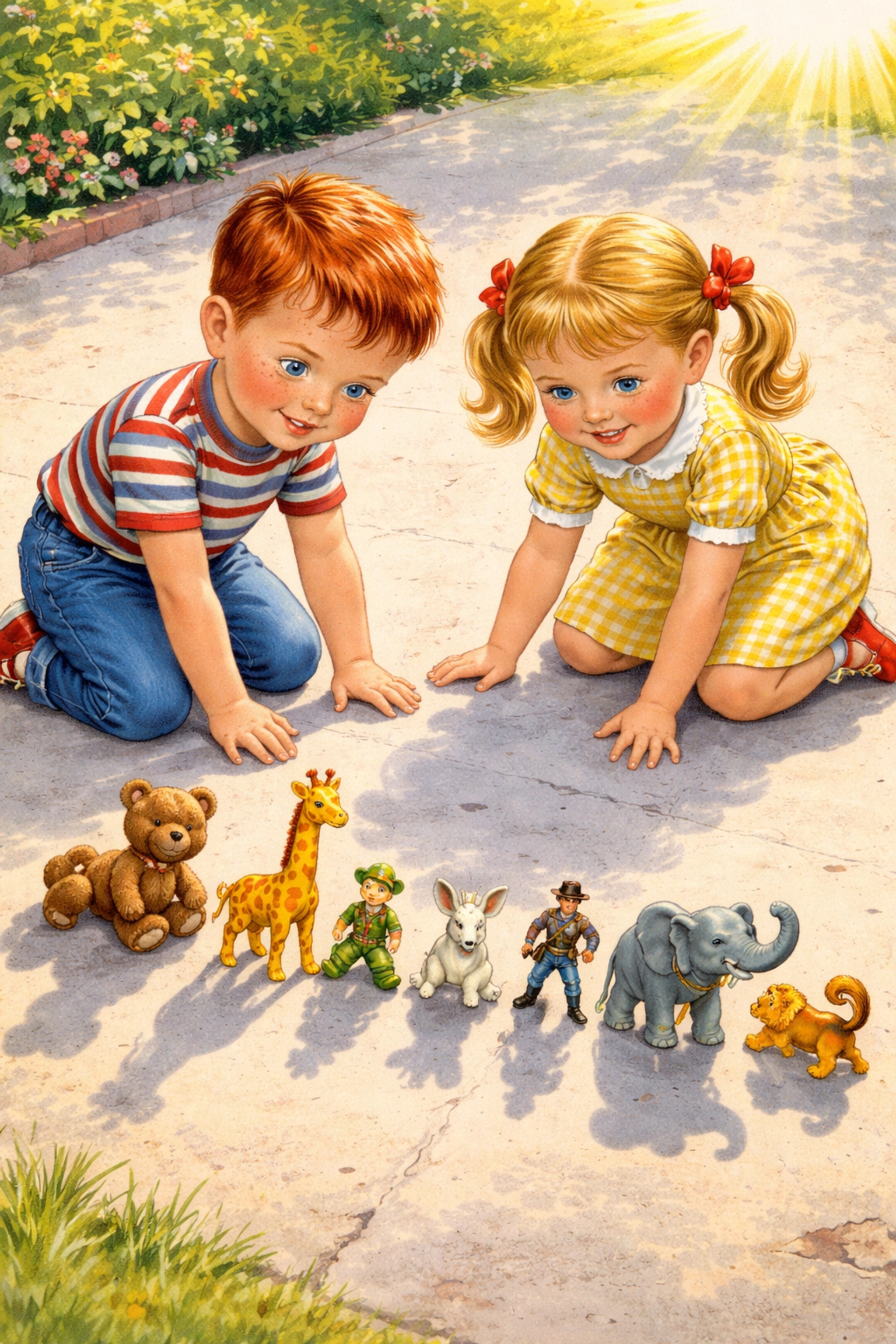
Place your chosen items on the drawing surface so their shadows fall clearly onto the paper or pavement. Space objects a few inches apart so shadows don't overlap (unless you want them to create interesting shapes).
For standing toys, a small piece of tape or a dab of playdough on the base helps keep them from tipping over.
Step 4: Trace Quickly
Here's where the magic happens! Have your child trace around the shadow's outline using chalk, pencil, or marker.
Pro tip: Shadows move faster than you'd expect. Encourage kids to work from one end to the other rather than jumping around. If the shadow shifts mid-trace, that's okay: embrace the wobbly lines as part of the art.
Step 5: Add Color and Details
Once the outline is complete, remove the object and let creativity take over. Kids can:
- Fill in the shadow shape with solid color
- Add patterns, stripes, or polka dots inside
- Draw backgrounds around the shadow
- Turn abstract shapes into creatures or characters
Step 6: Try Multiple Tracings
For an extra learning layer, leave objects in place and trace the same shadow at different times. Mark each outline with the time (9 a.m., noon, 3 p.m.) to create a visual record of how shadows travel throughout the day.
Fun Variations to Try
The Toy Parade
Line up 5–10 small toys in a row with paper behind each one. Challenge kids to race against the moving sun, tracing as many toy shadows as possible before they shift.
Body Shadow Portraits
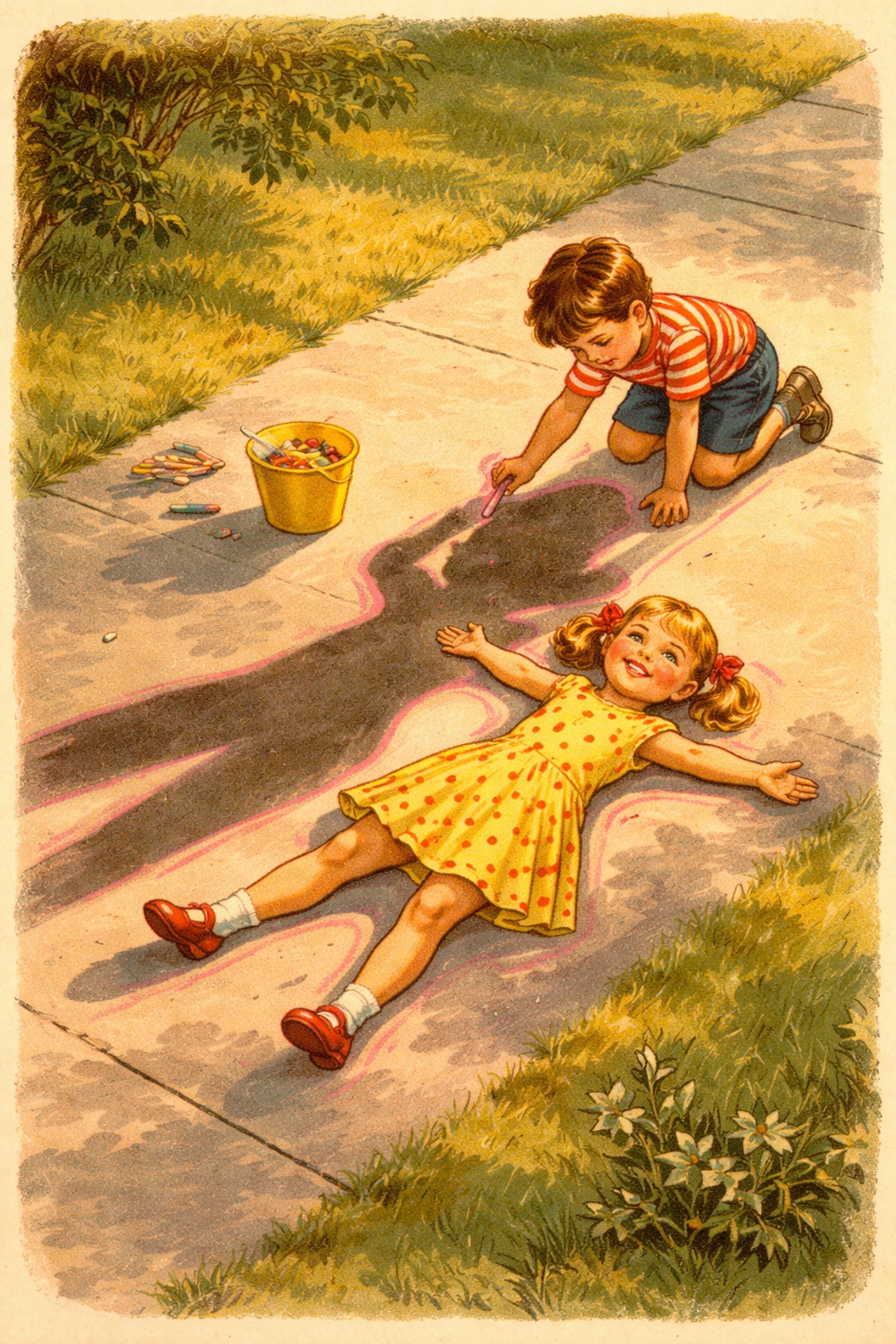
Have one child lie down or strike a pose while another traces their full-body shadow with chalk. Then switch roles. These life-sized shadow portraits look fantastic when filled in with bright colors.
Leaf Mobile Shadows
Tie leaves or flowers to strings and suspend them between two chairs. Place paper underneath and trace the dancing shadows. Wind makes this one extra interesting!
Shadow Stories
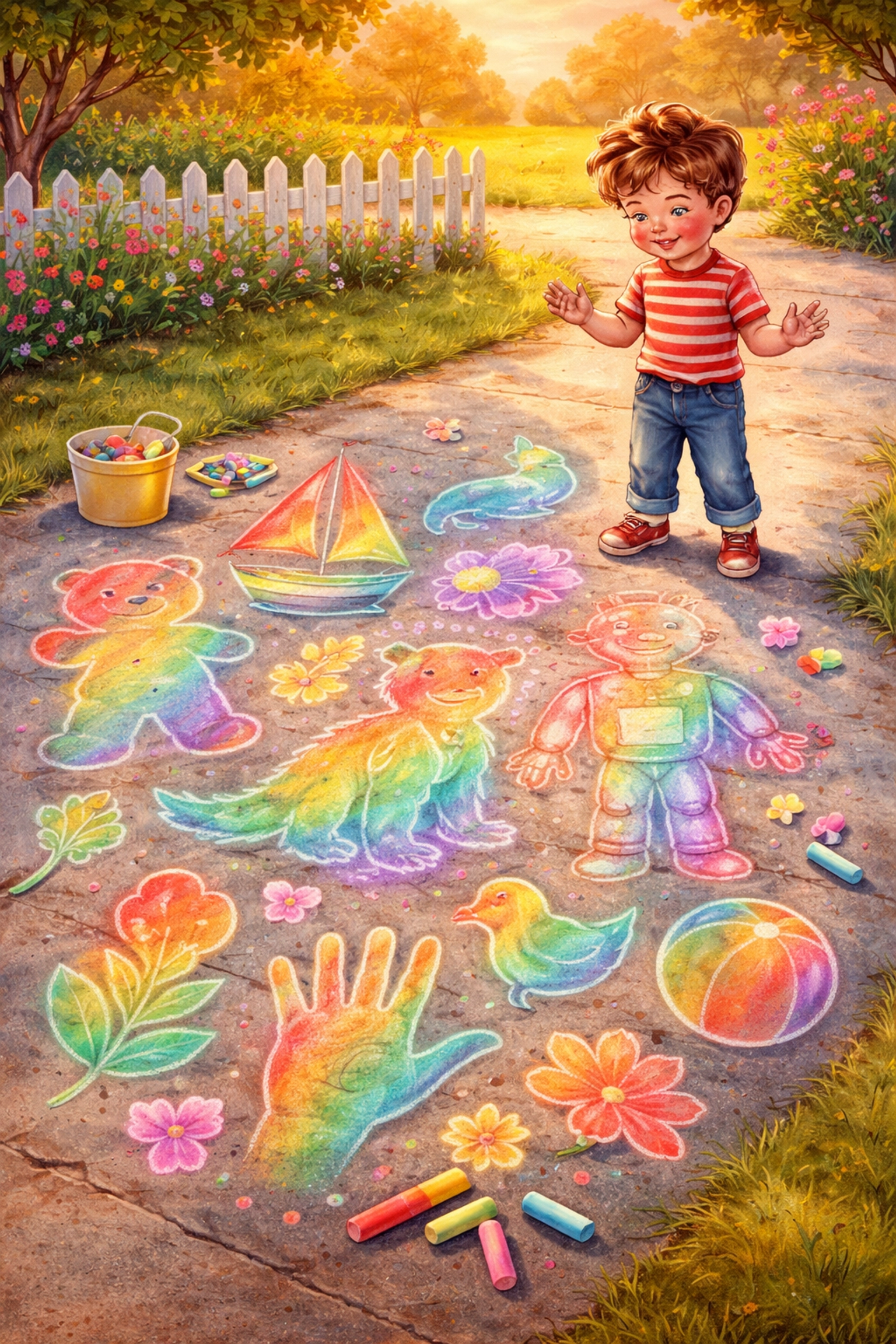
Trace several different object shadows on one large paper, then connect them into a scene. A dinosaur shadow next to a flower shadow next to a hand shadow becomes a story waiting to be told.
Time-Lapse Art Display
Create three drawings of the same backyard spot at 9 a.m., noon, and 3 p.m. Hang all three together to show how dramatically shadows change throughout the day.
What Kids Learn from Shadow Drawing
This activity packs more educational value than it might seem:
- Light and shadow science: Kids discover that shadows form when objects block light, and that shadow size depends on the light source's angle
- Fine motor skills: Tracing requires hand-eye coordination and pencil control
- Observation skills: Noticing how shadows move builds awareness of the natural world
- Patience: Working quickly but carefully teaches focus
- Creative expression: Turning abstract shapes into art encourages imagination
Shadow drawing is a genuine STEAM activity: blending science concepts with artistic expression in a way that feels like pure play.
Tips for Shadow Drawing Success
- Work on overcast days with caution. You need direct sunlight for crisp shadows. Cloudy days create fuzzy, hard-to-trace edges.
- Bring water bottles. Kids get absorbed in this activity and forget to hydrate.
- Use heavyweight paper. Thin paper tears easily when drawing on grass or rough surfaces.
- Photograph the setup. Snap a picture of objects with their shadows before tracing: it makes a great "before and after" comparison.
- Embrace imperfection. Wobbly lines and shifted shadows are part of the charm. This isn't about precision; it's about capturing a moment.
Looking for more outdoor activities? Check out our kids crafts collection for projects that get the whole family outside and creating together.
Frequently Asked Questions
What age is shadow drawing appropriate for?
Most kids can enjoy shadow drawing starting around age 3, though they'll need help holding objects steady. Children ages 5 and up can typically manage the activity independently with minimal guidance.
Can you do shadow drawing on cloudy days?
Partly cloudy days can work during sunny breaks, but fully overcast skies don't produce the crisp shadows needed for tracing. Save this activity for days with clear or mostly clear conditions.
What's the best time of day for shadow drawing?
Mid-morning (9–10 a.m.) and late afternoon (3–5 p.m.) produce the longest, most dramatic shadows. Avoid the hour around solar noon when shadows are shortest and hardest to trace.
How do you keep objects from moving while tracing?
Use small pieces of tape, playdough, or sticky tack to anchor lightweight objects. Heavier items like filled water bottles or rocks can prop up toys that tend to tip.
What surfaces work best for this activity?
Smooth concrete driveways and sidewalks are ideal for chalk. For paper projects, any flat outdoor surface works: just weigh down paper corners with rocks to prevent wind from ruining your artwork.
Why do shadows change throughout the day?
As the Earth rotates, the sun appears to move across the sky, changing the angle at which light hits objects. This shifting angle makes shadows grow longer, shorter, and change direction throughout the day.
Can shadow drawing be done indoors?
Yes! Use a bright flashlight or lamp as your light source. Indoor shadow drawing gives you more control over shadow size and direction, though it lacks the natural science lesson about the sun's movement.
What if my child gets frustrated when shadows move?
Reframe it as part of the fun: shadows are like friendly ghosts that won't stay still! You can also trace faster, use smaller objects, or try the activity during times when shadow movement is slower (further from midday).
How do you preserve chalk shadow art?
Photograph it! Chalk art is temporary by nature. Some families spray finished chalk drawings with hairspray to extend their life slightly, but rain and foot traffic will eventually wash them away.
What household items make interesting shadows?
Kitchen tools (whisks, slotted spoons, colanders), sports equipment, houseplants, and even chairs create surprisingly complex and fun shadow shapes to trace.
References
- Research on shadow drawing materials and basic setup techniques
- Outdoor drawing location and time-lapse activity guidance
- Chalk shadow art variations and profile silhouette methods
- STEAM learning benefits of shadow activities