



A Design Tomorrow Planning Sheet is a simple, kid-created tool that helps children visualize and organize what they want to accomplish the next day. By drawing sections, adding pictures, and writing or dictating goals, kids practice executive function skills while feeling excited about the day ahead. This low-cost activity turns evening downtime into a meaningful routine that builds confidence, reduces morning chaos, and gives children ownership over their daily adventures.
What You'll Need
| Material | Estimated Cost | Notes |
|---|---|---|
| Plain white or colored paper | $0–$3 | Cardstock works well for durability |
| Crayons, markers, or colored pencils | $1–$4 | Use what you have on hand |
| Ruler or straight edge | $0–$1 | A book edge works in a pinch |
| Pencil | $0 | For sketching sections first |
| Stickers (optional) | $1–$2 | Fun for marking completed tasks |
| Clipboard or folder (optional) | $1–$3 | Keeps sheets organized |
Total estimated cost: Under $10 (and likely free if you raid your craft supplies)
Age Range & Time Estimate
| Age Group | Skill Level | Enjoyment Level | Adult Help Needed |
|---|---|---|---|
| 3–4 years | Beginner | High | Significant (dictation and drawing help) |
| 5–7 years | Intermediate | Very High | Moderate (reading/writing support) |
| 8–10 years | Advanced | High | Minimal (design guidance only) |
Time to complete: 15–30 minutes for creating the sheet, plus 5–10 minutes each evening to fill it out
Why Planning Sheets Work for Kids
Children often feel like passengers in their own days, shuffled from activity to activity without much input. A Design Tomorrow Planning Sheet flips that script.
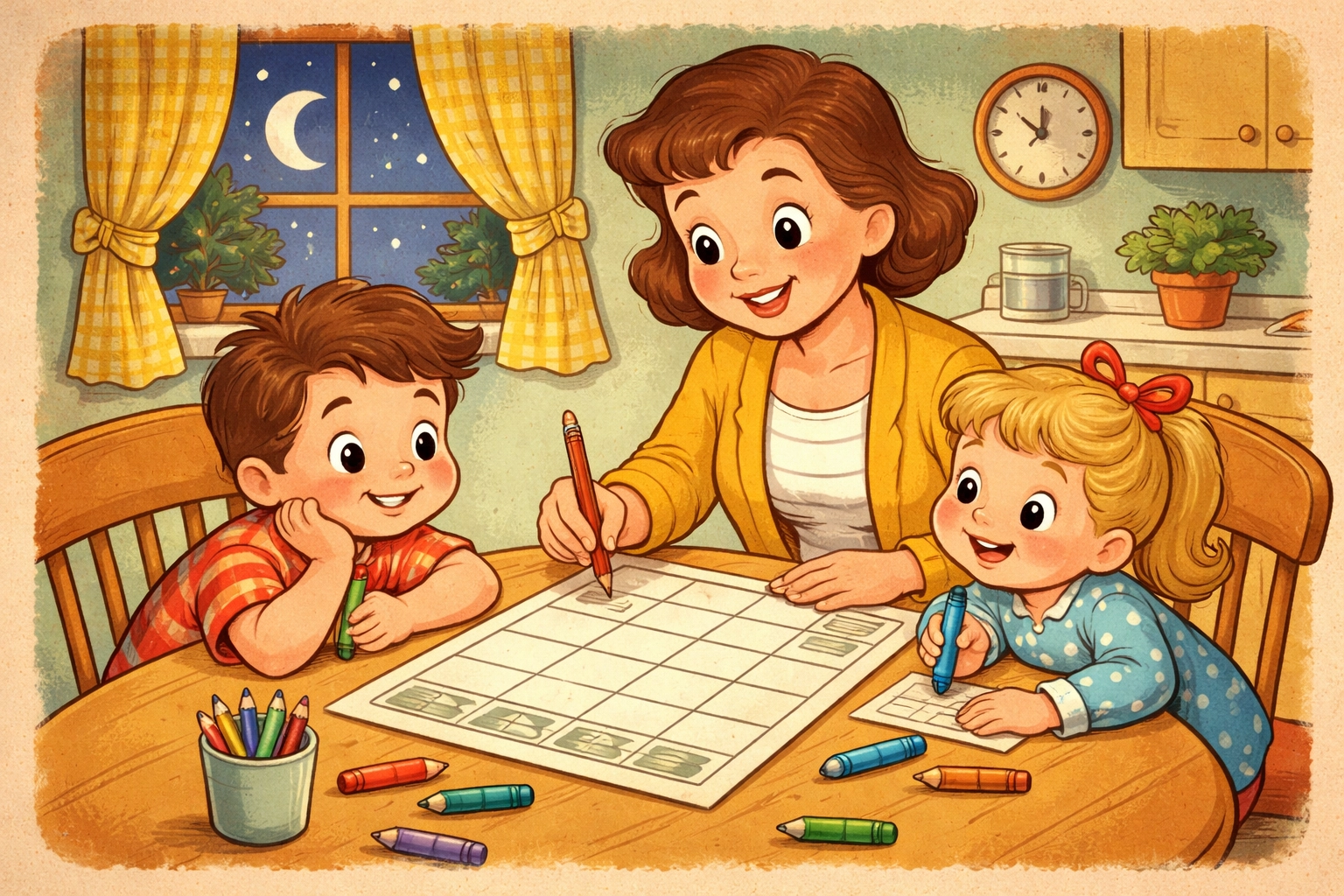
When kids sit down each evening to think about tomorrow, they're practicing forward thinking, a skill that doesn't fully develop until the teenage years. This gentle exercise helps build those mental muscles early. Research on goal-setting with children suggests that visualizing tasks ahead of time can reduce anxiety and improve follow-through.
Plus, there's something magical about a child waking up and remembering, "Oh! Today I planned to build with blocks AND help make lunch!" That sense of anticipation transforms ordinary days into adventures they helped design.
Step-by-Step: Creating Your Planning Sheet
Step 1: Choose Your Paper Size
Standard letter paper (8.5" x 11") works well for most ages. For younger children, consider using a half-sheet so the space feels manageable rather than overwhelming. Cardstock holds up better if you plan to reuse a laminated version.
Step 2: Divide the Paper into Sections
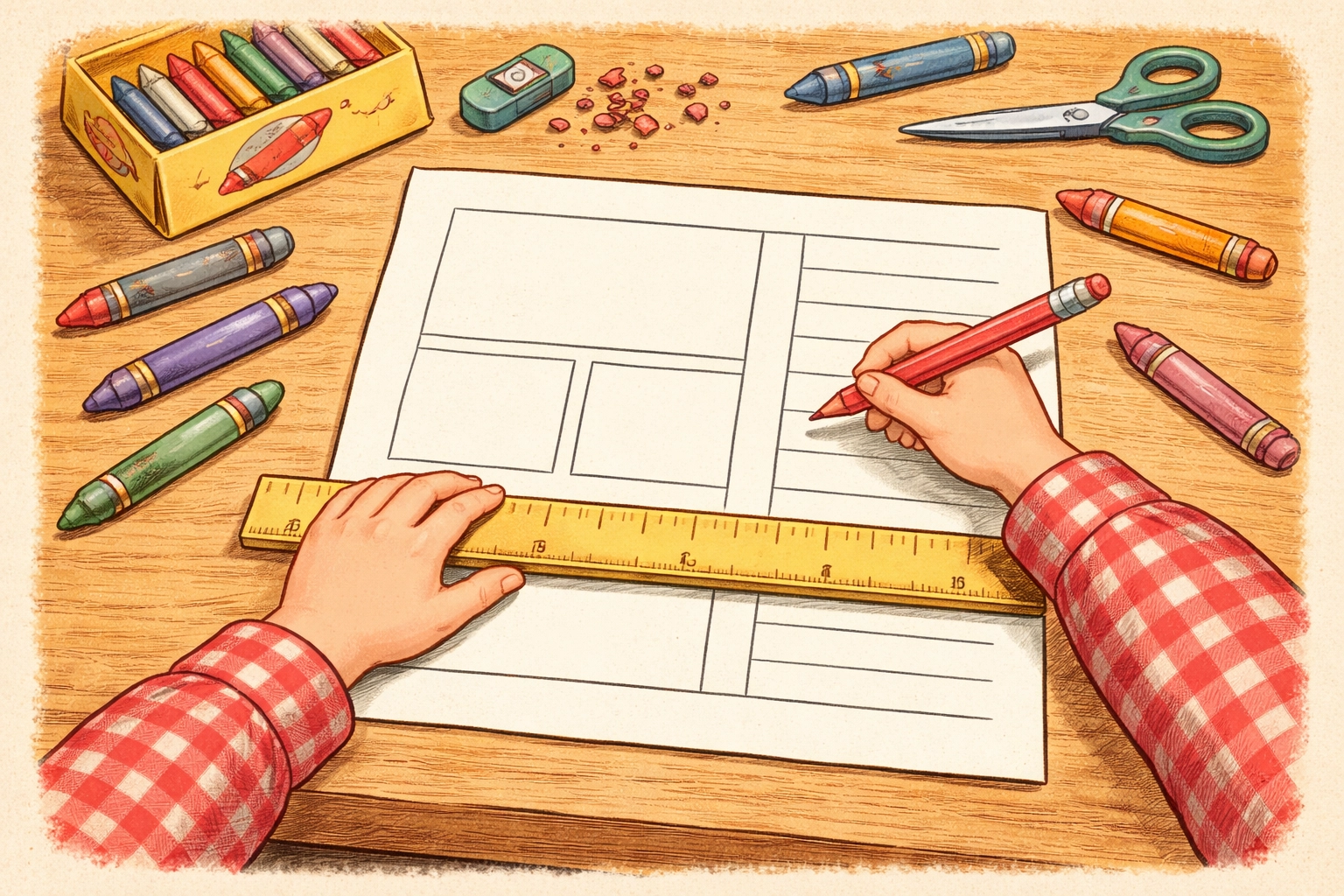
Using a ruler and pencil, help your child divide the paper into 4–6 sections. Common layouts include:
- Morning / Afternoon / Evening (three horizontal rows)
- Things I Want to Do / Things I Need to Do / People I Want to See (three columns)
- Grid style with small boxes for individual activities
Let your child choose which layout feels right. Some kids love detailed grids; others prefer big open spaces for drawing.
Step 3: Label Each Section
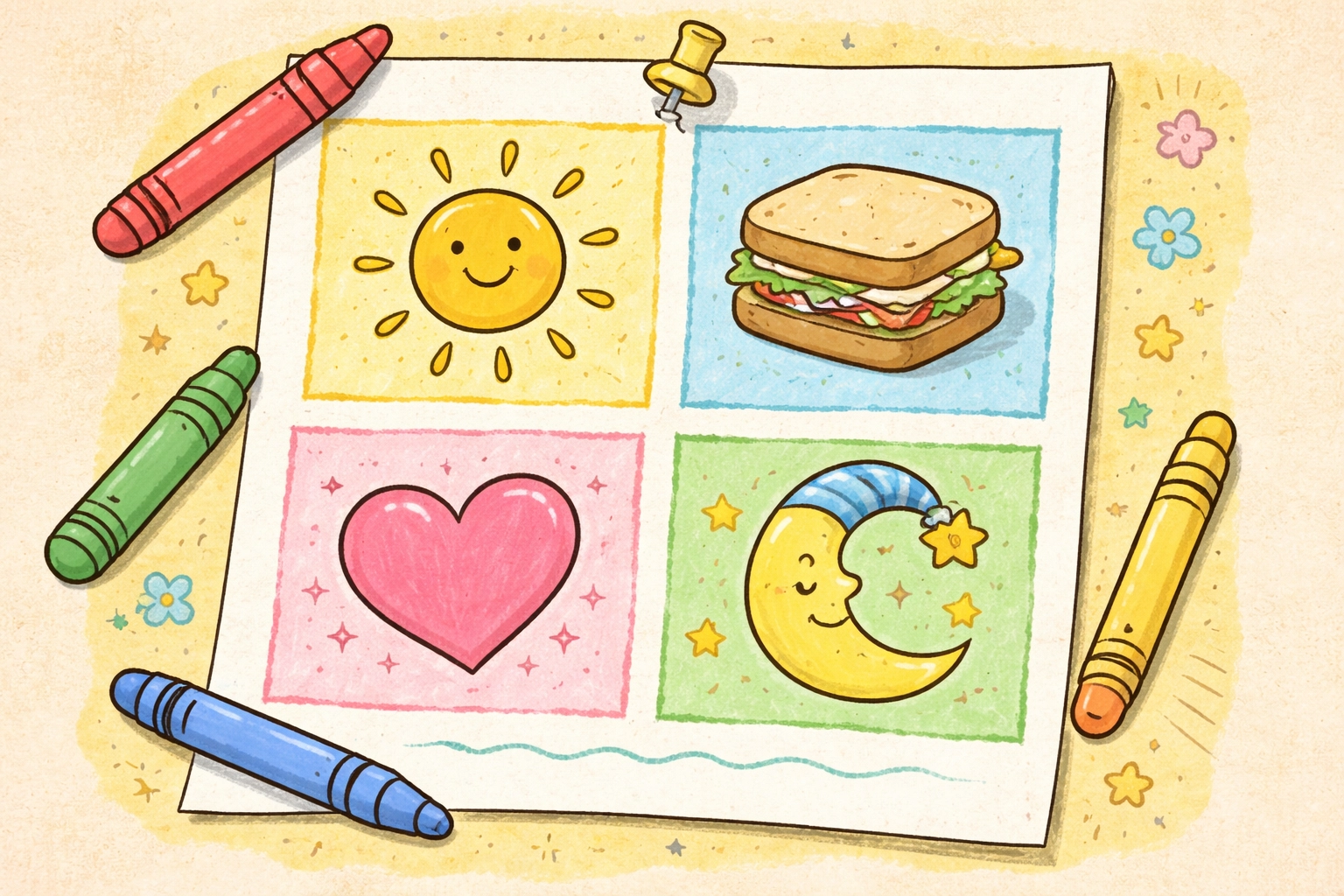
For readers, write simple headers in each section. For pre-readers, use picture symbols:
- A sun for morning
- A sandwich for lunchtime
- A moon for evening
- A heart for "something kind I'll do"
- A star for "something I'm excited about"
Step 4: Decorate the Borders
Here's where the fun kicks in. Let your child decorate the edges and corners of their planning sheet with drawings, patterns, or stickers. A personalized sheet feels more special than a plain printout: and kids are more likely to use something they helped create.
Step 5: Add a "How I Feel" Corner
Reserve a small space where your child can draw or circle an emoji-style face showing how they feel about tomorrow. This simple addition opens doors for conversations about worries, excitement, or anything on their mind.
Step 6: Fill It Out Together
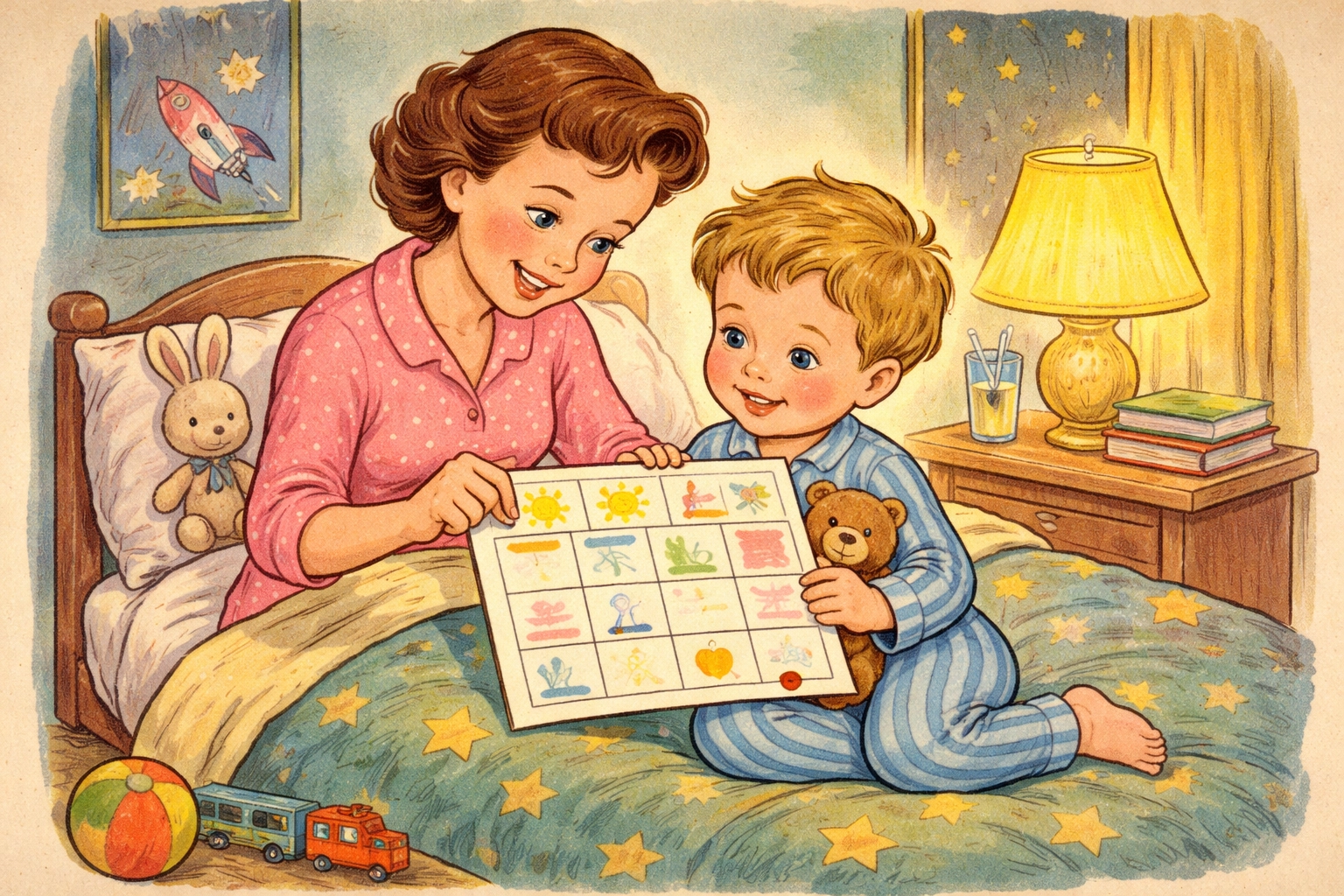
Each evening (bedtime routines work wonderfully for this), sit with your child and talk through tomorrow:
- "What's one thing you really want to do?"
- "Is there anything you need to do, like clean up your room or practice piano?"
- "Who might you see or play with?"
Younger children can draw pictures in each section. Older kids might write words or short phrases. Keep it light: this isn't a strict schedule, just a hopeful sketch of the day ahead.
Step 7: Review in the Morning
At breakfast or during the morning rush, take 30 seconds to glance at the sheet together. "Remember, you wanted to paint today! Let's make sure we have time for that." This quick callback reinforces the planning habit.
Step 8: Celebrate at Day's End
Before making tomorrow's sheet, look back at today's. What happened? What didn't? No judgment: just observation. Add a sticker or checkmark to completed items if your child enjoys that kind of tracking.
Tips for Making This Routine Stick
Start small. One or two items per section prevents overwhelm. You can gradually add complexity as the habit develops.
Keep supplies handy. A small basket with paper, crayons, and stickers near the dinner table or in the bedroom makes evening planning effortless.
Model the behavior. Share your own plans for tomorrow in simple terms. "I'm going to work on the garden and call Grandma." Kids love knowing adults plan ahead too.
Stay flexible. Plans change: and that's okay! Use unexpected changes as teaching moments about adaptability rather than failure.
Make it optional on tough days. If bedtime is already a battle, skip the planning sheet without guilt. It should feel like a gift, not a chore.
Variations to Try
- Weekly Planning Sheet: For older children, create a week-at-a-glance version with small boxes for each day
- Illustrated Story Version: Some kids prefer drawing tomorrow as a comic strip with panels showing morning, noon, and night
- Reusable Laminated Sheet: Laminate a blank template and use dry-erase markers for endless reuse
- Travel Planning Sheet: Before trips or special days, create themed sheets with relevant sections
For more creative activities to do with your kids, explore our kids crafts collection for inspiration that pairs well with planning sessions.
Frequently Asked Questions
What age is appropriate for starting planning sheets?
Children as young as three can participate with heavy adult support: they'll draw pictures while you help guide the conversation. By age five or six, most kids can take more ownership of the process.
What if my child can't write yet?
Drawing works beautifully! A picture of a ball means "play outside," a stick figure means "play with a friend." You can also write words while they dictate, or use stickers that represent activities.
How detailed should the planning sheet be?
Less is often more, especially when starting out. Three to five items total prevents the sheet from feeling like a to-do list. The goal is excitement, not obligation.
What if plans change and we can't do what's on the sheet?
This happens frequently: and it's actually valuable! Talk through why plans changed and help your child adjust. Flexibility is an important life skill.
Should I use a printable template or make our own?
Homemade sheets tend to generate more buy-in because children feel ownership over something they created. However, a simple printed template can work as a starting point that kids then personalize.
How do I handle a child who gets upset when plans don't work out?
Acknowledge their feelings first ("I know you really wanted to go to the park"). Then gently remind them that planning sheets show hopes, not promises. Over time, this distinction becomes clearer.
Can siblings share a planning sheet?
They can, though individual sheets often work better since children have different interests and developmental levels. A shared "family planning sheet" for group activities is a nice addition rather than replacement.
What's the best time of day to fill out the sheet?
Most families find success during the wind-down period before bed: after dinner, during bath time conversations, or as part of the bedtime routine. Morning planning can work but often feels rushed.
How long should we keep old planning sheets?
That's entirely up to you! Some families enjoy looking back at a month's worth of sheets to see patterns. Others recycle them daily. There's no wrong approach.
What if my child loses interest after a few days?
Totally normal. Take a break and try again in a few weeks or months. You might also try a different format: some kids prefer vertical layouts, picture-heavy designs, or themed sheets that match their current interests.
A Design Tomorrow Planning Sheet isn't about creating tiny perfectionists who schedule every moment. It's about giving children a voice in their own days and building habits that serve them well into adulthood: one colorful, slightly wobbly drawing at a time.