



Dark, sunken spots on pepper bottoms. Brown, crispy leaf edges. Both signal the same root problem: calcium is not reaching the plant tissues that need it most.
Blossom end rot and tip burn share a common cause. Fixing one often fixes both.
What Is Blossom End Rot on Peppers?
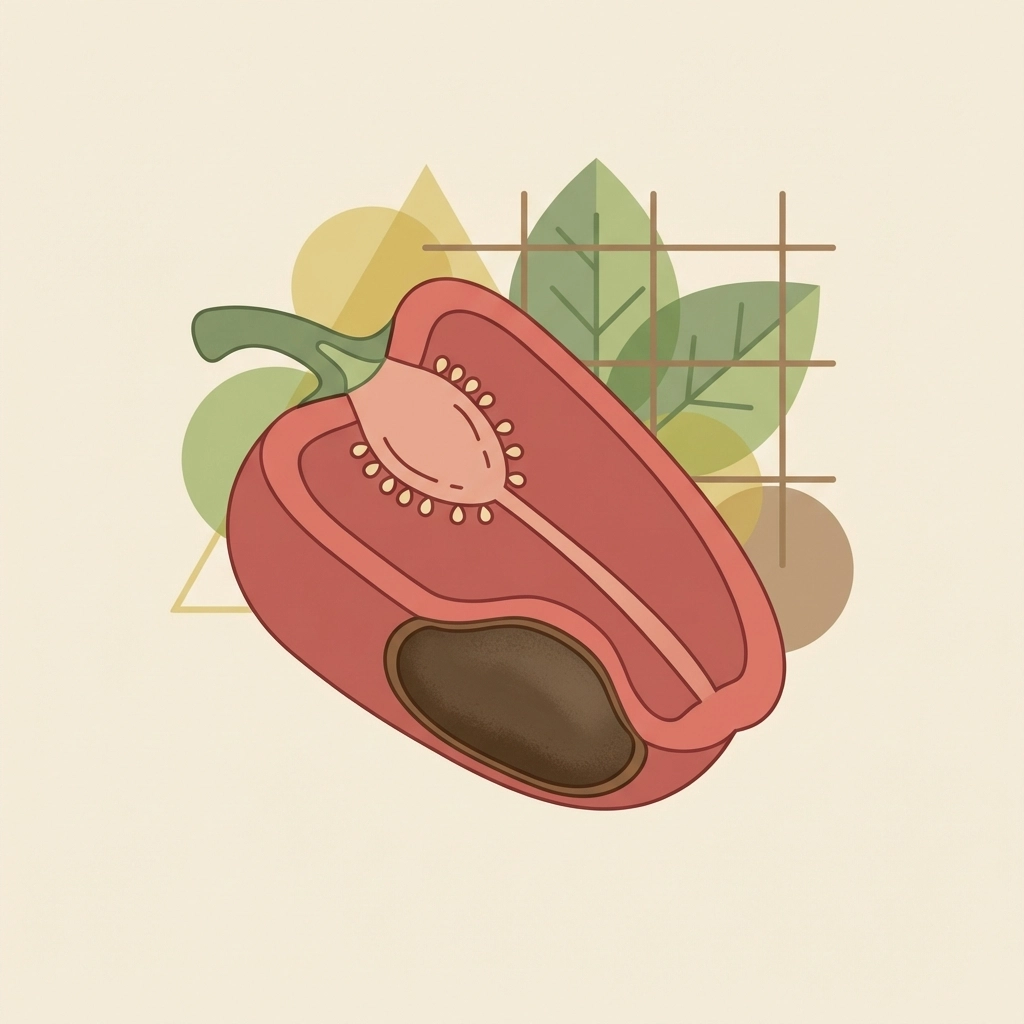
Blossom end rot is a calcium deficiency disorder. It appears as dark, sunken spots on the bottom (blossom end) of pepper fruits.
The progression follows a pattern:
- Light green or yellow spot forms at the fruit bottom
- Spot expands over several days
- Color darkens to brown, then black
- Tissue becomes leathery and sunken
The damage is cosmetic on mild cases. Severe cases make fruit inedible.
Blossom end rot is not a disease. No pathogen causes it. No fungicide treats it.
What Is Tip Burn on Pepper Plants?
Tip burn affects leaves rather than fruit. The edges and tips of young leaves turn brown and crispy.
New growth shows damage first. Older leaves remain unaffected.
The cause is identical to blossom end rot: calcium cannot reach fast-growing tissues. Leaf tips and fruit bottoms are the last stops on the calcium delivery route.
Both conditions appear together in severe cases.
What Causes These Calcium Problems?
Calcium exists in most soils and hydroponic solutions. The issue is transport, not supply.
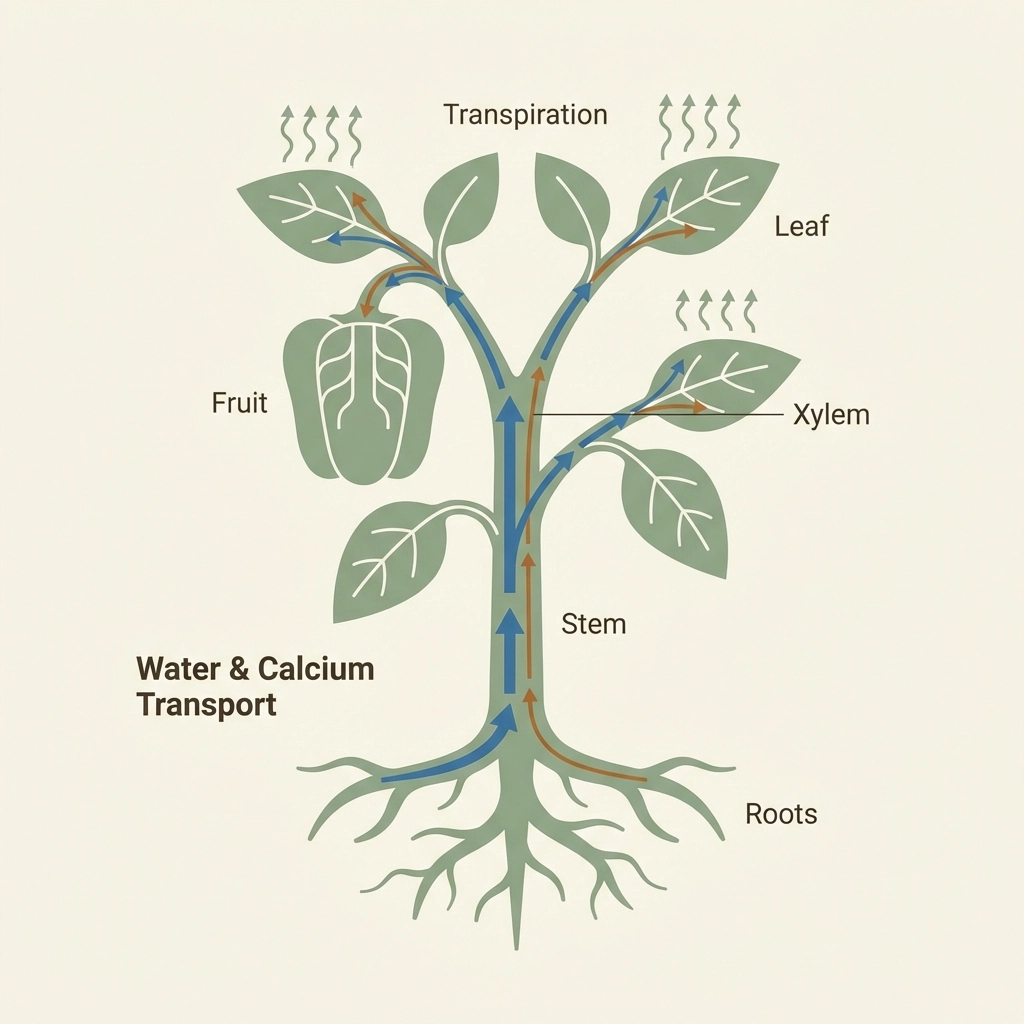
Calcium moves through water. Plants pull calcium upward through the transpiration stream. Anything that disrupts water flow disrupts calcium delivery.
Common causes in soil-grown peppers:
- Irregular watering schedules
- Drought stress followed by heavy watering
- Overwatering that damages roots
- Excessive nitrogen fertilization
- High soil salinity from too much fertilizer
- Root damage from deep cultivation
- Soil pH outside the 6.5–7.0 range
Common causes in hydroponic peppers:
- Nutrient solution pH fluctuations
- Calcium-to-magnesium ratio imbalance
- High humidity reducing transpiration
- Root zone temperature extremes
- Inadequate aeration in the root zone
Containers and raised beds increase risk. Smaller soil volumes dry out faster. Moisture fluctuations happen more dramatically.
How to Fix Blossom End Rot in Soil-Grown Peppers
Water management solves most cases.
Establish consistent moisture levels:
- Water deeply rather than frequently
- Aim for 2–4 inches of water per week
- Check soil moisture before watering
- Water when the top 1–2 inches feel dry
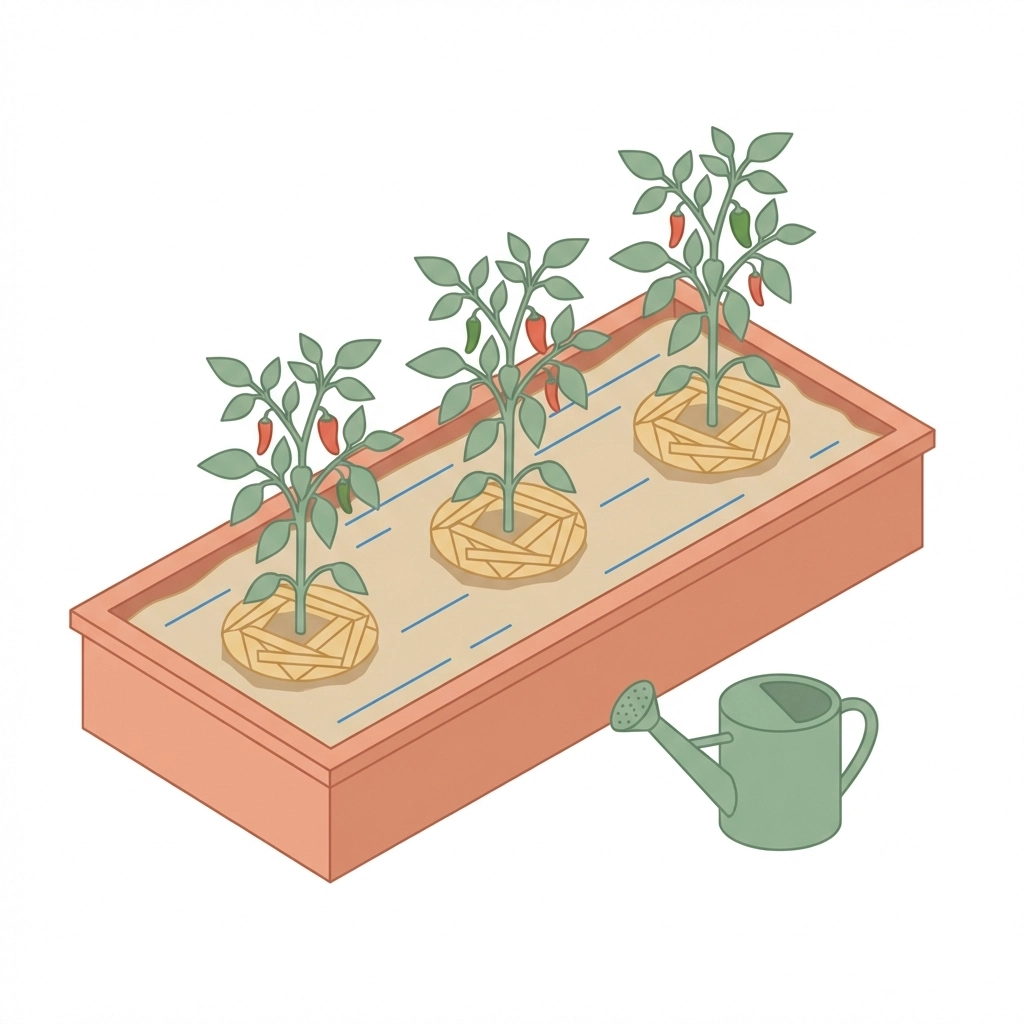
Apply organic mulch:
- Spread 3–4 inches around plants
- Straw, shredded leaves, or wood chips work well
- Mulch stabilizes soil moisture between waterings
- Mulch also moderates soil temperature
Adjust fertilization practices:
- Reduce nitrogen applications
- Use fertilizers high in superphosphate
- Choose calcium nitrate over ammonia-based nitrogen
- Avoid excessive potassium applications
Test and amend soil:
- Maintain pH between 6.5 and 7.0
- Add lime to raise pH if needed
- Gypsum adds calcium without changing pH
Protect roots:
- Avoid deep cultivation near plants
- Pull weeds by hand rather than hoeing
- Prevent waterlogging that suffocates roots
Foliar calcium sprays do not work. Calcium applied to leaves does not move downward to fruits. Save the money.
How to Fix Blossom End Rot in Hydroponic Peppers
Hydroponic systems offer precise control. Use it.
Monitor and stabilize pH:
- Maintain nutrient solution pH at 5.8–6.2
- Check pH daily during fruiting
- Adjust in small increments
Balance calcium and magnesium:
- Calcium should be present at 150–200 ppm
- Maintain a 3:1 calcium-to-magnesium ratio
- Use calcium nitrate as the primary calcium source
Optimize environmental conditions:
- Increase air circulation around plants
- Avoid excessive humidity above 80%
- Maintain root zone temperature at 65–75°F (18–24°C)
Ensure adequate aeration:
- Check air pumps and air stones daily
- Replace clogged air stones
- Oxygenated roots absorb nutrients efficiently
How to Fix Tip Burn on Pepper Leaves
The same strategies apply. Tip burn responds to improved calcium transport.
Additional considerations for tip burn:
- Increase air movement around foliage
- Reduce humidity if consistently above 75%
- Avoid rapid temperature swings
- Ensure adequate light for transpiration
Tip burn on inner leaves often indicates high humidity. The plant cannot transpire through those protected leaves.
Can Affected Fruit Be Saved?
Fruit with minor blossom end rot is edible. Cut away the damaged portion. The rest remains safe to eat.
Severely affected fruit should be removed from the plant. This redirects energy to healthy fruit development.
Removing damaged fruit does not spread problems. Blossom end rot is not contagious.
Simple Science Experiment for Kids
Question: Does water really carry calcium through plants?
Materials needed:
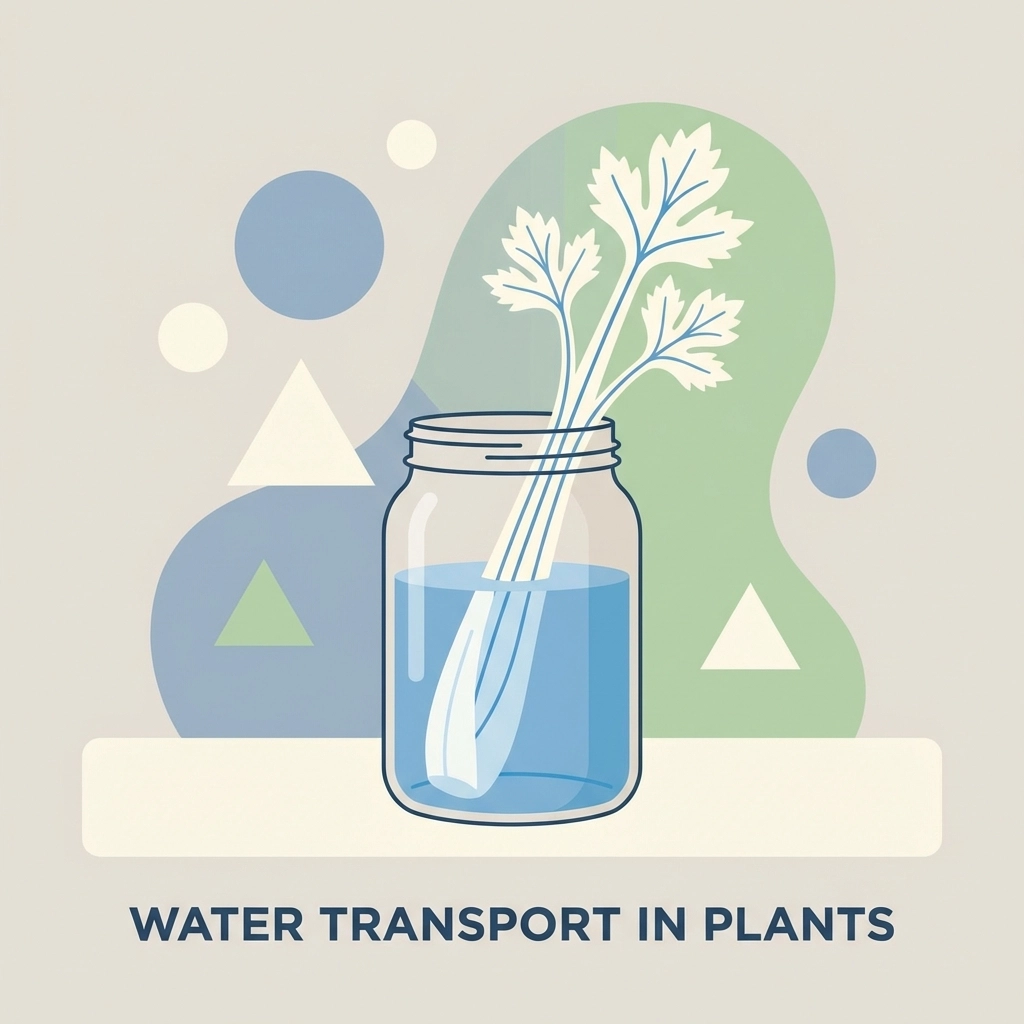
- White carnation or celery stalk with leaves
- Glass of water
- Food coloring (red or blue works best)
Steps:
- Add 10–15 drops of food coloring to the water
- Place the flower or celery in the colored water
- Wait 24 hours
- Observe the color change in petals or leaves
What happens: The colored water travels up through the stem. Veins in the petals or leaves turn the color of the dye. This demonstrates transpiration: the same process that carries calcium.
Discussion: Calcium travels this same route. When water flow stops or slows, calcium delivery stops too. Blossom end rot happens at the end of the delivery route: the fruit bottom.
Prevention Checklist for Healthy Pepper Plants
Daily tasks:
- Check soil or solution moisture
- Monitor for early symptoms on new fruit
- Ensure adequate airflow
Weekly tasks:
- Deep water if rainfall is insufficient
- Check mulch depth and coverage
- Monitor pH in hydroponic systems
Before planting:
- Test soil pH and amend if needed
- Improve drainage in heavy soils
- Select appropriate container sizes
Throughout the season:
- Maintain consistent watering schedule
- Avoid excessive nitrogen fertilization
- Remove severely affected fruit promptly
Quick Reference: Blossom End Rot vs. Other Pepper Problems
| Symptom | Cause | Location on Plant |
|---|---|---|
| Dark sunken spot on fruit bottom | Blossom end rot (calcium) | Fruit blossom end |
| Brown crispy leaf edges | Tip burn (calcium) | New leaf tips/edges |
| Soft, water-soaked spots | Bacterial rot | Anywhere on fruit |
| White powdery coating | Powdery mildew | Leaf surfaces |
| Holes in fruit | Insect damage | Random locations |
Blossom end rot always starts at the blossom end. Damage elsewhere indicates different problems.
The Bottom Line
Blossom end rot and tip burn result from calcium transport failure, not calcium deficiency in the growing medium.
Consistent water availability fixes most cases. Mulch in soil systems. Stable pH in hydroponic systems. Adequate airflow in both.
Prevention works better than treatment. Establishing good practices before fruiting begins produces healthier harvests.
Affected fruit is not wasted. Minor damage is trimmed away. Severe cases feed the compost pile.
The next pepper harvest can be spot-free. Start with water management. Everything else follows.