



Quick Answer: You can test soil pH at home using red cabbage juice as a natural indicator. Simply boil chopped red cabbage in water, strain the purple liquid, mix it with a soil sample, and wait 30 minutes. The color change tells you everything: pink means acidic, purple means neutral, and green or yellow means alkaline. It's real science using ingredients from your kitchen!
Why Does Soil pH Even Matter?
Before we start bubbling away like mad scientists, let's talk about why pH matters in the first place.
Soil pH measures how acidic or alkaline your dirt is on a scale from 0 to 14. A pH of 7.0 is neutral: right in the middle. Numbers below 7 are acidic (think lemon juice), and numbers above 7 are alkaline (think baking soda).
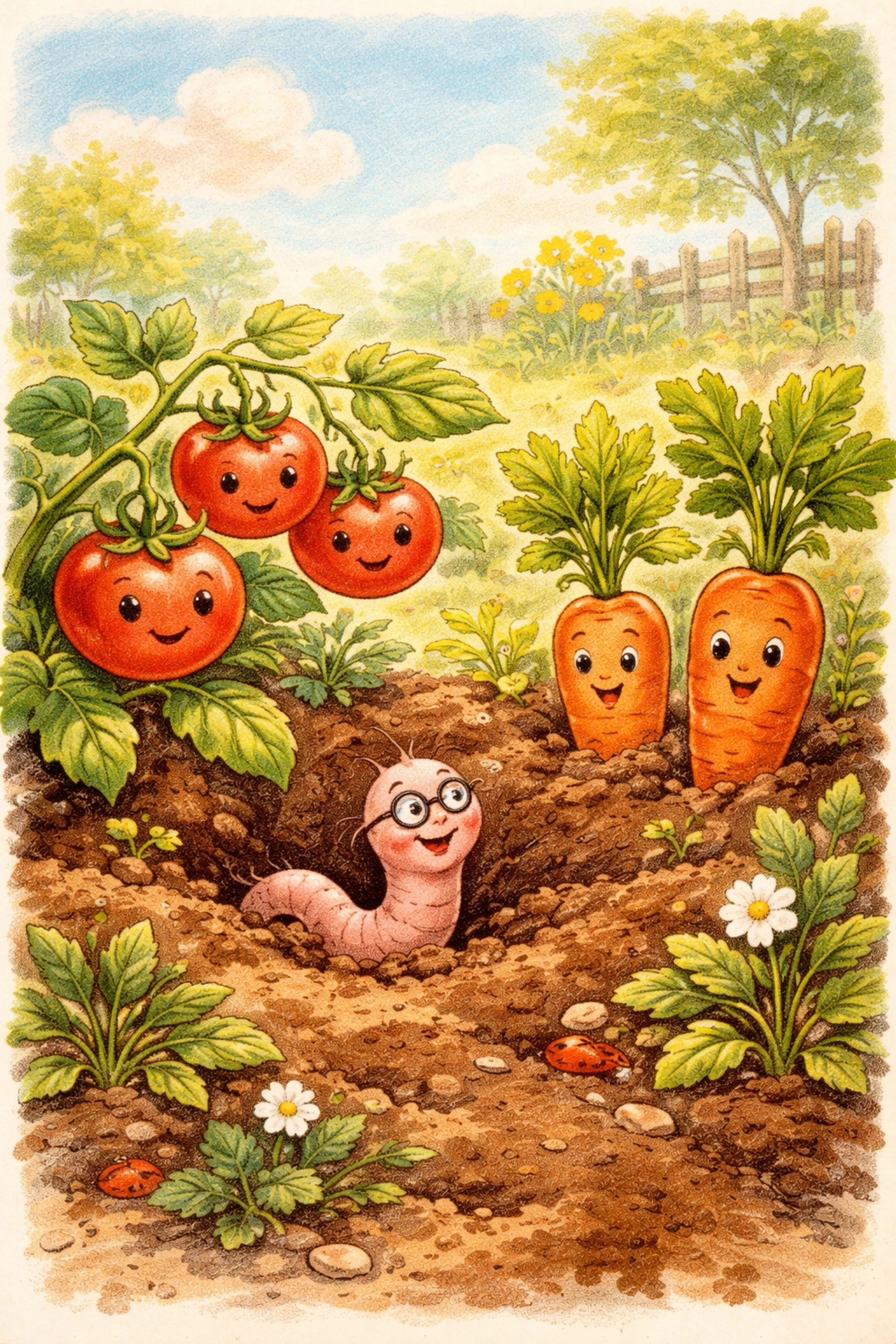
Here's the thing: plants are picky eaters. Most vegetables grow best in soil with a pH between 6.0 and 7.0. If your soil is too acidic or too alkaline, plants struggle to absorb nutrients: even if those nutrients are right there in the dirt. It's like having a refrigerator full of food but the door is stuck shut.
Testing your soil pH helps you understand what's going on underground so you can help your garden thrive.
The Magic Behind Red Cabbage
Red cabbage isn't just a colorful salad topping. It contains a special pigment called anthocyanin that acts like nature's mood ring.
Anthocyanin is water-soluble, which means it dissolves in water. When this pigment encounters acids or bases, it changes color. Scientists call substances like this "indicators" because they indicate (or show) the pH level of whatever they touch.
This is the same reason red cabbage sometimes turns blue when you cook it with alkaline tap water, or bright pink if you add a splash of vinegar. Chemistry is happening right in your kitchen!
What You'll Need
Gather these supplies before you begin:
For the Indicator Solution:
- 1 cup chopped red cabbage (about ¼ of a small head)
- 2 cups distilled water
- A medium saucepan
- A strainer or colander
- A glass jar or bowl for storing the liquid
For the Soil Test:
- 2 teaspoons of garden soil
- A clean glass jar
- A spoon for stirring
- Your cooled cabbage juice indicator
Important note: You must use red cabbage specifically. Green cabbage doesn't contain enough anthocyanin to work as a pH indicator. Purple cabbage from the grocery store works perfectly.
Step 1: Make Your Red Cabbage Indicator
This is where the kitchen science begins!
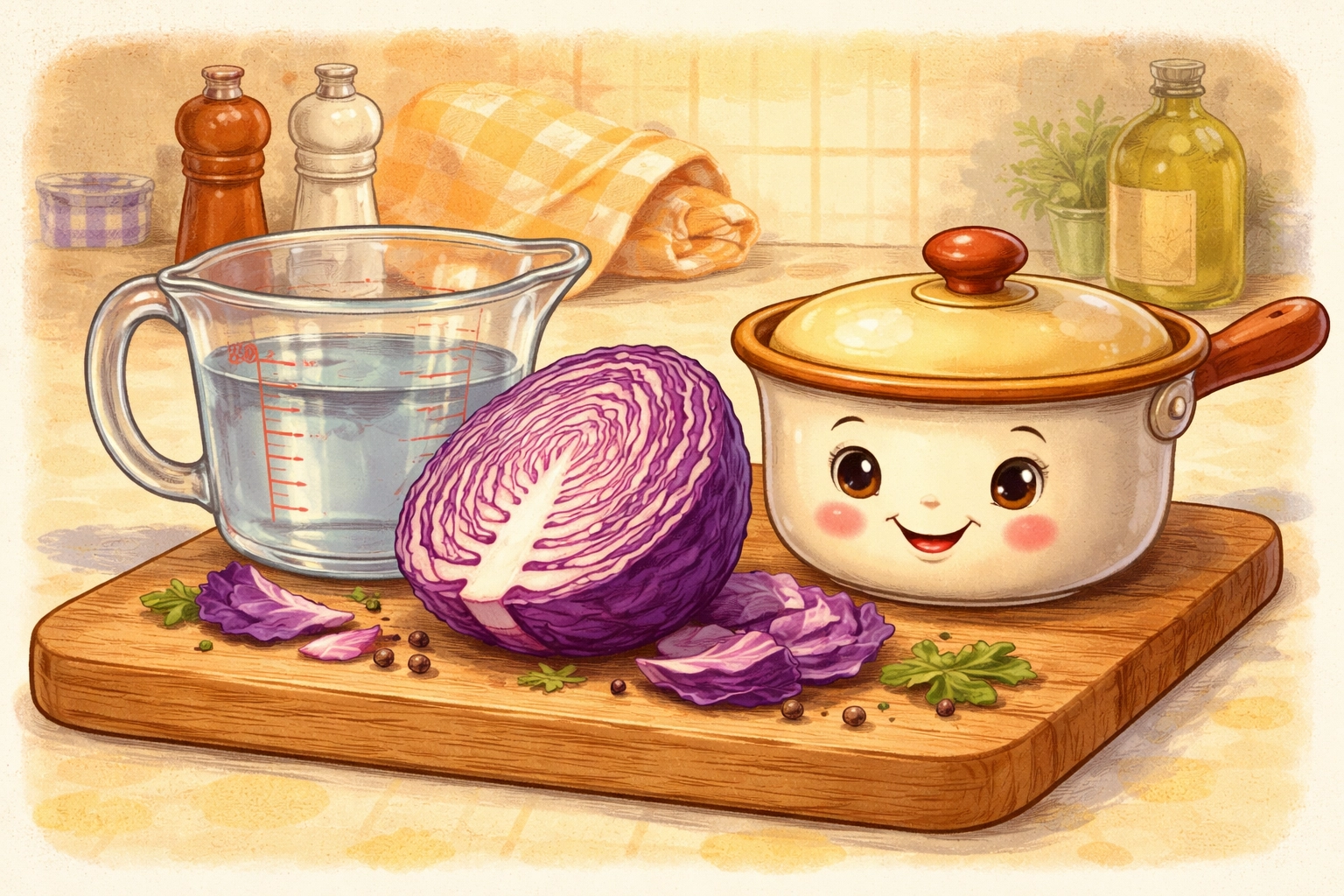
Chop the cabbage. Cut one cup of red cabbage into small pieces. Smaller pieces release more pigment, so don't be shy with the knife (or let a grown-up handle this part).
Add water and heat. Place your chopped cabbage in a saucepan with two cups of distilled water. Distilled water works best because it doesn't contain minerals that might affect your results. You can find it at any grocery store.
Simmer gently. Bring the mixture to a simmer over medium heat. Let it bubble softly for about five minutes. You'll notice the water turning a deep purple-blue color. That's the anthocyanin releasing into the water!
Cool it down. Remove the pot from heat and let everything cool for 20 to 30 minutes. Patience is hard, but room-temperature indicator works better for testing.
Strain and save. Pour the mixture through a strainer into a clean jar or bowl. Keep the purple liquid: this is your pH indicator! You can compost the soggy cabbage pieces.
Your indicator solution will stay fresh in the refrigerator for about a week.
Step 2: Collect Your Soil Sample
Where you get your soil matters. Different spots in your yard might have different pH levels.
Choose your testing spot. Pick the area where you want to plant: your vegetable garden bed, a flower border, or that sunny patch you've been eyeing.
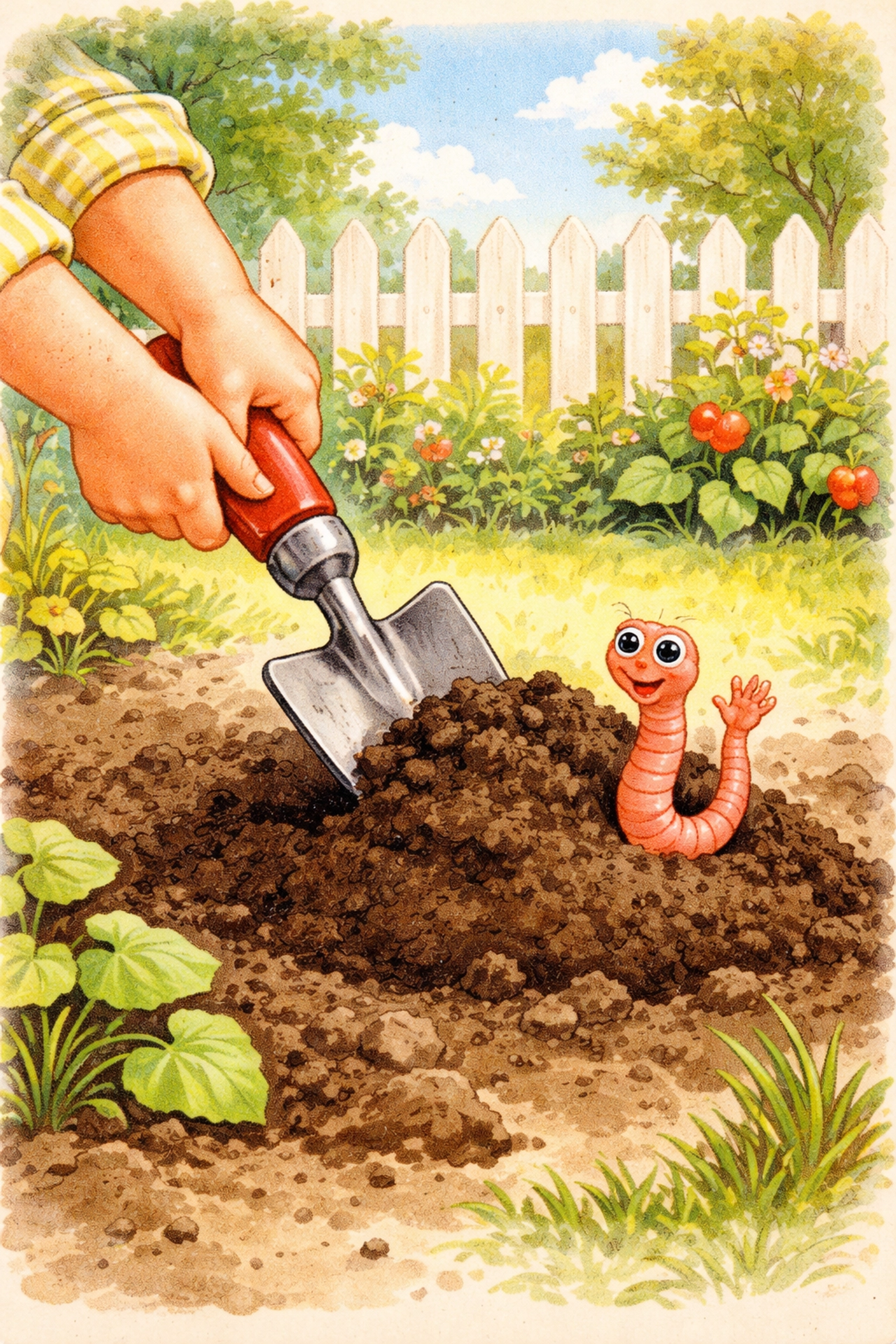
Dig a little. Use a trowel or spoon to dig down about 4 to 6 inches. Surface soil can have a different pH than the soil where roots actually grow.
Grab a sample. Collect about two teaspoons of soil. Remove any rocks, sticks, or debris.
Let it dry (optional). If your soil is very wet, let it air dry for an hour. Soggy soil can dilute your indicator and make results harder to read.
Step 3: Run the Test
Here comes the exciting part!
Add soil to a jar. Drop your two teaspoons of soil into a clean glass jar.
Pour in the indicator. Add enough cabbage juice to cover the soil by about an inch: roughly three to four tablespoons.
Stir it up. Give everything a good stir with a spoon. The soil and liquid should mix together into a purple-ish slurry.
Wait patiently. Set a timer for 30 minutes. The color change needs time to develop fully. Go draw a picture, read a book, or do jumping jacks: whatever helps pass the time!
Check your results. After 30 minutes, look at the liquid color. You might need to let the soil settle to see the true color clearly.
Step 4: Read Your Results
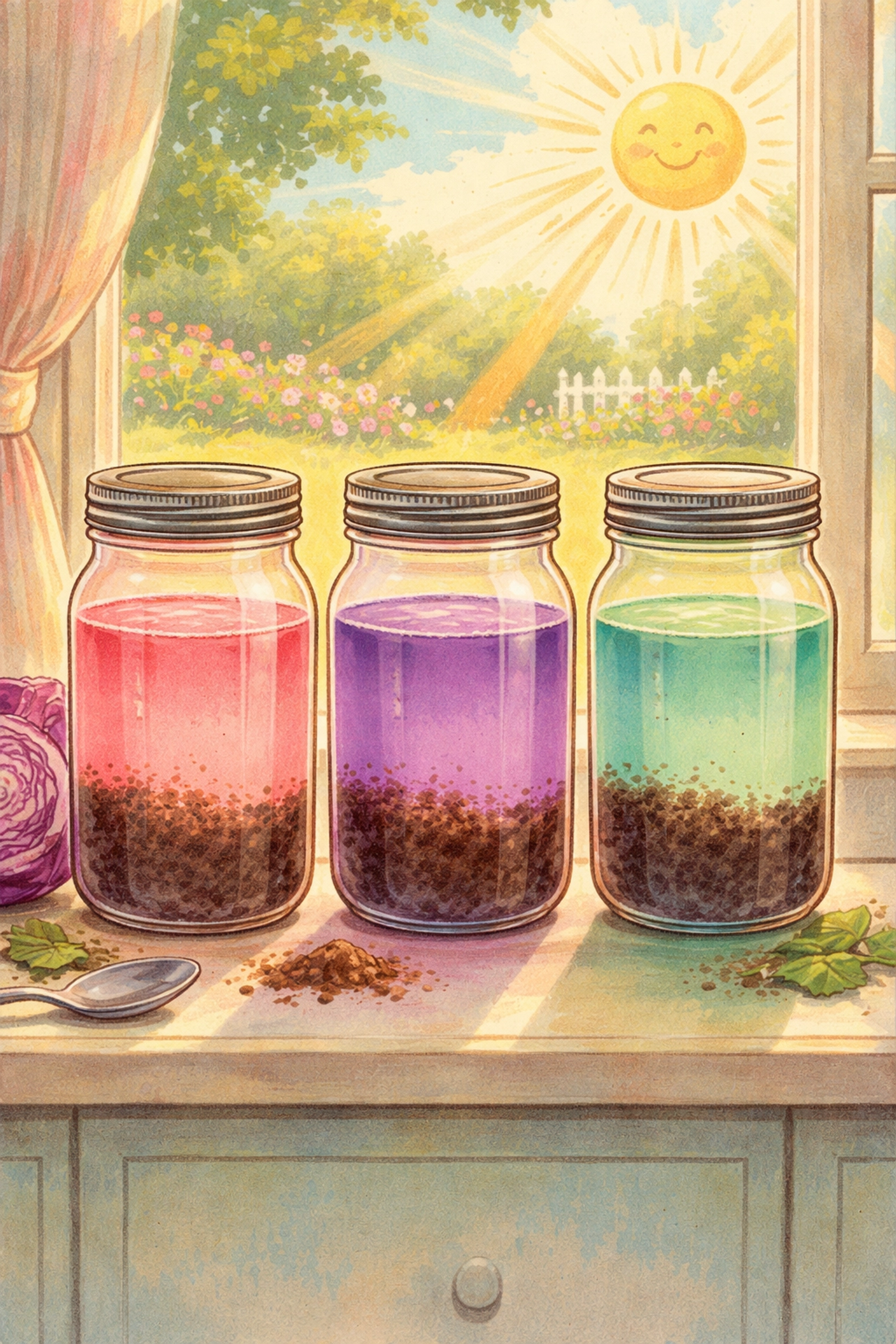
Now for the grand reveal! Compare your liquid color to this guide:
| Color | pH Level | What It Means |
|---|---|---|
| Pink or Red | Below 7.0 | Acidic soil |
| Purple | Around 7.0 | Neutral soil |
| Blue-Green | Above 7.0 | Slightly alkaline |
| Green or Yellow | Well above 7.0 | Very alkaline |
What do these results mean for your garden?
- Acidic soil is great for blueberries, azaleas, and rhododendrons. Most vegetables prefer slightly acidic to neutral.
- Neutral soil is the sweet spot for tomatoes, peppers, beans, and most common vegetables.
- Alkaline soil works well for asparagus, cabbage, and some herbs, but can cause problems for acid-loving plants.
What To Do With Your Results
Testing is just the beginning. Now you can take action!
If your soil is too acidic (and you want to raise the pH), you can add garden lime according to package directions. This takes several months to work, so fall testing gives amendments time to kick in before spring planting.
If your soil is too alkaline (and you want to lower the pH), you can add sulfur or work in organic matter like compost and peat moss over time.
If your soil is neutral, congratulations! You've hit the gardening jackpot. Focus on adding compost to keep your soil healthy and rich.
For more hands-on garden projects with kids, check out our guide on how to create a DIY worm composting bin with children: another fantastic way to improve your soil naturally.
Troubleshooting Tips
My liquid stayed purple. Great news: your soil is likely neutral! Purple isn't a failure; it's a result.
The color is hard to see. Let the mixture settle longer, or try filtering the liquid through a coffee filter to remove soil particles.
My results seem off. Make sure you used distilled water. Tap water minerals can skew your results. Also confirm you used red cabbage, not green or savoy varieties.

The Science Conversation Starter
This experiment opens the door to bigger questions you can explore together:
- What other liquids can we test? Try vinegar, lemon juice, baking soda water, or milk!
- Why do some plants like acidic soil better?
- How does rain affect soil pH over time?
Kitchen science isn't just about following steps: it's about sparking curiosity and learning to ask "what if?"
Happy experimenting, friends. Your garden (and your young scientists) will thank you.
FAQ: Testing Soil pH with Red Cabbage Juice
- Is the red cabbage juice safe for kids to handle? Yes! Red cabbage juice is just food, so it’s completely safe. Just be careful with the items you are testing (like vinegar or baking soda) and always have an adult supervise.
- What colors should I look for during the test? If the juice turns pink or red, your soil is acidic. If it turns blue or green, your soil is alkaline. If it stays purple, your soil is neutral!
- Why does the pH of the soil matter for plants? Just like people like different foods, different plants like different types of soil. Knowing the pH helps you choose the perfect plants for your garden or know how to "fix" the soil so your plants can grow their best.
References:
- Research on anthocyanin as a natural pH indicator
- DIY soil testing methods using red cabbage