




A farm scavenger hunt requires no special equipment.
No apps.
No printed worksheets with cartoon characters.
Just a list of items found on any working farm or rural property.
The setup takes under thirty minutes. The activity occupies participants for hours.
This guide covers every step. From item selection to station creation to execution.
What Items Belong on a Farm Scavenger Hunt List?
Natural and farm-specific objects work best.
The goal: observation. Participants search for items already present in the environment.
Core farm items to include:
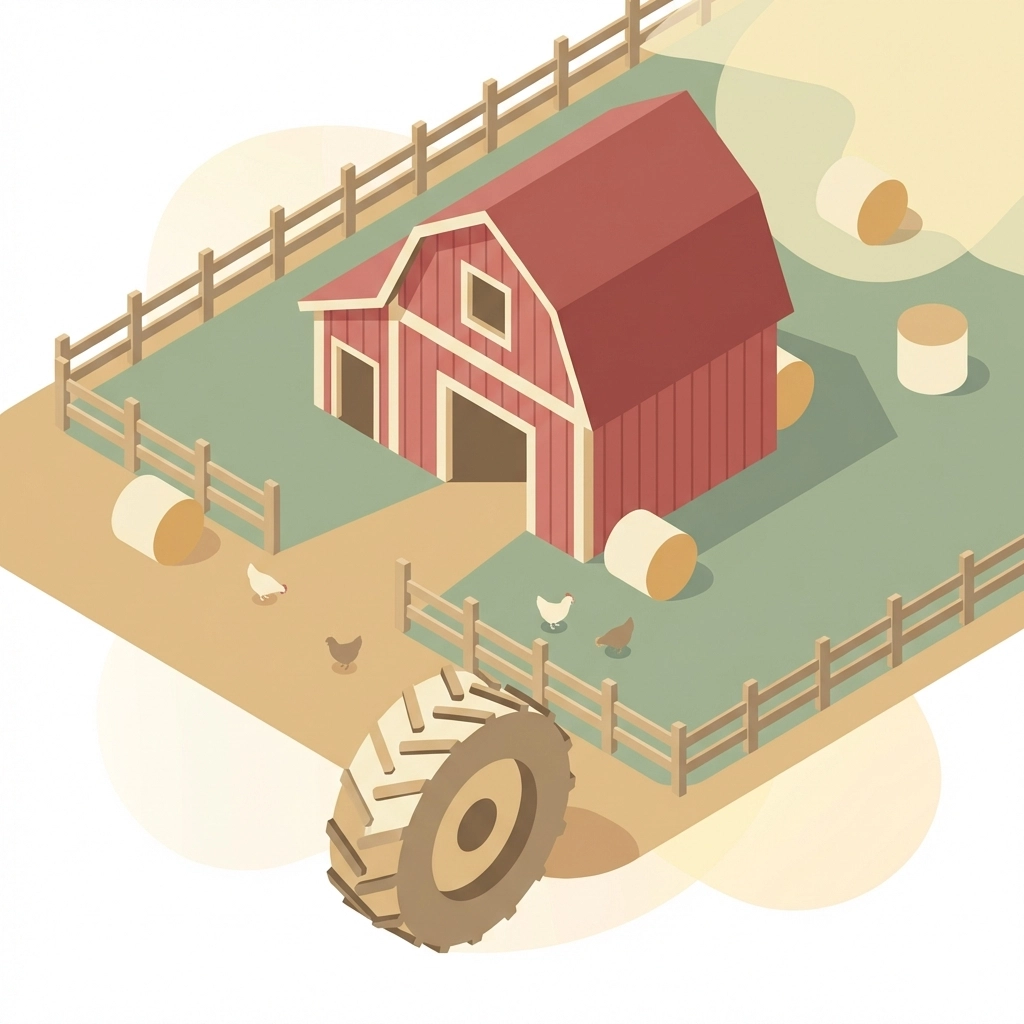
- Hay bale
- Wooden fence post
- Metal gate latch
- Barn door
- Tractor tire
- Water trough
- Feed bucket
- Rope or twine
- Wheelbarrow
- Saddle or harness
Nature items found on farms:
- Bird feather
- Pinecone
- Smooth stone
- Wildflower
- Spider web
- Animal track
- Moss on wood
- Fallen leaf
- Acorn or seed pod
- Insect
Animal-related finds:
- Chicken
- Goat
- Horse
- Sheep
- Cow
- Barn cat
- Farm dog
- Rooster
- Duck
- Rabbit
The list length depends on available time. Ten items suit short hunts. Twenty-five items create a half-day activity.
How Many Stations Should the Hunt Include?
Four to six stations provide variety without overwhelming the space.
Each station focuses on one type of observation or task.
Station structure works like this:
| Station | Focus | Duration |
|---|---|---|
| 1 | Item collection | 15 minutes |
| 2 | Animal identification | 10 minutes |
| 3 | Nature texture matching | 10 minutes |
| 4 | Sound recognition | 10 minutes |
| 5 | Tool identification | 10 minutes |
| 6 | Final checkpoint | 5 minutes |
Stations spread across the property. Distance between stations adds physical activity. Walking paths connect each point.
A linear path prevents backtracking. A loop design returns participants to the starting point.
What Materials Are Needed for Setup?
Minimal supplies. Most items come from the farm itself.
Essential materials:
- Clipboards (one per participant or team)
- Pencils
- Collection bags or baskets
- Boundary markers (flags, stakes, or ribbon)
- Station signs (laminated paper or wood)
Optional enhancements:
- Magnifying glasses
- Binoculars
- Small collection jars
- Sketch pads
- Nature journals
Laminated checklists survive weather and repeated use. Black-and-white versions reduce printing costs.

How Long Does Setup Take?
Thirty minutes for a basic hunt.
One hour for an elaborate multi-station experience.
Setup timeline:
- Walk the property (10 minutes)
- Identify item locations (5 minutes)
- Place station markers (10 minutes)
- Prepare clipboards and materials (5 minutes)
- Test the route (10 minutes)
Pre-walking the route reveals hidden hazards. Uneven ground. Electric fences. Animal enclosures that require supervision.
Setup happens the morning of the event. Earlier setup risks weather changes or animal movement.
What Age Groups Work Best?
Ages four through twelve. Adjustments make the hunt suitable for any skill level.
For younger participants (ages 4-6):
- Shorter lists (8-10 items)
- Larger, easier-to-spot objects
- Adult accompaniment at each station
- Visual cues instead of written descriptions
For older participants (ages 7-12):
- Longer lists (15-25 items)
- Smaller or camouflaged items
- Independent navigation
- Additional challenges like sketching or journaling
For mixed age groups:
- Team formation pairs older with younger
- Tiered lists with basic and bonus items
- Staggered start times prevent crowding
The hunt adapts to the group. Not the other way around.
How Should Teams Be Organized?
Teams of two to four participants work best.
Solo hunters move faster but miss collaborative observation. Large groups exceed six members become chaotic.
Team formation options:
- Random assignment
- Self-selection
- Skill-based pairing
- Age-based grouping
Each team receives identical materials. Clipboards. Checklists. Collection containers.
A team leader emerges naturally. This role rotates at each station for balanced participation.
Competition remains optional. Timed hunts add urgency. Non-competitive versions emphasize exploration over speed.
What Rules Keep the Hunt Safe and Fair?
Clear boundaries prevent wandering. Defined rules prevent disputes.
Safety rules:
- Stay within marked boundaries
- Approach animals only with supervision
- No climbing on equipment or structures
- Report injuries immediately
- Stay with assigned team
Fair play rules:
- No removing items from animal enclosures
- Observe but do not disturb wildlife
- Return borrowed items to original locations
- One checkmark per found item
- Honesty about discoveries
Rules appear on a posted sign at the starting point. A verbal review precedes the hunt.
How Are Stations Designed?
Each station serves a specific purpose. Variety maintains engagement.
Station 1: Item Collection
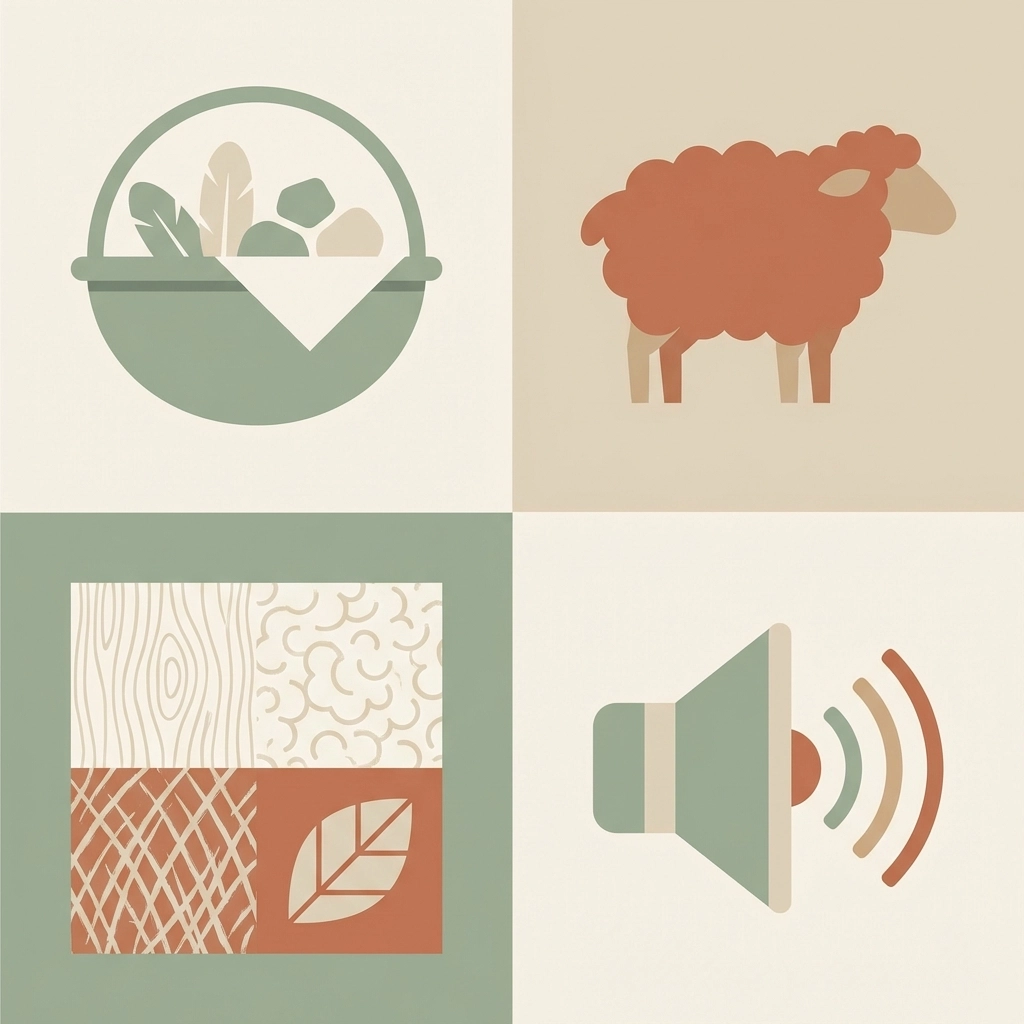
Participants gather small natural objects. Feathers. Stones. Seed pods. Leaves.
A collection basket at the station holds finds. Items return to nature after the hunt concludes.
Station 2: Animal Identification
Participants observe farm animals from a safe distance. The checklist includes physical characteristics. Coat color. Horn shape. Ear position.
No interaction required. Observation only.
Station 3: Texture Matching
Sample textures mount on a board. Rough bark. Smooth stone. Soft feather. Scratchy hay.
Participants find matching textures in the surrounding environment.
Station 4: Sound Recognition
Pre-recorded farm sounds play from a speaker. Animal calls. Equipment noises. Wind through crops.
Participants identify each sound source.
Station 5: Tool Identification
Common farm tools display at a station. Pitchfork. Shovel. Rake. Hoe. Shears.
Participants match tools to their uses.
What Happens at the Final Checkpoint?
The final checkpoint serves as the conclusion point.
All teams return here. Checklists undergo review. Collection items display for group viewing.
Checkpoint activities:
- Count completed items
- Share interesting discoveries
- Return borrowed materials
- Dispose of collection items properly
No prizes required. The experience provides intrinsic reward.
A group discussion allows participants to share observations. This reflection cements learning.
How Does Weather Affect Planning?
Weather determines viability. Rain cancels outdoor hunts. Extreme heat shortens duration.
Weather considerations:
| Condition | Adjustment |
|---|---|
| Light rain | Shorten hunt, focus on covered areas |
| High heat | Morning start, increased water breaks |
| Wind | Secure materials, avoid loose item collection |
| Cold | Layer clothing, reduce standing time at stations |
A backup date prevents disappointment. Indoor alternatives exist but lack the authentic farm experience.
What Makes This Activity Effective?
Observation skills develop through practice.
A scavenger hunt provides structured practice. Participants learn to notice details. Textures. Colors. Shapes. Sounds.
Farm environments offer density. Dozens of unique items exist within a small area. Every fence post differs from the next.
The activity requires no technology. No screens compete for attention. The physical environment commands focus.

How Often Should Hunts Repeat?
Seasonal repetition reveals environmental changes.
Spring hunts feature new growth. Summer hunts showcase mature crops. Fall hunts include harvest elements. Winter hunts expose dormant landscapes.
Same location. Different discoveries.
A nature journal tracks changes across seasons. Observations compound over time.
The farm scavenger hunt becomes a recurring tradition. Each iteration builds on previous knowledge.
Simple setup. Lasting impact.