




The ideal pH range for most vertical farm crops is 5.5 to 6.5. When your nutrient solution falls outside this range, plants struggle to absorb essential nutrients, even when those nutrients are present in the water. Testing pH regularly (daily or every other day) and adjusting as needed is one of the most important habits for vertical farming success.
Think of pH as the gatekeeper to your plants' dinner table. You could serve the most nutritious meal in the world, but if the gate is locked, your plants go hungry. That's exactly what happens when pH drifts too high or too low.
What Is pH and Why Does It Matter?
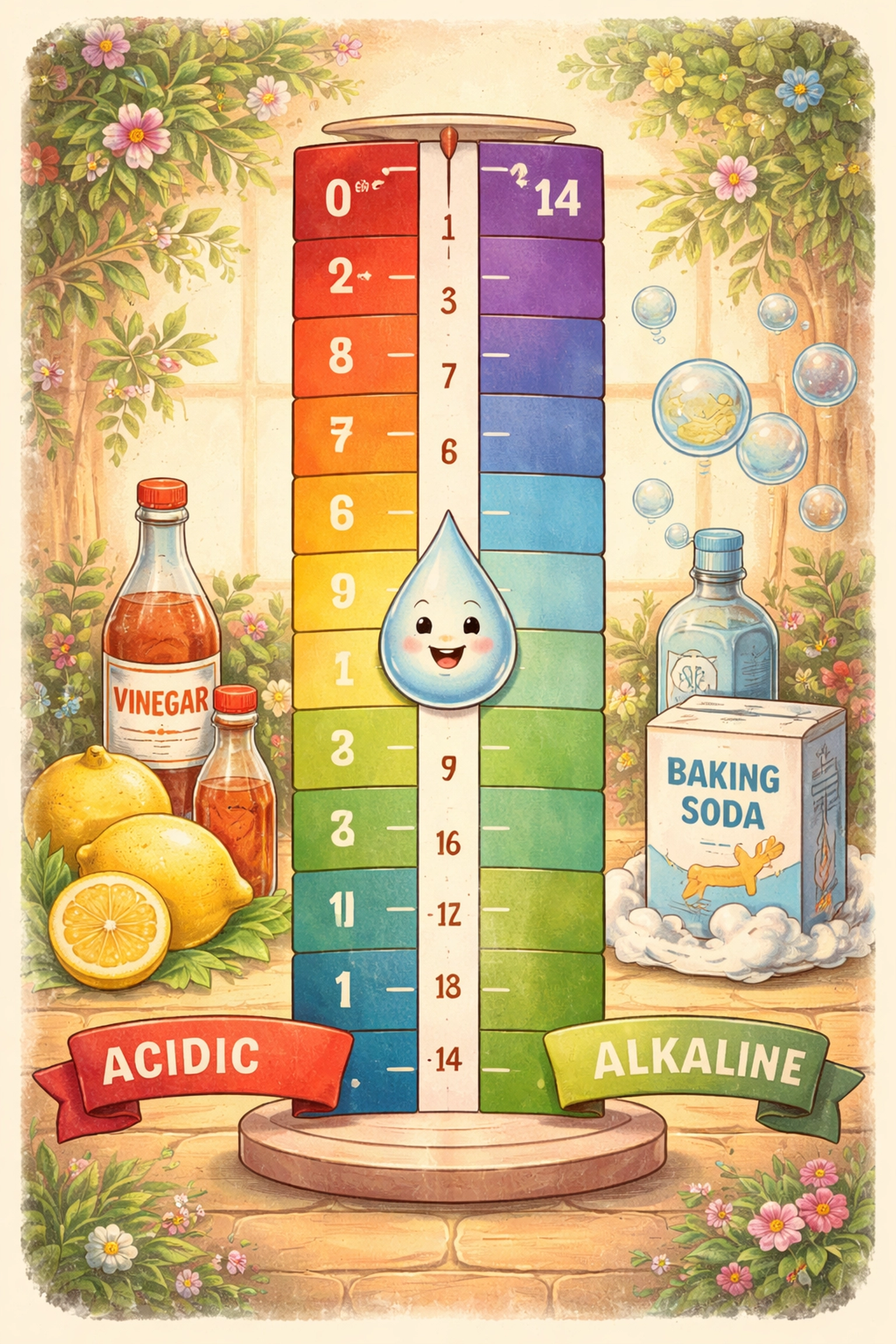
pH measures how acidic or alkaline (basic) a liquid is on a scale from 0 to 14. Here's the breakdown:
- 0 to 6.9 = Acidic (think lemon juice, vinegar)
- 7 = Neutral (pure distilled water)
- 7.1 to 14 = Alkaline/Basic (think baking soda, soap)
Here's something that surprises most folks: the pH scale is logarithmic, not linear. That means each whole number represents a tenfold difference. Water at pH 5 is ten times more acidic than water at pH 6, and one hundred times more acidic than water at pH 7. Small numbers on paper can mean big changes for your plants.
In hydroponic vertical farms, where roots sit directly in nutrient solution rather than soil, pH control becomes absolutely critical. Soil naturally buffers pH swings, but water doesn't offer that safety net. If your solution drifts to pH 7.5 or above, iron and manganese become locked out. Drop below pH 5, and calcium and magnesium become unavailable. Either way, you'll see yellowing leaves, stunted growth, or worse.
How to Test pH in Your Vertical Farm
You have several options for testing, ranging from budget-friendly to high-tech. Let's walk through each method.
Method 1: pH Test Strips
These paper strips change color when dipped in liquid. You compare the color to a chart to determine pH. They're inexpensive and require no calibration, but they're less precise, usually only accurate within 0.5 pH units. Good for beginners who want a general idea.
Method 2: Liquid Drop Test Kits
These kits use a small vial of your nutrient solution mixed with indicator drops. The liquid changes color, and you match it to a chart. More accurate than strips, typically within 0.25 pH units, and still very affordable.
Method 3: Digital pH Meters
Digital meters (sometimes called pH pens) give you a numerical readout. Quality meters range from $50 to $80 and measure to within 0.1 pH units. They require regular calibration using buffer solutions (typically pH 4.0 and pH 7.0), but they're the gold standard for home vertical farmers.
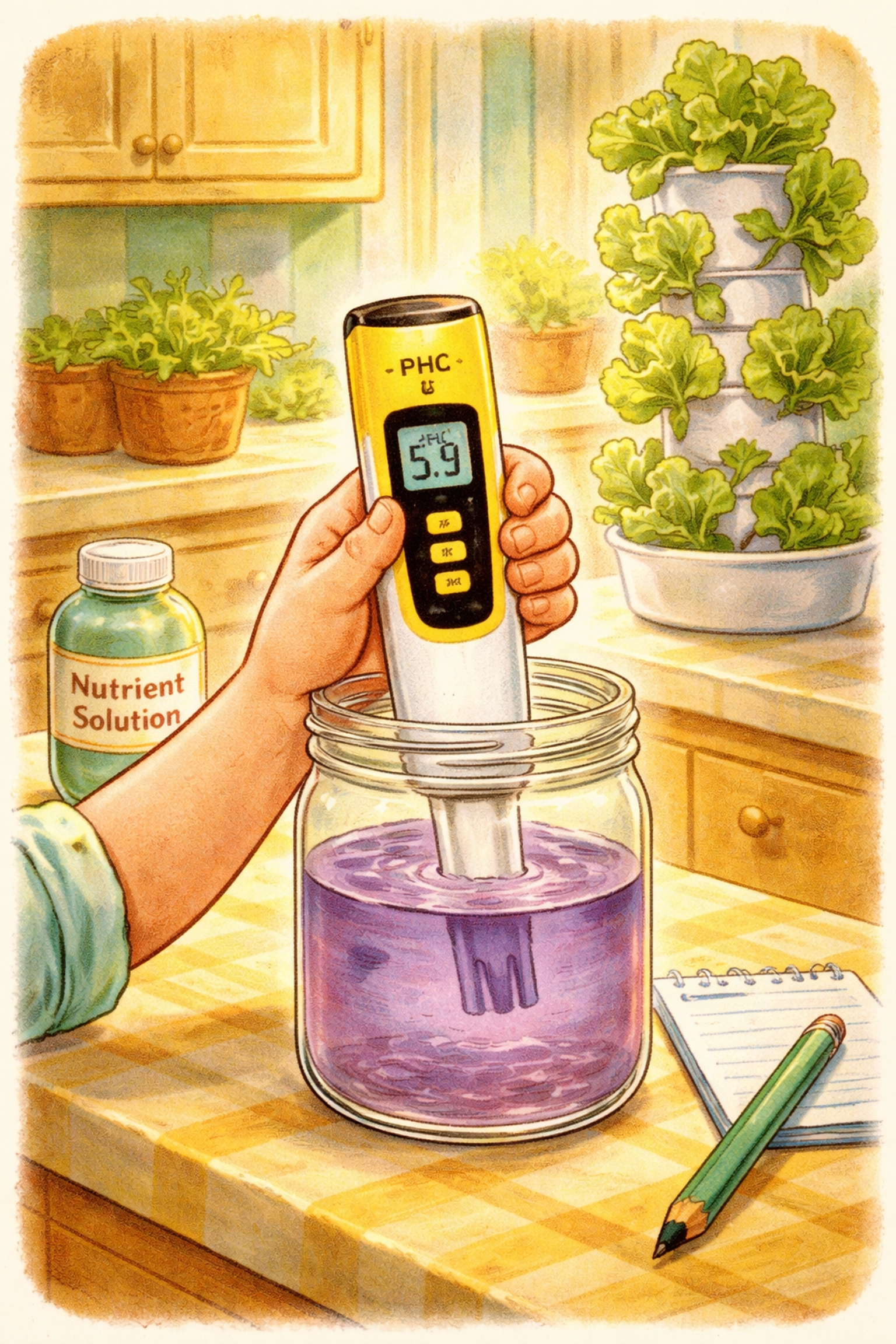
To test with a digital meter:
- Calibrate your meter according to the manufacturer's instructions (usually weekly)
- Collect a small sample of your nutrient solution
- Submerge the probe completely
- Gently swirl to remove air bubbles from the sensor
- Wait for the reading to stabilize (usually 10-30 seconds)
- Record your result
Method 4: Continuous Monitoring Systems
Advanced vertical farms use IoT-based sensors that sit in the reservoir and transmit real-time data to your phone or computer. These systems can send text alerts when pH drifts outside your target range. They're pricier but save time and catch problems before plants suffer.
The Red Cabbage pH Experiment: Kitchen Chemistry for Families
Want to teach your kids about pH using something from your refrigerator? Red cabbage makes a fantastic natural pH indicator, and this experiment has been a classroom favorite for decades.
Here's why it works: Red cabbage contains pigments called anthocyanins. These molecules change color depending on the pH of their environment, no fancy chemicals required.

What You'll Need
- Half a head of red cabbage
- Distilled water
- A pot for boiling
- Strainer
- Clear cups or jars
- Test liquids: lemon juice, vinegar, baking soda solution, tap water, milk
Steps
- Chop the red cabbage into small pieces
- Boil in distilled water for 15-20 minutes until the water turns deep purple
- Strain out the cabbage pieces and let the purple liquid cool
- Pour equal amounts of cabbage juice into several clear cups
- Add different test liquids to each cup and watch the colors change
What You'll See
| Liquid Added | Approximate pH | Color Change |
|---|---|---|
| Lemon juice | 2-3 | Bright pink/red |
| Vinegar | 2.5-3 | Pink/red |
| Milk | 6.5-6.8 | Light purple |
| Tap water | 7-8 | Purple to blue-purple |
| Baking soda solution | 8-9 | Blue to blue-green |
| Soapy water | 9-10 | Green |
This experiment shows exactly why the 5.5-6.5 range matters for plants, it's the sweet spot where nutrient availability peaks.
Adjusting pH in Your Vertical Farm
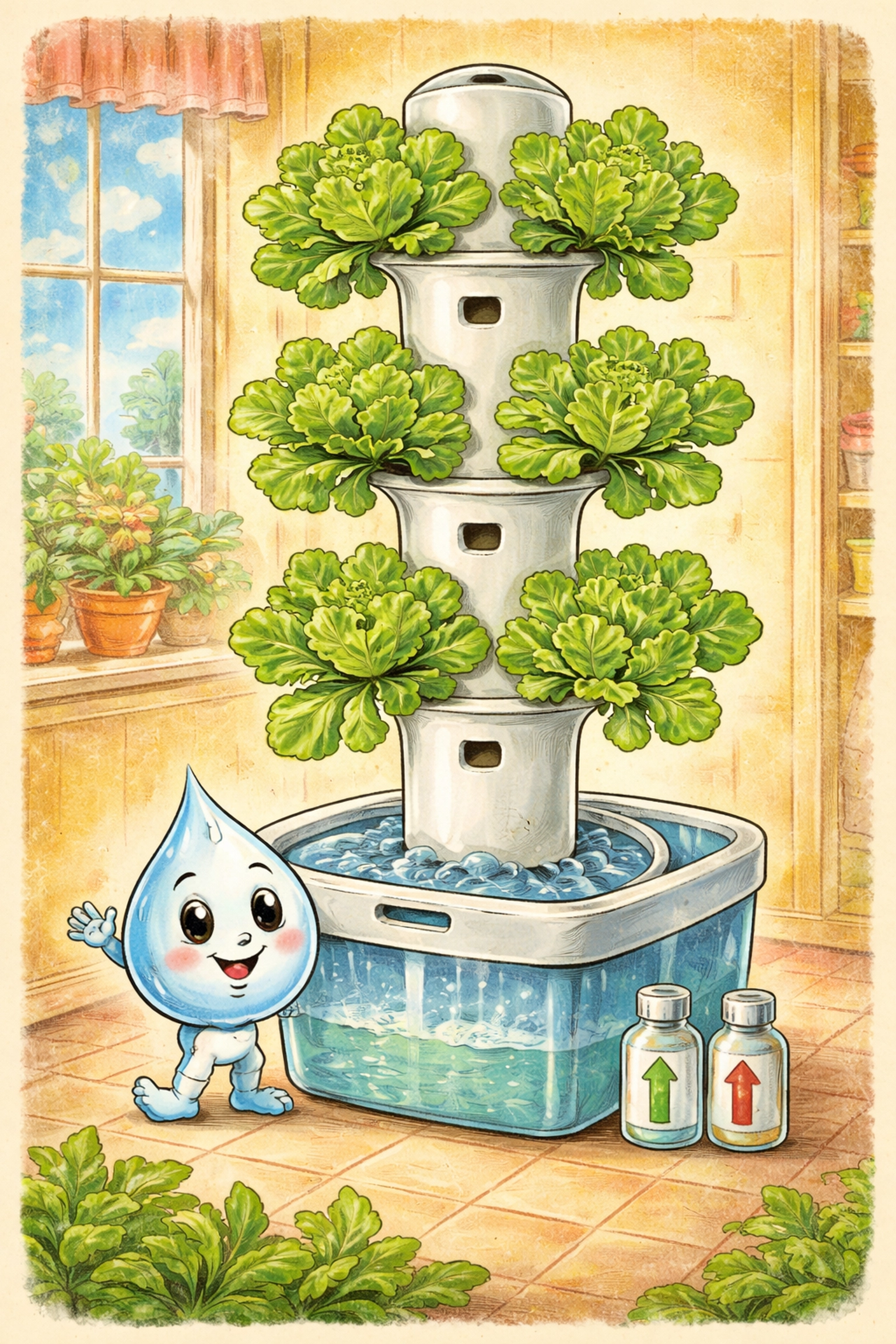
Once you know your pH, you may need to adjust it. Commercial "pH Up" (potassium hydroxide or potassium carbonate) and "pH Down" (phosphoric acid) solutions are available at any hydroponic supply store.
Important tips for adjusting:
- Add adjusters in small amounts, a little goes a long way
- Wait 15-30 minutes and retest before adding more
- Mix thoroughly after each addition
- Keep records of how much adjuster you use so you can predict future needs
For a deeper dive into maintaining your hydroponic system, check out our guide on how much space you need for a productive hydroponic garden.
Budget Breakdown: pH Testing Supplies
| Item | Price Range | Notes |
|---|---|---|
| pH test strips (100 count) | $5-15 | Good for beginners, less precise |
| Liquid pH test kit | $10-20 | More accurate than strips |
| Basic digital pH meter | $15-40 | Entry-level, requires calibration |
| Quality digital pH meter | $50-80 | Reliable, accurate to 0.1 units |
| Calibration buffer solutions | $10-15 | pH 4.0 and 7.0, essential for meters |
| pH Up solution (8 oz) | $8-12 | Raises pH when too acidic |
| pH Down solution (8 oz) | $8-12 | Lowers pH when too alkaline |
Total startup cost for basic testing: $25-50
Total for quality digital setup: $70-110
Common pH Problems and Solutions
pH keeps rising: This often happens as plants consume nutrients. Test and adjust daily. Also check if your water source is naturally alkaline.
pH swings wildly: Your reservoir may be too small. Larger water volumes resist pH changes better. Consider upgrading your tank.
pH won't stabilize after adjustment: Wait longer between adjustments. Chemical reactions take time, and over-adjusting creates a roller coaster effect.
Different plants need different pH: Most leafy greens thrive at 5.5-6.5, but some crops prefer slightly different ranges. Lettuce loves 6.0-7.0, while blueberries prefer 4.5-5.5.
Frequently Asked Questions
How often should I test pH in my vertical farm?
Test daily when starting out. Once you understand your system's patterns, every other day usually works for stable setups.
Can I use pool pH strips for hydroponics?
They'll give you a general reading, but hydroponic-specific strips or meters are more accurate for the 5.5-6.5 range that matters most for plants.
What happens if I ignore pH testing?
Plants will show nutrient deficiency symptoms even when nutrients are present. Growth slows, leaves yellow or brown, and yields drop significantly.
Is the red cabbage test accurate enough for real farming?
It's excellent for teaching concepts, but use proper test strips or meters for actual crop management.
Do I need to test pH if I'm using premixed nutrients?
Yes. Your tap water's starting pH, the nutrients themselves, and plant uptake all affect final pH. Always test.
References:
- pH scale fundamentals: Standard chemistry reference (0-14 logarithmic scale)
- Optimal hydroponic pH range: University extension hydroponic growing guidelines
- Red cabbage anthocyanin indicator: Established chemistry education demonstration
- Digital pH meter calibration procedures: Manufacturer standard protocols