




Patterns exist everywhere on the farm.
Spirals in sunflower heads. Branching in tree limbs. Repeating spots on a ladybug's back.
A scavenger hunt built around these hidden designs transforms a simple walk into an observation exercise. No special equipment required. Just eyes, curiosity, and a printable checklist.
This project works for all ages. Takes about 30 minutes. Costs nothing.
What Are Nature's Hidden Patterns?
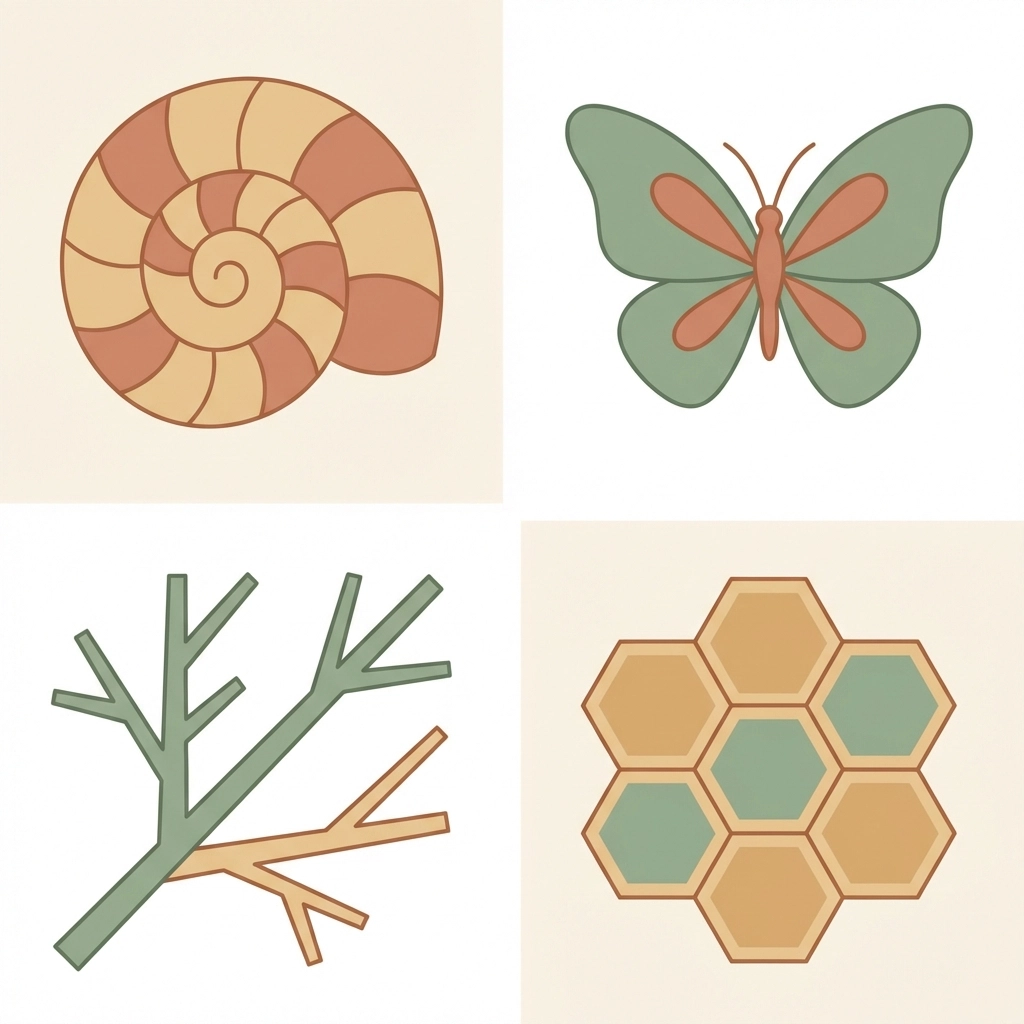
Nature follows mathematical and structural rules.
These rules create predictable designs:
- Spirals : Found in snail shells, pinecones, fern fronds
- Symmetry : Butterfly wings, leaves, flower petals
- Branching : Tree limbs, river systems, lightning shapes
- Tessellations : Honeycomb, turtle shells, fish scales
- Spots and stripes : Animal markings, plant variegation
- Fractals : Repeating shapes at different scales, like broccoli florets
These patterns serve purposes. Spirals maximize space. Branching distributes resources. Symmetry aids recognition.
A farm provides dozens of examples within a short walking distance.
Why Use a Scavenger Hunt Format?
Scavenger hunts turn passive observation into active searching.
The format works because:
- Clear objectives keep attention focused
- Checkboxes create small wins
- Time limits add gentle urgency
- Competition (optional) increases engagement
Pattern hunting adds a layer beyond typical farm scavenger hunts. Instead of finding "a chicken" or "a tractor," participants search for specific natural designs.
This builds observation skills. It trains the eye to notice details that usually go unseen.
What Supplies Are Needed?
Minimal materials required.
Essential items:
- Printed scavenger hunt checklist
- Pencil or pen
- Clipboard (optional but helpful)
Optional additions:
- Magnifying glass for close inspection
- Camera or phone for documentation
- Small collection bag for fallen items
- Field notebook for sketching
Everything fits in a pocket or small bag.

How to Create the Pattern Checklist
The checklist drives the entire activity.
Start with categories. Assign specific patterns to find within each.
Sample checklist structure:
Spirals (find 3)
- Curled tendril on a vine
- Snail shell
- Unfurling fern frond
- Spiral pattern in tree bark
Symmetry (find 3)
- Leaf with matching halves
- Butterfly or moth
- Flower with even petals
- Spider web center
Branching (find 3)
- Tree limb pattern
- Veins on a leaf
- Root system visible above ground
- Crack pattern in dried mud
Repeating patterns (find 3)
- Honeycomb or wasp nest
- Fish or reptile scales
- Fence wire grid
- Rows in a plowed field
Spots or stripes (find 2)
- Spotted insect
- Striped caterpillar or worm
- Variegated leaf
- Banded rock or stone
Fractals (find 2)
- Broccoli or cauliflower head
- Fern leaf structure
- Cloud formations
- Tree silhouette against sky
Adjust difficulty by changing the number required or the specificity of items.
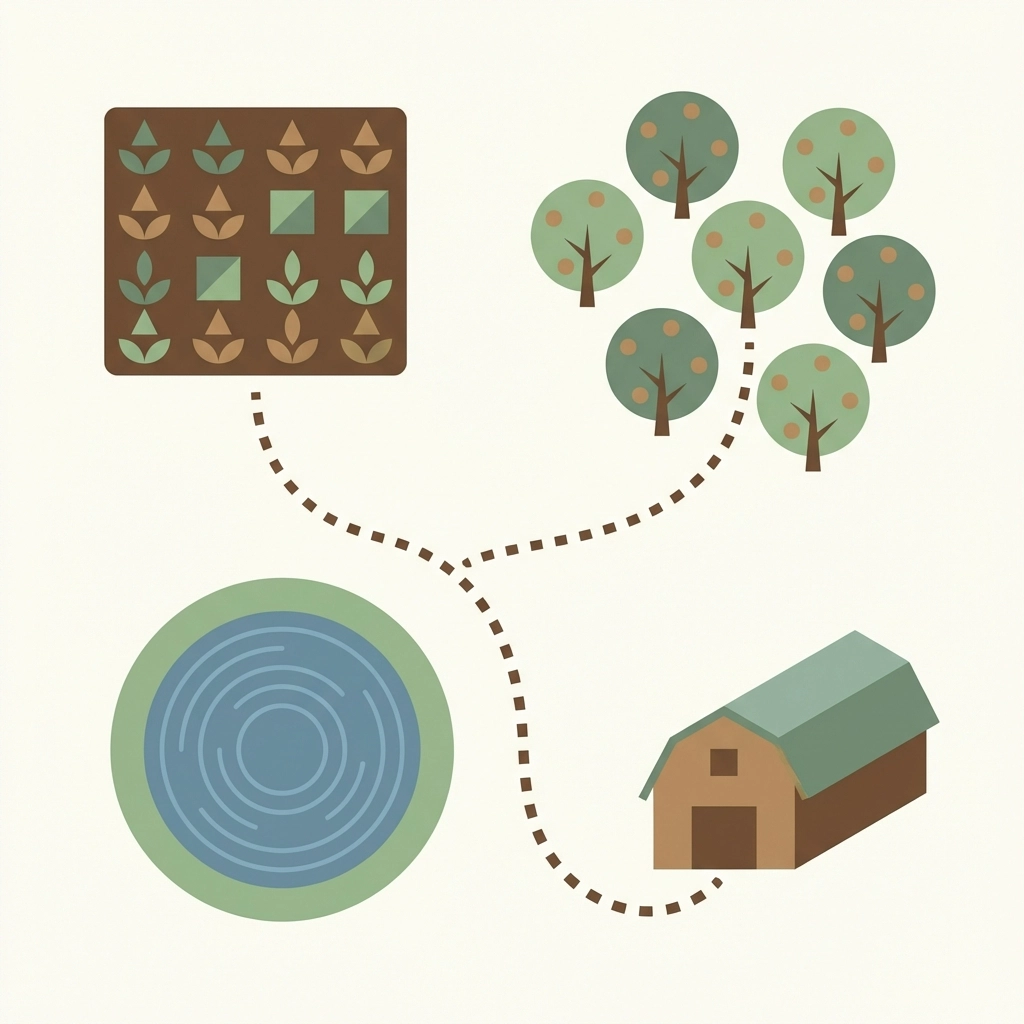
What Is the Best Route for a Farm Hunt?
Plan the path before starting.
A good route includes variety:
- Garden beds : Leaves, flowers, insects, spiraling vines
- Orchard or tree line : Branching patterns, bark textures, fallen items
- Pasture edges : Animal tracks, feathers, wildflowers
- Pond or water feature : Ripples, reflections, aquatic plants
- Barn area : Spider webs, honeycomb, animal markings
- Open field : Cloud patterns, row plantings, grass blade arrangements
Loop back to the starting point. Keep total distance walkable for the youngest participant.
Mark boundaries clearly. Some areas stay off-limits for safety.
How Long Should the Hunt Last?
Thirty minutes works for most groups.
Shorter hunts (15 minutes) suit younger participants or hot weather.
Extended hunts (45-60 minutes) allow deeper exploration and sketching.
Set a timer. The deadline creates focus.
No timer means wandering. Wandering loses momentum.
What Rules Keep the Hunt Fair?
Simple rules prevent frustration.
Core rules:
- Items must be found, not created
- Living creatures stay in place : observe only
- Fallen or loose items may be collected
- Each pattern type counts once per unique find
- Disputes resolved by majority vote or adult decision
Bonus point options:
- Photograph instead of collect (+1 point)
- Sketch the pattern in a notebook (+2 points)
- Explain why the pattern exists (+2 points)
- Find a pattern not on the list (+3 points)
Bonus points reward curiosity beyond the minimum requirements.
What Happens After the Hunt Ends?
The debrief matters as much as the hunt.
Gather at a central location. Review findings together.
Discussion prompts:
- Which pattern appeared most often?
- Which pattern was hardest to find?
- Did any pattern appear in an unexpected place?
- What purpose might each pattern serve?
This reflection cements the learning.
Collections from the hunt become materials for future projects. Pressed leaves. Mounted feathers. Photographed specimens for a nature journal.

How to Adapt for Different Seasons
Each season offers different patterns.
Spring:
- Unfurling ferns and leaves
- Bird nest construction
- Tadpole clusters
- Flower bud spirals
Summer:
- Full leaf symmetry
- Insect abundance
- Spider web geometry
- Ripening fruit patterns
Fall:
- Leaf color variations
- Seed pod spirals
- Migration patterns
- Decay textures
Winter:
- Bare branch structures
- Frost crystals
- Animal tracks in snow or mud
- Evergreen needle arrangements
Run the same hunt quarterly. Compare results across seasons. Track which patterns persist year-round.
What Variations Keep the Hunt Fresh?
Repetition builds skill. Variation maintains interest.
Alternative formats:
- Photo hunt : Document everything with a camera, no collecting
- Sketch hunt : Draw each pattern instead of checking a box
- Timed challenge : Most patterns found in 10 minutes wins
- Team relay : Groups search different zones, combine findings
- Night hunt : Flashlight exploration for nocturnal patterns
- Micro hunt : Magnifying glass only, patterns smaller than a fingernail
- Sound hunt : Repeating patterns in bird calls, insect sounds, animal rhythms
Each variation emphasizes different observation skills.
What Do Participants Learn?
Pattern recognition extends beyond the farm.
The skills transfer to:
- Scientific observation
- Mathematical thinking
- Artistic composition
- Problem-solving through categorization
- Attention to environmental details
These outcomes happen without formal instruction. The hunt teaches through experience.
Repeated hunts sharpen the eye. Details once invisible become obvious.
How to Store and Display Finds
Collected items deserve preservation.
Storage methods:
- Pressed leaves between wax paper
- Pinned feathers on cork boards
- Photographed specimens in digital albums
- Sketched patterns in bound journals
- Labeled samples in clear containers
Display boards create ongoing reference materials. They also prompt conversation and memory.
Date each collection. Note the location, weather, and season.
Over time, a library of farm patterns emerges.
Nature hides patterns in plain sight.
A scavenger hunt reveals them.
The farm becomes a classroom. The walk becomes an investigation. The checklist becomes a record of discovery.
Thirty minutes. Zero cost. Lasting observation skills.
That exchange makes this project worth repeating every season.