



Easy character-building activities for the garden include seed-to-harvest responsibility projects, patience journals, team watering schedules, harvest sharing challenges, and growth observation logs. These hands-on experiences naturally teach kids perseverance, responsibility, empathy, and problem-solving: all while getting their hands dirty in the best way possible.
The garden is one of the most underrated classrooms for building character. Unlike worksheets or lectures, gardening delivers real consequences and real rewards. When a plant thrives because your child remembered to water it, that's a confidence boost no gold star can match. When a seedling fails and they try again, that's resilience in action.
Let's dig into specific activities you can start this week, complete with age ranges and estimated costs.
Why Does Gardening Build Character in Kids?
Gardens teach what we call "natural consequences" without any lectures required. If you forget to water, the plant wilts. If you're patient and consistent, you get tomatoes. Kids learn quickly that effort produces results: and that some things simply can't be rushed.
Research shows that regular gardening tasks like watering and weeding develop patience and diligence, while harvesting and sharing produce builds selflessness. The key is consistency: making outdoor garden time a regular habit rather than a one-time event.
Activity 1: The Responsibility Seed Project
Age Range: 4–10 years
Estimated Cost: $0–$5 (seeds, recycled containers, soil from yard or dollar store)
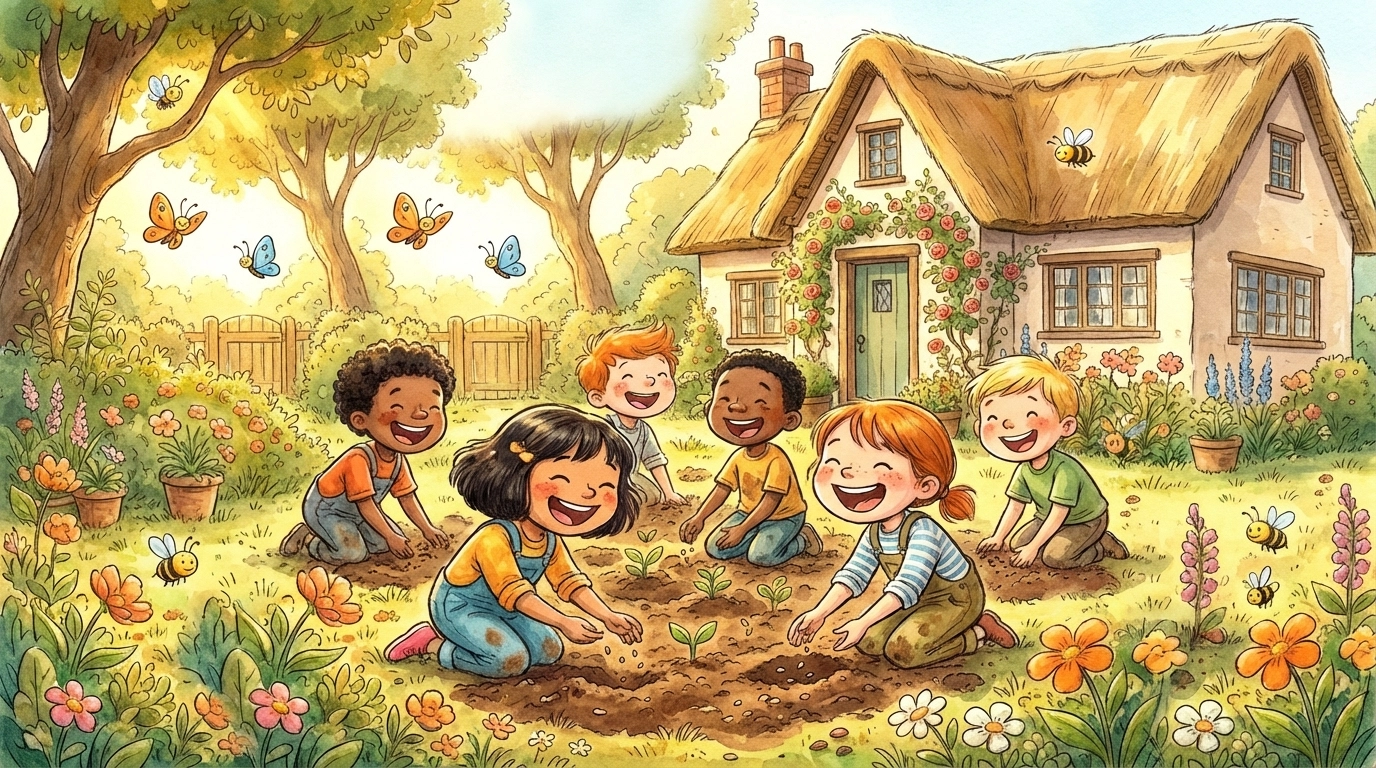
This is the foundation activity for character building. Each child gets their own plant to care for from seed to harvest.
How to Do It:
- Let your child choose their seed. Fast-growing options like radishes, lettuce, or beans work best for younger kids who need quicker results.
- Set up their personal growing station. Use a recycled yogurt cup, mason jar, or small pot. Label it with their name.
- Create a simple care schedule together. Write down watering days and post it where they can see it.
- Let them experience natural consequences. If they forget to water for a few days, don't rescue the plant secretly. Talk about what happened and what they can try differently.
- Celebrate the harvest together. Even if it's just one radish, make it a big deal.
Character traits developed: Responsibility, follow-through, cause-and-effect thinking
Activity 2: The Patience Garden Journal
Age Range: 5–12 years
Estimated Cost: $0–$3 (notebook, pencil, recycled paper)
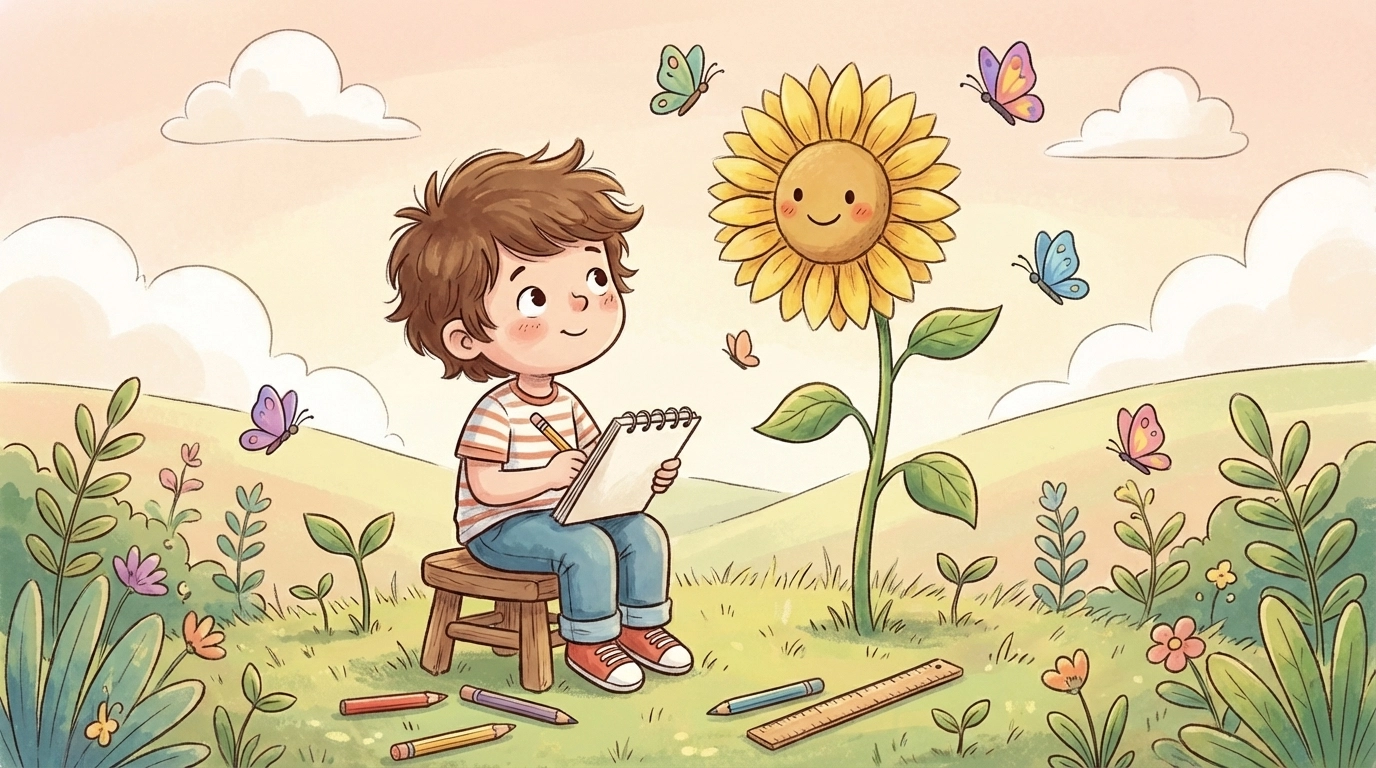
Gardens move slowly, and that's actually the point. A patience journal helps kids track progress and recognize that good things take time.
How to Do It:
- Provide a simple notebook or stapled pages. Fancy supplies aren't needed: a few sheets of paper folded in half work great.
- Set a weekly observation time. Same day, same time each week works best.
- Have them draw or write what they see. Younger kids can draw pictures; older kids can measure and record heights.
- Add a "feelings" section. Ask: "How do you feel about waiting? What's hard about it? What's exciting?"
- Review the journal together after 4–6 weeks. Flip through and show them how much has changed, even when it felt slow.
Character traits developed: Patience, observation skills, delayed gratification, self-reflection
Activity 3: Team Watering Rotations
Age Range: 3–10 years (works great for siblings or garden groups)
Estimated Cost: $0–$5 (watering can, optional chart supplies)
This activity teaches teamwork and accountability. When one person drops the ball, the whole team's garden suffers: and that's a powerful lesson.
How to Do It:
- Assign watering days to each child. Use a simple rotation chart on the fridge or garden shed.
- Make the watering can accessible. Kids should be able to do this independently.
- Create a check-off system. A simple sticker chart or checkmark list works.
- Hold brief weekly "team meetings." Ask: How are the plants doing? Did everyone do their part? What can we do better?
- Celebrate team wins. When plants thrive, credit the whole team.
Character traits developed: Teamwork, accountability, communication, reliability
Activity 4: The Harvest Sharing Challenge
Age Range: 5–12 years
Estimated Cost: $0 (uses produce you've already grown)
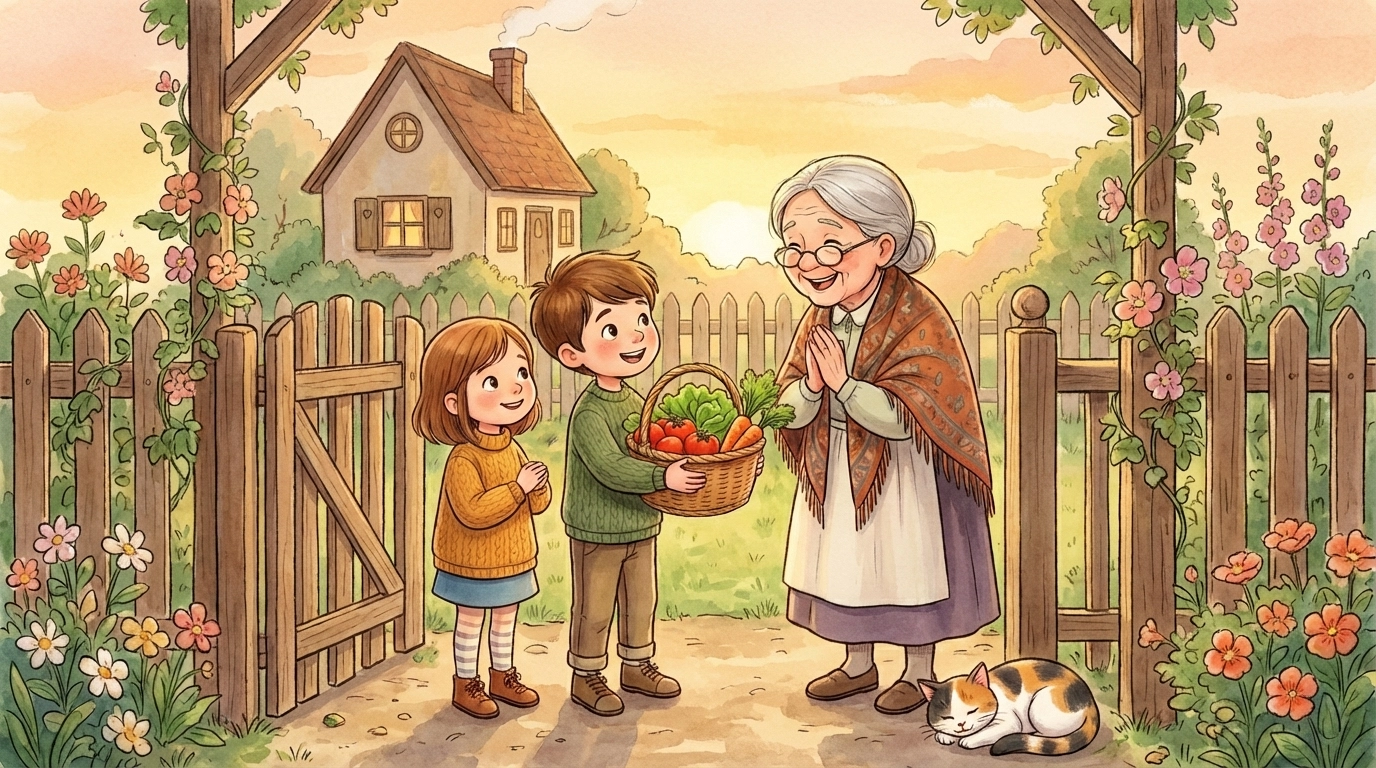
When kids grow something and then give it away, something shifts inside them. This activity builds selflessness and community connection.
How to Do It:
- Designate a "sharing row" in your garden. Even one plant can be the sharing plant.
- Let your child harvest when ready. They decide when it's time.
- Help them choose who to share with. A neighbor, grandparent, teacher, or local food pantry.
- Have them deliver it personally (when possible). The face-to-face connection matters.
- Talk about how it felt afterward. No pressure: just open conversation.
Character traits developed: Generosity, empathy, community awareness, selflessness
Activity 5: Growth Observation Logs
Age Range: 6–12 years
Estimated Cost: $0–$5 (ruler, notebook, pencil)
This is a more structured version of the patience journal, designed for kids who love data and measurement. It reinforces that consistent effort leads to visible results.
How to Do It:
- Choose 2–3 plants to track. Variety is good: maybe one fast grower and one slow grower.
- Measure height weekly. Use a ruler and record the number.
- Count leaves or blooms. Another simple metric kids can track.
- Create a simple chart or graph. Even a hand-drawn bar graph works great.
- Discuss the results. What grew fastest? What surprised them? What would they do differently?
Character traits developed: Perseverance, analytical thinking, attention to detail, goal-setting
Activity 6: The Problem-Solving Garden Walk
Age Range: 4–10 years
Estimated Cost: $0
Gardens always have problems: yellowing leaves, droopy stems, mysterious holes in leaves. Instead of fixing everything yourself, use these moments as teaching opportunities.
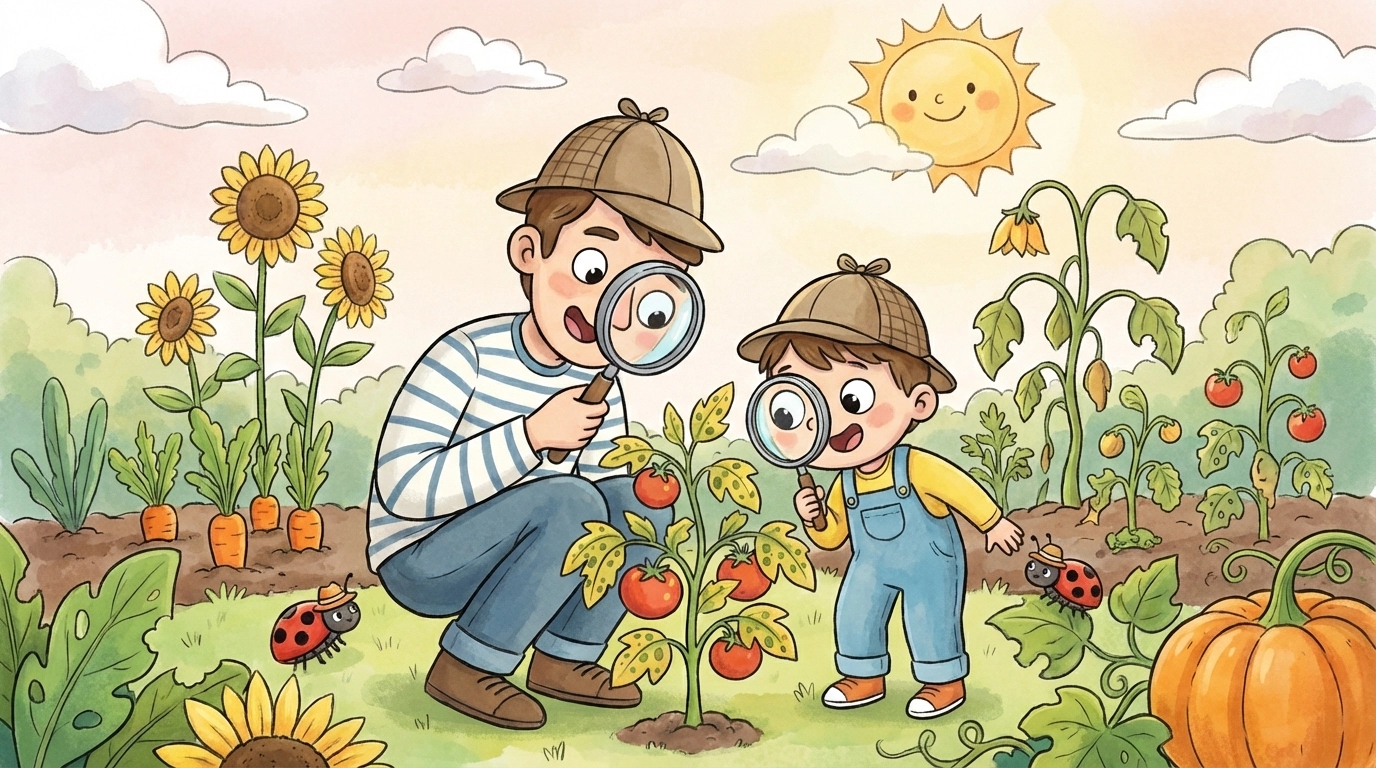
How to Do It:
- Take a slow walk through the garden together. No agenda, just looking.
- When you spot a problem, pause. Ask: "What do you notice here?"
- Let your child guess what might be wrong. No wrong answers at this stage.
- Research together if needed. A quick search or gardening book can help.
- Let them try a solution. Even if it's not perfect, the process matters.
Character traits developed: Critical thinking, problem-solving, confidence, resilience
Activity 7: Character Reflection Flowers (Craft + Garden Combo)
Age Range: 4–9 years
Estimated Cost: $0–$3 (paper, markers, scissors, stick or straw)
This simple craft project encourages self-reflection while connecting to your garden theme.
How to Do It:
- Cut out a large flower shape from paper. Construction paper or recycled cardboard works.
- On each petal, have your child write or draw one quality they're proud of. Examples: kind, funny, good listener, tries hard.
- In the center, write their name.
- Attach to a stick or straw and "plant" it in the garden. It can live in a pot or right in the soil.
- Revisit and add new petals as they grow. This becomes a living reminder of their character growth.
Character traits developed: Self-awareness, positive self-image, reflection, creativity
Tips for Making Character-Building Stick
- Consistency beats intensity. A little garden time every week matters more than one big project.
- Talk about the "why." Connect garden tasks to real-life character traits out loud.
- Model it yourself. Let your kids see you being patient, trying again after failure, and sharing your harvest.
- Celebrate effort, not just outcomes. A wilted plant that taught perseverance is still a win.
Quick Reference Chart
| Activity | Age Range | Est. Cost | Key Character Traits |
|---|---|---|---|
| Responsibility Seed Project | 4–10 | $0–$5 | Responsibility, follow-through |
| Patience Garden Journal | 5–12 | $0–$3 | Patience, self-reflection |
| Team Watering Rotations | 3–10 | $0–$5 | Teamwork, accountability |
| Harvest Sharing Challenge | 5–12 | $0 | Generosity, empathy |
| Growth Observation Logs | 6–12 | $0–$5 | Perseverance, goal-setting |
| Problem-Solving Garden Walk | 4–10 | $0 | Critical thinking, resilience |
| Character Reflection Flowers | 4–9 | $0–$3 | Self-awareness, creativity |
Start Small, Grow Big
You don't need a massive garden or expensive supplies to build character in your kids. A single seed in a recycled container, a weekly observation routine, and honest conversations about effort and patience will do more than any curriculum.
The garden is already teaching. Your job is just to show up consistently and let the lessons unfold.
For more hands-on family gardening ideas, explore our other projects at Tierney Family Farms.
FAQ: Character Building in the Garden
- How does pulling weeds teach kids character? It teaches diligence and the idea that "tending" to something (like a garden or a friendship) requires regular, sometimes repetitive effort to keep it healthy.
- What is a good activity for teaching patience? Planting a slow-growing seed like a sunflower or a pumpkin is perfect. Watching it grow slowly over months helps kids understand that big rewards come to those who wait and work.
- Can character-building activities be fun? Definitely! Turn it into a game or a family challenge. For example, "Who can spot the first sprout?" or "Kindness Bingo" in the garden makes the lessons feel like play.
References:
- Social-emotional learning through garden-based education research
- Community garden project frameworks for youth development
- Outdoor activity studies on resilience and character formation